


More Ways to Cut Spending During the COVID-19 Lockdown

As you go through this COVID-19 emergency, you’ve probably already trimmed your budget and cut spending to the bone in an effort to save money and stretch that much needed dollar. You’ve probably already done some of these:
- Deferred mortgage and credit card debt payments,
- Postponed payments for utility bills,
- Trimmed down your subscriptions and forsaken online shopping.
- Chances are you’re eating out less often and also aren’t spending any money on gas or public transit.
So what else is left to cut?
Here are some more money-saving ideas to slash your budget:

Reduce Car Insurance Costs
If your cars are in your driveway more than usual because of the coronavirus lockdown, you might want to consider ways to save money on your auto insurance policy.
One option to save money is to suspend your auto insurance coverage. This essentially pauses your policy but doesn’t cancel it. It will give you two advantages:
- You won’t have to pay for insurance while your car is out of use
- You can avoid a coverage lapse, which could increase your future rates
Not all companies allow customers to suspend coverage, some might allow it only in certain situations. It’s best to check with your insurer to see if this can be applicable to you.
Another way to save money is to reduce your coverage. Consider cutting back coverage that you aren’t using right now, particularly on most of the driving-related insurance like travel coverage or roadside assistance.
Cutting back coverage is a good alternative instead of cancelling completely:
- You don’t have to pay for unneeded insurance while your car is out of use.
- You can avoid a coverage lapse, which could increase your future rates.
- If you keep a comprehensive insurance policy, your car will be covered for non-driving problems like fire, animal damage, vandalism and theft even with reduced coverage.
To start, check coverage requirements mandated by your city or province. This will determine what coverage you can consider reducing on your auto insurance.
Many insurers are also giving refunds to customers because of premium reductions. If you’re driving less often now on a daily basis or you’re no longer commuting, this lowers your risk exposure and could result in a cheaper policy and a lower premium. Be sure to reach out to your insurance company to inquire about these possible savings.
Make That Switch

If you have the time to shop around, it’s possible to get better deals that can let you save money on household bills. Start with your energy bill. You may be able to save money on your energy bill simply by switching energy providers. Some provinces, such as Alberta, Ontario, British Columbia, Manitoba and Saskatchewan, allow you to switch suppliers. It’s easy, find out how to switch energy suppliers.
LowestRates.ca is a great resource where you can compare rates on auto insurance, home insurance, mortgages, credit cards, loans, and even loans to help you save money on most common household expenses.
Take Advantage of Free Apps & Services
Many paid apps, which usually have a seven-day trial period, are offering coronavirus discounts and free trials for the duration of lockdown. So while we’re stuck at home due to stay-at-home orders, we can download these apps and keep our mind off of coronavirus with free movies, TV, music apps, concerts, internet, fitness sessions, classes, etc. – without breaking our budget.
Check out some of these:
- ca – Watch TV and movies including HBO, Starz, Super Ecran and Letterkenny for free for 30 days. Sign up for the extended offer directly on the Crave apps for Apple and Android devices.
- Down Dog – The highest rated yoga app for practicing yoga at home is offering some of their wellness routines completely free.
- Headspace – This meditation and sleep app is offering a collection of free plans to non-paying customers to help ease the stress and fears caused by COVID-19.
Just make sure to cancel once free trials are over if you don’t want to continue with a service so you won’t be charged any money.

In this time of uncertainty, with so many people losing jobs and we are all worried about our budgets, we need to be proactive and explore ways in which we can save money, not just for now but for the long-term. We may need a complete change of spending habits and living below our means, a new way of living that we can stick with once we get on the other side of the pandemic.
If you need help with your money and debts, take the opportunity to speak with us about your financial situation. We will review your monthly budget and provide you with information and guidance to help you make informed decisions about your finances.
N.B. Whatever you do, make sure you do not deplete your savings or cash in your TFSA or RRSP without talking to us at Richard Killen & Associates first.
You can contact us by telephone at 1-888-545-5365 for a free consultation now. Or you can email us at lawrence@killen.ca or brampton@killen.ca , or simply check out our website at www.rkillen.ca. We are committed to fully serve you in this time of uncertainty.
Best and Worst Ways to Get Money Quickly in a COVID-19 Financial Crisis

The coronavirus pandemic has already cost over a million Canadians their jobs, leaving many in a tight spot and wondering how to pay their bills. Many were caught unprepared for the swift financial blow. Nearly 40 per cent of Canadians under the age of 55 who have lost their job have almost no capacity to pay for their bills without an income and have only one week or less of savings to cover emergency costs like food and rent, according to this Global News Ipsos poll.
With many people filing unemployment claims since the pandemic lockdown, we’ve seen how cash is vital in these unprecedented times. Money — that is, liquid cash — is what enables many of us affected by this global health crisis to survive when our income or savings have been drastically reduced or totally wiped out. In crisis situations like this pandemic, even a small amount of cash on hand could actually save lives.
The Canadian government has put out a full range of tools to support the flow of credit to households and businesses in response to the COVID-19 crisis. However, we need to keep in mind that there are pros and cons to nearly every type of loan. So, when you’re searching for ways to come up with cash in this emergency, you’ll need to weigh your options carefully and also think about your future financial health when this crisis is over.
Kelley Long, who is a Chicago-based certified financial planner and CPA, offers this advice,“You want to try to protect your credit and make it as easy as possible to recover once things get back to normal.”
“That can mean selling possessions you don’t need instead of taking out a payday loan, or using a zero-percent credit card instead of withdrawing from your retirement account,” Long adds.
Let’s look at some ways to get money quickly in this economic crisis and weigh in the best and worst points of each:
Avail of Unemployment Benefits

Apply for EI and COVID-19 emergency benefits right away if you’ve been laid off. Employment Insurance (EI) is for permanent residents and citizens who recently lost their job. The COVID-19 Emergency Response Act includes emergency benefits for those who don’t qualify for EI, such as CERB payments which will provide unemployed workers with $500 a week for up to 16 weeks.
- Apply for EI here
- Apply for COVID-19 emergency benefits through either Service Canada or the Canada Revenue Agency (CRA). Do not apply to both.
Be prepared for long hold times and include some room in your budget for any delays or glitches in receiving these support payments. Also, watch out for scams such as fraudulent texts and emails or calls asking for personal information or account details. Banks and government agencies will never send emails, texts, or call you asking for personal information or account details, or advise you of your benefits particularly if you have not applied for these benefits.
One important thing to be aware of: Government benefits like CERB are taxable. So, be prepared in future tax seasons.
Tap Into Your Long-term Savings
There’s no shame in withdrawing money from a long-term savings plan like your Tax-free Savings Account (TFSA) or your Registered Retirement Savings Plan (RRSP) to deal with a short-term crisis, especially if you have no emergency savings or have no savings at all.
If you’re going to withdraw, keep in mind:
- Money in a TFSA can be withdrawn at any time with no cost and that money will be tax-free.
- You can withdraw from your RRSP anytime as long as your funds are not in a locked-in plan.
- Money withdrawn from an RRSP is taxable. One, you’ll have to pay an immediate withholding tax upon withdrawal and, second, when filing your taxes at the end of the year, you must declare the full amount as income and it will be subject to income tax at your marginal tax rate.
- You can save on taxes if you withdraw from a spousal RRSP or a Group RRSP.
Both are ways to get cash without incurring potentially expensive debt, however RRSP money may cost you a lot in taxes.
Unsecured Line of Credit

A line of credit or LOC, also known as a revolving credit, is a good source of emergency funds. It’s like having money in the sense that you can use a predetermined credit limit at any time and you can continuously borrow from it provided you do not exceed the limit allowed.
In an unsecured Line of Credit there is no collateral required, so you’re not putting anything of value at risk.
An unsecured LOC has several advantages to personal loans and credit cards:
- Compared to a loan, you only pay interest on the money you actually use.
- An LOC is reusable, and you can borrow any amount again and again when you need it as long as you stay within the limit.
- You can use as much or as little as you want while staying within limit.
- The rate of interest on LOCs is much lower than on credit cards and those of personal loans.
The biggest disadvantage is if you don’t regularly pay it off, interest will pile up and add up to a large amount and this may get you into serious debt and financial trouble.
Home Equity Line of Credit
If you are a homeowner, this can be a lifeline.
A Home Equity Line of Credit, or HELOC, is a revolving amount of credit that is guaranteed by your home.
- Interest rates are considerably lower than that for unsecured lines of credit because your property is there as collateral.
- You can borrow large amounts of money depending on the equity in your home.
- HELOCs can be used for anything just like cash.
Term Loans
Unlike lines of credit, term loans have to be repaid over a set period of time with interest charges. The interest rate is somewhat similar to an unsecured line of credit. A term loan is a good option to consider if you need to get a large amount of cash up front and repay it in smaller amounts for a longer repayment term.
0% APR Credit Card
Many credit card companies are offering 0% APR periods of one year for new purchases to help their customers get through these difficult times. The advantages:
- You don’t have to open a new credit line
- 0% APR for a year is a huge help and might be enough to get you through three to six months of unemployment or emergency expenses
Call your card provider to ask if this is something that can be right for you.
Delay and Defer

Preserving your cash is a top priority during these financially struggling times and even if that can affect your plans to pay down your debt, that’s okay for now. Make use of deferral payment provisions set up by your bank, credit card provider and mortgage lender. These were created especially to help those who have been financially harmed by the coronavirus pandemic. If you have student loans, the COVID-19 Emergency Response Act includes a provision on deferral of student loan payments for six months and you will not be charged interest or penalties for this. Contact each of your creditors and find out which payments you can defer and for how long.
If you don’t have cash and you’re worried, stop paying that loan for the months that you can and be sure to talk to your financial institution first. This gives you some available cash that you can use to meet your urgent basic needs. In normal times it’s not something we would recommend you do, but in times of survival it can be a big advantage as you won’t have to worry about being charged interest, penalties or fees for the months you skip payments. The drawback is the payments pile up and may become due all at once, so make sure you make repayment arrangements with your lender if you need more time to pay.
Payday Loans

If you have been laid off and have no more paycheck for the next months, this may no longer be an option for you as lenders will require you to provide proof of employment, like a paystub to avail of this.
If you still have regular income, we recommend making this option your very last resort even in a difficult financial situation.
Some things to watch out for:
-
- Payday loans are short-term loans which you have to pay back from your next paycheck.
- The loan is an unsecured loan, but you’ll have to provide a post-dated check for the total loan amount including fees or you’ll have to fill out a form that will allow the lender to withdraw the total loan amount directly from your bank account when it becomes due. If you can’t pay when the loan is due, the lender can help itself to the contents of your bank account.
- Payday loans are an expensive way to borrow money compared to other ways of borrowing money. You can only borrow up to $1,500 and can be charged bi-weekly interest rates of up to 25% or 652% in Annual Percentage Rate (APR).
The biggest disadvantage is that payday loans are a debt trap with extremely high fees and interest rates. If you can’t repay on time you’ll face more fees and interest charges and it can put you in an unending cycle of debt.
Try to find an alternative, and if you can’t, make sure you borrow only as much as you can afford to pay with your next paycheck.
Credit Card Cash Advance
Like payday loans, a credit card cash advance comes with high interest and high fees. Additionally, if you max out your card, it could negatively affect your credit score. If you have a credit card with a low or 0% promo rate, you can make use of this to make a cash advance instead of a regular credit card.
These are scary times and millions of Canadians are in dire need of cash. Although there are many ways to get money quickly to help get you through this COVID-19 crisis, you still have to exercise some control in using any type of credit as this is money that you’ll still need to pay back with interest. Take time to research each way to borrow money and carefully weigh the pros and cons of each so you can avoid short-term decisions that can hurt your future ability to get credit.
To sum it all up.
As you can see, there are many, many ways of dealing with the financial problems resulting from Covid-19 and the government lockdowns. Probably at least one of them will be available to you. But there is one important point I’d like to make: before you go using up your savings or depleting your RRSP or cashing in your TFSA or even incurring additional debts, please consult with a Licensed Insolvency Trustee like Richard Killen & Associates and inform yourself of the complete picture. It may be one of the smartest moves you ever make.
So call us. We’ll be happy to answer all your questions and provide you with information you need during this difficult time. Contact us by telephone at 1-888-545-5365 for a free consultation now. Or you can email us at lawrence@killen.ca or brampton@killen.ca , or simply check out our website at www.rkillen.ca.
How to Deal with Creditors during the Coronavirus Financial Crisis

If you are one of the hundreds of thousands of Canadians who only have CERB support payments to get you through this unprecedented time, and you have monthly debt payments to keep up with, the fundamental question is: How do you deal with creditors in this coronavirus crisis if you are no longer able to pay meet your debt payments?
Here are several things you need to know when making payments becomes hard or impossible:
- If you miss a monthly debt payment one of the first things you need to know is that your creditors have the right to take action to collect payment from you. This means they can call you, take you to court, sue you, and eventually garnishee your wages.
- Creditors will try to collect from you directly as soon as you miss a payment. They will begin with a simple overdue reminder notice. If you miss a monthly payment on your credit card, for example, your bank or credit card company will give you an overdue notice on your monthly statement. If it remains unpaid, this will escalate to phone calls, emails, and other forms of direct contact as long as the creditor is dissatisfied with the situation as it stands.
- You can expect to receive automated late payment notifications as these are system generated messages. It’s important to be aware that creditors will likely continue to send out written notifications of late payments so they can take legal action against you as soon as the courts open.
- If you have generally been current with your payments the good news is that other than the notice on your next statement, you will not likely see collection activities starting immediately after your first missed payment.
- If you have not responded to late payment notices or made a payment on your debt, and your debt is 90 days past due or more, lenders may decide to refer you to a collection agency. Because of COVID-19, this is not likely to happen in the immediate future as many collection offices are shut down or working with limited staff.
- If delinquency remains unresolved too long, the creditor may take you to court (sue you). This will involve filing a statement of claim with the court and serving this document on you..You will have 20 days to dispute the claim, which gives you time to deal with the situation. This too is not an issue right now as the courts are closed, which means creditors cannot start filing any legal action until the courts open again. But they can start the ball rolling in that direction now, so when the court opens for business again, things will move quickly.
- If you receive collection calls and you can’t pay due to a job loss from COVID-19, you should always simply tell the truth. Tell the collector that you’ve been laid off work, and are not able to make payments right now. Though you may run into someone where the compassion gene skipped his or her generation, most collection agents will be prepared to work with you rather than confrontationally against you.
- If a creditor has a garnishee order filed against your wages and your only income comes from CERB support payments from the government, don’t worry, these support payments cannot be garnisheed or applied to debt repayments. Creditors cannot obtain a court order to apply a wage garnishment on social assistance payments, government pensions or support payments. Garnishees apply only to employment income.
- However, if you have a bank account and owe money to that bank, on a credit card or a loan for example – then that bank can take payment out of your account without a formal garnishee and without your permission to apply to any overdue payment. To avoid this situation it would be a good idea never to do your banking where you owe any money. If you feel vulnerable right now due to the Coronavirus and want to change your deposit bank you may consider opening an account at an online bank.
- Finally, if you are in need of protection from your creditors’ efforts to force payment through garnishment or other collection activity, you do have the right to use the Bankruptcy and Insolvency Act and do a bankruptcy or a consumer proposal. In order to explore that option to see if it’s the right one for you, a meeting with a Licensed Insolvency Trustee like Richard Killen & Associates Ltd. will be the next step. During coronavirus time this is now possible by telephone or teleconference.
Communicate with your Creditors
The best way to deal with creditors during this coronavirus financial crisis is to talk to them. It’s crucial that you take action quickly and make the first move to contact them and find out what your lenders can do to help you. The key is to act quickly, as soon as you realize you may miss a payment.
The worst thing you can do is ignore your creditors. Lenders won’t know that you need help if you don’t tell them. Payment deferrals, loan extensions, revised terms or even reduced interest rates are all things your lenders can offer as a temporary solution. But they’ll need to assess your financial situation first. They will take into account your payment history, how soon you seek help and your recent credit behaviour and a number of other factors. If you’ve waited too long and have slipped too far behind with your payments they may not be able to help at all.
It’s important to keep your creditors updated with your circumstances, especially if your finances have been impacted by the COVID-19 crisis and you’re not able to keep up to date with your debt payments. As soon as you let your creditors know you need help, they will try to find ways to help you. So, don’t be afraid to reach out to them.
If you need help to communicate with your creditors about your debt, particularly in knowing what you can and cannot say, talk to us here at Richard Killen & Associates and we can guide you on how to go about dealing with them. We can also advise if you need to contact a creditor in writing. We can also contact your creditors on your behalf and negotiate a new arrangement to make debt repayments affordable for you.
Call us at 1-888-545-5365, or email us at lawrence@killen.ca or brampton@killen.ca and we can set up a free initial consultation on the phone or by email or video conference with you online. We are committed to providing full services in the midst of the coronavirus emergency.
How to Restructure Your Finances in a Covid-19 Crisis

The COVID-19 crisis continues and with the lockdown extended many businesses will continue to be closed and people will be out of work longer. While many Canadians are fortunate to still be working, the threat of suddenly getting laid off from work looms for many as the future is still uncertain. Understandably, everyone is worried about their finances. No one can escape, one way or another we all feel the economic impact of COVID-19.
Our government and those in positions of authority are doing what they can to help. We need to be proactive and help ourselves as well. One of the things we can do right now as we are facing unprecedented times is to review our budget and see where we can cut back expenses — let’s not wait when we have already lost our job or if our next paycheque is reduced.
Here are some suggestions on what you should do to restructure your finances in this difficult time:
Set your current budget differently
If you don’t have emergency savings right now, it might be a little late to save up. What you can do now is restructure your current budget into an emergency budget. We do not know the long term financial impact this pandemic will create, so we need to set up a new budget based on our current financial circumstances while anticipating any future financial turn of events. You may need to consider a reduced level of income and possible changes in monthly expenses.

Sit down with all family members and have an open discussion on ways to reduce expenses in the household so you can have the money saved and used for important essential expenses.
Some areas to look into:
- Cancel monthly expenses for gym memberships, newspaper and magazine subscriptions
- Put expenses for transit passes and parking permits on hold if possible
- If you have two cars and are not using both at this time you can find out how you can reduce extra vehicle insurance — it’s possible to save several dollars a month by temporarily cancelling the insurance or choosing to remove or reduce liability and collision.
- Remove special channels from your cable package to reduce the total amount you have to pay each month if you can’t cancel completely.
- Reduce spending on buying in-app items, downloading games, music or pay-per-view movies, or other non-essential shopping online.
Many of your expenses will be less or different than before the COVID-19 crisis hit — fuel costs will be minimal as you may now be working from home, daycare expenses can be omitted for now because of school closures, expenses for entertainment and recreation like eating out and watching movies can be eliminated for now because of the lockdown.
Use a budgeting spreadsheet or budget workbook and start outlining all of your expenses. Just skip over the income section if you don’t have any now or aren’t sure how much you’ll actually have, and start listing the most important expenses first — rent, food, and medicines are your primary basic needs now, but also account for immediate utilities like power, water, gas, and communication needs like internet and phone bills.
If you don’t have enough money to cover all utility expenses, contact each service provider to see how you can reduce what you need to pay by at least 10 per cent. Many utility and communication providers are offering extended and flexible payment arrangements. See if you can scale back your service plans temporarily to save a little on each bill. Be careful of fees and interest charges that may be hidden in the revised terms. Any flexibility with your payments that you can find right now, take it so you can stretch your money for as far long as you possibly can and, if possible, you can start putting some of it away in case things get worse.
Halt RRSP and TFSA contributions

In any situation that money is tight and you’re forced to choose between paying bills and saving, always pay your bills first. While it’s important to save for the short term as well as the long term, it can be difficult to set aside money for your RRSP and TFSA savings right now with your income gone or drastically reduced. Experts say that the best thing you can do right now is to leave your RRSP and TFSA savings alone. Continue putting money into them if you are able to, if you cannot just leave them as is.
You may find the need to tap into your RRSP and TFSA savings to tide you over during this rough financial patch, but experts say the best thing to do is leave them untouched. In many ways, it can be difficult to access savings that are in a TFSA with many banks closing its doors to customers now, and you will also most likely face penalties for withdrawing money from an RRSP before retirement.
If your current income permits you to save a little bit every month, the best thing to do under these unpredictable circumstances is to stash it away in a high-interest savings account even if the interest earnings go down. All that matters right now in these uncertain times is to have money set aside that you are able to quickly and easily withdraw in case of an emergency.
Reduce loan repayments
Loan repayments will be an important part of your emergency budget, and if you’re still able to make full repayments on your loans, then you should continue to do so. However, if you’re in survival mode and your situation is at a point where you need to choose between putting food on the table and paying down your debt, then your priority should be to meet your immediate need for food. Make the minimum payments on your loans if you can, and make alternate arrangements with your lenders as soon as possible to keep debt repayments on track.
Many of Canada’s banks and lending institutions have all announced that they will review requests for assistance on a case-by-case basis. This assistance may come in the form of mortgage payment deferrals, loan extensions, revised terms or even reduced interest rates. What your lenders will be able to offer you will largely depend on several factors:
- what you need help with,
- your payment history,
- how soon you contact them, and
- your most recent credit behaviour.
A critical step here is to contact your lenders as quickly as you can, before you even miss a payment. If you think there is a possibility of losing your job in the near future, or if your income has been reduced and you realize you can no longer afford to make the payments, talk to your creditors immediately and they will be in a better position to help you.
Also keep in mind that any revised arrangement on a loan means new terms and conditions, so make sure you understand any revisions made. Another thing to remember — deferring a loan payment only means skipping the payment for now and paying it at a later time, it does not mean that the debt is eliminated. You will still have to pay, and if you’ve not made any arrangements with your creditors these payments will add up all at once once the extension period is over. And don’t forget that if you get to skip a payment it doesn’t mean your interest charges were skipped, too. The interest accumulated even with the payment skipped.
Seek advice to ease the uncertainty. Keeping a roof over your head and food on the table is the most important thing right now, even if it means reducing debt payments and savings.
However, If you’re facing looming debt problems due to COVID-19 and are worried about how it will play out, the best thing to do is to seek help from a Licensed Insolvency Trustee (LIT) like Richard Killen & Associates Ltd. We will review and assess your current financial situation and give the best advice on how to deal with your finances in this COVID-19 emergency.
We can also get involved on your behalf. We can help you restructure your entire relationship with your creditors. Sound advice from a LIT can be critical in helping you find the best option and empower you to make the best decision for you and your family at this time of crisis.
We at Richard Killen and Associates remain committed to help you in this global health emergency. If you need to talk with us, contact us anytime at 1-888-545-5365, or email us at lawrence@killen.ca or brampton@killen.ca and we do the free consultation on the phone or by email or video conference online. You don’t have to spend the next numerous weeks worrying about the future.
Is Your Canada Emergency Response Benefit (CERB) Safe from Wage Garnishment

The Canadian government has created the COVID-19 Emergency Response Act in response to the COVID-19 global crisis. Under this Act, workers all across Canada who have lost their income from the COVID-19 pandemic will receive financial support payments in the form of the Canada Emergency Response Benefit (CERB). In fact, as of this writing, CERB payments are now being released and many of our fellow Canadians are starting to see this in their bank accounts. The CERB payments will provide $2,000 a month for up to four months.
The CERB covers millions of suddenly unemployed workers, which includes those who have lost their jobs, are not being paid due to COVID-19, those who have become sick or are quarantined and cannot work because of the coronavirus outbreak, as well as people who are taking care of someone who is sick with COVID-19 and working parents who must stay at home to care for their kids because of school closures due to the COVID-19 lockdown. The CERB financial support is also available to self-employed and contract workers not eligible for E.I.
Under the Act, families with children will also be provided financial assistance of $300 increase per child only for the year 2019-2020 through the Canada Child Benefit (CCB), which will be given in the scheduled CCB payment in May.
Can CERB Payments Be Garnished (seized by a creditor)?
For those who’ve had a wage garnishment on their salary before losing their job, and are qualified to receive these support payments, you might be wondering whether the garnishments will continue and if these benefits are subject to a garnishment too. Additionally, can CCB be garnished too?
The general answer is no, but there is a specific exception to be careful about.

The COVID-19 Emergency Response Act, under which the Canadian Emergency Response Benefit (CERB) and the temporary increase of the Canada Child Benefit was created, states the following:
- These support payments are not considered income or property in bankruptcy.
- These support payments cannot be assigned or given as collateral for a loan.
- These support payments cannot be garnished.
- These support payments cannot be kept by the right of set-off by the government for government debts.
To sum it up, under the COVID-19 Emergency Response Act, CERB payments as well as the temporary additional amount from the CCB cannot be garnished as they are considered financial assistance provided by the government and are meant to help you through this difficult financial time. These support payments do not fall under income payments, which are regular payments made by an employer to an employee. These support payments should solely benefit the recipient, not anyone else, which in the case of a wage garnishment, would benefit the lenders. Therefore, even though you have a wage garnishment in effect, you are allowed to keep the full amount you receive from your Canada Emergency Response Benefit and CCB one-time increase.
If a lender or a debt collector threatens you with a wage garnishment and attempts to collect money from your benefit payments they will be unable to do so. Thus, garnishment of wages in Canada can only be deducted from the money you make with your job, and thus requires the your employer’s cooperation.
The exception – when these support payments get deposited into your bank account they are fair game for seizure by your creditors. Once it’s in the bank it is no longer covered by the Act’s protection. It is just money in the bank.
Now a creditor (other than CRA) has to get a judgment against you first, from the court. But then they can execute the judgment by seizing money from your bank account. CRA can do the same thing without bothering to go through the courts by suing you.
One exception to what was said above is if you the money goes into your bank account with Bank A and you also owe Bank A on a line of credit or credit card or personal loan. They can seize your deposit by going to court first.
Talk to a Licensed Insolvency Trustee If You Are Worried About Creditors
As the coronavirus shutdown leads to layoffs across Canada, we see unemployment rising and unpaid debt accumulating. Fortunately, you can rely on your Canada Emergency Response Benefit (CERB) support payments to fully provide a safety net during the COVID-19 crisis, at least for a few months. So, be smart with your money during this challenging economic time.
But, if you are worried about a possible garnishment order from your creditors, especially if you start to fall behind on your payments during this period of health crisis, talk to us and we can provide you with the best information you can get on how you can best deal with wage garnishment in Brampton. All your options, including of course what they call your non-statutory options: bankruptcy and proposals.
We at Richard Killen & Associates are committed to serving you throughout this COVID-19 global emergency. We are still here to offer you all our services: free consultation, debt counselling, and, of course, going forward with a bankruptcy or proposal if you decide that’s what you need to do.
You can contact us by telephone at 1-888-545-5365 for a free consultation now. Or you can email us at lawrence@killen.ca or brampton@killen.ca , or simply check out our website at www.rkillen.ca.
Above all, stay safe.
Laid Off Due to the Coronavirus – Should I File a Bankruptcy or Consumer Proposal Now

The financial impact of the coronavirus is upon us with layoffs across a wide range of sectors leaving nearly half of Canadians now on the brink of insolvency. If you’re one of the millions laid off because of the coronavirus outbreak, you may be wondering if you should file a bankruptcy or consumer proposal and if it will help your monthly cash flow.
A survey released by the MNP Consumer Debt Index found that about half of Canadians (49%) are $200 or less away from not being able to meet their debt obligations each month. Many of those surveyed are not confident they can cope financially if they lose their job without going further into debt.
Losing your job due to a layoff means an income interruption which means there’s less money to pay your bills. This is most devastating for people who already have a large amount of debt as it will seriously impair their ability to meet their financial obligations.
If you are struggling with debt and your household income has dropped due to the recent health crisis and you feel you can no longer manage your debt, it might make sense to file a bankruptcy or consumer proposal to help get you back on your feet financially.
After all, a Canada consumer proposal and bankruptcy has the ability to “wipe out” debt, or at the very least, give you more time to pay. Both can give you a sense of control as they eliminate credit card debts, medical bills, and other debts – the same types of debts that most likely are falling into arrears due to the coronavirus crisis.
But hold on. Don’t assume that just because you have no employment income right now you necessarily need to do a bankruptcy or proposal. There are many things to consider.
Is Filing for Bankruptcy or a Consumer Proposal the Best Course Right Now?
One big thing right now, with all the Covid-19 government and creditor assistance plans is that you may “creditor proof.” That is just a cute way of saying that there may be no immediate reason to do anything because the creditors either canèt or wonèt pursue you for payment during this Covid scare.
When a person files for bankruptcy or makes a proposal in Canada it is often for the purpose to protect their wages and assets from collection actions. However, when you have been laid off and are not earning money, you have no income to garnishee (seize). Unemployment benefits or pension income cannot be garnished. Also, if they don’t own anything of value, they have nothing to seize. Therefore, filing for insolvency may not be necessary at this time. It does mean there may be no urgency to file. On the other hand, if you see your situation as being insolvent with little or no hope of improving even if the Covid crisis ended tomorrow, you might file.

There is another facet of this question. Being creditor-proof does not really mean that you are entirely protected from creditors.
- It won’t stop collection calls. Your creditors can and probably will continue to call you if you are in arrears with payments. If you are getting collection calls, the best advice is to explain that you have been laid off and no longer have the money to pay them. They may not like it, but the truth is always the best way.
- Also, it doesn’t mean that you can’t be sued. However since you don’t have any income to garnishee or assets to seize, the creditor may not want to spend the money to sue you.
Dealing With Debts You Owe the Banks and the Canada Revenue Agency
If you have debts with banks and the CRA, and you cannot keep up with payments due to COVID-19, a bankruptcy or consumer proposal Canada Revenue Agency might be the only sure way to stop collection action immediately.
- If you have tax debts owed to CRA, the agency does not need to go to court to take collection actions. It can seize income, even benefit payments such as EI. It also has the right to seize your tax refunds and HST cheques until the tax debt is paid in full.
- If you have bank loans and credit card debt and you have savings deposited in the same bank you owe the debt to, the bank has the legal right of offset and can seize payments directly from your bank account.
In these cases, any income you receive will not be safe and it may be necessary to file a bankruptcy or CRA consumer proposal to protect yourself. In these instances, it is best to start by speaking with us so we can assess your situation and explain and discuss ALL your options with you, including the non-bankruptcy and non-proposal ones.
Get Advice from a Licensed Insolvency Trustee
If the coronavirus pandemic has left you in this situation right now, struggling with debt, out of work with no income and being harassed by collector calls, it is important to seek immediate help from a Licensed Insolvency Trustee. A LIT, by law, must review your financial situation and provide you with a clear and impartial assessment of your situation and your solution options. A LIT will not tell you what to do. That’s your job – to decide for yourself. The LIT is there to arm you with the best information you can get, so the decision you make will be a proper and correct one for yourself and your family.
What You Can Do Right Now
Right now, the priority for you is to take care of your own health and safety and that of your family. Stay home – stay safe. Follow the recommendations set by Health Canada and Health Ontario to minimize the chances of contracting Covid-19. While we don’t know how long this pandemic will last, let’s remain optimistic and know that this is temporary. In due course this p[andemic will end, and life will eventually get going again.
But, if you are one of perhaps hundreds of thousands of Canadians who have been put behind the eight ball by COVID-19 and either know you are in financial trouble or believe you soon will be, you need to talk to someone like us at Richard Killen & Associates Ltd.
Contact us by phone at 1-888-545-5365, or by email at lawrence@killen.ca or brampton@killen.ca or just visit our website at www.rkillen.ca. At Richard Killen & Associates we remain committed to helping you as much as possible during this crisis situation.
4 Money Mistakes You Need to Stop Doing Now

You may have made at least a few money mistakes in your life. Maybe you didn’t shop around enough and made a wrong buying decision that cost you huge savings. Maybe you spend money so easily that sometimes you wonder where all your money went right after payday.
Maybe you decided you would take care of your credit card debt but you keep putting off paying it month after month. These mistakes are all too common, many of us are guilty of them. However, we don’t want to keep doing them again and again because they can be costly mistakes that can add up over time and potentially create financial hardship for us and our family.
Make sure you avoid doing these common money mistakes over and over again:
Spending more than you make

Not living within your means is a top money mistake anyone can easily make. Baby boomers go into debt just to “keep up with the Joneses.” The millennials let FOMO get the best of them and try very hard to keep up with their peers to have the best things even though they cannot afford it. The fear of missing out is one reason why many young Canadians are carrying so much debt.
Ideally, you should be spending less than you earn, and not have to live paycheck to paycheck. It doesn’t mean you have to be cheap. You just have to be frugal and be careful about how you spend your money. Practice making smart purchasing decisions all the time so that every purchase you make is within your budget and you don’t have to live on borrowed money. Don’t buy a house or a car that you’ll struggle to pay and have to forego when you can’t keep up with payments. Focus on what you can afford now, and when you can earn more at some point, you can easily decide to upgrade.
Thinking you don’t need a budget
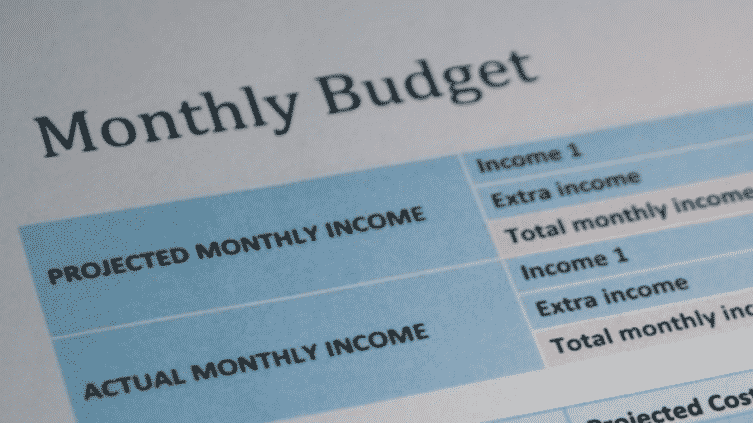
A budget is a crucial financial tool that can help you track your spending. You can easily go astray with your spending when you don’t have a guide to know how much money you have and how you are spending it. It’s important to set up a budget that is realistic to ensure it will work. List down exact figures on what you are spending on. Make sure to include every expense you make – bills, installment purchases, debt payments. Allow for some wiggle room for emergencies and entertainment, so that any unexpected expense won’t send your budget tumbling down. You should make a budget every month and make sure to account for new expenses so you don’t blow past your limit. Do what works for you – list your budget on paper the old-fashioned way, or create it on a spreadsheet or use a budgeting app like Mint or iExpenselt, the important thing is that you have a budget to help you track your spending.
Having credit card debt

Credit card debt has the biggest financial consequences and it’s a money mistake many Canadians have made at some point. Consider the high balances and high-interest charges you have to pay that could have been put to better use. If you’re not careful, it can drain your savings and get you into serious financial trouble. The excessive debt can cripple your household for years.
Make a commitment to yourself: If you can’t afford what you are putting on your credit card, do not make the purchase. Never pay much more than what you can afford, it needs to be within your means. Next, take the steps to correct this mistake right away and stop Using Your Credit Cards altogether. Pay up the balance you have now and stop adding to your balance. Start paying with cash so you don’t pay excessive interest and fees. It will be difficult at first, but spending with cash is absolutely necessary to help you be debt free. It’s also the best way to help you stay within your monthly budget because you become aware of what you spend and limit your spending quickly when you see that cash is low.
Not having an emergency fund

Another money mistake many of us make is not having an emergency fund. An emergency fund is ready cash which you can easily use in case of unexpected expenses. There are different definitions of what an emergency fund is. For some, it’s $1000 in a checking or savings account. For others, it’s a year’s worth of expenses invested. For most of us, it’s somewhere in between and having any emergency fund is better than none. It can be little expenses like minor car troubles or big expenses like a job loss or a debilitating illness, and this ready source of cash will help you be financially prepared when the need arises so you don’t have to be scrambling for funds. Determine how much you can set aside per month and start saving. Don’t worry whether the initial amount is sizable or not, you can always work your way to your desired amount. Any amount is better than not having any emergency fund at all.
You’re going to make some money mistakes over the years. If you’re aware of these mistakes, you can help yourself by taking steps to correct your mistakes and avoid them so you can plan for a better financial future.
What Debt Do You Pay First During a COVID-19 Financial Emergency?

The world has been brought almost to a stop as we focus on fighting the spread of the coronavirus. Throughout Canada, we see business after business shut down and hundreds of thousands of people laid off. Some closures may be temporary, for some it may be permanent as they may not be able to recover after the crisis has abated.
While these closures may be necessary to deal with the virus, there are significant financial consequences to individuals and families. For Canadians who are living paycheck to paycheck this means that even a temporary reduction is going to cause a lot of problems.
If you are facing unpaid bills during this uncertain time, what debt should you focus on? What bills do you choose to pay first? Here are a few things to consider:
- If you are working, continue paying your bills and debts on time. Avoid the deferral programs if you do not need the financial help now, just go on and keep making those payments. If nothing else, make sure to make at least your minimum payments to avoid late charges, penalties, and potential negative hits to your credit.
- If you have been laid off or expect to be out of work in the coming weeks, you may need to look at prioritizing payments.
FOCUS ON HIGH PRIORITIES
High priority debts are generally the bills where a service will be shut off or an asset is in danger of repossession.

Utilities
You need to pay your utility bills to keep the lights on, the water running, and the gas line open especially during the lockdown period and you have to stay at home. These bills are top priority so you can keep your home safe and healthy in these unreliable times.
If you receive your hydro bill, and fear you cannot make the payment for the coming months, you may be protected by the disconnection ban, at least until July 31.
In Ontario, the Ontario Energy Board (OEB) has implemented protective measures that prohibits all electricity distributors in the province from disconnecting power because of non-payment until July 31. There will also be a rollback on electricity rates as part of cost-saving measures in response to the coronavirus outbreak.
To find out if you are covered by the disconnection ban and the rollback on electricity rates, read the full details here.
Communication Bills
You may also want to prioritize your cell phone bill and internet bill especially in the lockdown period or if you are self-quarantining at home. These will be major channels for you to be able to access information about what’s happening globally and stay in touch with family and friends, so keep paying them to keep the lines open.
Rent

Your home has become your greatest protection against COVID-19. If you are one of the 33% of Canadian households who are renting their homes, understandably you will want to focus on paying your rent as high priority. If you’re struggling to make the rent owing to the impact of coronavirus, don’t panic. Several provinces, including Ontario, Nova Scotia and New Brunswick have already issued temporary bans on evictions. This means you won’t be kicked out for as long as the eviction ban is in effect, although your landlord may still issue a notice of late payment of rent and may file the applications when the court resumes.
If you think you can’t pay your rent this month, the best thing to do is to talk with your landlord. Offer to pay what you can, even if it’s only part of the rent. This will help ensure you are not too far behind when things return to normal.
If this crisis looks like it will last for months, and it may, contact us so we can look at your situation in total and perhaps help you deal with the rent arrears then.
If you are having issues with your landlord, please find more information and resources on our blog’s section for Housing Help.
Our general advice is if you don’t have enough money to pay all of the bills, focus first on paying your utilities and rent before paying the other bills such as credit cards, medical bills, or other unsecured debts. As soon as you can, contact your landlord and service providers and see what they can do to assist you.
SECURED CAR LOANS AND HOMES LOANS
If you are paying a debt that is secured by an asset like your home or your vehicle the debt is classified as a secured debt guaranteed by the asset. This means that there are real consequences for not paying these debts – you risk having your car repossessed if you can’t make car loan payments and you can risk losing your home for nonpayment of mortgages. Hence, these are important, but not very immediate needs, to focus on as well.
What to do If you are falling behind on car payments

According to Ontario law, if you have been behind on the payments of your car loan, the lender has the legal authority to repossess the vehicle, and sell it to recover the amount you owe them. After the car is sold, if the amount is not enough to cover your car lease you will still have to pay the balance, and the lender could sue you and potentially garnish your wages.
Under normal circumstances, most lenders will not repossess a car until it is delinquent which means no payments have been made for 60-90 days. You can also take comfort in the fact that banks and lenders do not want to repossess your car as it usually entails that they take a financial loss. The repossession of a car is literally taken as the last resort. Hopefully, this will give you time to catch up on any missed payments.
In light of COVID-19 many of Canada’s banks and lending institutions are much more sympathetic to clients whose finances have been impacted by the health crisis and most are providing a deferment of payment on car loans for up to six months. If you see yourself starting to miss payments on your car lease, the best thing to do is reach out to your bank or car lender so they can assess your situation and see how to best help you.
Remember that banks and car lenders greatly prefer to keep the contract going rather than repossess the vehicle or house. They will normally be very willing to work on arranging a payment schedule.
What to do If you are falling behind on mortgage payments

In Ontario, a mortgage lender has the right to take possession of your home using either the power of sale or through a foreclosure if you default on your housing loan.
The good news is Canada’s banks and lending institutions are postponing mortgage payments for up to 6 months for those affected by the current health crisis. This will give you much needed time to catch up on payments.
The most reliable information on your mortgage options can be found at the Government of Canada and CMHC websites.
Another thing to keep in mind, lenders generally never start taking action for a power of sale or foreclosure as soon as you miss a single payment. The process for both is expensive and time consuming. They would rather work out an alternate payment plan to bring your mortgage back into good standing. If you are not able to pay your mortgage, the best advice is to contact your lender directly. They’ll look at your options and come up with a plan that will work best for your financial situation.
It is important to keep secure loan payments current, whether that’s a home loan or a car lease or some other loan that is tied to a valuable asset. If you think you’ll be unable to make an upcoming payment on any of these loans, the first thing to do is to reach out to your lender before you miss the payment and find out about deferrals or partial payments that can buy you some time. The key is to keep the loan on track so you can keep your assets.
CREDIT CARD DEBTS, MEDICAL BILLS, AND OTHER UNSECURED DEBTS

We do not advise anyone to stop payments on their credit card or other unsecured debts. However, we would put them at or near the bottom of the priority list when you are facing a financial crisis, such as now. The only reason we assess it this way is because there is the least immediate consequence for missing a few payments. With COVID-19 they will likely be the most flexible creditors to deal with. However, don’t ignore them either. If you can’t make a debt payment you should let them know so they won’t think they’re being forgotten or ignored.
In any case, the reality is that you may probably rely on your credit card or lines of credit to meet your immediate needs for food and medication because of your cash flow situation, and so you will have to keep on making payments to keep the credit lines open.
The good news is most credit card lenders are also offering up to six-month deferrals on credit card payments. This will give you time to reach out to your credit card company and possibly negotiate a payment plan that is best for your situation.
If you are worried about the uncertainty of your household finances right now and are having trouble organizing what debt to pay first during this financial emergency, make some priorities:
- Focus on meeting your immediate needs for food and medication
- Give importance to high priority utility bills like hydro, gas, internet
- Pay what you can on your rent or mortgage and talk with your landlord or mortgage lender about deferrals or partial payments.
- Meet the minimum on credit card payments and be very careful about taking on new debt, and if you must, make sure to keep your expenses and balances as low as you can.

If you have a lot of debt and are worried about how your finances can cope in this global pandemic, the best thing you can do right now is to talk with a Licensed Insolvency Trustee. We encourage you to be proactive so you can keep the best options open as long as possible.
We at Richard Killen and Associates continue to be committed to providing you with the best guidance and advice as you battle through this COVID-19 financial emergency. Our phones, emails and video chats remain open, call us at 1-888-545-5365 for a free consultation now.
COVID-19 – Why We Need to Stay Home

No one is immune to COVID-19. No matter how young you are. People of all ages can be infected by the new coronavirus. Older people, in particular and people with pre-existing medical conditions, such as asthma, diabetes, heart disease, kidney disease can become severely ill with the virus.
We’re in the middle of the pandemic. This is a new virus and we don’t really know yet how to deal with it. This is why it’s difficult to contain. It’s going to take some time for our bodies to know how to fight this virus. It’s going to take some time for our doctors to understand it and find the best ways to protect us.
The good news is we have dealt with viruses before – ebola, rabies, herpes, smallpox, dengue, influenza and the two prior novel coronavirus outbreaks SARS and MERS.
New viruses emerge all the time, the coronavirus is not the first and won’t be the last. We’ve learned how to deal with viruses in the past, and in time we’re going to win this one as well.
But, we’re going to need some time. How much time, no one knows for sure yet. But, we can make that time come quickly. How?
By social distancing – it means:
- Staying 6 feet away from other people if you must go out in public
- Not gathering in groups
- Staying home and limiting going outdoors
- Work from home, if possible
- Avoiding travel
- Isolating or sheltering in a place if government officials tell you to
Social distancing measures can slow the spread of COVID-19.
There’s evidence that it’s working – Find out here and here.
Social distancing will literally buy us the time we badly need:
- To help struggling health workers care for the hundreds and thousands sick,
- To understand how the virus works and find new treatments.
People can have COVID-19 and have very mild symptoms or no symptoms at all. So even if you think you are healthy don’t take any chances, it’s not worth it. Anytime you go to someplace with a lot of people, there’s more potential for exposure to the disease. And when you have it, everytime you pass this virus to someone else, it can pass to 3 or more people and during that time they can spread the virus to others as well. Before long a few people can turn into hundreds and then thousands and that’s how this whole situation blew up into the global health crisis it is now.
If you are young and healthy you might think this is no big deal because you’ve been told that this virus is nothing more than a bad cold to you. Not true at all! Almost 40% of people hospitalized are below 55, and for people older and have pre-existing conditions this is a lot more serious for them.
Social distancing isn’t just for you. It crucially protects people who are at risk from the disease.
You can literally save a life just by staying at home and staying away from each other.
You can just sit on the couch, watch TV or stare at your phone or tablet all day and save a life at the same time.
Now is the best time to work at home, sleep for hours, communicate on social media – use your phone and stay connected with family and friends.
Each one of us has a huge role to play in how the coronavirus outbreak plays out. You can potentially make it so much worse, or you can help make it better – if you’re willing to stay home.
All we’re being asked to do is stay at home and not go out. That’s not too much to ask.
We can all do this together. Let’s each do our part. Respect the advice of public health to keep us all safe. Practice social distancing. Stay at home, stay safe, stay healthy. If we get it right, then we’ll be able to move past this in less than no time.
Help for Individuals during the COVID-19 Pandemic

The recent COVID-19 business closures have made it a lot more financially difficult. If your debt payments become unmanageable give us a call. We have also included some short relief options in the article below from the Toronto & York Region Labour Council. Stay Safe!
Compiled by Labour Community Services and the Toronto & York Region Labour Council
Last updated March 30, 2020
Since COVID-19 has been declared a global pandemic, our society has changed rapidly as we respond to the health and economic crisis. Many levels of government have declared states of emergency, and drastic changes will impact every household.
Most information services are being overwhelmed with the volume of inquiries and applications – so please be patient with service workers who are working hard to focus on those most in need.
We hope this document can be a resource for you to find the help you need to sustain yourself and your family in good health and shelter. Most importantly, make sure you are safe at work. If you have any doubt about your personal safety, speak to your union.
On this page:
- Employment Insurance and other Work Benefits
- Health and Medical Resources
- Access to other Government-Supported Financial Assistance
- Housing Help
- Debt Assistance
- Community Resources
Employment Insurance and other Work BenefitsEmployment Insurance sickness benefits have always been available to people in quarantine as well as to those who are actually sick. With a massive increase in applications, there will be unavoidable delays in processing benefits. There are two main changes for workers who are quarantined or sick due to COVID-19:
- Applicants will not have to get a doctor’s note in order to apply for sick benefits.
- The normal 1-week EI waiting period is waived, so benefits start right away after someone stops working. There is a special toll-free number to call to ask for this:
Toll-free: 1-833-381-2725
Teletypewriter (TTY): 1-800-529-3742
Priority will go to processing claims from workers who are quarantined, and claims can be backdated if someone could not apply right away because of being quarantined.
Who is eligible for EI?
In order to be eligible for EI you need to have been paying into it. You also must have worked a certain number of hours in the previous year, depending on where you live. In Toronto, you are required to have 600 hours for EI sickness benefits and 700 hours for regular benefits. Note: if you have employer-paid sick benefits, you are required to use these first.
How to Apply for EI
We are in the process of developing “how-to” resources for EI applications. In the meantime, Settlement.org has put out a useful guide.
Also see this video produced by Public Legal Information, a Toronto-area legal clinic, summarizing the EI sick benefits, recent changes, and ways to apply:
Get assistance in your application through the City of Toronto’s Employment and Social Services.
Call 3-1-1 and ask for assistance. Help is available in more than 180 languages.
The Canada Emergency Response Benefit is a new measure introduced by the Federal government to cover workers who are sick, quarantined or laid off and who are not eligible for EI. This benefit will be available starting in April and will provide $2,000 per month for up to four months. To apply for the Benefit, Canadians will be able to access it through their CRA MyAccount secure portal beginning in early April.
More information on the Canada Emergency Response Benefit
Access CRA’s My Account for Individuals
*Note 1: More application details will be available in April as the government puts this new policy into operation.
*Note 2: The CERB was originally announced as two separate benefits, the Emergency Care Benefit and the Emergency Support Benefit. They have been combined into one benefit.
Health and Medical ResourcesCOVID-19 Specific: Stay informed and follow the advice of our public health experts. Access the most up-to-date information through the following links:
York.ca/covid19
Find a COVID-19 Assessment Centre: an interactive map of all assessment centres that indicates location, time, and advance appointment requirements.
Telehealth Ontario: Get fast, free medical advice through Telehealth Ontario on all subjects relating to health. Please note that wait times are long.
Toll-free: 1-866-797-0000
Toll-free TTY: 1-866-797-0007
Mental Health Supports: As social (physical) distancing may continue for a long time, CAMH has posted some strategies on psychological coping with COVID-19.
Access Other Government-Supported Financial AssistanceIncome Tax relief: The federal government has extended its tax filing deadline to June 1 and the tax payment deadline to September 1 in an effort to keep funds in the economy.
A GST credit of up to $400 for singles and $600 for couples who are in low- to moderate-income brackets will be automatically available upon tax filing, but note that you will need to have filed your 2019 taxes to qualify despite the extended deadline.
Canada Child Benefit: Families that receive the Canada Child Benefit will receive a top-up of $300 more per child. This benefit will be automatically added to your May payment if you are already in receipt of CCB.
For more information on the Canada Child Benefit such as how to apply and eligibility requirements, go to Canada child benefit or call 1-800-387-1193.
Help with cost of schooling from home: The Government of Ontario announced a one-time payment of $200 per child up to 12 years of age, and $250 for those with special needs, including children enrolled in private schools to help families pay for the extra costs associated with school and daycare closures. Please note that further details on the distribution of this money is not yet available.
Read Ontario Government media release
GAINS Top-up: On March 25, the Ontario government announced a temporary top-up to payments made through the Ontario Guaranteed Annual Income System (GAINS). Beginning in April 2020, monthly GAINS payment amounts will be doubled for a period of six months. This action will provide additional and immediate financial support to low-income Ontario seniors who may need more help to cover essential expenses during the coronavirus (COVID-19) outbreak.
Relief on Property Tax and other City of Toronto bills: A 60-day grace period is in effect for City of Toronto property tax, water and solid waste utility bill payments for all residents and businesses, for bills dated as of March 16. Late payment penalties for residential and business properties will be waived for 60 days, starting the same day.
The City said property tax accounts will be adjusted as necessary to reflect these relief measures.
More information via City of Toronto (see “extended grace periods”)
Property Tax and Utility Relief for other GTA Municipalities: Please refer to your specific municipality to see what resources have been put in place.
Whitchurch-Stouffville
Hydro Bill relief:
The Province of Ontario has temporarily suspended Time-of-Use rates so that they are now fixed at the lowest rate (known as the off-peak price) 24 hours a day for 45 days beginning on March 25, 2020. The Province has also expanded access to existing cost relief programs and eligibility for the Low-income Energy Assistance Program (LEAP).
Read Ontario Government media release
Toronto Hydro has programs in place to assist customers facing financial hardship. They will assist customers on a case-by-case basis with their bill payments.
More information from Toronto Hydro
The Ontario Energy Board (OEB) is extending the wintertime ban on electricity disconnections for non-payment for all residential customers to July 31, 2020. Low-volume, small business customers will now also be protected by the ban. In addition, the OEB is calling on distributors to be more flexible on arrears payment arrangements.
Licences and renewals: As part of the province’s enhanced measures, the Provincial government is extending the validity period of driving products, services and health cards. These new regulations include extensions for driver licences, licence plate validation, Ontario Photo Cards, and Commercial Vehicle Operator Registration certificates, among others. Expiring and expired health cards will continue to provide access to health services.
Media release from Ontario Government
Housing HelpEvictions: The Province of Ontario has declared a halt to new evictions and to enforcement of standing eviction orders.
More information via Steps to Justice
Chief Justice Court Order Suspending Evictions
Tenant Issues: The Federation of Metro Tenants’ Associations (FMTA) is an excellent source of help and advice on all tenant issues. Check the website for answers to your questions before calling. While FMTA has closed their office, you can still call the hotline and leave a message to get a call-back.
416-921-9494
Debt AssistanceMortgage Deferral: All six major banks have committed to working with individuals on a case-by-case basis to make deferred mortgage payments possible, for a single month or for up to six months.
For more information, contact your mortgage broker directly.
Student Loans: The Government of Canada has announced its plan to pause the repayment of Canada Student Loans and Canada Apprentice Loans until September 30, 2020, with no accrual of interest. These measures are effective March 30 2020. You do not have to do anything, as all pre-authorized debits will be stopped and other forms of payment will not be required.
Students who are currently studying can continue to apply for Canada Student Loans. There will be no change to the application process. If a borrower wishes to apply for student financial assistance during the pause, they should apply through their Province or Territory of residence.
Ontario portion of student loans: the Province is providing six months of Ontario Student Assistance Program (OSAP) loan and interest accrual relief for students.
Please note that for provincially-funded student loans from provinces other than Ontario you will need to check with the respective government to find out if similar measures are in place.
More information: Visit the National Student Loans Service Centre or Ontario Student Assistance Program webpages.
Contact your bank and creditors: If you feel you will be unable to stay current with your payments due to COVID-19, contact your bank and creditors immediately and let them know. Many creditors and banks are setting up measures to make sure anyone impacted by this disease doesn’t fall through the cracks.
Community Resources211 ONTARIO: A toll-free information line that can direct callers to resources for topics including abuse, homelessness and housing, emergency and crisis, mental health and addictions, family services, food, Indigenous services, disabilities, seniors, and more. Assistance is available in over 100 languages.
Dial 2-1-1 or visit 211ontario.ca
Legal Assistance: Community Legal Education Ontario is working to give practical answers to the important questions that people are asking about the law relating to the COVID-19 situation. They are also sharing updates about changes to government programs and court services. CLEO has a lot of information on many current issues including the following and more
Food Access: View this helpful list of available food banks and other food resources, compiled by Toronto Neighbourhood office
List of food banks
Contact Richard Killen
FREE No Commitment Consultation
Contact us now for a fresh start!
“Serving Toronto & the GTA for over 25 years.”




Recent Blog Posts
- Debt Settlement vs. Licensed Insolvency Trustees: Understanding the Costs and Risks
- What Happens If a Collection Agency Is Calling You in Ontario? What They Can & Cannot Do—and How to Stop the Calls
- Can I Keep My Car During a Consumer Proposal or Bankruptcy in Ontario? An LIT Explains
- Will a Consumer Proposal Hurt My Mortgage Renewal in Ontario?
- Why More Canadians Are Choosing Consumer Proposals for Debt Relief and Financial Recovery