


CRA Taking Tax Refund? How an LIT Can Help
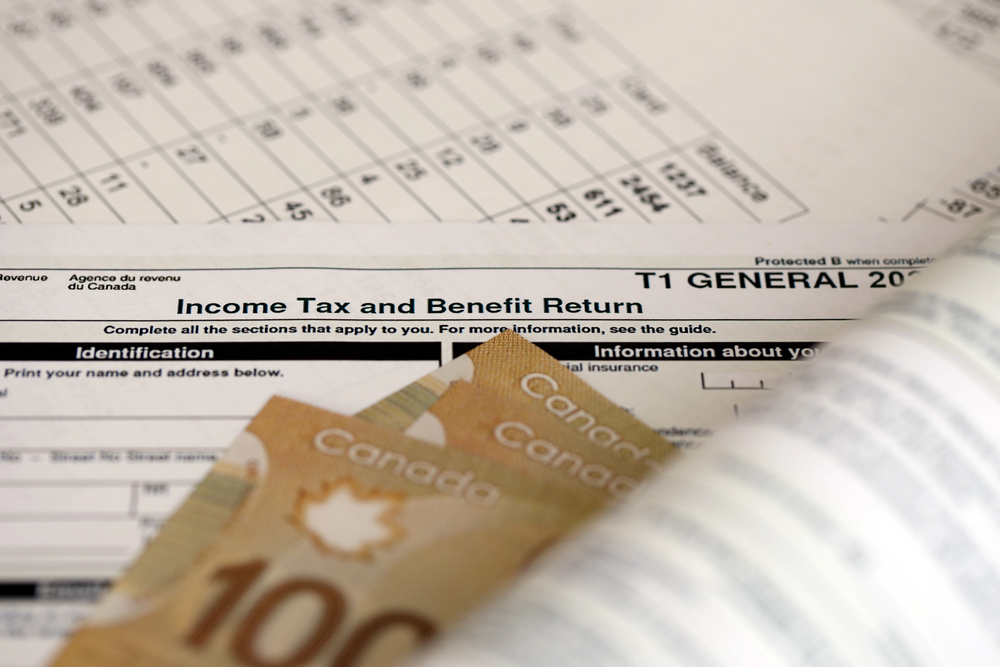
Waiting for a refund only to have your tax refund seized by CRA can be stressful and overwhelming. Every year, many Canadians face this situation because of unpaid tax obligations, government overpayments, or other federal debts.
When your refund is applied to an outstanding balance by the Canada Revenue Agency (CRA), it can feel sudden and out of your control. The good news is that there are legal solutions available — and our team of Licensed Insolvency Trustees (LITs) can help stop future garnishments and protect your finances.
Why the CRA May Take Your Tax Refund
The Canada Revenue Agency has broad authority to collect unpaid tax balances. If you owe:
- Income taxes from previous years
- GST/HST
- Overpaid benefits such as CERB
- Payroll or business taxes
- Other federal obligations
…the CRA can apply your refund directly to those amounts. This is called a tax refund offset, a legal tool the federal tax authority uses to recover owed funds quickly.
Unlike private creditors, the CRA does not need court approval before taking this step. That means your refund may be seized automatically if a balance exists — often without prior notice.
Understanding a CRA Tax Refund Offset
A tax refund seized by CRA occurs when the agency applies your expected payment to an outstanding balance. This can include:
- Past-due taxes
- Accrued interest and penalties
- Overpaid government benefits
- Other federal debts
In addition to refund offsets, the CRA can also:
- Garnish wages
- Freeze bank accounts
- Place liens on property
Because of these powers, it’s important to act quickly if your refund has been seized. Prompt action can help prevent further collection steps.
How You Can Stop the CRA From Taking Your Refund
If you’re wondering, “How can I prevent the CRA from taking my tax refund?”, there are several options to consider:
Negotiate a Payment Arrangement
You can reach out to the CRA to set up a payment plan. While this can help manage immediate obligations, it has some limitations:
- Interest continues to accrue on the unpaid balance
- Future refunds may still be applied to the debt
- Missing a payment may void the arrangement
This approach is often a short-term solution rather than a permanent fix.
File a Consumer Proposal
A consumer proposal is a formal, legally binding debt settlement filed through a Licensed Insolvency Trustee.
Once filed, a consumer proposal triggers a stay of proceedings, which can immediately stop:
- Wage garnishments
- Bank account freezes
- Collection calls
- Future refund offsets
If filed before the CRA distributes your refund, a proposal may prevent it from being seized. This is one of the most effective ways to halt collection activity while reducing your overall debt.
Consider Bankruptcy
Filing for personal bankruptcy also creates a legal stay of proceedings, stopping CRA enforcement. Bankruptcy may be appropriate if:
- Your debts exceed what can reasonably be settled in a proposal
- Your income is insufficient to cover repayment plans
- Multiple enforcement actions are ongoing
Our Licensed Insolvency Trustees can assess your situation and recommend the solution that best fits your needs.
Can You Get a Tax Refund Back After It’s Been Taken?
Many clients ask if it’s possible to recover a refund once it has been applied to their tax balance.
In most cases, once the CRA applies your refund, it cannot be reversed. Exceptions may occur if:
- Insolvency proceedings were filed before the refund was processed
- Accounting errors exist
- The balance is disputed
The key takeaway is to seek professional advice as early as possible. Acting quickly increases your options and control.
Can a Consumer Proposal Stop the CRA From Seizing Your Refund?
Yes. Filing a consumer proposal through a Licensed Insolvency Trustee requires the CRA to halt all collection activity, including:
- Wage garnishments
- Bank account freezes
- Refund offsets
Federal law protects your rights during insolvency proceedings, and the CRA must comply. Working with a Licensed Insolvency Trustee ensures you have the legal authority to stop collection actions while exploring repayment solutions.
What Should You Do Next?
If your tax refund has been seized by CRA, don’t wait or ignore the situation. Early action can prevent additional garnishments and further financial stress.
Ask yourself:
- Do I owe more than I can realistically repay?
- Are garnishments beginning or likely to start soon?
- Have multiple refunds already been seized?
- Am I falling further behind each year?
If you answered yes to any of these questions, it may be time to consider formal debt relief options. Acting promptly gives you greater control and access to solutions that can stop collection activity and protect future refunds.
How Our Licensed Insolvency Trustees Can Legally Stop CRA Garnishment
In Canada, only a Licensed Insolvency Trustee has the legal authority to formally stop CRA collection actions. This includes filing:
- Consumer proposals to restructure and reduce your debt
- Personal bankruptcy if a proposal is not suitable
As federally regulated professionals, our trustees are licensed to provide guidance and enforce solutions under Canadian insolvency law.
When you meet with our team, we will:
- Assess your full financial situation, including all debts and obligations
- Verify exactly what you owe to the CRA
- Explain your legal rights and protections
- Recommend whether a consumer proposal or bankruptcy is the most effective solution
- Prepare and file all necessary documents to halt enforcement actions
Unlike credit counselors or debt consultants, our Licensed Insolvency Trustees can legally stop garnishments, bank account freezes, and other CRA collection measures. If your refund has already been seized, we can also advise on how to protect future refunds and minimize further financial impact.
Serving Clients Across the Greater Toronto Area
AtRichard Killen & Associates, we help clients throughout the Greater Toronto Area manage CRA tax debt and regain financial stability. Our team of Licensed Insolvency Trustees has the expertise to stop garnishments, refund offsets, and other collection actions.
We serve residents in Toronto, Mississauga, Brampton, Pickering, and surrounding communities including Scarborough, North York, Georgetown, and Cooksville. Whether you prefer an in-person consultation at one of our conveniently located offices or a confidential virtual meeting, we make it easy to understand your options and take action.
Working with our firm means partnering with a team that understands federal collection processes, knows the options available under Canadian insolvency law, and will guide you through every step with professionalism and care.
Book Your Free Confidential Consultation
At Richard Killen & Associates, we provide free, confidential consultations to review your CRA debt, explain your legal options, and determine whether a consumer proposal or bankruptcy is the right solution for your situation.
There is no cost, no obligation, and no judgment — just clear guidance from professionals who know how to stop garnishments, protect future refunds, and help you regain control of your finances.
Schedule your consultation today and take the first step toward resolving your CRA tax issues with confidence.
Should You File Taxes If You Can’t Pay? Tips from a Trustee

If you’re struggling to pay your income taxes, you might be wondering whether you should file taxes if you can’t pay. This is a common dilemma for individuals and families across the Greater Toronto Area who are facing financial difficulties, unpaid amounts owed to the government, or mounting arrears. Ignoring the issue can lead to penalties, interest, and more complicated financial challenges, which is why understanding your options and seeking professional guidance is critical.
How To File Taxes If You Owe CRA
When you owe amounts to the federal revenue authority but cannot cover the full balance, it’s important to understand the steps you can take:
- File on time anyway.
- Even if you can’t settle the amount owed, submitting your tax return prevents additional late filing penalties.
- Explore government payment plans – Arrangements allow you to pay what you owe gradually over time, easing immediate financial strain.
- Document your situation – Keep records of your income, expenses, and any unexpected financial challenges that contributed to your inability to pay.
Taking proactive steps can minimize the risk of enforcement actions and maintain compliance with tax regulations.
What Happens If You File Taxes But Can’t Pay
Filing your returns even when funds are insufficient is generally safer than avoiding submission entirely. Here’s what can happen:
- Late payment interest will accrue on the outstanding balance.
- Penalties for non-payment may apply, but they are often less severe than failing to file.
- You may be eligible for tax relief options such as payment arrangements or debt forgiveness programs.
Remember, voluntarily filing demonstrates good faith and keeps you in compliance, which is critical if you later work with an insolvency professional or explore structured debt relief programs.
Understanding Your Obligations When You Can’t Pay
If you are unable to pay taxes in Canada, it’s crucial to recognize that ignoring the responsibility can escalate financial problems. The federal revenue department offers programs designed to help taxpayers manage arrears responsibly, but they expect returns to be filed. Some of the key considerations include:
- Interest accrual: Any unpaid balances will accumulate interest daily.
- Government enforcement: Unresolved amounts could lead to wage garnishments or asset seizure.
- Penalties for late filing: While paying late carries separate consequences, missing the filing deadline can trigger additional fines.
Options for Managing Tax Arrears
Even if immediate payment isn’t possible, there are several avenues to manage the amounts owed:
- CRA payment plan Canada – Allows you to break down large balances into manageable monthly installments.
- Professional guidance – Working with a local insolvency professional ensures you select the most suitable solution.
- Debt relief programs – Depending on your income and assets, you may qualify for relief programs to reduce total owed amounts.
Each of these options allows taxpayers to stay compliant while gradually resolving obligations without further aggravating financial stress.
Practical Tips for Filing When You Can’t Pay
If you are facing the dilemma of filing without funds available, consider these practical steps:
- Submit your return on time – Filing late can lead to compounded penalties.
- Calculate what you can pay now – Even partial payments reduce accrued interest.
- Set up communication with authorities – Proactive contact demonstrates good faith and opens opportunities for payment arrangements.
- Keep organized documentation – Receipts, notices, and statements will help professionals and authorities understand your situation.
Licensed Insolvency Trustee Help for Unpaid Taxes in the GTA
An Insolvency Trustee GTA plays a critical role in helping individuals and families navigate financial challenges, especially when they owe amounts to the federal revenue authority and cannot pay in full. Consulting a Licensed Insolvency Trustee (LIT) early can make a significant difference in protecting your finances and exploring the right options for relief.
Here’s how an expert can help:
- Assess your overall financial situation: A trustee reviews your assets, liabilities, and cash flow to identify the best path forward.
- Provide tailored advice: Whether it’s a consumer proposal, structured repayment plan, or other strategies, a LIT ensures your solution fits your circumstances.
- Guide you through CRA debt options: Licensed trustees are familiar with federal revenue programs and can advise on CRA tax debt solutions available to you.
- Local accessibility: Finding a Licensed Insolvency Trustee near you in the GTA ensures timely, face-to-face consultations and personalized guidance for your neighborhood or city.
Early consultation can prevent small financial challenges from escalating into larger problems. A Licensed Insolvency Trustee acts as a trusted advisor, helping you understand your rights, your obligations, and the strategies available to regain control over your finances.
Protecting Your Finances and Compliance
Dealing with unpaid amounts doesn’t have to feel overwhelming. Filing on time, exploring payment plans, and consulting with a professional can prevent escalation of financial obligations. Remember:
- Filing returns even if you can’t pay protects you from severe penalties.
- Federal authorities provide several avenues to manage CRA tax debt and other arrears.
- Expert guidance from a Licensed Insolvency Trustee ensures you explore every possible option for relief and long-term stability.
In conclusion, if you’re unsure whether to submit your return under financial strain, it is almost always advisable to file taxes if you can’t pay to maintain compliance and open the door to professional support.
Get Help Before Your Tax Debt Grows
Don’t wait until penalties and interest make your situation worse. Speak with a Licensed Insolvency Trustee today to explore your options for managing unpaid taxes and avoiding further financial strain. Our experts can guide you through CRA debt solutions, payment plans, and relief programs tailored to your situation.
Contact us now for a confidential consultation and take the first step toward financial relief.
Holiday Loans Ontario: Are They Ever a Good Idea?

The Christmas season often brings joy, connection, and—for many in Ontario—a surge in spending. That’s why holiday loans Ontario are increasingly marketed as a quick fix for festive financial stress. But are they truly the best way to borrow money for holidays?
Let’s explore when holiday loans might make sense, how they compare to other seasonal borrowing options, and what to consider before taking on end-of-year debt.
Understanding Holiday Loans and Their Risks
A holiday loan is a short-term personal financing option designed to cover seasonal expenses like gifts, travel, food, and décor. These offers are:
- Offered by banks, credit unions, or online lenders
- Unsecured, meaning no collateral is required
- Structured with fixed interest rates and monthly payments
- Promoted as personal loans for Christmas or year-end celebrations
While this type of borrowing can help spread out seasonal costs, it’s still debt—and should be approached with caution. Even when marketed with tempting phrases like “low interest” or “easy approval,” these financial products can carry hidden risks. Compared to other borrowing tools, holiday-specific credit often comes with stricter terms, higher rates, or limited flexibility. Without a clear repayment plan, festive spending can quickly turn into long-term financial strain.
When Might a Holiday Loan Be a Good Idea?
While not ideal for everyone, seasonal borrowing could work in a few specific cases:
- You have no other affordable options, and the expense is truly unavoidable—such as emergency travel to see a sick relative.
- You qualify for a low-interest personal loan but don’t have access to a line of credit.
- You’ve built a clear, realistic repayment plan and accounted for the loan in your monthly budget.
- You’re consolidating other high-interest debts into a lower-interest holiday loan to simplify payments and reduce costs.
But in most cases, taking on debt for non-essential Christmas spending isn’t worth the long-term impact. While borrowing for investments or emergencies can offer long-term value, seasonal spending typically does not. That’s why it’s so important to assess all borrowing options carefully—and choose the one that truly supports your financial well-being.
Should I Take a Loan for Christmas?
It’s tempting to take out a loan to make the festive season magical—but ask yourself: Should I get a holiday loan? Should you borrow for the holidays at all, or would smarter budgeting do the trick?
Using credit for non-essential spending—like gifts, decor, or travel—is rarely a sound financial move. Unlike borrowing for a car, education, or home improvements (where the expense may increase in value or support long-term wellbeing), holiday costs are typically short-lived.
Borrowing for seasonal expenses can be risky, especially if:
- You’re using credit to fund non-essential purchases
- Interest rates are high or repayment terms are unclear
- You’re already carrying debt and adding more without a plan
- You’re influenced by urgency, emotion, or social pressure
Before signing anything, consider whether borrowing aligns with your long-term financial goals. Reflect on your financial habits and priorities before deciding which tool makes the most sense for you.
In many cases, a well-planned budget can eliminate the need for credit altogether. Free tools, mobile apps, and even old-school envelope systems can help you allocate funds in advance—avoiding debt entirely.
That said, if you’re considering borrowing to manage cash flow or spread costs over time, it’s essential to understand the type of credit you’re using and how it compares to other options.
Comparing Holiday Loans to Other Borrowing Options in Ontario
Holiday loans offer structure and predictability, but they’re not the only way to manage seasonal spending. Let’s explore how holiday loans stack up against other common borrowing tools—and when each might be the better fit.
Credit Card vs Holiday Loan
Credit cards offer flexibility and are widely accepted. If you pay off your balance in full, you avoid interest. But if you carry a balance, rates in Ontario often reach 19–22%.
Holiday loans, by contrast, offer fixed payments and a defined end date—making them easier to budget for.
- Credit cards may be better for: Small purchases you can repay quickly
- Holiday loans may be better for: Larger seasonal expenses with a structured repayment plan
Line of Credit for Festive Spending
A line of credit (LOC) provides access to funds with lower interest rates—typically 6–10%. You only pay interest on what you use, and the credit revolves.
LOCs are great for flexible spending, but they require discipline. Holiday loans offer more structure, which can help avoid overspending.
- LOCs may be better for: Ongoing or unexpected costs
- Holiday loans may be better for: One-time holiday budgets with fixed terms
Buy Now Pay Later for Gift Shopping
BNPL services like Affirm, PayBright and Afterpay let you split purchases into short-term installments—often interest-free if paid on time.
They’re ideal for small gifts or decor, but juggling multiple BNPL plans can get confusing. Holiday loans consolidate expenses into one predictable payment.
- BNPL may be better for: Individual purchases with short-term repayment
- Holiday loans may be better for: Managing multiple expenses in one plan
BNPL vs Personal Loan Canada
While BNPL is convenient, personal loans offer more flexibility for larger expenses. In Canada, personal loans often come with lower interest rates and longer repayment terms.
Holiday loans fall under this category but are marketed with seasonal urgency. Compare offers carefully to avoid rushed decisions.
- BNPL may be better for: Small, short-term purchases if you can manage payments.
- Personal loans may be better for: Bigger seasonal expenses since they offer a clear payment plan and usually lower interest over time.
Holiday Budgeting Tips Ontario
Before borrowing, explore strategies that help you enjoy the season without overspending. These tips reduce stress, increase control, and make the festive celebrations more meaningful:
- Set a spending cap: Decide how much you can afford before shopping
- Create a gift list: Limit the number of people you buy for
- Use loyalty points or cashback: Redeem rewards from grocery stores, credit cards, or pharmacy programs to stretch your budget.
- Shop early: Planning ahead lets you catch sales, avoid delays, and spread expenses over time.
- Get creative with gifts: Homemade treats or shared experiences can be more memorable—and affordable—than store-bought items.
- Boost your budget: Seasonal work, freelance gigs, or selling unused items online can help cover holiday costs.
The goal isn’t to cut joy—it’s to cut stress. A thoughtful budget helps you celebrate with intention, not regret.
Holiday Debt Repayment Tips
If you borrow—via a holiday loan, credit card, or BNPL plan—have a clear repayment strategy:
- Automate payments to avoid missed due dates and late fees.
- Pay more than the minimum to reduce interest and repay faster.
- Track spending with apps or spreadsheets to stay on top of balances.
- Review your budget monthly to reflect changes in income or priorities.
- Consider consolidation if juggling multiple high-interest debts.
Repaying debt from seasonal expenses isn’t just about numbers—it’s about peace of mind. With a clear plan, you can start the new year feeling empowered.
Final Thoughts
The festive season should be about connection—not consumption. Borrowing can be a helpful tool, but it shouldn’t become a trap. Before borrowing, weigh all your options, understand the costs, and ask yourself: is the short-term gain worth the long-term pain?
Whether you choose a personal loan, line of credit, or BNPL, responsible use and a solid plan can prevent regret. Ultimately, the best way to finance holiday spending is with money you already have—and if you must take on debt, make sure you don’t let it carry over into next year’s celebrations.
So, are holiday loans Ontario a good idea? Only if they’re handled with care, caution, and a clear path to repayment.
Worried About Holiday Debt?
If you’re feeling overwhelmed or unsure which borrowing option fits your situation, a Licensed Insolvency Trustee (LIT) can help. These federally regulated professionals offer free, confidential advice on debt relief, budgeting, and solutions you may not even know exist.
Don’t wait until the new year to take control. Book a free consultation with a Licensed Insolvency Trustee near you—and take the first step toward a stress-free start to the year.
Money Mistakes Young Canadians Make in Their 20s

Financial independence in one’s 20s often comes with limited experience and minimal formal education in personal finance. For many young adults in Canada, this period marks the beginning of financial decision-making—yet it is also when some of the most costly money mistakes occur.
According to Statistics Canada, Canada now has the highest household debt-to-disposable income ratio in the G7, sitting at 185%, compared to the G7 average of 125%. This debt burden is especially pronounced among younger Canadians, who are increasingly turning away from homeownership due to rising mortgage costs, unaffordable rent, and sustained inflation in essentials like food and transportation.
Meanwhile, a 2025 national survey revealed that 41% of Canadians aged 30–44 say financial mistakes have delayed key milestones, such as paying off debt or making major purchases. Nearly 46.4% struggle to build savings, and 42% of young Canadians turn to loved ones for financial support after making money mistakes. On top of that, Gen Z is now the most targeted demographic for financial fraud, with 45% reporting scam attempts in 2024, yet 51% say they wouldn’t talk about it with family, increasing their vulnerability.
From credit card debt to lifestyle inflation, the most common money mistakes in your 20s aren’t just about numbers—they’re about habits, blind spots, and missed opportunities. The good news? These missteps are fixable. With a little guidance and a lot of intention, you can rewrite your financial story before it’s too late.
Why Financial Planning Isn’t Second Nature
Financial planning is not a standard part of the Canadian school curriculum. While students graduate with knowledge of literature, mathematics, and science, few leave with practical skills in budgeting, credit management, or tax filing. This lack of formal education leaves many young adults unprepared to make informed financial decisions, increasing their vulnerability to costly financial mistakes early in life.
Even well-intentioned choices—such as taking out student loans, signing rental agreements, or applying for credit cards—can have long-term consequences if made without a clear understanding of personal finance. Compounding the issue is the fact that financial topics are often considered private or uncomfortable to discuss within families. As a result, many young Canadians learn through trial and error, often after experiencing setbacks.
Improving financial literacy requires proactive engagement. Free resources such as the Financial Consumer Agency of Canada, nonprofit organizations, and reputable personal finance educators offer accessible tools and guidance. By seeking out this information early, individuals can build confidence and competence in managing their finances and avoid common money mistakes that hinder long-term stability.
The Most Common Money Mistakes in Your 20s
- Living Without a Budget
Many young adults rely on mental math or bank app balances to gauge spending, which often leads to overspending and surprise overdrafts. Without a clear plan, it’s easy to lose track of where your money is going.
How to Fix it: Use budgeting tools like Mint, YNAB, or even a simple spreadsheet. Allocate funds for essentials, savings, and discretionary spending. Budgeting isn’t restrictive—it’s empowering. - Misusing Credit Cards
Credit cards can be a helpful tool for building credit, but they’re also a trap if misused. Racking up debt for lifestyle purchases or only paying the minimum balance leads to high interest and long-term financial strain.
How to Fix it: Treat your credit card like a debit card. Only charge what you can pay off in full each month. If you’re already in debt, prioritize high-interest balances and consider a balance transfer or debt consolidation. - Ignoring Retirement Savings
Retirement feels light-years away in your 20s, but delaying savings is a costly mistake. Thanks to compound interest, even small contributions now can grow exponentially over time.
How to Fix it: Open a TFSA or RRSP and automate monthly contributions—even $50/month makes a difference. Take advantage of employer-matching programs if available. - Spending More Than You Earn
This is the cardinal sin of Canadian personal finance. It’s tempting to keep up with friends who are always eating out, traveling, or upgrading to the latest tech. But living a lifestyle that exceeds your income is a guaranteed way to stay broke. Delayed gratification is tough, but essential.There is no law against being young and inexperienced. It happens to all of us. However, there is one old adage which explains the fundamentals of solvency: ‘Spend less than you bring in.’ If you don’t, whether through sheer necessity, ignorance or just lack of prudent spending habits (such as delaying gratification) you will eventually have to see an Insolvency Trustee someday. Whether it’s lifestyle inflation, peer pressure, or poor planning, spending beyond your means leads to debt and financial instability.
How to Fix it: Track your income and expenses. If your spending exceeds your income, cut back on non-essentials, negotiate bills, or find ways to increase earnings through side gigs or freelance work. - Not Building an Emergency Fund
Life is unpredictable. Car repairs, job loss, or medical expenses can derail your finances if you’re unprepared. Many young adults skip this step, assuming they’ll “figure it out” when the time comes.
How to Fix it: Aim to save 3–6 months’ worth of expenses in a high-interest savings account. Start small—$500 is better than nothing—and build gradually. - Overcommitting to Housing Costs
Buying or renting beyond your means is a common trap. Whether it’s the allure of a trendy condo or pressure to “invest” early, housing costs can eat up a disproportionate chunk of your income.
How to Fix it: Follow the 30% rule—your housing costs should not exceed 30% of your gross income. Consider roommates, smaller spaces, or living slightly outside major urban centres to save.
How to Avoid Financial Mistakes When You’re Young
Avoiding money mistakes in your 20s isn’t about perfection—it’s about awareness and intention. Here are some proactive strategies to help you stay ahead:
- Educate Yourself – Read Canadian personal finance blogs, listen to podcasts, and follow experts like Preet Banerjee or Melissa Leong who are well-known and respected personal finance educators in Canada.
- Automate Everything: – Set up automatic transfers for savings, bill payments, and investments. This reduces the chance of missed payments and builds consistency.
- Track Your Net Worth – Use tools like Wealthica or a simple spreadsheet to monitor your assets and liabilities. Watching your net worth grow is motivating.
- Practice Delayed Gratification – Resist impulse purchases. Give yourself a 48-hour cooling-off period before buying non-essentials.
- Ask for Help – Don’t be afraid to consult with financial advisors or use free nonprofit services for personalized support.
Money Tips for Young Adults in Canada
Building financial resilience means more than just saving money—it’s about developing habits, knowledge, and confidence that help you weather life’s ups and downs. Whether you’re navigating student loans, managing your first paycheck, or planning for long-term goals, these practical tips can help you take control of your financial future with clarity and confidence.
- Start Investing Early – Use robo-advisors like Wealthsimple or Questrade to begin with low fees and diversified portfolios.
- Use Cash-Back and Rewards Wisely – Choose credit cards that align with your spending habits and pay off balances monthly.
- Avoid Lifestyle Inflation – As your income grows, resist the urge to upgrade everything. Save or invest the difference.
- Review Subscriptions – Audit your monthly subscriptions—streaming, gym, apps—and cancel what you don’t use.
- Shop Around for Insurance – Compare rates annually for car, tenant, and health insurance. Loyalty doesn’t always pay.
When to Speak with a Licensed Insolvency Trustee
For young adults facing persistent debt or financial stress, consulting a Licensed Insolvency Trustee (LIT) can be a constructive step. LITs are federally regulated professionals authorized to administer consumer proposals and bankruptcies, but their role extends beyond insolvency proceedings. They offer confidential, judgment-free consultations to assess your financial situation, explain available options, and help you make informed decisions.
Importantly, LITs can also provide practical budgeting advice and help you develop a realistic financial plan. Many offer tools and strategies to track spending, manage debt repayment, and build savings habits. For individuals who struggle with staying on track, LITs can serve as a source of accountability and support, helping to prevent future money mistakes and improve long-term financial stability.
Many trustees provide a free initial meeting, allowing individuals to explore solutions without obligation. Whether you’re overwhelmed by credit card debt, unsure how to prioritize loan repayments, or simply need guidance on managing your finances, speaking with an LIT can clarify your rights and responsibilities and help you avoid more serious financial mistakes.
Conclusion – Early Choices, Lifelong Growth
Everyone makes money mistakes—especially in their 20s. Many Canadian young adults are navigating the same financial challenges. Whether it’s building credit, managing debt, or figuring out how to save, mistakes are part of the learning process. What matters most is how you respond and grow from them.
By recognizing common financial mistakes, exploring ways for how to avoid financial mistakes, and applying practical money tips for young adults, you’re already taking meaningful steps toward financial confidence. Whether you’re building your first budget, paying off debt, or simply trying to make sense of Canadian personal finance, know that support is available and progress is possible.
Financial stability isn’t built overnight. It’s shaped by small, consistent choices—and by asking for help when you need it. Your 20s are not about getting everything right. They’re about laying the groundwork for a future that reflects your values, goals, and resilience.
So take heart. You’re not behind. You’re just getting started—and that’s a powerful place to be.
Take the First Step Toward Financial Clarity
If you’re feeling overwhelmed by debt or unsure how to manage your finances, don’t wait. Licensed Insolvency Trustees offer more than debt relief—they provide hands-on budgeting support and clear, practical guidance to help you take control. A free, confidential consultation could be the turning point toward clarity, confidence, and lasting financial stability. Reach out today and take that first step.
How Debt Impacts Your Quality of Life and How to Cope
Debt that is too overwhelming to manage can significantly affect your quality of life in various ways. Over time, the stress of managing debt can impact your emotional well-being, relationships, physical health, and also your job performance.
It’s important to remember that you’re not alone in these struggles. Many Canadians face challenges with credit card debt, loans, and mortgages particularly due to rising costs of living, housing expenses, and increased borrowing. Always keep in mind that no matter how difficult your financial problems may be, there are ways to manage the situation.

Here’s how debt can affect your life and some effective strategies for coping:
1. Emotional Health
Constant worry about how to pay off debt or keep up with bills can lead to chronic stress and anxiety. It can become overwhelming, as debt feels like a constant burden that’s hard to escape. Money worries are one of the most significant contributors to overall stress levels. According to an Ipsos survey, four in 10 Canadians who have been struggling with their debt are twice more likely to experience increased stress (42%) and anxiety (39%).
The pressure of unpaid bills, harassing collection calls, or mounting interest charges also lead many to feel ashamed or embarrassed about their financial situation, which can feel isolating. Many people feel stigmatized by debt, making it difficult to reach out for support. The isolation can stem from a sense that others may not understand, or fear of judgment if you talk about your financial struggles.
How to Cope:
- Talk about it – Talk to trusted individuals in your life, or find support groups and people who can help alleviate the feelings of isolation. A professional, such as a therapist or counselor, is a good option as they are biased and non-judgmental and can help address the emotional toll with expertise. A debt professional like a Licensed Insolvency Trustee can provide expert knowledge on how to create a realistic debt repayment plan to help you get out of debt.
- Take care of yourself – Pursue activities to help you manage stress levels. Regular exercise, meditation, or breathing exercises are good self-care priorities that can help reduce the emotional weight of debt.
- Create an action plan – It’s important to remember that financial difficulties are a common challenge, and many people face similar struggles. Acknowledge your debt problem, and move forward by creating a plan for repayment that can bring a sense of control and reduce feelings of helplessness.
2. Physical Health
Prolonged financial stress can lead to poor physical health as our body responds to chronic stress. The physical response to stress can weaken the immune system and eventually lead to issues such as headaches, high blood pressure, digestive problems, and sleep disturbances. A recent Ipsos survey confirms this fact as it reveals that 40% of Canadians have trouble sleeping at night due to financial stress.
Some people turn to unhealthy coping mechanisms, such as excessive drinking, smoking, or overeating as a way to deal with financial stress, which can lead to additional health problems.
How to Cope:
- Take care of your health – Try to maintain a healthy lifestyle to combat the negative effects of stress. Eat well, focus on nutritious foods that can help you maintain energy levels and a healthy immune system. Stay active, exercise is a powerful stress outlet. Prioritise sleep, engage in activities that can calm, relax and regulate your sleep cycle.
- Stay productive – Focus on paying off your smallest debt first while making minimum payments on larger debts. Avoid setting overly ambitious payment goals that may cause stress.
3. Relationships
Financial struggles are a common source of conflict in relationships, especially between couples or family members. Disagreements about how to manage money or the stress of keeping financial difficulties secret can create tension and strain.
An Ipsos poll reveals that 40 percent of Canadians admit that concern over mortgage debt, credit card debt and credit scores are top financial worries and cause major stress in their relationships. The same poll finds that differences in financial habits and earnings also contribute to financial disagreements.
The embarrassment or shame of having debt can also cause people to withdraw from partners and friends and avoid social activities altogether, leading to loneliness and isolation.
How to Cope:
- Communicate openly – Talk honestly with partners or loved ones about your financial challenges. Sharing your experiences helps build understanding, trust and support.
- Change your perspective – Instead of focusing on the shame of having debt, shift your focus to what you are doing to address it. Developing a clear, actionable plan to pay off your debt and making progress toward that goal can give you a sense of accomplishment and control.
4. Job Performance and Career
When you’re stressed about finances, your mind can become preoccupied with thoughts of how to manage debt, how much you owe, or the fear of not being able to meet your obligations. This constant worry can interfere with your concentration, productivity, and overall work performance.
You might also feel the need to take on more work to pay off debt. This can lead to burnout, especially if you’re juggling multiple jobs or overworking yourself.
How to Cope:
- Set aside specific times to address finances – Rather than constantly thinking about your debt, allocate specific times during the week (e.g., Sunday evenings or during a lunch break) to review your budget or debt plan. This can help you compartmentalize your finances, reducing the mental load during work hours.
5. Limited Opportunities
Debt can limit your ability to pursue opportunities or enjoy life’s pleasures. You may feel restricted from taking vacations, investing in hobbies, or making risky career choices. It can also create a constant feeling of insecurity about your future, which can prevent you from setting goals or making long-term plans.
How to Cope:
- Work on eliminating unmanageable debt levels – Don’t let debt way you down forever. Find a structured way to pay off debt and track progress. Consider financial counseling services such as a debt management plan or talk to a licensed insolvency trustee to learn about other solutions available to help you take control of debt, such as a consumer proposal or even filing for bankruptcy.
- Find low-cost or free alternatives to enjoy life – You don’t have to spend a lot of money to have enjoyable experiences. Do what you can with what you have. Consider activities like hiking or camping, turn to DIY hobbies or enjoy a movie date night at home.
Improving Your Financial Situation Can improve your Health
The link between financial well-being and health is undeniable. By improving your financial situation, you can reduce stress, prioritize your health, and create more opportunities to enjoy life. As you take steps to improve your financial outlook, you’ll likely find that your overall well-being improves as well, creating a positive cycle that benefits all areas of your life.
You may feel that mounting financial obligations and debts is impossible to overcome, but it isn’t. It’s important to remember that there are many options available to help you take control of debt in your life and find effective, lasting relief.
- Debt Consolidation – If you have multiple debts, consolidating them into one payment may lower your interest rates and make it easier to track and manage payments.
- Negotiate with Creditors – Many creditors are willing to work with you and offer payment plans, deferrals or even reducing your debt.Don’t be afraid to reach out to explain your situation and explore options.
- Seek Professional Help – The knowledge and expertise of debt professionals such as a credit counselor or Licensed Insolvency Trustee can help you create a comprehensive plan to pay off debt, save money, and improve your credit score over time. Depending on your situation, there may be options such as debt consolidation, debt settlement, or even bankruptcy that could provide relief. It’s worth exploring what’s best for you.
Talk to Us – We’re Here to Help with Your Debt Problems
Is debt stressing you out? Is it taking its toll on your health, family and career? Are you spending sleepless nights wondering how you’re going to make this month’s payments?
The best thing you can do for your overall well-being is to schedule a one-on-one meeting with one of our Licensed insolvency Trustees who will give real solutions that can help you regain control over your finances and work toward a more secure and fulfilling future.
There are ways to solve your debt problems. Yes, that’s right, and we can help you find the right option that works best for you. We have assisted thousands of people like you to become debt free.
Call us at 1-888-545-5365 for a free consultation or book an appointment here.
Do Not Cash IN RRSP’s To Pay Taxes Owed In Ontario
Hi it’s Richard Killen it’s tax time again and some of us when we file taxes are going to owe money. And some of us who owe that money have RRSP’s.

I want to suggest to all of you if you’re in that position where you have RRSP’s and you owe money on your taxes this year, don’t cash them in until you’ve talked with us. There are options that would allow you to keep your RRSP’s and still get your taxes taken care of.
I invite you to give us a call.

Do You Owe Taxes Based ON CERB Benefits?
Hi I’m Richard Killen, you may be like a lot of people who received CERB benefits last year.

You were surprised to find out how much income tax you owe this year on all those benefits.
I’m trying to tell people for quite a while now, that shouldn’t be a real problem for you.
Give us a call at Richard Killen and Associates and we’ll discuss all the options that you can use to resolve that problem.

File Your Return by April 30, Even If You Cannot Afford To Pay Taxes Owed
Hi I’m Richard Killen, if you’re like me you’re pretty fed up talking about covid and lockdowns so, I thought we’d talk about tax returns.

April 30th if you’re weren’t a self-employed person in 2020, is your deadline for filing your taxes. If you were self-employed you got till June 15th but the important thing I want to get
across is to get your return filed by the deadline. There are penalties for not doing so.
You can avoid all that just by getting it filed even if you can’t pay it, get it filed.
How to Create a Budget with Irregular Income

Following a budget can be challenging enough when you have a steady job that pays you a regular basic income, but can you imagine how extremely difficult it can be to create a budget with irregular income?
With a regular income, you can predict exactly how much money you’ll have coming in each and every month and you know exactly how much money you have to cover all your expenses. However, with an irregular monthly income, you have to contend with fluctuating income levels and commissions. It’s tough to plan when:
- You don’t know how much you’ll earn,
- You don’t know when you’ll get paid, and
- You don’t know how much you’ll make the following month.
This is a common scenario for people who are:
- Self-employed
- Freelancers
- Contractors
- Working on hourly rates like bartenders, waiters and waitresses, custodians
- Working on a commission basis like salespeople
- Have side gigs that change up their income every month
- When your income is reduced temporarily, for instance, because of COVID-19
If your income varies wildly depending on the day or season, here are some strategies to help you effectively budget.
Determine your baseline

Start by adding all the money that you are certain of for the month as income. This can be money you have coming in from your side hustle or business, plus unemployment benefits you may be receiving under the COVID-19 Emergency Response Act.
Your baseline is the minimum amount you want to focus on regardless of whether you make more or you earn less, for month by month. This is the amount you will work with to cover the bare minimum expenses you need to pay for on a monthly basis.
Track your monthly spending from previous months
The next thing to do is make a list of your spending and bills. This step is crucial to help you know what you absolutely need to earn monthly in order to pay your bills and get by.
Itemize each expense. For example:
Create a category for Necessities — essential, ongoing monthly expenses:
- Rent or mortgage
- Utility bills
- Food and groceries
- Medical bills
- Transportation and fuel and car maintenance
- Daycare
- Taxes
- Loans and debt repayments
- Savings, investments
Create another category for Discretionary Expenses:
- Cable/television bill
- Entertainment
- Expenses for fitness, sports or hobbies
- Take out or dining expenses
- Shopping for clothing, toiletries
During COVID-19, it may be easier to cut discretionary expenses completely. Expenses for dining out, entertainment and travel won’t be necessary due to social distancing measures. This means you may have more money to assign to debt repayments and savings for the month.
Allocate every penny
Once you’ve created your budget for necessities and added up your unnecessary expenses, you’ll know exactly how much money you need to make it through the month.
Expenses under the Necessities group are things that you couldn’t reasonably live without. So, more or less this amount is fixed. Those under the Discretionary group are the expenses that you’ll need to cut if you’re trying to make your budget fit your income.
The goal is to adjust your discretionary expenses until you’re back to living within your means.
Make sure you divide every income that comes into your necessities before anything else, otherwise you are going to run the risk of spending half of your income on discretionary items and not having enough left over for food and groceries.
Each month, repeat the process and make a new budget based on that month’s income and expenses, assigning each dollar in your budget to a particular expense.
Build your emergency fund
When you are living on an irregular income, it’s crucial to have ample savings to help fill in the gaps when bad months come along. Make sure to allocate a portion of your income into an emergency fund. If you are just starting out, it would be best to put any extra money that you may earn towards emergency savings first. Do this until you have at least three to six months of expenses on hand.

Create financial goals
If there is any extra money after expenses and emergency savings, make sure you carefully plan out what you’re going to do with it. Is it going towards paying off debt? Is it for savings for your children’s college education? Will it go towards your retirement savings? It’s important to set a goal for any excess money you may have so that you avoid the risk of blowing it.
A simple, stripped-down budget where you can see just your essential expenses, and nothing else, can be helpful in managing your spending if you have irregular income and also if you’ve experienced a job loss or if your income is reduced temporarily because of COVID-19. It can help you see exactly where every dollar is going each month and it can help you avoid unnecessary spending. When you budget with irregular income, every penny counts and there’s no room for money to slip through the cracks.
If you have trouble doing this and would like to discuss it we would be very happy to do so. Just call us at 1-888-545-5365 or email us at info@killen.ca.
If things have gotten troublesome with your debt situation, especially with this Covid-19 virus don’t hesitate to contact us for a telephone or Skype interview. We can help.
What We Can Do to Stay Safe and Healthy as COVID-19 Lockdown Eases

As Ontario and other provinces begin easing coronavirus lockdown restrictions, we’re adapting our lives to deal with the new changes the pandemic is having on our homes, schools, and work-places. We have to accept life with the coronavirus, even though it will be pretty tough to balance normal daily life with quarantine efforts.
Let’s be guided by advice from The World Health Organization: “We should be ready to change our behaviors for the foreseeable future,” they say.
Here are some ways to stay safe and healthy and protect yourself as well as everyone around you when you start to go out in public and resume life amidst COVID-19.
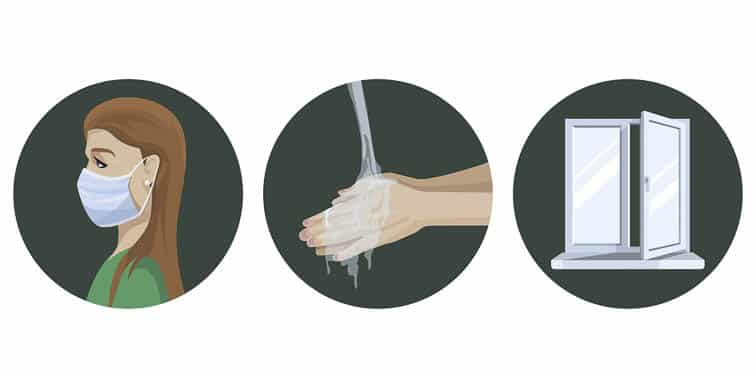
Wear a face mask in public places

Public Health Ontario now recommends that everyone wear a non-medical mask in public to prevent transmission by people who are unknowingly infected with the virus. It’s an additional measure you can take to help cut down the spread of the virus particularly when you are in situations where you can’t always maintain proper physical distance from others.
Dr. Jessica Hopkins, medical director of health protection at Public Health Ontario she said, “When you are wearing a mask, it’s about protecting others.” The aim is to prevent transmission by people who are unknowingly infected with the virus.
Do not use medical or surgical masks because these should be reserved for health-care professionals. Popular options include, dust masks, which can be purchased from a local hardware store, reusable/washable, double-layered cloth masks with an insert for a disposable filter, or a simple scarf or bandana to cover the mouth and nose.
You should make sure that:
- The mask covers your mouth and nose, and
- Even while wearing a mask, you must continue to keep 6 feet between you and others.
Keep your distance

The CDC describes social distancing, also called physical distancing, as “keeping space between yourself and other people outside of your home.” It includes:
- Staying at least 6 feet (about 2 arms’ length) away from other people
- Not gathering in groups
- Staying out of crowded places and avoiding mass gatherings
As we begin going out in public again, make it a habit to keep six feet away from people while waiting in line at the grocery store or pharmacy, when going to a restaurant or cafe or other public places, make sure to check first if there are a number of other people who might be there and if you’d be able to ensure enough space and stay six feet away from others. If you absolutely have to go near other people, make sure to wear a mask.
Continue to work from home if possible

A work-from-home arrangement could be the new normal for many businesses, even after the COVID-19 lockdown as employers will continue to have their employees working from home. If you can limit the days you have to physically go to work, this would help lessen your exposure to the virus.
If you are travelling to your workplace you will still need to observe the social distancing guidelines and stay six feet apart from other people. In the workplace, make sure you help your place of work implement six feet social distancing as you and co-workers move around the office.
It’s important to remember that COVID-19 spreads mainly among people who are in close contact for a prolonged period, and people can spread the virus even before they know they are sick, so if you keep your distance from everyone you can avoid being exposed to the coronavirus and help slow its spread among those who come in close contact with you.
Replace hugs and handshakes with alternatives
Canadians are urged to limit close contact with each other. This includes no-handshake, no-hugging or making any close physical contact that can infect a person if they come in contact with the eyes, nose or mouth of another person.
As we start going out in public and meeting people again, let’s try to be less touchy and stop traditional greetings that involve any physical contact like hugging, high-fiving, cheek-kissing and handshaking, if possible.
Try these simple gestures that require zero physical contact:

Attribute to: Source https://thespinoff.co.nz/society/16-03-2020/the-world-is-on-fire-my-message-to-new-zealanders-on-covid-19 Authors: Siouxsie Wiles and Toby Morris
Don’t touch surfaces
An extra measure to stay safe and protected when going out in public is to stop touching shared surfaces.
Try these alternative methods:
- Use your knees, feet, elbows and knuckles instead of your fingertips to press the ‘Walk’ sign buttons in pedestrian lanes.
- Push open a door with your shoulder, hip or foot instead of your hands.
- Wear gloves if you have to tap out a PIN code or make a selection on a digital screen.
- Wrap a scarf or the sleeve of your sweater or jacket around the handle of any doors you have to pull open
- Flip on a light switch or sink faucet using your elbow or wrist.
- Use gloves or a plastic bag to sort produce and canned items in the grocery store.
The key is to avoid exposing your skin to any shared surfaces where the virus may be lingering. If you use gloves or a piece of clothing, it will be so much easier to toss your clothing into the wash rather than run the risk of using your bare hands and then touching your face. If you have to touch, make sure to use a hand sanitizer or hand wipes or, better yet, make sure to wash your hands right away so you don’t spread the virus elsewhere.

Don’t stop washing your hands
Hopefully, your hand-washing habits are deeply established by now and it will stick around even as COVID-19 lockdown eases. Remember that the goal of thorough hand washing is to minimize your risk of acquiring life-threatening symptoms, so continue to practice common hygiene, perhaps even more frequently now as you come into contact with people and common surfaces when quarantine ends. If you can’t wash with water and hand soap, use a hand sanitizer or hand wipes to break down the virus.
Don’t get too comfortable
It’s important to remember first and foremost that the war against the coronavirus is not yet over. The virus is still there, and the risk of becoming seriously ill from COVID-19 won’t go away until we achieve herd immunity or have access to a vaccine.
Already some countries across the world who have started lifting coronavirus lockdown are reporting new infection peaks. If we’re not careful, Canada could see a second wave of infections that could be even worse.
Our health and government officials are adamant in reminding us that even though some lockdown restrictions may loosen, physical distancing rules and guidelines still apply. This means that we still need to protect ourselves and others and do our part in limiting the spread of the virus as we all slowly work on trying to make a new life while facing the persistent threat of the virus around us.
As COVID-19 lockdown eases and many of us are still fearful of going back out — let’s truly take care of one another and let’s all do our best to continue to stop the spread. These simple ways will help to protect you and everyone around you and keep you safe from the virus.
And one last thing. If your finances have become hard to manage with the Covid-19 lockdown why don’t you contact us for a FREE telephone or teleconference interview.
1-888-545-5365 or info@killen.ca
Contact Richard Killen
FREE No Commitment Consultation
Contact us now for a fresh start!
“Serving Toronto & the GTA for over 25 years.”



Recent Blog Posts
- Debt Settlement vs. Licensed Insolvency Trustees: Understanding the Costs and Risks
- What Happens If a Collection Agency Is Calling You in Ontario? What They Can & Cannot Do—and How to Stop the Calls
- Can I Keep My Car During a Consumer Proposal or Bankruptcy in Ontario? An LIT Explains
- Will a Consumer Proposal Hurt My Mortgage Renewal in Ontario?
- Why More Canadians Are Choosing Consumer Proposals for Debt Relief and Financial Recovery