

How to Handle Lingering Holiday Credit Card Debt – What to Do Before It Gets Worse

The holiday credit card debt struggle is real — and for many, it doesn’t magically disappear when the decorations come down. If you’re still carrying balances into February, March, or even later, you’re not alone. While the joy of the season fades quickly, the financial aftermath can linger for months, quietly accumulating interest and stress.
Whether your spending was intentional or just got out of hand amid the excitement, the good news is that you don’t have to stay stuck. With the right approach, there’s a clear path forward — and it doesn’t involve panic, shame, or ignoring your bank statements.
Why Your January Statement Feels Like a Wake-Up Call
You did your best to stay on budget — but after a few swipes for gifts, travel, or takeout, your January credit card statement arrives… and it’s higher than expected. Sound familiar? That’s the classic post-holiday debt surprise — and it happens to a lot of people.
This kind of holiday spending hangover can last for months. Here’s why:
- Some holiday purchases don’t show up right away
- Charges from December may hit your account in January
- Little extras add up — gifts, food, events, last-minute buys
Then everything lands at once:
- Credit card bills arrive mid-January
- Rent, groceries, and utilities are due at the same time
- There’s not enough cash to pay off the full balance
- Minimum payments feel like your only option
- Interest builds fast — and debt starts to grow
By March, the holiday season is long gone — but the debt is still there. These lingering holiday expenses can:
- Blend into your regular spending
- Be easy to ignore
- Turn into long-term debt if you don’t have a plan
The good news? It’s not too late to turn things around — starting now.
Why Holiday Debt Sticks Around Longer Than Expected
So why does this kind of debt linger for so long?
One of the main reasons credit card debt after holidays sticks around well into spring is the high interest rates that most credit cards carry. If you’re only making minimum payments, it can take years to pay off your balance — even if you stop using the card entirely. Combine that with everyday living expenses, and it becomes easy to lose momentum and fall into a cycle of revolving debt.
High interest credit card debt can be especially dangerous. It grows quickly and eats into your ability to save or invest. If your interest rates are above 19% and you’re only making minimum payments, you’re likely paying far more than you realize — not just in interest, but in missed opportunities to build financial stability.
This is a red flag if:
- You’re unable to make more than minimum payments
- Your balance hasn’t decreased in three months
- You’re using one card to pay off another
If any of this sounds familiar, reach out to a Licensed Insolvency Trustee to explore your options before the situation escalates. They can provide a clear, professional assessment of your financial situation and help you find a sustainable path forward — whether that’s budgeting help, a consumer proposal, or another solution.
Taking Control Before It Spirals
Here’s what you can do now to stop the situation from getting worse — and start moving toward financial clarity.
1. Assess the Damage Honestly
Start by looking at all your credit card balances and making a list. Include the interest rates, minimum payments, and due dates. This simple exercise can feel intimidating, but it’s a necessary first step toward managing credit card debt effectively. When you face the numbers head-on, you can create a plan that’s based in reality, not guesswork.
2. Prioritize High-Interest Accounts
If you’re carrying multiple balances, focus on the one with the high interest credit card debt first. This approach, often called the avalanche method, saves you more money in the long run. Paying extra toward the card with the highest rate while keeping up with minimums on the rest is a smart and strategic move.
3. Review Your Budget (and Make Adjustments)
Look at your current monthly budget. Is there any room to cut back temporarily — on streaming services, takeout, or subscriptions — so you can put that money toward your balances? Making short-term sacrifices now can speed up your progress and reduce stress later.
Even small shifts can make a big difference, and focusing on holiday budget recovery tips can help you realign your spending habits and make smarter choices going forward.
4. Choose a Debt Repayment Strategy That Fits
There’s no one-size-fits-all approach to tackling debt, but the key is consistency. Whether you use the avalanche method, snowball method (paying off the smallest balances first), or a combination, stick to a plan that feels doable. Many financial experts are recommending customized debt payoff strategies 2026 that reflect the evolving economic landscape — emphasizing flexibility, automation, and realistic goals.
If you’re unsure which method to choose, talking to a professional can give you clarity.
5. Avoid the Trap of Emotional Spending
One of the easiest ways to derail your progress is falling back into spending as a coping mechanism. After the holidays, it’s common to feel a dip in mood or motivation — and for some, spending provides a quick (but temporary) boost. Recognizing this pattern is key to recovering from holiday overspending and making healthier financial decisions.
6. Explore Your Relief Options
If you’re struggling to make more than the minimum payments or your debt feels overwhelming, it might be time to consider more structured help. A Licensed Insolvency Trustee (LIT) is a federally regulated professional who can review your full financial picture and explain all your options — including budgeting support, debt consolidation, consumer proposals, or bankruptcy (when necessary).
Unlike for-profit debt settlement companies, LITs are impartial and legally required to give you honest, unbiased advice. If you feel stuck and unsure how to proceed, connecting with one could be the turning point in your journey.
Planning Ahead to Avoid the Same Stress Next Year
Once you’re back on stable ground, the next step is preparation. One of the best ways to prevent lingering holiday expenses in the future is to set up a holiday savings fund throughout the year. Even setting aside a small amount each month can make a major difference when the season rolls around again.
And don’t forget to track your actual spending during the holidays so you can refine your budget for the future. This helps create realistic expectations — and less reliance on credit.
Final Thoughts
Carrying holiday credit card debt beyond January doesn’t mean you’ve failed. Life happens, and the holiday season is designed to encourage spending. What matters now is how you respond. By facing the situation early, using a realistic plan, and getting professional help when needed, you can take control of your finances — and move into the rest of the year with confidence.
Need Support with Holiday Debt?
Struggling with leftover holiday bills or rising credit card interest? A Licensed Insolvency Trustee at Richard Killen & Associates is here to guide you with clarity and compassion. Book your free, confidential consultation today or call us at 1‑888‑545‑5365 to get advice tailored to your needs.
Holiday Debt Relief Tips to Kickstart 2026 Right

Holiday debt relief isn’t exactly the New Year’s resolution most people dream about—but for many Canadians, it’s the reality they face each January. As the credit card bills start rolling in and the glow of holiday cheer fades, the stress of overspending begins to settle in. If you’re already feeling anxious or overwhelmed by holiday spending, know that you’re not alone—and more importantly, there are practical steps you can take to ease the financial burden and move into 2026 with a clear, confident plan.
Let’s break it down and talk about what you can do right now to start the new year debt-free, or at least with a manageable path forward.
Why Holiday Debt Happens (Even When We Have the Best Intentions)
From gifts and travel to meals and social events, the holiday season has a way of expanding our budgets whether we plan for it or not. It’s easy to swipe the card and tell ourselves, “I’ll deal with it in January.” The problem is that January arrives—with high interest rates, tight cash flow, and regret.
Many of us genuinely want to make the holidays special for our loved ones, which can lead to overspending in the name of generosity or tradition. Limited-time sales, social pressure, and unexpected expenses only add to the temptation.
The good news? There are debt payoff strategies for 2026 that don’t involve panic, guilt, or hiding from your bank app. The key is to take a breath, look at your situation clearly, and make a plan that’s realistic and sustainable.
Step 1: Take a Breath—and Then Take Stock
It’s easy to feel overwhelmed by holiday spending, especially when bills start arriving all at once. But panic won’t help—clarity will. Begin by gathering all your statements and listing out what you owe. Include credit cards, buy-now-pay-later plans, and any personal loans taken out for holiday expenses. Once you know the numbers, you can start crafting a plan that fits your lifestyle and goals.
Before you can fix a problem, you need to see the full picture. List out all your holiday-related expenses and outstanding balances—especially on high-interest credit cards. Seeing the total may be uncomfortable, but it’s the foundation of effective debt management for Canadians.
Include:
- Total balances on each card or line of credit
- Minimum monthly payments
- Interest rates
- Any buy-now-pay-later purchases or deferred holiday expenses
This step can feel overwhelming, but clarity is power. Knowing what you’re working with is the first step toward credit card recovery after holidays.
Step 2: Create a Post-Holiday Budget (That You Can Actually Stick To)
A lot of budgeting advice focuses on cutting out your morning coffee or canceling subscriptions, but real budgeting after the holidays is about prioritizing your needs and reallocating funds toward your debt.
Start with:
- Your fixed monthly expenses (rent, groceries, insurance)
- The minimum payments on all debts
- How much disposable income you have after that
Then, determine how much of that disposable income can go toward an aggressive, but reasonable, repayment plan. Remember, you don’t have to do it all at once—but you do have to start.
Step 3: Choose a Repayment Strategy That Works for You
There’s no one-size-fits-all solution to holiday debt, but here are two commonly effective approaches:
1. Snowball Method
Pay off the smallest balance first while making minimum payments on the rest. It’s great for motivation, as you get quick wins early on.
2. Avalanche Method
Focus on paying off the debt with the highest interest rate first. This saves you more money in the long run.
Whichever method you choose, stay consistent. The goal isn’t just to pay down your bills—it’s to stop the holiday debt cycle from repeating next year.
Step 4: Consider Professional Help If You’re Stuck
If you’ve been making payments and feel like you’re going nowhere, or if minimum payments are all you can afford, it might be time to speak with a Licensed Insolvency Trustee (LIT). An LIT is a federally regulated debt professional who can assess your financial situation and explain all your options, including:
- Debt consolidation
- Consumer proposals
- Bankruptcy (as a last resort)
- Credit counselling
Licensed Insolvency Trustees offer January debt stress solutions that are both legally sound and personalized to your situation. They’re not here to judge—they’re here to help you move forward.
Step 5: Reset Your Financial Mindset for the Year Ahead
One of the most overlooked tips to recover from holiday debt is to shift your thinking about money. A new year isn’t just a chance to reset your habits—it’s an opportunity to realign your values, your priorities, and your long-term goals.
This doesn’t mean cutting out all fun or never giving another gift. It means planning ahead and setting financial goals that match the life you want. A solid New Year financial reset can help you build stronger habits, avoid impulse spending, and finally feel in control of your finances.
Step 6: Make a Plan for the 2026 Holidays—Yes, Already
It might feel way too early to think about next Christmas, but planning now is the best way to avoid repeating the same cycle. Here’s how:
- Set a realistic gift budget and start a separate savings fund now.
- Use cash or prepaid cards to limit spending.
- Communicate expectations with family—consider gift exchanges or spending limits.
- Track spending throughout the season to stay accountable.
Being proactive now gives you the chance to approach the holidays without stress, guilt, or overspending. It’s never too early to plan how to pay off holiday debt—or better yet, avoid it altogether.
You’re Not Alone—and You’re Not Out of Options
Every year, thousands of Canadians find themselves facing post-holiday financial pressure. The important thing to remember is that debt is a solvable problem—not a moral failure. With the right information, the right strategy, and perhaps some professional support, you can get through this season stronger and more financially resilient.
If you’re struggling to make progress on your own, reaching out to a Licensed Insolvency Trustee could be the smartest move you make this year. They’ll help you build a customized plan for holiday debt relief and guide you toward a fresh financial start.
Ready to Talk About Your Options?
If holiday bills are weighing you down and you’re unsure where to start, you’re not alone—and you don’t have to figure it out by yourself. A Licensed Insolvency Trustee (LIT) can help you explore personalized solutions, from budgeting support to formal debt relief options like consumer proposals.
Book a free, confidential consultation today to speak with a federally regulated debt professional who understands your situation and can guide you toward a fresh financial start. Whether you prefer a phone call, video chat, or in-person meeting, we at Richard Killen & Associates are here to help.
Avoiding the January Credit Card Hangover: 7 Steps to Stay Debt-Free This Holiday
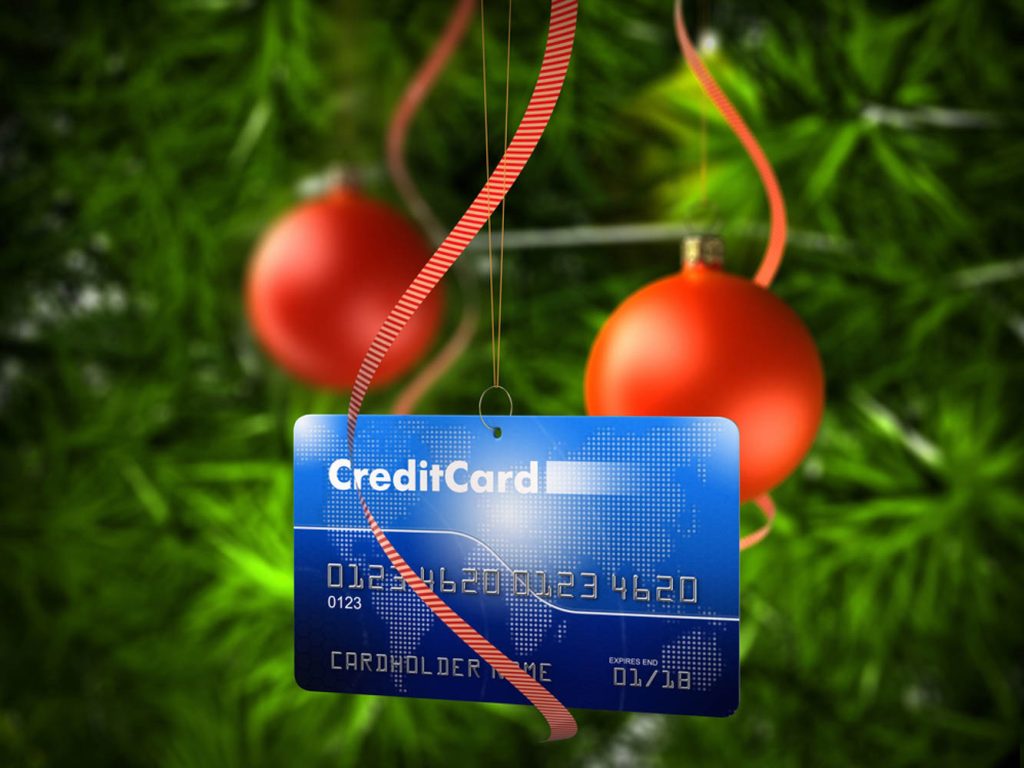
A January credit card hangover is that all-too-familiar feeling when the joy of the holidays fades and reality hits in the form of high credit card balances. What was meant to be a season of celebration can quickly become a source of credit card bill anxiety and financial regret. But with a few practical strategies, you can stay ahead of debt and start the new year stress-free.
Here are 7 actionable steps to help you stay debt-free during the holidays and avoid financial regret come January.
1. Create a Realistic Holiday Budget (And Stick to It)
Start by using holiday budgeting strategies to plan all your seasonal expenses — gifts, travel, food, decorations, and even hidden costs like wrapping or shipping. Setting a firm budget (and sticking to it) is one of the best ways to avoid holiday debt before it even begins.
Budgeting apps can help track your spending in real time and flag areas where you’re overspending. Stay honest with your numbers and resist the temptation to overspend “just this once.”
2. Prioritize Your Gift List
You don’t have to buy for everyone. Make a thoughtful list and divide it into “must-give” and “nice-to-give.” Focusing your gift-giving can help with managing Christmas expenses and reduce last-minute shopping temptations.
Consider meaningful, lower-cost alternatives like homemade gifts or group gift exchanges.
3. Plan Purchases Strategically
Avoid impulse purchases by shopping with a plan. Decide ahead of time how much you’ll spend per person and look for deals that fit your budget.
This is one of the most underrated holiday spending tips. Spreading purchases out over time instead of one big spending spree can protect your wallet — and your peace of mind.
4. Choose Debit or Cash Over Credit
One of the most effective tips to stay out of debt during holidays is to use debit or cash rather than credit cards. Spending only what you have eliminates the risk of falling into debt you can’t immediately repay.
If you do use a credit card, commit to paying off the balance in full as soon as possible to avoid credit card regret.
5. Don’t Let Holiday Sales Trick You
Sales are tempting, but they’re only helpful if you were already planning to buy the item. Ask yourself: “Would I buy this if it weren’t on sale?”
This simple mindset shift helps with how to avoid overspending for Christmas, especially during big promotions like Black Friday and Boxing Day.
6. Be Mindful of Emotional Spending
Many people spend more to cope with guilt, loneliness, or the pressure to impress others. Emotional purchases often lead to Christmas spending anxiety and regret once the holidays are over.
Instead, focus on the true meaning of the season — connection, gratitude, and presence over presents. That shift in perspective will help you avoid post-holiday credit card regret.
7. Don’t Be Afraid to Ask for Help
If you’re already feeling overwhelmed or facing mounting debt, it’s important to know that help is available. A Licensed Insolvency Trustee (LIT) is a federally regulated professional who can assess your financial situation and offer solutions tailored to your needs.
Whether you’re struggling with budgeting, considering a consumer proposal, or exploring debt relief options, an LIT provides confidential, judgment-free support. They’re legally authorized to negotiate with creditors and help you regain control.
Reaching out to a Licensed Insolvency Trustee isn’t a sign of failure—it’s a proactive step toward financial recovery and peace of mind.
Watch for the Warning Signs of a January Credit Card Hangover
A holiday spending hangover doesn’t always feel dramatic — often, the signs creep in slowly. Look out for:
- Avoiding bills or banking apps
- Making only minimum credit card payments
- Relying on credit for essentials like food or gas
- Juggling balances across cards or opening new credit lines
- Feeling guilt, anxiety, or regret over your spending
What to Do If You Spot These Signs
If any of these warning signs feel familiar, don’t panic — but don’t ignore them either. The sooner you act, the better your options. Start by reviewing your budget, cutting unnecessary expenses, and setting up a repayment plan that’s realistic and manageable.
And if your debt feels unmanageable or you’re unsure how to get back on track, consider reaching out to a Licensed Insolvency Trustee. They can assess your financial situation, walk you through available debt relief options, and help you create a long-term plan — without judgment or pressure.
Bonus Tips: 3 Quick Ways to Avoid Maxing Out Your Credit Cards During the Holidays
- Set spending alerts to track purchases in real time
- Use only one credit card for all holiday expenses
- Leave credit cards at home when shopping in person
These small changes can help support your efforts to stay debt-free during holidays and avoid impulsive purchases.
Final Thoughts: A Joyful Holiday Without the Financial Hangover
The holidays should be about connection and joy — not debt and stress. With a clear budget, mindful spending, and the right support, you can celebrate the season without worrying about your January finances.
Whether it’s choosing cash over credit, resisting sales pressure, or reaching out to a Licensed Insolvency Trustee, your actions today will shape your financial freedom tomorrow.
Plan wisely, spend intentionally, and enjoy a stress-free season — all while avoiding the January credit card hangover once and for all.
Don’t Wait For The Bills To Pile Up
Make your holiday spending plan today, and if you’re feeling overwhelmed, connect with a Licensed Insolvency Trustee at Richard Killen & Associates. Call now or book a free consultation to take back control before the new year begins.
Is Holiday Credit Card Debt Pushing You Over the Limit?

Holiday credit card debt has a way of sneaking up on even the most budget-conscious shoppers. Between festive sales, gift-giving pressure, and last-minute splurges, it’s easy to lose track of spending until your credit card statement delivers a reality check. If you’ve ever found yourself wondering how your balance ballooned so quickly—or worse, how you ended up over your limit—you’re not alone.
How Holiday Spending Creeps Up
From Black Friday to Boxing Day, the holiday season is a whirlwind of promotions and emotional spending. Retailers expertly tap into our generosity and nostalgia, encouraging purchases that can easily go beyond what we planned. When you factor in travel, party hosting, and charitable donations, your holiday spending habits can quickly stretch your budget thin.
It’s not always the big-ticket items that tip the scales. More often, it’s the steady stream of smaller purchases—$30 here, $60 there—that quietly inflate your balance. These seemingly minor expenses add up fast, and over several weeks, they can snowball into a serious financial strain.
Many Canadians rely on credit cards to bridge the gap between festive expectations and financial reality. But without a clear plan, this can lead to overspending and long-term debt. The issue isn’t just how much you spend—it’s how quickly those everyday choices shape your holiday spending habits and push your balance closer to the limit. A few extra gifts, a fancy dinner, or expedited shipping may not seem like much on their own, but together, they can quietly chip away at your finances.
What Happens If You Go Over Your Credit Card Limit During the Holidays?
Going over credit limit during the festive season can be especially risky — not just financially, but emotionally, too.
Whether it’s a spontaneous gift purchase or an overlooked subscription renewal, exceeding your limit can trigger a series of credit limit consequences that are more than just inconvenient.
Here’s what you might face when your holiday spending tips the scale:
1. Your Transaction May Be Declined
If you’re at a store or online checkout and the purchase pushes your balance over your limit, the transaction may be declined, which can be awkward during holiday shopping.
- This is more likely if you haven’t opted in to over-limit protection with your credit card provider.
- Some cards simply won’t allow you to exceed the limit at all.
- You Could Be Charged an Over-Limit Fee
If your credit card issuer allows the transaction and you’ve opted in, they may charge a fee (usually around $25–$35).
- During the holidays, small repeated purchases can unintentionally push you over.
- Watch for automated payments or subscriptions that might slip through while you’re shopping.
3. Your Credit Score Could Take a Hit
Going over your limit hurts your credit utilization ratio (how much of your limit you’re using), which makes up a big part of your credit score.
- If you max out — or go over — your credit card, it signals high risk to lenders.
- This could impact your ability to qualify for future credit or loans (like post-holiday consolidation options).
4. Higher Interest Charges
That over-limit amount doesn’t come cheap. You’ll continue paying high interest (often 19–29%) on the full balance, including the amount over your limit.
- This can trap you in post-holiday debt that takes months to pay off — especially if you only make minimum payments.
5. Risk of Account Restrictions
Issuers may take action if you exceed your limit:
- Temporarily freeze your account
- Lower your credit limit
- Raise your interest rate
- Flag your account as higher-risk
But the risks don’t stop there. If you’re consistently maxing out your card, the long-term effects can be even more damaging:
- Difficulty securing future credit: A history of maxing out your cards can make lenders hesitant to approve new credit applications or offer favorable terms.
- Strained relationships: Financial stress can spill into personal life, especially if shared expenses or expectations weren’t clearly communicated.
- Limited options for repayment: If your balance remains high, you may struggle to make more than minimum payments, leading to prolonged managing credit card debt.
For many, the aftermath of Christmas shopping debt lingers well into the new year. Minimum payments barely make a dent, and interest charges pile up. This can lead to financial stress during holidays, affecting your mental health, relationships, and overall well-being.
Smart Strategies for Managing Holiday Expenses
You can absolutely enjoy the festive season without sabotaging your finances. Here are some realistic strategies for how to avoid holiday debt:
- Set a budget and stick to it: Map out your total spending limit, then break it down by category—gifts, food, travel, etc.
- Use cash or debit whenever possible: This helps limit overspending and gives you a tangible sense of your expenses.
- Track your purchases: Use apps or old-school lists to monitor where your money is going.
- Shop smart: Take advantage of sales—but only for planned purchases. Don’t let flashy marketing persuade you to buy what you don’t need.
A little holiday budget planning goes a long way in keeping your finances on track and your stress levels in check.
Consider using budgeting apps or spreadsheets to track spending in real time, and set alerts on your credit card to notify you when you approach your limit. If you’re shopping online, pause before checkout to review your cart and ask yourself: “Is this within my budget?” These small habits can help you stay grounded and support avoiding holiday overspending.
What to Do If You’re Already in Debt
If you’ve already maxed out your cards or are worried you might, don’t panic. There are practical ways of managing credit card debt, even during the holidays:
- Stop using your cards temporarily: Avoid adding to your balance while you create a plan.
- Prioritize high-interest balances: Focus on paying off the cards with the highest rates first.
- Consolidate if needed: A balance transfer or personal loan with a lower interest rate can help reduce your payments.
- Get professional advice: If your debt feels unmanageable, it’s time to consider outside help.
This is where holiday debt relief options come into play. You might explore consolidation loans, budgeting support, or creditor negotiation services. And if your situation feels overwhelming, a Licensed Insolvency Trustee Ontario can help you assess your options and guide you toward a sustainable solution. They’re federally regulated professionals who offer confidential, judgment-free support to Canadians facing financial challenges.
When to Seek Help from a Licensed Insolvency Trustee Ontario
If your holiday credit card debt has spiraled beyond your control, it may be time to consult a professional. A Licensed Insolvency Trustee Ontario can assess your financial situation and explain your options, including consumer proposals or bankruptcy if necessary. They’re federally regulated and legally authorized to help Canadians resolve debt in a respectful, confidential manner.
Trustees don’t just handle insolvency—they also offer budgeting advice and credit counselling. Their goal is to help you regain financial stability, not to judge your spending. If you’re struggling to make minimum payments or facing collection calls, reaching out early can prevent further damage and give you a clear path forward.
Wrapping Up
The joy of the season shouldn’t come with a side of stress and financial regret. Whether you’re trying to avoid debt or are already feeling overwhelmed, the key is to act early and plan carefully. Small, intentional changes to your holiday spending habits can make a big difference.
And if you need support, remember that professional help is available. A Licensed Insolvency Trustee can offer tailored solutions that ease the burden and set you on the path to holiday debt relief.
Don’t let this season of giving take more than you can afford—because holiday credit card debt should never be part of your new year.
Take The First Step Toward A Debt-Free New Year
Reach out to a Licensed Insolvency Trustee today for a free, confidential consultation—and find out how you can take back control of your finances this holiday season.
Understanding the Psychology of Credit Card Spending – What Ontario Consumers Need to Know

Ever wonder why it’s so easy to swipe your credit card — and so hard to pay it off later? The psychology of credit card spending helps explain why so many people in Ontario fall into patterns of overspending. It’s not just about budgeting — it’s about how our brains respond to money, emotion, and convenience.
And in Ontario, those patterns are shaped by unique pressures. The high cost of living in cities like Toronto and North York — from rent and groceries to transit and childcare — can push people to rely on credit just to get by. Cultural expectations across diverse communities may also influence how we view debt, spending, and financial success. Add in the constant stream of marketing and social media, and it’s easy to see how even smart, responsible consumers can lose track of their financial boundaries.
Understanding what drives these habits is the first step toward taking control. And if things feel overwhelming, a Licensed Insolvency Trustee can help you explore real solutions — with compassion, clarity, and options tailored to Ontario’s legal and financial landscape.
Why We Overspend on Credit Cards
Overspending isn’t a personal failure — it’s often a mix of emotional triggers and mental shortcuts. Here’s what’s really going on:
- 1. It Doesn’t Feel Like Real Money
When you use a credit card, you’re not seeing cash leave your hand or your bank balance drop immediately. That physical and emotional disconnect makes spending feel painless — but it’s not. Psychologists refer to this as reducing the “pain of paying,” and it’s one of the key reasons why people overspend on credit cards. Without a visible consequence, it’s easier to say yes to purchases you wouldn’t otherwise make.This is especially common with contactless payments. The tap-and-go culture minimizes friction, making it easier to approve purchases with little thought. Over time, this can lead to a pattern of unconscious overspending.
- We Chase Rewards
Many people are drawn in by rewards programs, leading them to use their cards to earn travel points, cashbacks, or discounts — which feel like a bonus for spending. But the catch is that these perks often push people to spend more than necessary just to “maximize rewards.” Rewards can trick us into believing we’re being financially savvy, even if we’re carrying a balance and paying interest.This kind of justification — focusing on short-term gains like travel miles while ignoring long-term costs — is a subtle form of emotional spending. If you’re not paying your balance in full every month, the interest you pay will almost always cancel out the value of any rewards.
- Emotions Drive Decisions
Beyond rewards, deeper emotional triggers often shape how and when we spend. Stress, boredom, loneliness, or even celebration can lead to impulse buys. These emotional spending triggers often go unnoticed. You might shop to feel better after a tough day or treat yourself after a win — but these habits can quietly build debt. - We Compare Ourselves to Others
Social media and peer pressure can push us to spend just to keep up. This is especially true for Ontario consumers and credit card debt holders living in high-cost areas like Toronto or North York, where lifestyle comparisons are common. - We Justify It
“It was on sale” or “I deserved it” are ways we talk ourselves into purchases we don’t need. This kind of rationalization — known as justification bias — makes it easier to ignore the long-term impact of spending.
Spotting the Signs Before Debt Builds
Credit card debt rarely happens overnight. It’s often the result of small, repeated behaviors that feel harmless in the moment but quietly accumulate over time. Spotting these early signs can help you course-correct before things spiral — and empower you to make intentional choices with your money.
Here are some common red flags to watch for:
- Impulse Buying During Sales or Promotions
If you find yourself drawn to flash sales, limited-time offers, or “buy now, pay later” deals, pause and ask: Would I buy this if it weren’t discounted? Impulse purchases often feel exciting, but they can lead to clutter, regret, and mounting balances. Retailers design these promotions to trigger urgency — recognizing that pattern helps you resist it. - Spending to Cope With Emotions
Shopping can feel like a quick fix for stress, sadness, boredom, or even celebration. You might treat yourself after a tough day or reward yourself for a win. While occasional indulgence is normal, consistent emotional spending can mask deeper needs and lead to financial strain. If you notice a pattern, consider journaling your feelings before making a purchase — or finding non-financial ways to self-soothe. - Using Credit Cards Mainly for Rewards
Rewards programs can be helpful — but they shouldn’t drive your spending. If you’re buying things just to earn points or cash back, it’s worth reevaluating. The value of the reward rarely outweighs the interest you’ll pay if you carry a balance. This behavior is especially common among people trying to “hack” their finances, but it can backfire without a clear repayment plan. - Making Only Minimum Payments
Paying just the minimum due each month might feel manageable, but it’s a warning sign. It means you’re not reducing your principal — and interest is quietly building. Over time, this can turn a small balance into a long-term burden. If you’re consistently making minimum payments, it’s time to reassess your budget and explore credit card debt solutions in Ontario that offer relief. - Avoiding Statements or Feeling Anxious About Your Balance
Do you dread checking your credit card statement? Do you avoid logging into your banking app or opening bills? This kind of avoidance is often rooted in shame or fear — and it’s more common than you think. The good news? Facing your numbers is the first step toward change. You don’t have to do it alone. Support is available, and many financial counselling in Ontario services offer judgment-free guidance.
Practical Tips: Simple Ways to Take Back Control
You don’t need to overhaul everything overnight. Small changes can make a big difference. Here are practical, manageable steps to help you regain control:
- Track Your Spending
Use a budgeting app or a simple notebook to monitor every transaction. Categorize your purchases to spot patterns — especially emotional ones. This visibility helps you make informed decisions and identify areas for improvement. - Set Limits
Lower your credit limit or use prepaid cards for non-essentials. This creates natural boundaries and reduces the temptation to overspend. If you’re worried about emergencies, keep one card with a higher limit but use it only for essentials. - Pause Before Buying
Try a 24-hour rule for anything that’s not urgent. If you see something you want, wait a day before buying. This delay helps disrupt impulsive behavior and gives you time to reflect on whether the item truly adds value. - Use Cash for Fun Stuff
Switch to cash or debit for categories like dining, entertainment, and shopping. The physical act of handing over money increases awareness and makes spending feel more “real.” - Unsubscribe from Temptation
Reduce exposure to marketing emails, influencer content, and retail apps that encourage spending. Curate your digital environment to support mindful consumption and financial wellness. - Automate Payments and Savings
Set up automatic payments to avoid late fees and automate savings to build financial resilience. Even $25 a week into a high-interest savings account can create a buffer for unexpected expenses. - Get Support
If spending is tied to emotional distress, consider speaking with a therapist or financial counselor. Addressing the root cause is essential for lasting change. Many financial counselling in Ontario services offer free or low-cost support tailored to your needs.
When Debt Feels Too Big: Licensed Insolvency Trustee Support
If your credit card debt feels unmanageable — if you’re missing payments, getting calls from collectors, or unable to see a way out — it may be time to speak with a professional. A Licensed Insolvency Trustee in Ontario can help you explore real options. They’re federally regulated professionals who offer free consultations and guide you through solutions like:
- Consumer Proposal
A consumer proposal in Ontario is a legal agreement to pay back part of your debt over time — often with no interest and no penalties. It’s a popular alternative to bankruptcy for those with stable income and manageable debt levels. - Bankruptcy
Bankruptcy is a last-resort option that wipes out most unsecured debt and gives you a fresh start. It’s not a failure — it’s a reset. LITs will walk you through the process and help you understand what it means for your future. - Creditor Negotiation
LITs handle the calls and paperwork so you can breathe again. They’ll negotiate with creditors on your behalf, stopping collection calls, wage garnishments, and legal action. - Education and Support
LITs don’t just help you resolve debt — they help you build better habits. You’ll get tools, resources, and guidance to avoid future problems and make informed financial decisions.
Unlike debt settlement companies, LITs are licensed by the government and held to strict ethical standards. They don’t make false promises — they offer real help and debt relief options in Ontario that are tailored to your needs.
Final Thoughts
Debt isn’t just about dollars — it’s about emotions, habits, and how we think. Whether you’re just starting to notice your spending patterns or you’re deep in debt, there are tools and people who can help — and a Licensed Insolvency Trustee in Ontario can guide you toward lasting financial freedom.
Credit cards offer freedom and flexibility, but they also tap into powerful psychological triggers. For many, the journey into debt begins with small, seemingly harmless purchases — a coffee here, a sale item there — that add up over time. Understanding what drives these habits is the first step toward taking control.
You deserve peace of mind. You deserve a fresh start. And it begins with recognizing the psychology of credit card spending and choosing to take action.
Let’s Talk — You Deserve a Fresh Start
If credit card debt is weighing on you, now’s the time to take that first step. Our Licensed Insolvency Trustees in Ontario offer free, confidential consultations — no pressure, no judgment, just real solutions tailored to your situation.
Whether you’re curious about a consumer proposal, need help navigating debt relief options in Ontario, or simply want to understand your choices, a conversation can change everything.
Reach out today and book your consultation with a trusted LIT near you: Find a Licensed Insolvency Trustee in your area
How to Get Out of a Car Loan in Canada When You’re Struggling

How to get out of a car loan in Canada is a question many people face when loan payments become too much to handle—and the answer depends on your financial goals, vehicle value, and available options.
Owning a car in Canada is often more than a convenience—it’s a necessity. Whether it’s commuting to work, taking your kids to school, or running everyday errands in areas with limited public transportation, having a reliable vehicle is part of daily life for millions of Canadians. But when your car loan becomes unmanageable, what once felt like a lifeline can quickly turn into a financial trap.
Life happens—job loss, rising interest rates, inflation, or unexpected expenses can make even a reasonable car loan suddenly unaffordable. If you’re feeling overwhelmed or falling behind on your payments, you’re not alone. Many Canadians are in the same position, asking the same critical question: “Can I get out of my car loan without destroying my finances?”
The good news is that you do have options. From refinancing and selling your vehicle to seeking legal debt relief, there are multiple paths to take. Some allow you to keep your vehicle; others may require giving it up. Each option has pros, cons, and financial implications you need to weigh carefully.
There are several practical ways to get out of a car loan in Canada, whether your goal is to reduce monthly payments, eliminate debt, or start fresh financially. With the right information and support, you can make an informed decision that helps you regain control of your finances and secure a more stable future.
1. Sell the Car Privately
Selling your car privately often yields more money than a dealership trade-in, which can make it easier to pay off your car loan in full.
Best for: People whose car is worth as much or more than what they owe.
Steps:
- Use tools like Canadian Black Book or AutoTrader to estimate your car’s market value.
- Request a payout statement from your lender to confirm your remaining loan balance.
- Sell the car and use the proceeds to pay off the loan.
- If the sale price is less than the balance, you’ll need to pay the difference—this is called negative equity.
Pros:
- Potentially walk away debt-free.
- No impact on your credit score if handled correctly.
Cons:
- You must manage the sale logistics yourself.
- May still owe money if your car’s value is lower than your loan.
2. Trade in the Vehicle
You can trade your vehicle in at a dealership and apply its value toward a more affordable one. If you owe more than it’s worth, the dealer might roll the negative equity into your new loan.
Example: If you owe $20,000 but your car is worth $15,000, the $5,000 shortfall may be added to the new loan.
Best for: People who still need a car but want lower payments.
- Quick and simple.
- You keep a car—possibly with lower payments.
Cons:
- Can deepen debt by rolling negative equity into the new loan.
- May result in higher interest rates or longer loan terms.
3. Refinance the Loan
Refinancing involves taking out a new loan—ideally with a lower rate or extended term—to replace your current one.
Best for: People with fair to good credit who can still afford lower monthly payments.
Steps:
- Compare offers from banks, credit unions, and online lenders.
- Apply for refinancing using your car as collateral.
- Use the new loan to pay off your existing one.
Pros:
- Lower monthly payments.
- Possible savings on interest if you secure a better rate.
Cons:
- You may end up paying more in interest over time.
- Not ideal if your credit is poor or you’re already behind.
4. Talk to Your Lender
Lenders may offer relief options if you’re struggling but proactive. If you reach out early, many lenders are willing to work with you to find a temporary solution that can ease the burden.
Best for: This option is ideal if you’re facing temporary financial difficulties and want to avoid giving up your vehicle.
Possible Solutions:
- Payment deferrals – Lenders may allow you to temporarily pause or delay payments, giving you time to stabilize your finances.
- Loan term modifications – Adjusting the length of your loan can help lower monthly payments, making them more manageable in the short term.
- Reduced interest rates – Lenders may offer to lower your interest rate, reducing the amount you pay over time and easing the financial strain.
Pros:
- May avoid credit damage.
- Demonstrates good faith, which may help in negotiations.
Cons:
- Relief may be temporary.
- Interest may continue accruing during deferral.
5. Voluntary Repossession (Voluntary Surrender)
In this scenario, you return the car to the lender. They sell it at auction and apply the proceeds to your loan. You’re responsible for any remaining balance.
Example: If the car sells for $10,000 and you owe $17,000, you’ll still owe $7,000, plus possible fees.
Best for: People who can’t keep up with payments and no longer need the car.
Pros:
- Ends monthly payments.
- May reduce the stress of involuntary repossession.
Cons:
- Damages your credit score.
- You’re still on the hook for the remaining balance.
6. Use a Consumer Proposal or Bankruptcy
If your financial troubles go beyond your car loan, a consumer proposal or bankruptcy may be necessary.
Best for: Those overwhelmed by debt with no realistic way to keep up.
Consumer Proposal
A legal agreement negotiated through a Licensed Insolvency Trustee (LIT) to settle your debts for less than you owe. If you surrender your car, the remaining loan shortfall can be included in your proposal.
Bankruptcy
Erases most unsecured debts. You may have to give up the vehicle unless it’s needed for basic living or work, or if it has little equity.
Pros:
- Stops collections and legal action.
- Can eliminate or significantly reduce your car loan obligations.
Cons:
- Severe impact on your credit score.
- Legal and trustee fees apply.

How a Licensed Insolvency Trustee Can Help
A Licensed Insolvency Trustee (LIT) is a federally regulated debt expert who can help you legally resolve financial problems through consumer proposals or bankruptcy.
Ways an LIT Can Help with Your Car Loan:
- Include the Car Loan Shortfall in a Consumer Proposal
- If you return your vehicle, the leftover debt can be treated as unsecured and settled for less.
- The LIT ensures proper surrender to avoid penalties.
- Help You Keep the Car While Reducing Other Debt
- If car payments are manageable but other debts aren’t, the LIT can reduce or eliminate those other debts, freeing up cash flow.
- Discharge the Car Loan Entirely in Bankruptcy
- If surrendering the car makes sense, the LIT will help you do so and ensure the unpaid balance is legally discharged.
Benefits of Working with an LIT:
- Debt Relief Options
An LIT can help you legally reduce or eliminate your car loan obligations—especially if your car has been repossessed or you’re facing negative equity. Whether through a consumer proposal or bankruptcy, they can include car loan shortfalls and other unsecured debts into one manageable plan. This can provide significant financial relief and help you avoid ongoing interest charges or collection activity. - Stops Collections Immediately
As soon as you file a consumer proposal or bankruptcy with an LIT, all creditor actions must stop. This includes collection calls, wage garnishments, legal actions, and repossession efforts. The legal protection, known as a “stay of proceedings,” gives you immediate peace of mind and a break from creditor pressure. - Professional Guidance
LITs provide expert, personalized advice based on a full review of your financial situation. They are legally obligated to act in your best interest and are not motivated by commissions or sales. This ensures the solution they recommend is truly the most practical and affordable option for your circumstances. - Keep or Return the Car
LITs will help you evaluate whether it makes more sense to keep your vehicle or surrender it, depending on your overall budget and loan terms. If you keep the car, they can help you reduce other debts to make payments more manageable. If returning it is better, they ensure the process is handled in a way that limits further financial consequences. - Government-Regulated
Licensed Insolvency Trustees are federally regulated by the Office of the Superintendent of Bankruptcy (OSB). This means they must adhere to strict professional and ethical standards, and you are protected under Canadian law throughout the process. Their services are transparent, monitored, and designed to ensure fair treatment for all parties involved.
When to Contact an LIT
Consider speaking with an LIT if:
- You’re behind on your car loan payments or facing repossession.
Falling behind can quickly lead to repossession and legal action, so early intervention from an LIT can help you avoid more severe consequences. - The car is worth much less than what you owe (negative equity).
If you’re trapped in a loan where the balance far exceeds the vehicle’s value, an LIT can help you eliminate or reduce that shortfall. - You’re using credit cards or lines of credit to make car payments.
Relying on other debt to cover your loan signals an unsustainable financial situation, which an LIT can help you resolve through structured debt relief. - You’re overwhelmed by multiple debts and need a full financial reset.
When your car loan is just one part of a bigger debt problem, an LIT can guide you through comprehensive options like a consumer proposal or bankruptcy.
A Practical Path Forward
Getting out of a car loan in Canada can be complex, but you’re not without solutions. Whether your goal is to lower payments, walk away from the vehicle, or reset your financial life, the most important step is to be proactive.
Before deciding:
- Know your car’s market value.
- Understand your loan balance and terms.
- Get professional advice—especially from a Licensed Insolvency Trustee if debt is a bigger issue.
Working with a Licensed Insolvency Trustee (LIT) is an essential step, as they can provide expert guidance tailored to your financial situation and help you explore all viable options. Whether you need to lower payments, reduce your debt, or even discharge your car loan entirely, an LIT offers a legal, structured solution to get you back on track.
Doing nothing can lead to worsening debt and long-term credit damage. But with the right support, you can make an informed choice—and find a clear answer to how to get out of a car loan in Canada.
Don’t let your car loan hold you back any longer—reach out today to schedule a free consultation with a Licensed Insolvency Trustee near you and start your path to financial freedom.
How Popular Is Credit Counselling in Toronto

Credit counselling in Toronto is quite popular and widely utilised by many Torontonians facing financial challenges and looking for effective ways to manage and reduce debt.
Debt management is a major concern for many people in Toronto. If you have debt – you’re certainly not alone. As of the second quarter of 2024, the average Canadian household carries a significant amount of debt. According to Equifax Canada’s latest Market Pulse Consumer Credit Trends and Insights Report, consumer debt levels reached $2.5 trillion in the second quarter of 2024, reflecting a 4.2 percent increase from the same period in 2023.
The average Canadian owes at least one of these most common types of debt:
- credit card debt,
- mortgages,
- lines of credit,
- car loans, and
- personal loans.
As the cost of living continues to rise and personal debt levels climb, the need for effective financial management becomes increasingly crucial. Among the many solutions available for debt relief in Canada, credit counselling has emerged as a widely used resource in Toronto for those struggling with debt. Credit counselling provides a structured approach to addressing debt issues and finding long-term, sustainable solutions to manage debt effectively.
Understanding Credit Counseling
Credit counselling in Toronto is also commonly known as debt counselling or financial counselling. The process involves professional guidance for individuals having trouble paying back their debt or keeping up with monthly payments. Trained credit counsellors help clients understand their financial situation, create budget plans, and explore options for managing or eliminating debt. Services typically include:
- One-on-one counselling
- Financial education courses on budgeting advice and using credit wisely
- Negotiating with creditors
- Debt management plans (DMP)
The Growing Demand for Credit Counselling
The popularity of credit counselling services in Toronto can be attributed to several factors:
- Rising Cost of Living – The cost of living in Toronto has been climbing steadily over the years, with many individuals and families finding themselves struggling with debt due to housing costs, utilities, transportation, and other living expenses. This has contributed to financial strain for many residents, which has led to increased debt levels which eventually pushed them to seek professional help.
- High Levels of Consumer Debt – Statistics Canada reports that Canadian household debt levels are among the highest in the developed world. In Toronto, this trend is particularly pronounced due to the city’s high-income disparities and expensive lifestyle. Many residents are finding themselves overwhelmed by credit card debt, student loans, and other financial obligations and proactively want to find ways to make their debt more manageable.
- Economic Uncertainty – Economic fluctuations, job instability, and unexpected financial emergencies can impact individuals’ ability to manage debt effectively. The COVID-19 pandemic, for instance, exposed many individuals and families to unforeseen financial difficulties, leading to a surge in demand for credit counselling services in Toronto.
- Increased Awareness and Accessibility -There is a growing awareness among Torontonians about the benefits of seeking professional help for debt management. Counselling services are accessible through various channels, including non-profit organisations, private firms, and government-supported agencies.
- Range of Services Offered – Credit counselling services in Toronto offer a range of services that can be tailored to an individual’s unique financial situation. These services can include one on one evaluation, debt consolidation, budgeting advice, negotiation with creditors, and education on financial literacy. These comprehensive services appeal to individuals seeking holistic solutions to their financial issues.
- Regulatory Support – The regulatory framework in Ontario ensures that credit counselling services adhere to ethical standards and consumer protection laws. This gives clients confidence that they are receiving reputable and trustworthy guidance from licensed debt professionals.
- Community Support – There is a supportive community environment in Toronto that encourages individuals to seek help for financial difficulties without stigma. Local organisations and government initiatives often promote financial literacy and the wide availability of credit counselling services.
- Alternative to Bankruptcy – Credit counselling offers an alternative to bankruptcy for individuals who may be struggling with debt but wish to avoid the long-term financial consequences of bankruptcy. Trained counsellors negotiate with creditors to develop manageable repayment plans and work with clients to improve financial management skills.
Accessibility of Credit Counseling Services
In Toronto, credit counselling services are easily accessible through various channels, highlighting its growing popularity and the increasing awareness of these resources.
- Non-Profit Organisations – Many credit counselling services in Toronto are offered by non-profit organisations. These entities provide free or low-cost services, making them an attractive option for individuals who may not be able to afford private counselling. Examples include Credit Canada and the Toronto District School Board’s Financial Literacy Program.
- Private Counselling Firms – Private debt counselling firms also serve the Toronto market, offering personalised services for a fee. These firms often provide tailored debt management plans and more intensive one-on-one counselling.
- Online Resources – With the rise of digital platforms, many people turn to online credit counselling services. Online platforms offer virtual consultations, budgeting tools, and educational resources, making it convenient for Toronto residents to access help from their homes.
- Community Support Programs – Local community centers and social service organisations often partner with debt counselling services to provide support to underserved populations. This network of support enhances accessibility and helps address the diverse needs of Toronto’s residents.

Effectiveness of Credit Counselling
Evaluating the effectiveness of credit counselling can be done through several key indicators. These measures help gauge whether the counselling services are achieving their intended outcomes and providing value to clients. Some important indicators to consider include:
- Debt Reduction – Tracking the amount of debt reduced or eliminated by clients during or after participating in a credit counselling program is a key indicator of effectiveness. Many individuals who engage in credit counselling see a significant reduction in their debt levels over time. Debt management plans, which are a common feature of counselling services, allow clients to consolidate their debts and make manageable monthly payments, often at reduced interest rates.
- Completion Rates – The percentage of clients who complete their credit counselling or debt management programs as planned can be a good indicator of program effectiveness. High completion rates suggest that clients find the programs valuable and are able to follow through.
- Budgeting and Financial Management Skills – Credit counselling in Toronto also emphasises financial education, helping clients develop better money management skills. This education can lead to improved budgeting, saving habits, and a better understanding of credit management. Assessing clients’ ability to manage their budgets, track expenses, and follow financial plans can indicate how well the credit counselling program has helped improve their financial literacy and management skills.
- Client Satisfaction – Feedback from clients often highlights the positive impact of debt counselling. Many report feeling more in control of their finances and more confident in their ability to manage money effectively. Assessing personal goals such as obtaining a loan or improving their financial stability, can reflect the tangible benefits of these services.
- Financial Stability – Improvements in overall financial stability, such as consistent income, better savings habits, and reduced reliance on credit, can signal the effectiveness of the counselling services.
- Credit Score Improvement – Monitoring changes in credit scores before and after credit counselling can provide a clear measure of the program’s impact on clients’ financial health. Compare the credit score at different stages of the program to measure improvement. Significant positive changes, such as an increase in credit score over time, can be a good indicator that the client is managing their finances more effectively.
Challenges and Considerations
Credit counselling can be highly beneficial for many people struggling with debt, but it also comes with its own set of challenges. Here are some important factors to consider:
- Cost of Services – While non-profit organisations provide many free or low-cost services, private debt counselling firms often charge fees. For individuals already struggling financially, these costs can be a barrier to getting the help they need. It’s important to understand the cost structure and ensure that the fees are transparent and reasonable.
- Quality and Consistency of Service – It is important to choose reputable counsellors and organisations that are in good standing with a provincial or national association to ensure you receive effective and ethical support. Provincial or national associations always require members to maintain specific standards of practice.
- Potential for Scams – As demand for credit counselling services grows, so does the opportunity for fraudulent schemes and scammers looking to exploit individuals seeking financial help. These fraudsters might pose as legitimate credit counsellors or debt relief agencies, promising quick fixes or debt settlements in exchange for upfront fees or personal information. Look carefully into the credentials and reputation of any credit counselling service. Verify if they are accredited by a recognized body, such as the Canadian Association of Credit Counselling Services (CACCS) or the Credit Counselling Canada (CCC). Ensure that the contact information of the credit counselling service is legitimate and matches what is listed on their official website. Be wary of organisations that require large upfront payments or fees before providing any services. Legitimate services usually offer free initial consultations. Check reviews and feedback from other clients. Be cautious if there are many negative reviews.
What Can You Do if Your Debt is Too High?
If your level of debt is higher than the average and you’re having difficulty managing it, consider seeking professional help through a trained credit counsellor who can help you:
- Evaluate your current financial situation,
- Identify strategies to reduce debt and increase savings,
- Prioritise repayment if you have multiple debts through debt consolidation,
- Create a plan that aligns with both your short- and long-term goals, and
- Negotiate with your credit providers on your behalf to get lower interest rates and reduced monthly instalments.
As financial challenges continue to evolve, credit counselling in Toronto will likely remain a popular and vital service in supporting many individuals and families to overcome financial difficulties and build a more secure financial future.
Our licensed insolvency trustees at Richard Killen and Associates can give expert advice on all your options to a debt-free life and ensure you will not be making your financial situation any worse. Contact us today.
Getting a Secured Credit Card to Restore Your Credit Rating

If you’ve recently filed bankruptcy or a consumer proposal, a secured credit card is a way to help you rebuild your credit rating and develop a stronger financial future. It’s not a fast track way to build credit or improve your score, but it’s a clear and simple step that can get you there over time.
A consumer proposal and bankruptcy are effective debt relief solutions that offer immediate relief from overwhelming debt as well as legal protection from creditors. However, they do have a negative impact on your credit score. In general, once you file a consumer proposal, you will have an R7 rating whereas declaring bankruptcy will give you an R9 rating – both very low scores as measured on a scale of R1 to R9 by the credit bureaus. Moreover, these low ratings will remain on your credit profile for three years from the date of a consumer proposal is fulfilled and for six years from the date of discharge from a bankruptcy.
How to rebuild after a Bankruptcy or Consumer Proposal
Although a low rating will stay on your profile for a few years, you don’t have to wait that long to rehabilitate your credit. You can begin immediately and start credit after a bankruptcy or consumer proposal by getting a new mortgage, car loan, credit card, bank loan, etc. In other words apply for some credit. It doesn’t have to be much. The point is to show you can handle the credit you get. In as little as two to three years you can re-establish credit and may even have a better credit rating than before you started!
Among the most crucial factors in rebuilding credit is developing a positive payment history and managing finances responsibly. You need to be able to demonstrate to lenders that you can pay back the money you borrowed on time consistently and prove that you can responsibly manage debt.
Credit behaviour matters as it reflects your track record of making timely payments on your loans and credit cards. Discipline is key as consistently paying on time demonstrates financial responsibility and can boost your score. Keeping a balanced credit utilisation ratio is also advisable for a positive impact. A good rule of thumb for credit usage is to never exceed 30% of your total available credit limit.
Working to rebuild your credit can feel nearly as daunting as getting out of debt, but with the right process and a clear sense of direction and commitment, you can get where you want to go. The most crucial factor is to carefully consider options and pick the right path. Not all paths to rebuilding your credit will suit your unique financial situation and goals.
How can I use a secured credit card to rebuild credit
A secured credit card is a great choice for someone looking to build or improve your credit history. If you use them responsibly, secured credit cards can help you increase your score over time. Many licensed insolvency trustees, debt counsellors and other financial professionals often suggest using a secured credit card to rebuild credit.
Secured credit cards are a special type of card typically designed for those who are looking to rebuild their credit. These cards are more accessible for people who have low credit scores.
A secured credit card requires a cash deposit from the cardholder. This deposit acts as collateral for transactions. In case you can’t make payments, the lender can use the deposit to pay the debt. The credit limit for the credit card is equal to the amount that you put down as deposit.
Use a secured debit card similar to how you would use a debit card, keeping in mind that you’re using your own money every time you make a purchase, rather than borrowing funds from a lender.
The key to building credit with a secured credit card is to practice three essential habits.
- Use your secured credit card wisely – Make sure to use the card each month for one or two small purchases without overspending or missing payments.
- Keep your balances low – Avoid maxing out your credit card and try to keep your balance low and aim to maintain your credit utilization below 30 percent ideally.
- Pay off your debts like clockwork – Show responsible credit habits by always paying your balance on time and in full every month.
Keep in mind that the goal is to demonstrate responsible credit use to increase your credit opportunities in the future.

Choosing the right secured credit card
One factor to help you build really strong credit is making sure you choose the right secured credit card that will meet your needs. These features are essential to ensure the card you use is a helpful tool for building and improving credit.
- Choose a card that reports to credit bureaus. Make sure you ask whether the issuer reports your repayment behaviour to Canada’s credit bureaus: TransUnion, Experian, or Equifax. Not all secured credit cards will do this, which defeats the purpose of opening an account. A prepaid credit card doesn’t usually report at all. If reporting is not available, look for a different secured credit card or another credit card option suitable for bad credit.
- Choose a card that requires a reasonable security deposit. In Canada, secured credit cards typically require deposits of $200 to $500 and can be as high as $10,000. There are also many secured cards that allow you to put down even less collateral, as low as $49 to start. Keep in mind that the cash deposit will not be accessible unless you close your account, so choose what you can afford to pay. A card with a low minimum required amount will work if you’re short on cash. A secured card with a higher deposit can help improve your credit utilization ratio and potentially boost your credit score faster, but it can also increase the temptation to overspend.
- Choose a secured card that doesn’t have outrageous fees. Watch out for large monthly or annual fees that can deplete your deposit. It’s also important to consider other helpful benefits, such as an opportunity to increase your credit line, an offer to upgrade to an unsecured credit card or refund your deposit if you can show that you manage your line of credit responsibly and make a series of payments on time.
If used strategically, a secured credit card can be a helpful tool for building and improving credit after bankruptcy or a consumer proposal. The right secured credit card can help you obtain new credit and re-establish a good payment history.
Talk to a Licensed Insolvency Trustee such as Richard Killen & Associates Ltd. about getting a secured credit card after bankruptcy or consumer proposal and get helpful strategies that can effectively repair your credit rating and help you avoid racking up new debt.
How to Deal with Creditors during the Coronavirus Financial Crisis

If you are one of the hundreds of thousands of Canadians who only have CERB support payments to get you through this unprecedented time, and you have monthly debt payments to keep up with, the fundamental question is: How do you deal with creditors in this coronavirus crisis if you are no longer able to pay meet your debt payments?
Here are several things you need to know when making payments becomes hard or impossible:
- If you miss a monthly debt payment one of the first things you need to know is that your creditors have the right to take action to collect payment from you. This means they can call you, take you to court, sue you, and eventually garnishee your wages.
- Creditors will try to collect from you directly as soon as you miss a payment. They will begin with a simple overdue reminder notice. If you miss a monthly payment on your credit card, for example, your bank or credit card company will give you an overdue notice on your monthly statement. If it remains unpaid, this will escalate to phone calls, emails, and other forms of direct contact as long as the creditor is dissatisfied with the situation as it stands.
- You can expect to receive automated late payment notifications as these are system generated messages. It’s important to be aware that creditors will likely continue to send out written notifications of late payments so they can take legal action against you as soon as the courts open.
- If you have generally been current with your payments the good news is that other than the notice on your next statement, you will not likely see collection activities starting immediately after your first missed payment.
- If you have not responded to late payment notices or made a payment on your debt, and your debt is 90 days past due or more, lenders may decide to refer you to a collection agency. Because of COVID-19, this is not likely to happen in the immediate future as many collection offices are shut down or working with limited staff.
- If delinquency remains unresolved too long, the creditor may take you to court (sue you). This will involve filing a statement of claim with the court and serving this document on you..You will have 20 days to dispute the claim, which gives you time to deal with the situation. This too is not an issue right now as the courts are closed, which means creditors cannot start filing any legal action until the courts open again. But they can start the ball rolling in that direction now, so when the court opens for business again, things will move quickly.
- If you receive collection calls and you can’t pay due to a job loss from COVID-19, you should always simply tell the truth. Tell the collector that you’ve been laid off work, and are not able to make payments right now. Though you may run into someone where the compassion gene skipped his or her generation, most collection agents will be prepared to work with you rather than confrontationally against you.
- If a creditor has a garnishee order filed against your wages and your only income comes from CERB support payments from the government, don’t worry, these support payments cannot be garnisheed or applied to debt repayments. Creditors cannot obtain a court order to apply a wage garnishment on social assistance payments, government pensions or support payments. Garnishees apply only to employment income.
- However, if you have a bank account and owe money to that bank, on a credit card or a loan for example – then that bank can take payment out of your account without a formal garnishee and without your permission to apply to any overdue payment. To avoid this situation it would be a good idea never to do your banking where you owe any money. If you feel vulnerable right now due to the Coronavirus and want to change your deposit bank you may consider opening an account at an online bank.
- Finally, if you are in need of protection from your creditors’ efforts to force payment through garnishment or other collection activity, you do have the right to use the Bankruptcy and Insolvency Act and do a bankruptcy or a consumer proposal. In order to explore that option to see if it’s the right one for you, a meeting with a Licensed Insolvency Trustee like Richard Killen & Associates Ltd. will be the next step. During coronavirus time this is now possible by telephone or teleconference.
Communicate with your Creditors
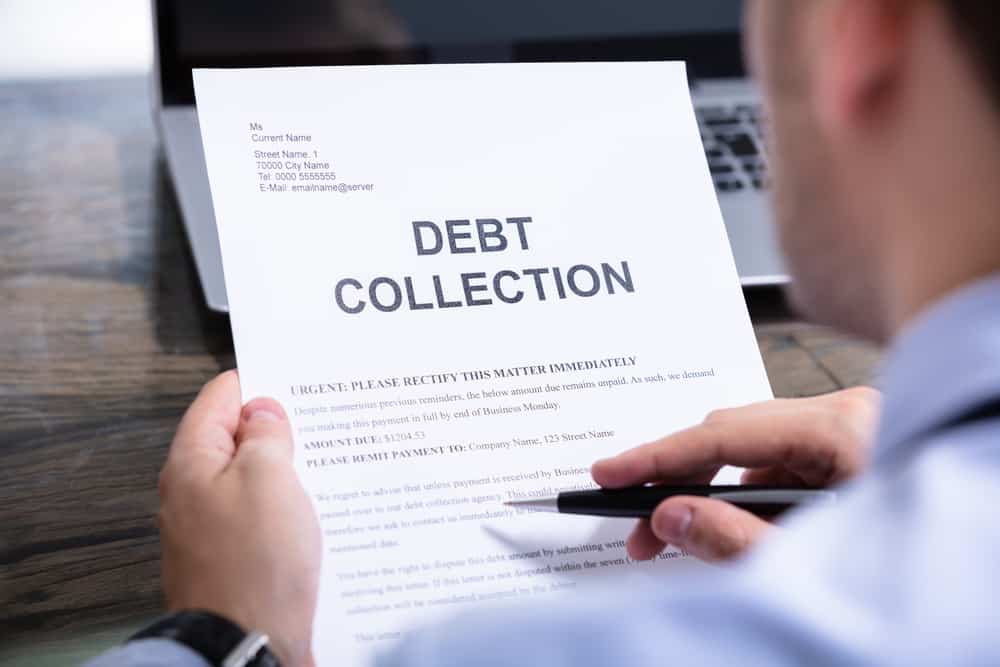
The best way to deal with creditors during this coronavirus financial crisis is to talk to them. It’s crucial that you take action quickly and make the first move to contact them and find out what your lenders can do to help you. The key is to act quickly, as soon as you realize you may miss a payment.
The worst thing you can do is ignore your creditors. Lenders won’t know that you need help if you don’t tell them. Payment deferrals, loan extensions, revised terms or even reduced interest rates are all things your lenders can offer as a temporary solution. But they’ll need to assess your financial situation first. They will take into account your payment history, how soon you seek help and your recent credit behaviour and a number of other factors. If you’ve waited too long and have slipped too far behind with your payments they may not be able to help at all.
It’s important to keep your creditors updated with your circumstances, especially if your finances have been impacted by the COVID-19 crisis and you’re not able to keep up to date with your debt payments. As soon as you let your creditors know you need help, they will try to find ways to help you. So, don’t be afraid to reach out to them.
If you need help to communicate with your creditors about your debt, particularly in knowing what you can and cannot say, talk to us here at Richard Killen & Associates and we can guide you on how to go about dealing with them. We can also advise if you need to contact a creditor in writing. We can also contact your creditors on your behalf and negotiate a new arrangement to make debt repayments affordable for you.
Call us at 1-888-545-5365, or email us at lawrence@killen.ca or brampton@killen.ca and we can set up a free initial consultation on the phone or by email or video conference with you online. We are committed to providing full services in the midst of the coronavirus emergency.
Is Your Canada Emergency Response Benefit (CERB) Safe from Wage Garnishment

The Canadian government has created the COVID-19 Emergency Response Act in response to the COVID-19 global crisis. Under this Act, workers all across Canada who have lost their income from the COVID-19 pandemic will receive financial support payments in the form of the Canada Emergency Response Benefit (CERB). In fact, as of this writing, CERB payments are now being released and many of our fellow Canadians are starting to see this in their bank accounts. The CERB payments will provide $2,000 a month for up to four months.
The CERB covers millions of suddenly unemployed workers, which includes those who have lost their jobs, are not being paid due to COVID-19, those who have become sick or are quarantined and cannot work because of the coronavirus outbreak, as well as people who are taking care of someone who is sick with COVID-19 and working parents who must stay at home to care for their kids because of school closures due to the COVID-19 lockdown. The CERB financial support is also available to self-employed and contract workers not eligible for E.I.
Under the Act, families with children will also be provided financial assistance of $300 increase per child only for the year 2019-2020 through the Canada Child Benefit (CCB), which will be given in the scheduled CCB payment in May.
Can CERB Payments Be Garnished (seized by a creditor)?
For those who’ve had a wage garnishment on their salary before losing their job, and are qualified to receive these support payments, you might be wondering whether the garnishments will continue and if these benefits are subject to a garnishment too. Additionally, can CCB be garnished too?
The general answer is no, but there is a specific exception to be careful about.

The COVID-19 Emergency Response Act, under which the Canadian Emergency Response Benefit (CERB) and the temporary increase of the Canada Child Benefit was created, states the following:
- These support payments are not considered income or property in bankruptcy.
- These support payments cannot be assigned or given as collateral for a loan.
- These support payments cannot be garnished.
- These support payments cannot be kept by the right of set-off by the government for government debts.
To sum it up, under the COVID-19 Emergency Response Act, CERB payments as well as the temporary additional amount from the CCB cannot be garnished as they are considered financial assistance provided by the government and are meant to help you through this difficult financial time. These support payments do not fall under income payments, which are regular payments made by an employer to an employee. These support payments should solely benefit the recipient, not anyone else, which in the case of a wage garnishment, would benefit the lenders. Therefore, even though you have a wage garnishment in effect, you are allowed to keep the full amount you receive from your Canada Emergency Response Benefit and CCB one-time increase.
If a lender or a debt collector threatens you with a wage garnishment and attempts to collect money from your benefit payments they will be unable to do so. Thus, garnishment of wages in Canada can only be deducted from the money you make with your job, and thus requires the your employer’s cooperation.
The exception – when these support payments get deposited into your bank account they are fair game for seizure by your creditors. Once it’s in the bank it is no longer covered by the Act’s protection. It is just money in the bank.
Now a creditor (other than CRA) has to get a judgment against you first, from the court. But then they can execute the judgment by seizing money from your bank account. CRA can do the same thing without bothering to go through the courts by suing you.
One exception to what was said above is if you the money goes into your bank account with Bank A and you also owe Bank A on a line of credit or credit card or personal loan. They can seize your deposit by going to court first.
Talk to a Licensed Insolvency Trustee If You Are Worried About Creditors
As the coronavirus shutdown leads to layoffs across Canada, we see unemployment rising and unpaid debt accumulating. Fortunately, you can rely on your Canada Emergency Response Benefit (CERB) support payments to fully provide a safety net during the COVID-19 crisis, at least for a few months. So, be smart with your money during this challenging economic time.
But, if you are worried about a possible garnishment order from your creditors, especially if you start to fall behind on your payments during this period of health crisis, talk to us and we can provide you with the best information you can get on how you can best deal with wage garnishment in Brampton. All your options, including of course what they call your non-statutory options: bankruptcy and proposals.
We at Richard Killen & Associates are committed to serving you throughout this COVID-19 global emergency. We are still here to offer you all our services: free consultation, debt counselling, and, of course, going forward with a bankruptcy or proposal if you decide that’s what you need to do.
You can contact us by telephone at 1-888-545-5365 for a free consultation now. Or you can email us at lawrence@killen.ca or brampton@killen.ca , or simply check out our website at www.rkillen.ca.
Above all, stay safe.
Contact Richard Killen
FREE No Commitment Consultation
Contact us now for a fresh start!
“Serving Toronto & the GTA for over 25 years.”


Recent Blog Posts
- How to Handle Lingering Holiday Credit Card Debt - What to Do Before It Gets Worse
- Holiday Debt Relief Tips to Kickstart 2026 Right
- January Debt Solutions: Your Fresh Start Begins Now
- Holiday Debt Relief Ontario: Where to Get Help Now
- Avoiding the January Credit Card Hangover: 7 Steps to Stay Debt-Free This Holiday