


Do You Owe Taxes Based ON CERB Benefits?
Hi I’m Richard Killen, you may be like a lot of people who received CERB benefits last year.

You were surprised to find out how much income tax you owe this year on all those benefits.
I’m trying to tell people for quite a while now, that shouldn’t be a real problem for you.
Give us a call at Richard Killen and Associates and we’ll discuss all the options that you can use to resolve that problem.

Facebook Live Webinar: “Getting debt help: Where to go when you face financial difficulties”

CAIRP is hosting a Facebook webinar on Wednesday on how to get help with your debt. You may find this interesting. If you find yourself in debt, watch the webinar, then give us a call. We would welcome helping you to overcome any debt issues you may have.
After watching, Please join us and help spread the word about CAIRP’s free Facebook Live panel discussion being held on November 25th, as part of the FCAC’s Financial Literacy Month.
This webinar is a great opportunity to help educate the public on what Licensed Insolvency Trustees do and how we can help them to better manage their debts. Our speakers will be sharing their views from an industry perspective. We would like to thank those of you who have already shared this event within your network. If haven’t had a chance to do so, we encourage you to:
- Invite your clients and people in your personal and professional networks who you think would benefit from attending the webinar
- Like and share our promotional posts on CAIRP’s Facebook, Twitterand LinkedIn pages
- Put us in touch with your marketing/social media teams to further promote this webinar
Webinar details:
Topic: Getting debt help: Where to go when you face financial difficulties
Date and Time: Wednesday, November 25, 2020 from 2 – 3 pm ET
Speakers:
- Nathan Sugeng, MBA, CIRP, LIT, Managing Partner, Fontaine & Associates, Ontario
- Bridget van Wyk, CPA, CA, CIRP, LIT, Regional Practice Leader, A. Farber & Partners Ltd., British Columbia
- Andre Bolduc, CPA, CA, CIRP, LIT, Senior Vice President, BDO Canada LLP, Ontario
- Tania Daher, CIRP, LIT, Licensed Insolvency Trustee, Ginsberg Gingras, Quebec
Venue: Facebook page of Canadian Association of Insolvency & Restructuring Professionals
How to view the webinar?
To view the live webinar on CAIRP’s Facebook page, please follow these steps:
- Log into your personal Facebook account
- Visit CAIRP’s Facebook page
- Click the ‘Like‘ button
- Tune into the live webinar on the page on Nov 25 from 2 – 3 pm ET
To add the webinar to your calendar, please click here.
This webinar will also be recorded and made available on the CAIRP website. If you have any questions about the webinar or how to view it, please contact jovita.dsa@cairp.ca.
We look forward to seeing you there!
CAIRP Press Release
Fewer Canadians seeking debt relief during COVID crisis, those struggling urged to seek help from licensed professionals.
According to a press release by the Canadian Association of Insolvency and Restructuring Professionals (CAIRP) they suggest that many people who should be seeking the services of a Licensed Insolvency Trustee are not. It seems that between government relief programs and creditors offering payment deferrals many do not feel the urgency to deal with their debt problems. Read the release below.

TORONTO – May 11, 2020 – After consistently climbing higher over the last year, the number of Canadians who filed for insolvency in the first quarter of 2020 was down 5.5 per cent compared to the previous quarter, according to the latest official figures released today. In March alone consumer insolvencies decreased by 8.5 per cent compared to the same time last year.
The decline is largely the result of increased payment flexibility among creditors, landlords and administrators coupled with temporary income supports provided by the government. While these measures have allowed many to make ends meet, bankruptcy professionals agree that consumer insolvencies will spike in the wake of the coronavirus pandemic.
“For those who were already overstretched with more debt than they could reasonably afford, the government relief and short-term payment reprieve have allowed many to stay afloat. But their underlying debt is a gaping hole in the lifeboat,” says Mark Rosen, Chair of the Canadian Association of Insolvency and Restructuring Professionals (CAIRP). “The pandemic will magnify the debt problems Canadians were already facing and insolvency will be the way out for many.”
Prior to the widespread income shock and economic uncertainty brought on by COVID, consumer insolvencies were already on the rise in Canada. In spite of the dip in the first quarter, the total number of insolvencies for the 12-month period ending March 31 increased by 8.4 per cent compared to the same period last year.
With no clear end to the pandemic in sight, Rosen says that severely indebted Canadians should seek professional advice now from Licensed Insolvency Trustees before they find themselves even more in over their heads.
Licensed Insolvency Trustees are federally regulated debt professionals who can offer guidance regarding all of the debt-relief options available to Canadians. With solid accounting expertise and extensive knowledge of governing legislation, they are empowered to provide protection from creditors and can discharge people from debt. They take a customized approach to determine which restructuring option is most suitable based on individual circumstances.
If it is determined that bankruptcy or proposal is the best course of action, the dual role of the Licensed Insolvency Trustee is to ensure that the debtors’ rights are not abused while protecting the rights of creditors.
“For individuals and families in financial distress, the insolvency process is really about moving forward after hardship to focus on a brighter future. For creditors, the process formalizes negotiations and cushions losses,” says André Bolduc, executive board member of (CAIRP) and Licensed Insolvency Trustee.
He points out that as soon as an individual files for insolvency, they are protected from creditors, which can also include protection from collection agency calls and wage garnishment.
“It’s so easy to become paralyzed with fear or shame and let the bills pile up even more but that is the absolute worst thing you can do right now. You do not need to tough out this crisis on your own. Help is available,” adds Bolduc.
In an effort to maintain social distancing measures while continuing to support those in need of financial assistance, many Licensed Insolvency Trustees across the country are providing free contactless consultations virtually or by phone.
You may read the press release here.
If you are in debt, we are here to help you with a debt solution whether it be a consumer proposal or a bankruptcy. Talk to us. We offer a free consultation by phone or by video chat. Call us at 1-888-545-5365
How to Create a Budget with Irregular Income
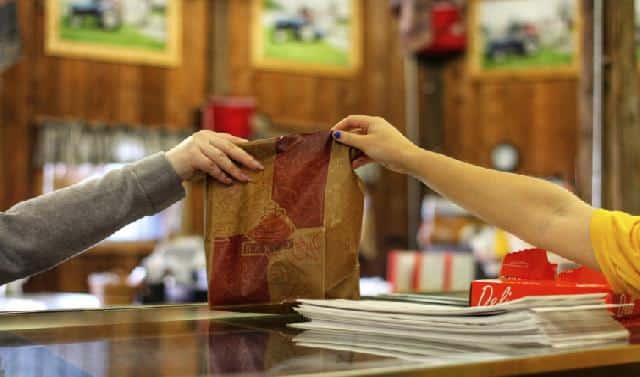
Following a budget can be challenging enough when you have a steady job that pays you a regular basic income, but can you imagine how extremely difficult it can be to create a budget with irregular income?
With a regular income, you can predict exactly how much money you’ll have coming in each and every month and you know exactly how much money you have to cover all your expenses. However, with an irregular monthly income, you have to contend with fluctuating income levels and commissions. It’s tough to plan when:
- You don’t know how much you’ll earn,
- You don’t know when you’ll get paid, and
- You don’t know how much you’ll make the following month.
This is a common scenario for people who are:
- Self-employed
- Freelancers
- Contractors
- Working on hourly rates like bartenders, waiters and waitresses, custodians
- Working on a commission basis like salespeople
- Have side gigs that change up their income every month
- When your income is reduced temporarily, for instance, because of COVID-19
If your income varies wildly depending on the day or season, here are some strategies to help you effectively budget.
Determine your baseline

Start by adding all the money that you are certain of for the month as income. This can be money you have coming in from your side hustle or business, plus unemployment benefits you may be receiving under the COVID-19 Emergency Response Act.
Your baseline is the minimum amount you want to focus on regardless of whether you make more or you earn less, for month by month. This is the amount you will work with to cover the bare minimum expenses you need to pay for on a monthly basis.
Track your monthly spending from previous months

The next thing to do is make a list of your spending and bills. This step is crucial to help you know what you absolutely need to earn monthly in order to pay your bills and get by.
Itemize each expense. For example:
Create a category for Necessities — essential, ongoing monthly expenses:
- Rent or mortgage
- Utility bills
- Food and groceries
- Medical bills
- Transportation and fuel and car maintenance
- Daycare
- Taxes
- Loans and debt repayments
- Savings, investments
Create another category for Discretionary Expenses:
- Cable/television bill
- Entertainment
- Expenses for fitness, sports or hobbies
- Take out or dining expenses
- Shopping for clothing, toiletries
During COVID-19, it may be easier to cut discretionary expenses completely. Expenses for dining out, entertainment and travel won’t be necessary due to social distancing measures. This means you may have more money to assign to debt repayments and savings for the month.
Allocate every penny

Once you’ve created your budget for necessities and added up your unnecessary expenses, you’ll know exactly how much money you need to make it through the month.
Expenses under the Necessities group are things that you couldn’t reasonably live without. So, more or less this amount is fixed. Those under the Discretionary group are the expenses that you’ll need to cut if you’re trying to make your budget fit your income.
The goal is to adjust your discretionary expenses until you’re back to living within your means.
Make sure you divide every income that comes into your necessities before anything else, otherwise you are going to run the risk of spending half of your income on discretionary items and not having enough left over for food and groceries.
Each month, repeat the process and make a new budget based on that month’s income and expenses, assigning each dollar in your budget to a particular expense.
Build your emergency fund
When you are living on an irregular income, it’s crucial to have ample savings to help fill in the gaps when bad months come along. Make sure to allocate a portion of your income into an emergency fund. If you are just starting out, it would be best to put any extra money that you may earn towards emergency savings first. Do this until you have at least three to six months of expenses on hand.

Create financial goals
If there is any extra money after expenses and emergency savings, make sure you carefully plan out what you’re going to do with it. Is it going towards paying off debt? Is it for savings for your children’s college education? Will it go towards your retirement savings? It’s important to set a goal for any excess money you may have so that you avoid the risk of blowing it.
A simple, stripped-down budget where you can see just your essential expenses, and nothing else, can be helpful in managing your spending if you have irregular income and also if you’ve experienced a job loss or if your income is reduced temporarily because of COVID-19. It can help you see exactly where every dollar is going each month and it can help you avoid unnecessary spending. When you budget with irregular income, every penny counts and there’s no room for money to slip through the cracks.
If you have trouble doing this and would like to discuss it we would be very happy to do so. Just call us at 1-888-545-5365 or email us at info@killen.ca.
If things have gotten troublesome with your debt situation, especially with this Covid-19 virus don’t hesitate to contact us for a telephone or Skype interview. We can help.
More Ways to Cut Spending During the COVID-19 Lockdown

As you go through this COVID-19 emergency, you’ve probably already trimmed your budget and cut spending to the bone in an effort to save money and stretch that much needed dollar. You’ve probably already done some of these:
- Deferred mortgage and credit card debt payments,
- Postponed payments for utility bills,
- Trimmed down your subscriptions and forsaken online shopping.
- Chances are you’re eating out less often and also aren’t spending any money on gas or public transit.
So what else is left to cut?
Here are some more money-saving ideas to slash your budget:

Reduce Car Insurance Costs
If your cars are in your driveway more than usual because of the coronavirus lockdown, you might want to consider ways to save money on your auto insurance policy.
One option to save money is to suspend your auto insurance coverage. This essentially pauses your policy but doesn’t cancel it. It will give you two advantages:
- You won’t have to pay for insurance while your car is out of use
- You can avoid a coverage lapse, which could increase your future rates
Not all companies allow customers to suspend coverage, some might allow it only in certain situations. It’s best to check with your insurer to see if this can be applicable to you.
Another way to save money is to reduce your coverage. Consider cutting back coverage that you aren’t using right now, particularly on most of the driving-related insurance like travel coverage or roadside assistance.
Cutting back coverage is a good alternative instead of cancelling completely:
- You don’t have to pay for unneeded insurance while your car is out of use.
- You can avoid a coverage lapse, which could increase your future rates.
- If you keep a comprehensive insurance policy, your car will be covered for non-driving problems like fire, animal damage, vandalism and theft even with reduced coverage.
To start, check coverage requirements mandated by your city or province. This will determine what coverage you can consider reducing on your auto insurance.
Many insurers are also giving refunds to customers because of premium reductions. If you’re driving less often now on a daily basis or you’re no longer commuting, this lowers your risk exposure and could result in a cheaper policy and a lower premium. Be sure to reach out to your insurance company to inquire about these possible savings.
Make That Switch

If you have the time to shop around, it’s possible to get better deals that can let you save money on household bills. Start with your energy bill. You may be able to save money on your energy bill simply by switching energy providers. Some provinces, such as Alberta, Ontario, British Columbia, Manitoba and Saskatchewan, allow you to switch suppliers. It’s easy, find out how to switch energy suppliers.
LowestRates.ca is a great resource where you can compare rates on auto insurance, home insurance, mortgages, credit cards, loans, and even loans to help you save money on most common household expenses.
Take Advantage of Free Apps & Services
Many paid apps, which usually have a seven-day trial period, are offering coronavirus discounts and free trials for the duration of lockdown. So while we’re stuck at home due to stay-at-home orders, we can download these apps and keep our mind off of coronavirus with free movies, TV, music apps, concerts, internet, fitness sessions, classes, etc. – without breaking our budget.
Check out some of these:
- ca – Watch TV and movies including HBO, Starz, Super Ecran and Letterkenny for free for 30 days. Sign up for the extended offer directly on the Crave apps for Apple and Android devices.
- Down Dog – The highest rated yoga app for practicing yoga at home is offering some of their wellness routines completely free.
- Headspace – This meditation and sleep app is offering a collection of free plans to non-paying customers to help ease the stress and fears caused by COVID-19.
Just make sure to cancel once free trials are over if you don’t want to continue with a service so you won’t be charged any money.

In this time of uncertainty, with so many people losing jobs and we are all worried about our budgets, we need to be proactive and explore ways in which we can save money, not just for now but for the long-term. We may need a complete change of spending habits and living below our means, a new way of living that we can stick with once we get on the other side of the pandemic.
If you need help with your money and debts, take the opportunity to speak with us about your financial situation. We will review your monthly budget and provide you with information and guidance to help you make informed decisions about your finances.
N.B. Whatever you do, make sure you do not deplete your savings or cash in your TFSA or RRSP without talking to us at Richard Killen & Associates first.
You can contact us by telephone at 1-888-545-5365 for a free consultation now. Or you can email us at lawrence@killen.ca or brampton@killen.ca , or simply check out our website at www.rkillen.ca. We are committed to fully serve you in this time of uncertainty.
Best and Worst Ways to Get Money Quickly in a COVID-19 Financial Crisis

The coronavirus pandemic has already cost over a million Canadians their jobs, leaving many in a tight spot and wondering how to pay their bills. Many were caught unprepared for the swift financial blow. Nearly 40 per cent of Canadians under the age of 55 who have lost their job have almost no capacity to pay for their bills without an income and have only one week or less of savings to cover emergency costs like food and rent, according to this Global News Ipsos poll.
With many people filing unemployment claims since the pandemic lockdown, we’ve seen how cash is vital in these unprecedented times. Money — that is, liquid cash — is what enables many of us affected by this global health crisis to survive when our income or savings have been drastically reduced or totally wiped out. In crisis situations like this pandemic, even a small amount of cash on hand could actually save lives.
The Canadian government has put out a full range of tools to support the flow of credit to households and businesses in response to the COVID-19 crisis. However, we need to keep in mind that there are pros and cons to nearly every type of loan. So, when you’re searching for ways to come up with cash in this emergency, you’ll need to weigh your options carefully and also think about your future financial health when this crisis is over.
Kelley Long, who is a Chicago-based certified financial planner and CPA, offers this advice,“You want to try to protect your credit and make it as easy as possible to recover once things get back to normal.”
“That can mean selling possessions you don’t need instead of taking out a payday loan, or using a zero-percent credit card instead of withdrawing from your retirement account,” Long adds.
Let’s look at some ways to get money quickly in this economic crisis and weigh in the best and worst points of each:
Avail of Unemployment Benefits

Apply for EI and COVID-19 emergency benefits right away if you’ve been laid off. Employment Insurance (EI) is for permanent residents and citizens who recently lost their job. The COVID-19 Emergency Response Act includes emergency benefits for those who don’t qualify for EI, such as CERB payments which will provide unemployed workers with $500 a week for up to 16 weeks.
- Apply for EI here
- Apply for COVID-19 emergency benefits through either Service Canada or the Canada Revenue Agency (CRA). Do not apply to both.
Be prepared for long hold times and include some room in your budget for any delays or glitches in receiving these support payments. Also, watch out for scams such as fraudulent texts and emails or calls asking for personal information or account details. Banks and government agencies will never send emails, texts, or call you asking for personal information or account details, or advise you of your benefits particularly if you have not applied for these benefits.
One important thing to be aware of: Government benefits like CERB are taxable. So, be prepared in future tax seasons.
Tap Into Your Long-term Savings
There’s no shame in withdrawing money from a long-term savings plan like your Tax-free Savings Account (TFSA) or your Registered Retirement Savings Plan (RRSP) to deal with a short-term crisis, especially if you have no emergency savings or have no savings at all.
If you’re going to withdraw, keep in mind:
- Money in a TFSA can be withdrawn at any time with no cost and that money will be tax-free.
- You can withdraw from your RRSP anytime as long as your funds are not in a locked-in plan.
- Money withdrawn from an RRSP is taxable. One, you’ll have to pay an immediate withholding tax upon withdrawal and, second, when filing your taxes at the end of the year, you must declare the full amount as income and it will be subject to income tax at your marginal tax rate.
- You can save on taxes if you withdraw from a spousal RRSP or a Group RRSP.
Both are ways to get cash without incurring potentially expensive debt, however RRSP money may cost you a lot in taxes.
Unsecured Line of Credit

A line of credit or LOC, also known as a revolving credit, is a good source of emergency funds. It’s like having money in the sense that you can use a predetermined credit limit at any time and you can continuously borrow from it provided you do not exceed the limit allowed.
In an unsecured Line of Credit there is no collateral required, so you’re not putting anything of value at risk.
An unsecured LOC has several advantages to personal loans and credit cards:
- Compared to a loan, you only pay interest on the money you actually use.
- An LOC is reusable, and you can borrow any amount again and again when you need it as long as you stay within the limit.
- You can use as much or as little as you want while staying within limit.
- The rate of interest on LOCs is much lower than on credit cards and those of personal loans.
The biggest disadvantage is if you don’t regularly pay it off, interest will pile up and add up to a large amount and this may get you into serious debt and financial trouble.
Home Equity Line of Credit
If you are a homeowner, this can be a lifeline.
A Home Equity Line of Credit, or HELOC, is a revolving amount of credit that is guaranteed by your home.
- Interest rates are considerably lower than that for unsecured lines of credit because your property is there as collateral.
- You can borrow large amounts of money depending on the equity in your home.
- HELOCs can be used for anything just like cash.
Term Loans
Unlike lines of credit, term loans have to be repaid over a set period of time with interest charges. The interest rate is somewhat similar to an unsecured line of credit. A term loan is a good option to consider if you need to get a large amount of cash up front and repay it in smaller amounts for a longer repayment term.
0% APR Credit Card
Many credit card companies are offering 0% APR periods of one year for new purchases to help their customers get through these difficult times. The advantages:
- You don’t have to open a new credit line
- 0% APR for a year is a huge help and might be enough to get you through three to six months of unemployment or emergency expenses
Call your card provider to ask if this is something that can be right for you.
Delay and Defer

Preserving your cash is a top priority during these financially struggling times and even if that can affect your plans to pay down your debt, that’s okay for now. Make use of deferral payment provisions set up by your bank, credit card provider and mortgage lender. These were created especially to help those who have been financially harmed by the coronavirus pandemic. If you have student loans, the COVID-19 Emergency Response Act includes a provision on deferral of student loan payments for six months and you will not be charged interest or penalties for this. Contact each of your creditors and find out which payments you can defer and for how long.
If you don’t have cash and you’re worried, stop paying that loan for the months that you can and be sure to talk to your financial institution first. This gives you some available cash that you can use to meet your urgent basic needs. In normal times it’s not something we would recommend you do, but in times of survival it can be a big advantage as you won’t have to worry about being charged interest, penalties or fees for the months you skip payments. The drawback is the payments pile up and may become due all at once, so make sure you make repayment arrangements with your lender if you need more time to pay.
Payday Loans

If you have been laid off and have no more paycheck for the next months, this may no longer be an option for you as lenders will require you to provide proof of employment, like a paystub to avail of this.
If you still have regular income, we recommend making this option your very last resort even in a difficult financial situation.
Some things to watch out for:
-
- Payday loans are short-term loans which you have to pay back from your next paycheck.
- The loan is an unsecured loan, but you’ll have to provide a post-dated check for the total loan amount including fees or you’ll have to fill out a form that will allow the lender to withdraw the total loan amount directly from your bank account when it becomes due. If you can’t pay when the loan is due, the lender can help itself to the contents of your bank account.
- Payday loans are an expensive way to borrow money compared to other ways of borrowing money. You can only borrow up to $1,500 and can be charged bi-weekly interest rates of up to 25% or 652% in Annual Percentage Rate (APR).
The biggest disadvantage is that payday loans are a debt trap with extremely high fees and interest rates. If you can’t repay on time you’ll face more fees and interest charges and it can put you in an unending cycle of debt.
Try to find an alternative, and if you can’t, make sure you borrow only as much as you can afford to pay with your next paycheck.
Credit Card Cash Advance

Like payday loans, a credit card cash advance comes with high interest and high fees. Additionally, if you max out your card, it could negatively affect your credit score. If you have a credit card with a low or 0% promo rate, you can make use of this to make a cash advance instead of a regular credit card.
These are scary times and millions of Canadians are in dire need of cash. Although there are many ways to get money quickly to help get you through this COVID-19 crisis, you still have to exercise some control in using any type of credit as this is money that you’ll still need to pay back with interest. Take time to research each way to borrow money and carefully weigh the pros and cons of each so you can avoid short-term decisions that can hurt your future ability to get credit.
To sum it all up.
As you can see, there are many, many ways of dealing with the financial problems resulting from Covid-19 and the government lockdowns. Probably at least one of them will be available to you. But there is one important point I’d like to make: before you go using up your savings or depleting your RRSP or cashing in your TFSA or even incurring additional debts, please consult with a Licensed Insolvency Trustee like Richard Killen & Associates and inform yourself of the complete picture. It may be one of the smartest moves you ever make.
So call us. We’ll be happy to answer all your questions and provide you with information you need during this difficult time. Contact us by telephone at 1-888-545-5365 for a free consultation now. Or you can email us at lawrence@killen.ca or brampton@killen.ca , or simply check out our website at www.rkillen.ca.
How to Deal with Creditors during the Coronavirus Financial Crisis

If you are one of the hundreds of thousands of Canadians who only have CERB support payments to get you through this unprecedented time, and you have monthly debt payments to keep up with, the fundamental question is: How do you deal with creditors in this coronavirus crisis if you are no longer able to pay meet your debt payments?
Here are several things you need to know when making payments becomes hard or impossible:
- If you miss a monthly debt payment one of the first things you need to know is that your creditors have the right to take action to collect payment from you. This means they can call you, take you to court, sue you, and eventually garnishee your wages.
- Creditors will try to collect from you directly as soon as you miss a payment. They will begin with a simple overdue reminder notice. If you miss a monthly payment on your credit card, for example, your bank or credit card company will give you an overdue notice on your monthly statement. If it remains unpaid, this will escalate to phone calls, emails, and other forms of direct contact as long as the creditor is dissatisfied with the situation as it stands.
- You can expect to receive automated late payment notifications as these are system generated messages. It’s important to be aware that creditors will likely continue to send out written notifications of late payments so they can take legal action against you as soon as the courts open.
- If you have generally been current with your payments the good news is that other than the notice on your next statement, you will not likely see collection activities starting immediately after your first missed payment.
- If you have not responded to late payment notices or made a payment on your debt, and your debt is 90 days past due or more, lenders may decide to refer you to a collection agency. Because of COVID-19, this is not likely to happen in the immediate future as many collection offices are shut down or working with limited staff.
- If delinquency remains unresolved too long, the creditor may take you to court (sue you). This will involve filing a statement of claim with the court and serving this document on you..You will have 20 days to dispute the claim, which gives you time to deal with the situation. This too is not an issue right now as the courts are closed, which means creditors cannot start filing any legal action until the courts open again. But they can start the ball rolling in that direction now, so when the court opens for business again, things will move quickly.
- If you receive collection calls and you can’t pay due to a job loss from COVID-19, you should always simply tell the truth. Tell the collector that you’ve been laid off work, and are not able to make payments right now. Though you may run into someone where the compassion gene skipped his or her generation, most collection agents will be prepared to work with you rather than confrontationally against you.
- If a creditor has a garnishee order filed against your wages and your only income comes from CERB support payments from the government, don’t worry, these support payments cannot be garnisheed or applied to debt repayments. Creditors cannot obtain a court order to apply a wage garnishment on social assistance payments, government pensions or support payments. Garnishees apply only to employment income.
- However, if you have a bank account and owe money to that bank, on a credit card or a loan for example – then that bank can take payment out of your account without a formal garnishee and without your permission to apply to any overdue payment. To avoid this situation it would be a good idea never to do your banking where you owe any money. If you feel vulnerable right now due to the Coronavirus and want to change your deposit bank you may consider opening an account at an online bank.
- Finally, if you are in need of protection from your creditors’ efforts to force payment through garnishment or other collection activity, you do have the right to use the Bankruptcy and Insolvency Act and do a bankruptcy or a consumer proposal. In order to explore that option to see if it’s the right one for you, a meeting with a Licensed Insolvency Trustee like Richard Killen & Associates Ltd. will be the next step. During coronavirus time this is now possible by telephone or teleconference.
Communicate with your Creditors
The best way to deal with creditors during this coronavirus financial crisis is to talk to them. It’s crucial that you take action quickly and make the first move to contact them and find out what your lenders can do to help you. The key is to act quickly, as soon as you realize you may miss a payment.
The worst thing you can do is ignore your creditors. Lenders won’t know that you need help if you don’t tell them. Payment deferrals, loan extensions, revised terms or even reduced interest rates are all things your lenders can offer as a temporary solution. But they’ll need to assess your financial situation first. They will take into account your payment history, how soon you seek help and your recent credit behaviour and a number of other factors. If you’ve waited too long and have slipped too far behind with your payments they may not be able to help at all.
It’s important to keep your creditors updated with your circumstances, especially if your finances have been impacted by the COVID-19 crisis and you’re not able to keep up to date with your debt payments. As soon as you let your creditors know you need help, they will try to find ways to help you. So, don’t be afraid to reach out to them.
If you need help to communicate with your creditors about your debt, particularly in knowing what you can and cannot say, talk to us here at Richard Killen & Associates and we can guide you on how to go about dealing with them. We can also advise if you need to contact a creditor in writing. We can also contact your creditors on your behalf and negotiate a new arrangement to make debt repayments affordable for you.
Call us at 1-888-545-5365, or email us at lawrence@killen.ca or brampton@killen.ca and we can set up a free initial consultation on the phone or by email or video conference with you online. We are committed to providing full services in the midst of the coronavirus emergency.
Understanding the Financial Products You are Buying with John Shmuel

This video episode is about financial literacy. John Shmuel talks about understanding and comparing your options before making your financial decisions on insurance and mortgages.
| Richard | Hi, I’m Richard Killen, welcome to The Glass Is Half Full. We’re going to have a very interesting discussion today about financial literacy. And with us, prepared to do that, is John Shmuel. Who, I’m going to have to read this John, because my memory really is not that good anymore when it comes to the details. John is Managing Editor and Senior Writer for Lowestrates.ca. Is that correct? Before that, he spent seven years covering investigating economics for the National Post, which I still subscribe to, by the way. |
| John | Wow, thank you. |
| Richard | In other words, I’ve read you. His reporting has taken him around the world. And, John’s a graduate of Ryerson University and a board member of Society of the Society of American Business Editors and Writers. So, welcome John. |
| John | Thanks for having me. |
| Richard | Pleasure. Now, your company, I understand, has just completed a financial, financial literacy survey. It plays right into the main topic of conversation here. In this survey, you asked 10 questions and many of the finds, of responses, your company found, very, very surprising and interesting. Can you share with us some of those questions and perhaps more, especially some of the answers. |
| John | Yeah, definitely. I’ll start by saying that the goal of this survey wasn’t to confuse or confound people, it was just to really get a sense of how well people understood the financial products that they’re buying. We ask questions like, do you know the difference between a mortgage term and amortization? Which is really important, right? And we found that the majority of people didn’t understand that question. We asked people whether they knew that, whether they were aware that there is no-fee checking accounts available to you, right? Because some banks will offer you checking accounts we have to pay every month. Some do it for free. Most people didn’t know that, that there were free checking accounts. So the questions really were to say, did you know that these kinds of financial products are available? Or do you know what these financial products do? And we didn’t ask, do you know what an E. T. F is or anything complicated? We asked about products that essentially almost everyone needs to use every day. And, we found that a lot of people didn’t know the answers to them. This wasn’t surprising because we’ve done some research into financial literacy, and we found it’s quite low in Canada. And we also found some other interesting stats like people in Canada are more averse to going online and using online products, especially when you look at other countries like the U. S or the U. K. Where there are a lot more comfortable and those marketplaces are a lot more competitive. You can get, there’s a lot more choice for you, there are a lot more customized products. So, we found not only is there a limited understanding of financial literacy and how the products work, but that people are also, for lack of a better word, more conservative when it comes to finances here. They’re afraid to try new things, and that costs them money. |
| Richard | Online is much more popular in the States and then the United Kingdom. |
| John | But by far, those two countries, by far |
| Richard | I wouldn’t have thought there was a difference, maybe it’s part of the Canadian psyche, or something like that? |
| John | Yeah, well, I think one of the reasons is, you know, here we have the big five banks and most people are most comfortable with going to the big five banks. And the U. S. and the UK, you just see a ton of variety. It’s so many small regional players that you can tailor to those regional and local needs. Where it’s here, it’s five banks, five big banks, six to some extent. Yeah, yeah, and you know you’re with them for life, and your parents were probably with them for life and your grandparents were probably with them for life. |
| Richard | That’s interesting. Then, you wrote an article in which you said that there was 40%, let me read this right here, 40% of Canadians don’t realize that mortgage rates are negotiable. |
| John | Yeah, yeah. So this ties into |
| Richard | That’s a staggering statement to make to a lot of people, right? |
| John | Huge. I mean, yeah, it’s almost one in two people that walk into a bank, walk out having never known that they could have negotiated the interest rate they’re paying. Yeah, they had no idea. Right? And that’s such it’s not a level playing field at all. Because if one person goes in, they know they can negotiate, and the other person isn’t even aware that it’s an option. That’s categorically unfair, right? So, yeah, we asked Canadians, did you know that when you get a mortgage, you can do this? And so it’s quite shocking because we’ve run the numbers. I mean, if you get, you know, especially in a city like Toronto, right? The average price of a home here is so expensive. If you get a $1,000,000 mortgage, and you’re talking about 1% point difference in the interest rate that you’re going to pay, I mean, not a lot of people are going to have a $1,000,000 mortgage, but this is just an example, to show you the huge amount of money, just a single percentage point makes, you know you’re talking three versus four every year. Then we’re talking essentially $10,000 a year, right? I mean, it’s huge, it’s a massive amount of money that you’re saving. |
| Richard | Because that will be $10,000 a year for 30 years. |
| John | Yeah, yeah. I mean, |
| Richard | That sounds like about $300,000. |
| John | It’s a lot of money. It’s a lot of money. And even, even a smaller mortgage. Even $400,000. Even $200,000 right? I mean, the percentage points count. |
| Richard | Divided by whatever, right? |
| John | Yeah, Yeah, exactly. And because mortgages, a lot of people spend 25 years paying them, right? So even if you’re saving $1000 a year, that adds up to $25,000 over 25 years. |
| Richard | This goes back to the initial thing said about the people understanding the difference between mortgage term and mortgage amortization, right? |
| John | Yeah, exactly. |
| Richard | If you ask a lot of people when is your mortgage finished? Oh, in five years. |
| John | Exactly. |
| Richard | But it’s not, it’s a 30-year deal. You just have to renew this thing. Renew the rates and renew details of it every five years. |
| John | Exactly. And I think it’s pretty common that people don’t know the difference. I don’t think that’s, I think you could ask anyone, most people you know and they couldn’t tell you the difference, right? So, that all plays into just, you know, it’s good for financial companies when people don’t know, it’s good for them, right? I mean, they don’t want to give you a lower interest rate. Whether they’re renewing or buying, right, they walk in and if they can make that $1000 extra a year, that’s great for their bottom line, right, so they have no incentive to look out for consumers. And so this is one thing where you know, we have to ask, How do you make people aware that when you get a financial product, you could negotiate something like a mortgage, right? So that’s something we’re looking into and trying to help with financial literacy. |
| Richard | Insurance is an integral part of financial planning in the first place, and basically, for anybody, especially a family person, it’s a necessity for the future of your family. |
| John | Absolutely. |
| Richard | How do people see this? Am I right, in that? And secondly, how do they get over that? |
| John | Yeah, well, you’re absolutely right. I mean, we’re, you know, we’re a rate comparison website, that allows you to compare auto insurance and home insurance. And, we find that there are a lot of people that visit, but we also find that there are a lot of people that will follow up and say, wow, I had no idea that this was so important, or I had no idea that I could even do this. And then when we ask people you know what, why didn’t you know that you could compare auto insurance? And it’s like they tell us because it’s the bottom of the list, you know, if they have a to-do list, insurance is on the very bottom. For people, it’s just for them. There’s a couple of things working against insurance. Number one. it’s often optional, right? So you don’t have to get home insurance, right? You don’t have to get life insurance if you’re traveling, you don’t have to get travel insurance. But, it’s also one of those things where you know, if you don’t get a checking account today, you can get a checking account tomorrow. But when you need insurance, if you get into a car accident or something happens to you when you’re traveling, you can’t call your insurance company and say, can I actually get insurance? Yeah. Yeah, right. That’s it. |
| Richard | By the way, the accident happened 40 minutes ago. |
| John | Yeah, exactly, right? No, that’s it. That car is totaled, and you’re going to have to pay out of pocket. Or if you’re traveling and you get sick, that hospital stay, which I mean, you know, you hear the horror stories of $200,000 or $300,000, the hospital bills from traveling overseas without insurance that you’re stuck with that. You know, all of a sudden you’re talking about bankruptcy. You’re talking about, you know, a situation you never want to deal with. |
| Richard | Yeah, I see that in my business. |
| John | Yeah, absolutely, right. I mean, you could probably speak to that more than anyone. And so insurance is one of those things where, unfortunately, you know if you do need it, you don’t have it, it’s too late. And but because of the optional nature, I think a lot of people don’t think about it, and the fact that it’s just, it’s convoluted. It’s complicated. |
| Richard | That’s where I was. My mind was going there, thinking about some of the issues involved. People fighting insurance, basically, I suspect that just an insurance contract, just what you have to look at to sign and all that, just confuses the heck out of people. |
| John | Definitely. It’s this huge text of 1000 situations that it covers. |
| Richard | Written by the lawyers, kind of thing. |
| John | Yeah, it literally is fine print. All of it is fine print. Your entire insurance booklet is fine print, and that scares people. That’s daunting. And that also is |
| Richard | Is there a shortcut to that? Can people, say, look, I can’t read all this stuff? I get lost? |
| John | Absolutely. |
| Richard | But is there something that I can learn and know, that takes me to the part that matters? |
| John | Yeah, I would say, if your getting insurance you need to have, you know, you need to talk to the insurance company or the broker that you’re getting insurance from and say I don’t understand this, can you take me through it? And if they say they don’t have time and you can read it yourself, you know that you’re dealing with a person you don’t want to be getting insurance from, right? So, that’s the first thing. Whether it’s a broker which is essentially someone who will sell insurance from various providers and try to find you the best deal. Or, you know, whether you go directly to an insurance company, like one of the big insurance companies. When you’re buying, you have to say, I don’t understand this product, I would need you to help me understand it before I buy it, can you do that? That’s the first thing you should do. |
| Richard | You mentioned a broker, who does the broker work for? |
| John | I mean, the broker works for themselves, right? Essentially there, |
| Richard | Is he working for you or the insurance company? |
| John | So, brokers on our website, particularly, in general, |
| Richard | We will come back to your website. |
| John | Yeah, definitely. Okay, so I mean, a broker essentially makes commission on insurance policies they sell, right? They need to sell those insurance policies to make commissions. Yeah, exactly. But at the end of the day, they want |
| Richard | You provided the money? |
| John | Our company? As an individual, yeah. |
| Richard | The buyer provides the money. |
| John | Yeah, exactly. So, as a buyer, you pay the premium and the insurance company pays the commission. Yeah, exactly. But at the end of the day, brokers, you know, they thrive on word of mouth, right? They have to have good word of mouth. They have to have a customer that says, Hey, I have a great broker like you should use him, right? So I think intrinsically brokers, they’re driven towards good customer service, right? But insurance companies, to an extent, but at the end of the day, it’s about the bottom line, right? They have to make more money than they pay out in claims, insurance companies have to be profitable. |
| Richard | So you’re, to keep it really relatively simple, maybe overly simple, you’re better off with a broker. |
| John | I think if you don’t understand what you’re doing with insurance, definitely, because you’re paying the broker for advice, right? I mean, that’s the |
| Richard | And the broker can shop. |
| John | What it comes down to is that they can shop for you. And, you know, you can call them up and say, I’m really, I don’t understand this policy, can you help me with it? Yeah. The big advantage of brokers is that they essentially shop for you. They find the best deals for you. Whereas the insurance company you are getting that one price, right? |
| Richard | Who you’re dealing with, is locked into whatever product they have. |
| John | Exactly. Yeah, exactly. Yeah, I was going to say, you know, when we talk about insurance being extremely boring and people not wanting to deal with it, I think a big problem that arises from that is the fact that this is actually a product that you need to really understand, that, because if you’re buying home insurance and your basement floods, most people don’t know that home insurance actually doesn’t include overland flooding. So you have to buy extra coverage to protect your basement from flooding. So you find people in these situations where they think they’re protected and they’re not. And in some cases, from the most common thing that you’re hoping to insure yourself against, right? Because I think between fires and floods of a home, those are the two most common things. |
| Richard | You’re not likely to have an airplane fall on your head. |
| John | Exactly, right? I mean, you’re not insuring yourself for a missile hitting your house or something in Canada, right? I mean, you’re hoping to protect your home from probably flood or fire, it’s the most common thing. |
| Richard | Unless the Russian aim is off. |
| John | Yeah. Who knows with the geopolitical situation today where things are going to go, but yeah, I mean, you would hope that you would think you have home insurance. My basement floods, you call up your insurance company, my basement flooded. I’m going to have to do a lot of repairs. I hope I’m covered. And then all of a sudden, they tell you, “No, you’re not. You don’t have overland flood insurance”. And it’s because all you had to do was take the time to ask a question, right? What’s covered? Exactly, because you don’t know. |
| Richard | You don’t appreciate that it might not be included. Make assumptions. House insurance is house insurance. |
| John | You would think. And that’s misleading in and of itself, right? While it almost seems random that one of the most common things people hope to ensure for, is not included in a base package. |
| Richard | Incredible. Are there any other pitfalls? Let’s go back to mortgages for a minute, if you don’t mind, John. We’re talking about shopping for mortgages. The same subtleties apply in mortgages? |
| John | Yeah, absolutely. There’s so many different kinds of mortgages. We got a fly in the office. Yeah, absolutely. There’s so many different kind of mortgages. There’s an open mortgage, a closed mortgage, a variable, a fixed. You have mortgages that charge different penalties for canceling early, and that’s an interesting fact. You know, we did a study that says most people break their mortgage before the five-year terms over right, because you might buy a small home, a starter home, and all of a sudden you have a kid and you need to move up, right? So, a lot of people don’t know some mortgages will be very forgiving for breaking early. Others will be very punitive. They’ll hit you with a lot of interest charges for canceling early. |
| Richard | Does this affect the rates? |
| John | Yeah. Yeah, absolutely. So, you know, whether you’re getting a fixed or a closed, that will affect the rates. |
| Richard | If it’s wide open? |
| John | Excuse me, an open or a closed, that will affect the rates. |
| Richard | So if you were to break a mortgage at the three-year mark, on a five-year term, on a friendly mortgage, you’re not going to pay anything. No penalty. |
| John | You probably will, but it will be, well, if it’s open you won’t. Yeah. Okay. So if it’s a closed mortgage you will. |
| Richard | It’s a mortgage that you can do it and not pay a penalty, but you are going to pay a higher rate for that mortgage. |
| John | Yeah. Yeah, you’re essentially paying for the luxury of freedom, right? But you might want it if you know that, Oh, I might be expecting children in the next few years, and I might want to go up to another house. |
| Richard | You have to give anybody with a mortgage, especially if its the first mortgage when their new to the whole thing, is give a little thought to what the next five years is likely to bring. |
| John | Exactly. And that could be hard, but yeah, I mean, a lot of people aren’t even aware of the differences right? I mean, we were not taught about mortgages in school. |
| Richard | And, this is what financial literacy is. |
| John | Yeah, absolutely. It’s the most, it’s the biggest decision you’re going to make. And most people have a crash course in mortgages when they’re about to bid on a home or in there in a bidding war, and all of a sudden they need to get a mortgage, and they have, you know, 24 hours to decide, and they have to learn everything they can in that 24 hours for the biggest financial decision they’re going to make, right. That’s so common. It’s so common. People find themselves in a situation, and that’s a terrible situation. Being 24 hours to make a $400,000 decision or whatever your home costs. |
| Richard | A lot of things, most people would get much more foresight, too, whatever it is. And here is the biggest thing, and there’s no forethought given. |
| John | Absolutely. |
| Richard | Why is that? |
| John | Well, I think it’s an industry problem. I think it’s an educational problem. I mean, you know, in school we’ll learn, as useful as it is, you know, my sister’s an engineer, but we’ll learn algebra in all these theoretical forms of math. But what’s stopping us… |
| Richard | Nobody teaches you basic budgeting. |
| John | Exactly. Why isn’t there a course right in school that says, here’s what you need to know about your mortgage, here’s what you need to know about your first credit card, here’s what you need to know about getting auto insurance when you’re 16 when you’re most likely in an accident? You know, I wonder if young drivers would be more responsible if they just got sat down and said, you know, here’s what’s going to happen your insurance rates and how mad your parents are going to be when you know your monthly, they have to pay $600 a month or whatever it is, to ensure you because you got into an accident, right? Just taking people through these things because they don’t think through them. Exactly. Yes, and I think because we’re not prepared for it, we don’t think about it. And when you’re buying a home you’re thinking about a mortgage, the home decision itself is so stressful, right? That’s where your laser-focused on what’s a good neighborhood. It’s emotional. There’s so many things going on and playing. You have two people. If, I mean you might be buying by yourself, but let’s say you have two people trying to make a decision on one place to live right, and that can be contentious. And so the mortgages almost you know, the money part is almost an afterthought. Yeah, exactly. And so that’s why we just, you know, I think a), there’s a role for schools to play. Where their part of being an adult is learning about how to manage your finances properly, and you know, it’s good to see that the Ontario government, I think they’re doing a pilot program now. Yeah, for financial literacy. But why, in 2019 is this finally happening, right? Why wasn’t this done 30 years ago? We have so many people in debt as you’re more than aware, you know, people struggling with bankruptcy, because, you know, in some cases, it had nothing to do with financial literacy. In other cases, if they had only known right? If they had only known the repercussions of taking on something you can’t afford. |
| Richard | On the plane of telling people about options that they might not appreciate that they have, is that if you come and see me, you don’t necessarily have to go bankrupt. We have this other product called a proposal that allows you actually pay your way out of the problem, right? Half the people we see nowadays actually prefer that, to use that option. |
| John | And they probably don’t even know what a proposal is, right? |
| Richard | They might see a bit of it on TV, advertisements, and all that. |
| John | About it. |
| Richard | I’d like to go back to something that we discussed just a few minutes ago. We talked about it, but perhaps didn’t focus enough on this, the idea of renewing and probably the rest of the world is something like me, my car insurance has been with the same company for the past 50 years, 51 years I think, and the insurance comes in, we sign, send it back, and that’s it. |
| John | Pretty common. |
| Richard | I didn’t even read it. |
| John | Pretty common. Yeah, |
| Richard | Look at the money, what the premium is going to be, and if it doesn’t differ too much, or perhaps even doesn’t differ at all from last year, sign here, and away she goes. Partly is, we’re fairly happy with the people, although I don’t think they know who we are anymore, but the other thing is that it’s more trouble than it’s worth to do anything about it. We think. But I think you have a different view on this? |
| John | Yeah, definitely. I would like to start by saying it’s, that’s absolutely a very common situation. I think most people when you get insurance, you remember all the paperwork, all the time that went into it, and you just don’t want to relive that, right? In your mind, if you’re switching a provider, you’re going to have to go through all that again. So I think people see that renewal in the mail. Like you said, if the price looks good, why do anything about it, right? But it’s one of those situations where you don’t know what you don’t know, right? So you don’t know whether that price you’re paying is actually good. |
| Richard | I’m going to find out what I don’t know here. |
| John | Yeah. I hope so, yeah. I mean, hopefully, I’m casting. |
| Richard | Some of the folks out there will be finding out something. |
| John | Yeah, hopefully, I’m shining a light on insurance, but, you know, you might think $1400 a year is great. But then there might be other providers out there who, you know, may offer you a discount for, you know, working for a particular company or going to school at a particular school, right? Alumni discounts. They might offer you discounts for X amount of years of safe driving. There might be senior discounts, their might, and not every insurer does this right. Certain insurers offer certain discounts whether they’re targeting a particular demographic or what have you and you don’t know unless you compare your options, right? So even though you think you might be getting a great rate, there might be an even better rate out there, right? And I think…. |
| Richard | But, that sounds like a lot of work. |
| John | Well, I think up until recently it was a lot of work. But with the dawn of the Internet, and I mean our website, you get 30 plus quotes in three minutes. |
| Richard | On your website? |
| John | On our website, you fill out your information, tell us what car you’re driving and then you get the quotes and it’s free. It’s quick. You can see the quote. You don’t actually have to go with the quote, but you should be doing that every year. I mean…. |
| Richard | I’m going to interject something, or interrupt you with, I’m sure there’s a lot of people going, and what’s that Website again? |
| John | Lowestrates.ca |
| Richard | Lowestrates.ca |
| John | So that’s something again because it’s free and because it literally takes three minutes, there’s no reason why before your renewal comes up, you wouldn’t go on the website and compare, right? There’s no obligation to get, you might compare and say, Well, I actually am paying the best rate, and then you have the comfort of knowing that you are. But auto insurance is one of those spaces where it’s so competitive where we find, for instance, if you get a quote on our website between those 30, sometimes the difference between the cheapest and the most expensive can be over $1000 a year. Yeah, it’s incredible, right? You’re talking about serious money that you can save. And again you might find that you are, you know, paying the cheapest. But you don’t lose anything from comparing, right? So that’s something that we try to really educate people on because the renewal letter coming in and people just being like, That’s great. I’m renewed, you know, for another year. No problem. Very easy. It’s it feels so simple. |
| Richard | The renewal comes in and you look at it and you say, it’s not going to change my lifestyle. |
| John | Yeah, you just. That’s it, right? I mean, you don’t have to say yes, right? They take no response as default. Yes, you’ve agreed to another year with us. That’s how easy they’ve made it, right? |
| Richard | Sometimes I wonder if I can be pushing for that in my business. |
| John | I mean it’s a great thing to have in a business. But it’s not, it’s not right for the consumer, right? I mean, it literally lulls consumers into a sense of complacency, which is what any company wants. So they keep using the product, right? So that’s why this all plays into financial literacy. It’s just being aware of what you can do and what you should do to ensure that you’re saving money. And this is not small money. As I said again, it’s like that difference I said, $1000 right between the top and the bottom one. We’re talking about a lot of money here, and just knowing this is just a simple thing. |
| Richard | It’s not just car insurance, it applies to other forms of insurance as well? |
| John | It does. Yeah, it applies to home insurance. Home insurance is an area where we’re seeing prices rise significantly because, you know, we’re seeing these massive storms keeping Toronto flooded basements. That’s one area where your basement floods…. |
| Richard | Climate change. |
| John | Climate change. And the home insurance industry there, you know, saying that home insurance rates are going to go up. You know the forest fires in Alberta that, you know, almost burned down Fort McMurray. Rates are going up for everyone. Just because nothing’s happened to your home, if an insurer is ensuring a lot of people in your province that’s something, if a huge flood hits the province, they’re probably going to raise rates for everyone to compensate for those claims they’re paying out. So you can’t have your head in the sand, you need to be aware of stuff like that. You need to be aware of what you can do, which is comparing and ensuring that your rates don’t go up, and just see what everyone else is offering you. |
| Richard | So Lowestrates.ca |
| John | Lowestrates.ca |
| Richard | Most of those questions, in fact, most of those questions will be asked on your behalf? Just when you dial in, the answers will be there. |
| John | Essentially, yeah, try to make it easy. |
| Richard | I don’t want to make it sound too simple, but simply the better for most people. |
| John | Yeah. |
| Richard | It helps people understand insurance, if I’m any example, and naturally, the illiterate when it comes to finances and insurance, and all that… and for a period of time I tried selling life insurance… |
| John | I think that’s the default position that most people don’t know about insurance. Yeah. |
| Richard | It was certainly a fault for me, but that’s why I don’t do that anymore, hard job. But people do have a tendency to be flummoxed a bit by the whole concept of insurance, we talked about this earlier. Yeah. But start off at the beginning here, when I mentioned that we were going to talk about financial literacy, what you’ve done is you’ve given us a ton of examples of financial literacy, okay, but let you talk about the term itself, financial literacy? |
| John | Yeah, I mean, it just comes down to understanding how to manage your money, right? How to make smart decisions with the financial products you get, understanding what they are and what they do. |
| Richard | Is it kind of like a recognition that no matter what your financial, what you’re dealing with, doesn’t matter, could be dealing with something at WalMart, that there’s always another point of view on this particular price, or product. Yeah. Or sometimes it might be worth investigating. |
| John | Yeah, exactly. I mean, I think more people know that you can get coupons from superstore flyers or, you know, grocery store flyers on and save money on your groceries, and they know that you can essentially do the equivalent of couponing for financial products, right? I mean, there’s, it’s just understanding that you know, you can negotiate certain things that you can get better deals. Yeah, most people. And I think there’s also this preconception that the financial world is so complicated. You know, we always hear this thing. I’m bad with money and, but that’s, you know, don’t make that your default mindset, right? Take the time to say, Well, maybe I don’t understand this, but I can learn about it, right? Just like you can learn about couponing, and you can go through and see what the best deals are. You can do the same thing very easily with financial products, so I think for a long time, and, you know, financial companies don’t want people to know. They’re in a better situation when people don’t know because they can charge more. They can charge more, they can keep consumers complacent. As we said with the renewal situation. So anything that I think especially, you know, Canadians can do to educate themselves about money and finances and financial products. It’s, you know, maybe you’re in a situation where financial literacy isn’t gonna help you, right? You’ve had bad luck in your life and it doesn’t matter if you understand about mortgages, you can’t get yourself out. But the one thing we say about financial literacy is it will never hurt you to learn more, right? And it might not necessarily help you depending on your situation but will never hurt you. And for a lot of people, it will help them. It will help them before you know they renew their car insurance or when they’re getting a credit card, to understand what the best product is or what the best deal is out there. |
| Richard | You mentioned credit cards, we’ve been talking about insurance and mortgages, and all that, but it almost applies to credit cards as well? |
| John | Absolutely. We had a customer the other day email us and say they had no idea that they could, you know, that they were paying 20% in interest, and there was a credit card that allowed them to pay 0% a promotional offer for 12 months, and it was a big game-changer for them. So again, and maybe that’s not right for everyone. But just you’re surprised at how many people will reach out to you when you’re talking about financial literacy and say, I had no idea I could do that. And, wow, that was so big, that was a game-changer for me. |
| Richard | You made a comment about the tendency, put it that way, the tendency of institutions, companies to prefer the buyer, their customer, to be relatively ignorant of the facts of life, if you want, of their product and what they do. It’s an interesting thing, because in my business, the whole point, if you want my being here, is to make sure that people do know everything that they can know before they go ahead and make a decision about what to do about their financial problems. |
| John | Which is how it should be. And I don’t want to say that, you know, banks are actively trying to pull wool over our eyes and keep us ignorant. But you know they don’t have any incentive. Yeah, they don’t have any incentive to educate or say, you know, maybe it’s not a good idea if you take out this line of credit, right? I mean their entire businesses is built on, hopefully you will take that line of credit. |
| Richard | In fact, I would suspect that for a lot of their employees, getting too deeply into all the nuances of things is enough to scare a customer off. |
| John | Probably. Yeah, it goes back to that insurance example, right? It’s… |
| Richard | Like the guy across the street who doesn’t explain anything. |
| John | Yeah, exactly. And you know what? These products are so complicated where customers probably if you haven’t taken it some time to, you know, educate yourself on financial or see they don’t even want, you know, the adviser or whoever you’re dealing with to go too deep, right? It’s going to scare them. |
| Richard | Very, very interesting John. Very interesting. One more thing. I want you to repeat this. Where can people go to get these answers, and in fact, the questions, too, to help themselves become financially literate? |
| John | Definitely. Yeah. Again, that’s Lowestrates.ca. |
| Richard | Sounds great. |
| John | Thanks for having me, Richard. |
| Richard | Thank you. Thank you for being here. |
How to Restructure Your Finances in a Covid-19 Crisis

The COVID-19 crisis continues and with the lockdown extended many businesses will continue to be closed and people will be out of work longer. While many Canadians are fortunate to still be working, the threat of suddenly getting laid off from work looms for many as the future is still uncertain. Understandably, everyone is worried about their finances. No one can escape, one way or another we all feel the economic impact of COVID-19.
Our government and those in positions of authority are doing what they can to help. We need to be proactive and help ourselves as well. One of the things we can do right now as we are facing unprecedented times is to review our budget and see where we can cut back expenses — let’s not wait when we have already lost our job or if our next paycheque is reduced.
Here are some suggestions on what you should do to restructure your finances in this difficult time:
Set your current budget differently
If you don’t have emergency savings right now, it might be a little late to save up. What you can do now is restructure your current budget into an emergency budget. We do not know the long term financial impact this pandemic will create, so we need to set up a new budget based on our current financial circumstances while anticipating any future financial turn of events. You may need to consider a reduced level of income and possible changes in monthly expenses.

Sit down with all family members and have an open discussion on ways to reduce expenses in the household so you can have the money saved and used for important essential expenses.
Some areas to look into:
- Cancel monthly expenses for gym memberships, newspaper and magazine subscriptions
- Put expenses for transit passes and parking permits on hold if possible
- If you have two cars and are not using both at this time you can find out how you can reduce extra vehicle insurance — it’s possible to save several dollars a month by temporarily cancelling the insurance or choosing to remove or reduce liability and collision.
- Remove special channels from your cable package to reduce the total amount you have to pay each month if you can’t cancel completely.
- Reduce spending on buying in-app items, downloading games, music or pay-per-view movies, or other non-essential shopping online.
Many of your expenses will be less or different than before the COVID-19 crisis hit — fuel costs will be minimal as you may now be working from home, daycare expenses can be omitted for now because of school closures, expenses for entertainment and recreation like eating out and watching movies can be eliminated for now because of the lockdown.
Use a budgeting spreadsheet or budget workbook and start outlining all of your expenses. Just skip over the income section if you don’t have any now or aren’t sure how much you’ll actually have, and start listing the most important expenses first — rent, food, and medicines are your primary basic needs now, but also account for immediate utilities like power, water, gas, and communication needs like internet and phone bills.
If you don’t have enough money to cover all utility expenses, contact each service provider to see how you can reduce what you need to pay by at least 10 per cent. Many utility and communication providers are offering extended and flexible payment arrangements. See if you can scale back your service plans temporarily to save a little on each bill. Be careful of fees and interest charges that may be hidden in the revised terms. Any flexibility with your payments that you can find right now, take it so you can stretch your money for as far long as you possibly can and, if possible, you can start putting some of it away in case things get worse.
Halt RRSP and TFSA contributions

In any situation that money is tight and you’re forced to choose between paying bills and saving, always pay your bills first. While it’s important to save for the short term as well as the long term, it can be difficult to set aside money for your RRSP and TFSA savings right now with your income gone or drastically reduced. Experts say that the best thing you can do right now is to leave your RRSP and TFSA savings alone. Continue putting money into them if you are able to, if you cannot just leave them as is.
You may find the need to tap into your RRSP and TFSA savings to tide you over during this rough financial patch, but experts say the best thing to do is leave them untouched. In many ways, it can be difficult to access savings that are in a TFSA with many banks closing its doors to customers now, and you will also most likely face penalties for withdrawing money from an RRSP before retirement.
If your current income permits you to save a little bit every month, the best thing to do under these unpredictable circumstances is to stash it away in a high-interest savings account even if the interest earnings go down. All that matters right now in these uncertain times is to have money set aside that you are able to quickly and easily withdraw in case of an emergency.
Reduce loan repayments
Loan repayments will be an important part of your emergency budget, and if you’re still able to make full repayments on your loans, then you should continue to do so. However, if you’re in survival mode and your situation is at a point where you need to choose between putting food on the table and paying down your debt, then your priority should be to meet your immediate need for food. Make the minimum payments on your loans if you can, and make alternate arrangements with your lenders as soon as possible to keep debt repayments on track.
Many of Canada’s banks and lending institutions have all announced that they will review requests for assistance on a case-by-case basis. This assistance may come in the form of mortgage payment deferrals, loan extensions, revised terms or even reduced interest rates. What your lenders will be able to offer you will largely depend on several factors:
- what you need help with,
- your payment history,
- how soon you contact them, and
- your most recent credit behaviour.
A critical step here is to contact your lenders as quickly as you can, before you even miss a payment. If you think there is a possibility of losing your job in the near future, or if your income has been reduced and you realize you can no longer afford to make the payments, talk to your creditors immediately and they will be in a better position to help you.
Also keep in mind that any revised arrangement on a loan means new terms and conditions, so make sure you understand any revisions made. Another thing to remember — deferring a loan payment only means skipping the payment for now and paying it at a later time, it does not mean that the debt is eliminated. You will still have to pay, and if you’ve not made any arrangements with your creditors these payments will add up all at once once the extension period is over. And don’t forget that if you get to skip a payment it doesn’t mean your interest charges were skipped, too. The interest accumulated even with the payment skipped.
Seek advice to ease the uncertainty. Keeping a roof over your head and food on the table is the most important thing right now, even if it means reducing debt payments and savings.
However, If you’re facing looming debt problems due to COVID-19 and are worried about how it will play out, the best thing to do is to seek help from a Licensed Insolvency Trustee (LIT) like Richard Killen & Associates Ltd. We will review and assess your current financial situation and give the best advice on how to deal with your finances in this COVID-19 emergency.
We can also get involved on your behalf. We can help you restructure your entire relationship with your creditors. Sound advice from a LIT can be critical in helping you find the best option and empower you to make the best decision for you and your family at this time of crisis.
We at Richard Killen and Associates remain committed to help you in this global health emergency. If you need to talk with us, contact us anytime at 1-888-545-5365, or email us at lawrence@killen.ca or brampton@killen.ca and we do the free consultation on the phone or by email or video conference online. You don’t have to spend the next numerous weeks worrying about the future.
Tracy L Clark – How To Listen To Your Intuition And Change Beliefs
This video episode is about listening to your body and getting in touch with your intuition.
| Richard | I’m Richard Killen, welcome to The Glass Is Half Full program where we try to show people some really interesting ideas about what they can do to make life better for themselves, without necessarily having to spend the bank. I’m joined today by Tracy L. Clark.
Tracy, I’m going to have to read this Tracy, I’m sorry. I’m going to put my glasses on because at my age you need things like that. Tracy is a remarkable leader and pioneer in the field of Body Regeneration. She is the Founder of TLC Community of Extraordinary Living and Creator of The Body Regeneration Method. Did I get it all right? |
| Tracy | That’s correct. |
| Richard | Tracy serves on a global level as a Facilitator, Soul Specialist, Teacher, International Speaker, and Humanitarian. Now I’m going to introduce you properly here and beyond these things. |
| Tracy | The semantics. |
| Richard | Let’s talk about the real you. Tracy came into this world sick, riddled with physical ailments and disease. She was born with legs and hips detached, a hole in her chest, stomach valve closed shut and an extremely damaged nervous system. That I truly believe must have caused you excruciating pain. At the tender age of five, on top of all this, Tracy was kidnapped. I think we’re going to want to hear about that one. This terrifying event acted as a catalyst that began opening Tracy to her gifts in a unique way. It took several years for her to be able to understand what was happening to her. Now she teaches people to unleash the power within themselves. She teaches that “Whispers of the Body” are telling you so that you can fall in love with your life. Not many people fall in love with your life. I certainly want to hear about that one as well Tracy. Tracy holds many transformational events both here in the Toronto area and online. So, Tracy, welcome to The Glass Is Half Full. |
| Tracy | I’m so happy to be here. |
| Richard | Now, much of what you do revolves around teaching people how to interact with their body, basically? |
| Tracy | Their intuition. |
| Richard | And, changing basically, their beliefs, their approach to all of this. Now, before we get into that, I think we have to really ask you to tell us your story? |
| Tracy | Yeah. You know, you said it really well, with the introduction there. I have to say it was trauma after trauma. And before I was kidnapped, it was interesting because my sister, my mother and I at midnight, we’re also kicked out of our home. As our father moved in with his girlfriend and we were on a bus and ended up in a women’s shelter the next day. So we had a lot of pain, suffering, trauma, and that was life, I thought that was normal. A lot of you can imagine there was a lot of fear around my mother with poverty and welfare and living in a, we lived in… |
| Richard | This was when you were pre-school? |
| Tracy | Yes, I was three, when we lived in a very small apartment. We had a mattress on the floor and my mom would pretend we were camping because it was that bad. So it was trauma after trauma after trauma. So I know when I tell people to live a really good life. My whole life, I walked around like a pezz doll and my whole body shook like those people thought I was having seizures. I had many, many experts tell me you’re not going to change your body. You’re not gonna be able to shift it. You’re going to live in pain. I lived on a mask to breathe because my asthma was so bad. I had croup and bronchitis all the time constantly coughing stuff up. I actually almost died when the doctor came in and said, Wait a minute, we were in a small town, Flynn Flawn, Manitoba, if anybody knows where Flynn Flawn is? I always say I was built. It’s a gold mining town. So back then I said I was born on a pile of gold. Time money born on a pile of gold. But just before, I had thrown up a lot, I couldn’t keep food down and a Doctor came in and said, I think I know what’s wrong with your child. He wasn’t from the community, and he did, it was very rare for a girl like that, you know, early 70’s to have their stomach valve sealed shut. So he opened it and I was actually ready to go at that time. I’ve had three near-death experiences. So when I can say I kept saying the other side was a lot better than this side. And I know what it’s like when you’ve struggled, you know, physically, mentally, emotionally, financially. And you just think there’s nothing. I was miserable. I was miserable until I hit 32. Complete misery. |
| Richard | And now you teach people. |
| Tracy | Yeah, and now… |
| Richard | To overcome what they’re going through. |
| Tracy | What they’re going through… |
| Richard | To make their life better. |
| Tracy | Yeah, because I can relate. I understand. I know what it’s like when you’re at the bottom? I know what it’s like to have your last $1000 in the bank. I know what it’s like when doctors constantly are telling you you’re never going to fix that. You’re never going to get over that, you’re going to live with it. I was really the youngest kid in Canada, five, diagnosed with ulcers, diverticulitis, and irritable bowel syndrome. That’s how much stress I had in my body, just from life circumstances that were going on. And then just before I got kidnapped, I got hit by a car and almost died because they ran over me and I was into the hospital and I was like, Yeah, on the, I remember these. So I’m like, it was thing after thing after thing and people look now and they’re like, How can you have this beautiful life? I had to get up and I had to make some changes. Get out of my victim mode, get out of my stress. |
| Richard | Explain the kidnap? I can’t leave that subject. |
| Tracy | Yeah, a lot of people say what happened? Especially in Canada, right? Oh, when my parents were like, Yeah, very different in Canada. And so this is about going back to your intuition. I was a very sensitive kid, and there was a gentleman that would be in the area. And I kept saying to my mom, that man scares me and I remember saying, Scares me, I was five, scares me. No, no, no. It’s okay. No, you’re just being, then oversensitive. Well into the park one day, sister, long story short to fast track it, will get all the details. He grabbed me. He had a gun. He had his dog and he grabbed me and I screamed and my sister and friend came. And thank God the girl that was with my sister was an afterthought, raised by bikers, so she was seven, but her brothers were in their 20’s and she was a biker. She saved our butts. Took us to a dugout, wanted to have his way. She eventually got out and then my sister couldn’t get me out because I was too small. So she ran. They got help. All I know is, when he came back, he was so angry, he pulled me up by my hair. Now I’m a frail kid who could barely breathe, to begin with, and he threw me on the ground and put the gun to my head and all I have I just heard sirens. That was it, blacked out. But it actually became a catalyst to other things because I started seeing things, feeling things and I just thought it was some crazy child PTSD, right? Yeah, that’s the short version Yeah, yeah, it’s pretty scary. Yeah, but when you actually start to go back and realize, wow, I was told money doesn’t grow on trees. I was told you don’t deserve that. I was told that’s for somebody else. I was told that was greedy. When you start to listen to people, that programming starts to come up and you automatically are in it. So you start to function with what you know. So they’re not going to school teaching you, How are you a steward of your money? That’s a relationship. So the only programming that you pick up, it’s like your computer. You have programs on your computer. You have to remove the ones that don’t work anymore. But people keep running them and running, they all complain. Everyone’s going to tell you they want $1,000,000. But I was teaching a class last night. If you got a $1,000,000 today, how would you handle all those problems? Most people will lose it all. Right away, because they’re just going to, Oh, I got a $1,000,000 it’s a lot of money. Well, nowadays $1,000,000 doesn’t go very far. You and I know that it really doesn’t. |
| Richard | Some people out there |
| Tracy | They will disagree. They will. But look at a house where we live. A house, a shoebox, is $700,000 right? So if you start to look at that, if… |
| Richard | By the way, for those of you who don’t live in the Toronto area, she’s talking about Toronto. |
| Tracy | Oh, sorry. Yes, the Toronto area. A shoebox is like $700,000. But if you start to look at the fact that if you give someone a $1,000,000 tomorrow, they have never dealt with it. They don’t have the education, the right frame of mind. They don’t have the habit. They’re not a steward of it, and they can get rid of it. I’ve seen people come to me. I asked last night how many people know lottery winners? I know four, they knew two. We’re talking millions of dollars. And the one lady who knew her friend, she said they made $10 million. I think she said it was 10 years ago. They’re down to $2 million. That shouldn’t have happened. But the frame of mind, the habits, was that’s what it was. It was like, Well, I’m just going to do what I was told. |
| Richard | If you make it, it’s a little different, because you’re learning the stewardship as you make it. Henry Ford once said that, to turn $100 into $110, it’s hard work, to turn $100 million into $110 million is inevitable. That’s the person who made it. |
| Tracy | That’s the person who made it. |
| Richard | He didn’t have it handed to him. |
| Tracy | No. When you make it, there’s that you start to learn to have more respect for it. But a lot of people, if they’re just going to their job, the way jobs are structured, most people, that’s why people need to hear this. Because if you go to the job, a lot of times people complain about their job, but they only give you just enough so you’re going to come back, right? You have to keep coming back. So, they keep coming back, coming back, but that paradigm just, okay, I’ll go to my job, I have a little bit more and a little bit of a nugget, I got a little bit of a bonus, and then we just sit in this space. And what are people waiting for? Their golden nugget, which is a pension. It’s a habit. |
| Richard | We were talking before about the idea of a comfort zone. A comfort zone that you have now, you’re an exception, by the sound of it. But up to the age of seven, most people live in a very comfortable zone. |
| Tracy | 100% |
| Richard | First of all, they’re not aware of the outside world. Therefore, they’re not aware of the dangers of these things. So the memories they have of those first 7 years are usually very comfortable memories. So what was implicated in that time by the people around you, your family? |
| Tracy | And if your family you saw, if you saw them, just get up, go do a 9 to 5 job and that’s how you make your money. That’s your pattern. |
| Richard | So how do people shift this perception? |
| Tracy | Of making their money? |
| Richard | Well, just their perception about money? |
| Tracy | Yeah, the first start, really. |
| Richard | Really break the habits, I guess. |
| Tracy | Yeah. I say to people, the first thing you have to do is you have to start actually, really start to build a relationship with it. Money’s energy. That’s all it is. It’s like everything right. It’s a relationship. So I love giving people this exercise. I say to them, You go out for 24-48 hours. You have to be very aware on that day. So most people are on autopilot, and every time you spend some money, how does it feel? Where are you spending it? And really see. |
| Richard | Do you make them write it down? |
| Tracy | They can write it down normally, then they can look at it differently. Some do, some don’t. But they’re like you know what? I have this one great, great lady. She came to me and she said I was going to Starbucks every day. But when I was spending the money, she said, I realized I actually didn’t even like the coffee. I was going out of habit because my friends would go. So, she says, When I actually had that realization, we’ll do the math. Okay, if you’re spending $5-$6 a day on coffee, that adds up in a year, right? That’s money you can put on a credit card or somewhere else. She said, I actually looked at it and she said, Yeah, she said Tracy looked at it and I went, I don’t even like going there. This is just a bad habit I’ve created. Do you know, when she had that awareness, she stopped and she moved the money into another area. |
| Richard | Now I ask you about people shifting their perception of money and then you explain that to me, Tracy. But I’m interested in and I think most people would be interested in, how does this conversion happen and how long does it take? |
| Tracy | To shift the paradigm? You know, it’s really interesting. Awareness is 90% and then changing the habits, the other 10%. Some people, literally, I’ve seen this, we always say those are those miracles. Some people literally shift the very next day. That’s how quick. Like I’ve had a lady walk in…. |
| Richard | Is it commitment? |
| Tracy | It is a commitment. I always say, commitment, dedication, like you have to have that through. I wouldn’t be where I am today if I didn’t step up every day and say, What do I need to shift? What do I need to look at differently? What’s a different choice I need to make? People you got to forgive yourself too, for all the past choices you made with your money. You have to. And people say Really? I said so many people are still beating themselves up. I did a bad investment. You did it 10 years ago. Okay, it’s over. Get rid of it. Or you had to go through bankruptcy. Okay, fine. You now learn from that. |
| Richard | Don’t say any bad things about bankruptcy. |
| Tracy | No, no, but I’m saying that people beat themselves up, but they go through it. I say to people, forgive yourself that you went there. But now look at why you went there. |
| Richard | Bankruptcy is a bad word. |
| Tracy | Well, not if you’re certain people in the world. Certain people, they’re okay with it. |
| Richard | Practically just as a mild aside as to what I do, all the people that have come in to see me over the past almost 30 years, and that adds up to 16,000-17,000 people, I don’t remember one of them who didn’t say something along the lines of, I don’t want to go bankrupt. |
| Tracy | Yeah. |
| Richard | Horrible thing. |
| Tracy | No, but it’s true. But then people hold these emotions or it’s a stigma, right? Talk to someone who’s gone. And I’ve had many clients who’ve gone through it. They show up like I’m going through this and I’m like, Okay, one, we’re going to get rid of the guilt around it. The fear. We got to look at why you got there and shift those habits and those thought processes, so you don’t go through it again. Work with the people you’re working with, and it’s OK, you’re starting again. It’s part of your journey. But they hold so much emotion.
How do they hold that? Or, how difficult is it to get them to unhold it? You know what, I can say that everyone I’ve worked with probably within about six months, they don’t have that anymore. And I can tell you everyone, that we’ve shifted this, they now own their own homes. They have really good jobs. They are like and they’re clean and they don’t even look at it. They said that was the best thing I ever did. Because I said, What happens with people energetically that they don’t get? And this is why tell some people, go declare bankruptcy. And they’re like, What? Oh, that’s a sin. The energy of all of that debt literally weighs on you physically. It makes you sick. And I say to them, You will feel so free, your mind will become uncluttered and now you’re free to make a new choice. Some of them have started successful businesses. I know one lady, she’s like all I want to do is go into sales. And she was so scared she was being an assistant. Her, you know, husband, they had their situation with their marriage, whatever. I said. Okay, declare it let’s move on. And she goes, Oh my gosh, Tracy, the weight is lifted. Well, now she’s in sales. She’s making $250,000 a year, she’s got her kids. She’s like sky-high. Single woman having a great time, |
| Richard | You know, the number of cards we get from people, thanking us? |
| Tracy | Yeah, exactly. Because the energy naturally lifts off. And then if you look at it, you’re like, I’m not going to do that again. What can I create now? And they get excited. It can be weeks, as long as you have that right. That right adjustment to see that it doesn’t have to carry the guilt, the shame, and the fear, is what locks everyone up, in every area of their life, especially money. Because money in some families, don’t talk about it or it’s a taboo, that creates problems. |
| Richard | You left out one word there, pardon me, I think we are being joined here. |
| Tracy | We have some friends. |
| Richard | Shame is what accompanies all of this. One of the things we tell them, I’ve been telling people for years that way because we’re on the same wavelength, is the idea that making mistakes is part of life. We all make mistakes, and probably I’m going to put some money on this, each of us makes at least one mistake a day. |
| Tracy | Easy. |
| Richard | At least. |
| Tracy | Easy |
| Richard | And the whole point of it is that making mistakes simply qualifies you for membership in the human race. And all of these things all depend on what you’re going to do about these so-called mistakes, let downs and all that, and you seem to have the answer. |
| Tracy | But that’s how you grow. I learned… |
| Richard | You should come over and talk to the people who come in and see me. Except for one thing, you would be telling them to go bankrupt, and I’m not allowed to tell people to do that. |
| Tracy | Well then, they can come to my Soul Sundays, where it’s just this place where we have fun. Yeah, it is just Soul Sundays. Just show up, have fun. But that’s what it is, and they don’t have to have shame. And the reality is if we don’t fall down… |
| Richard | But it’s human nature to have that. |
| Tracy | It is because of society, though, and you don’t want to feel like you’ve done something outside of somebody else’s paradigm or what are people going to think? Who cares what people think? It’s your life. You have to decide. I’ve been called crazy and weird my whole life. I didn’t know what that was. Because imagine a little kid, and literally, too, I was born without eye-teeth and permanent teeth and like, I looked like a little kid that walked like that, I was called everything under the sun. So when you have that come through, I was weird. You’re crazy. What’s wrong with you? Only to realize that Oh, I’ll be weird all day long because if weird means that I can fall down, have a great community of people that want to lift you up and support you and get you going. I’ll be weird all day long. |
| Richard | And look at what happened to you? |
| Tracy | Look what happened, exactly from being weird. So be weird. That’s a good thing. |
| Richard | So the stress and the illness and all that, that accompanies these negative thoughts and perception of your situation can all be dispelled through application basically. |
| Tracy | It can be. |
| Richard | How important is the commitment to it? |
| Tracy | Commitment is huge. It’s a way of living. It’s a way of being. Like people say to me, Do you do this every day? I said, Yeah, I look at different things that come up every day, and you have to like a lot of people who don’t know that your body is always telling you what’s going on. So by the time we have an illness, you have missed it on the emotional level, the mental level, the psychological level. So a lot of people carry a lot of pain in their lower back because it’s actually related to their money stress and people don’t realize that. But you need to every day say, I’m going to get up. What can I do differently today? |
| Richard | So if somebody wants to make a change, here’s a call to action kind of thing. Okay? Somebody wants to make a change Tracy, what do they do? |
| Tracy | Where do they start? |
| Richard | Other than just call you? |
| Tracy | Come to Soul Sundays. I’ll tell you what that is in a minute. Here is what I’m going to tell you about what happened to me, and this was my epiphany and people could really hear anything today. I joke, and I call it my Come to Jesus moment, cause literally was a doctor saying you’re going to die. There’s nothing more we can do for you. Manage it. We’ll see what happens. Basically, that was the last. Yeah, figure it out. We’ve done everything we can. People wait until this. This is their moment where they decide I got to do something different. I got a very bad illness or something’s going to happen. My money is now run out. Huge debts. The relationship ends. Then they decide I’m going to make a change. That is not the best time to make a change. When you make it at that point, you’re digging out of the hole, like I was, and you’re literally crawling out. You’re very deep when you’re I was deep I knew like all this stuff that happened. So say to people If you can be in the space right now to say Okay, take a look at your life. Say, what parts do you really love about your life? I get out of bed, I love getting out of bed and I get out of bed because I’m like, I got to the other side. I’m like, Oh I’m out of bed today. This is awesome. Happy, fun. Never used to be like that. I say to people, look at your life right now and say, What part stresses you out the most? And ask yourself, not what part, this is the key, truthfully, what part is the biggest stress right now? Truthfully. You got to say that word. |
| Richard | How do you know it’s truthful? |
| Tracy | This is why. I’m going to tell you so, when people start saying people don’t talk like that, right? If I came to you and said, truthfully, how do you feel about that versus how do you feel about that? You’re going to think twice. I have a lot of businesspeople I teach this to and they say, Truthfully, can you get that assignment done? Can you get that report done on time? And they tell me 100% my CEO has come back to me and said my staff’s telling me the truth. They’re like, I can’t meet that deadline. Before they would say Okay, Yeah, I’m going to meet the deadline and they wouldn’t meet the deadline. Because when you start to learn how to talk to the body and yourself, the body, the mind, and the brain start to do this really cool different chemical reaction. So words affect the body. So if people get up and they’re stressed about their money and every day they’re saying to themselves, I’m so stressed about my money, I can’t make any more money. I’m so broke all the time. I’m so poor all the time. Your body goes okay. We’re broke. We’re stressed. We’re poor, we know how to function. Were good. And they start to pull that in. So then you have more friends to start time. I’m broke. I’m stressed if that’s your talk, that’s the first thing. So you say, Truthfully, what is it right now that I need to change? And I would say to people You want a quick tool, and I teach this all the time, people say it changes so much, they say. I actually caught my words. I went out today and said, I’m so tired and so stressed, I’m so broke. The body, your body’s brilliant like your heart is a very first organ to be formed and everyone says it’s a miracle and then the baby comes out. It’s like Yeah, OK, see you later. I teach this that when people learn this, I say it’s like a baby learning to walk. You have kids? I have kids right. They are in their twenties. Because I’m only 25. So they have this… |
| Richard | Everything happened to you young. |
| Tracy | Really young, really young. So I say to people, when a baby learns to walk, this is how you start to look a change in your life when a baby learns to walk and your baby first. So your son first learns to walk and he falls down. What do you say to your child? |
| Richard | Get up. |
| Tracy | Yeah, keep going right? Wow! The first step. You’re like, Yeah, keep going. Everyone’s cheering. Then the baby turns and then the baby runs. It’s the same thing as adults. We want to shift our thought process. We want to say Truthfully, what do I need to change? What isn’t working? I fell down. You’re the baby, ah you fell down. What’s wrong with you? You start telling yourself I made that mistake. I’m really stupid. I shouldn’t have done that. No, you need to be the baby. You need to be around people and yourself going, you know, I fell down, but I’m going to keep going. Because the only way I got to where I am today, was there a lot of tears? Absolutely. Was their frustration? Absolutely. Was I pissed off sometimes at myself and wanting to blame everybody else for why I was there and blamed the man that kidnapped me and blame my dad for kicking us out? I could have sat there, which a lot of people do, and they said, Well, I can’t make any more money. I’m only educated this far. That’s a bunch of garbage |
| Richard | You’re letting circumstances, events of your life dictate… |
| Tracy | Where you are. |
| Richard | It kind of forms a real unbreakable picture. |
| Tracy | It does. |
| Richard | Of your self-image. |
| Tracy | But if people stop, if they stop and if I challenge everybody that watches this, stop for one day and listen to what you tell yourself in your mind or to your friends. |
| Richard | Now, that’s easily said. |
| Tracy | Sure it is. But when you are conscious to do it for a day, |
| Richard | People are going to ask you. |
| Tracy | Yeah, they do. |
| Richard | Talk is cheap and I don’t mean that flippantly. |
| Tracy | No, but it is. |
| Richard | But people have a tendency to look and say, Well, fine for you. Look at you. Nevermind what happened to you. Look at you. |
| Tracy | They do. They look at you right now. They say that’s easy. |
| Richard | That’s all they see. |
| Tracy | Yeah, 100%. |
| Richard | And they don’t transpose that into something realistic for them. So how do they get over that hurdle? |
| Tracy | That is the first hurdle. When I actually. I sold a company when I was 26. I had all my family telling me, it must be nice to have this, it must be nice to have that, it must be nice to have this. Yeah, well it was what it was. But then I felt guilty. Shame all things you’re talking about. So I gave all my money away in the divorce. Now it’s your stupid what were you doing? So I had all these programs. How dare I have that. When I actually had that last $1000 in the bank and it’s Christmas time. So we all know that’s the worst time to have only $1000 in the bank with my two little kids who I’m now fully financially responsible for. I had to sit there and I’d say, Okay, what am I afraid of? What’s the worst thing that can happen here? Because we also don’t know, and when I started to dissect that out myself because I didn’t have anyone to ask, I had to figure it out. I’m like, What is truthfully, that’s what I was asking myself, what needs to change? And I had all these Ah ha moments that came in around what people were telling me, and I was like, So what’s the worst thing that’s going to happen right now? You have to ask yourself, What’s the worse thing? Because that is the fear. So, for me, my worst thing was am I going to be out on the street? Am I going to be in poverty? And people don’t realize this, energetically, naturally, everybody has a ceiling of what they’ll make and how low they’ll go. And when you get really low that’s when people start to move, right? But if they start to actually look and say that it sounds so simple and so crazy. And yes, you can say talk is cheap. But I promise this is saying, truthfully, what is it I need to change? What is it I’m afraid of? What is it I need to look at differently? That’s step one. Step two is you have two then do the action on it. So I fire clients all the time. And then I piss people off all the time because I’m like, You’re not being truthful because you just want to sit here and complain about it. What are you going to do about it? So it’s like when someone goes through… |
| Richard | You’re doing that because you can’t work with them? |
| Tracy | I can’t cause they don’t want to change. But the ones that do want to change, that’s where you hear these incredible testimonials of transformation. So for people who went through bankruptcy I said, Are you truthfully ready to get over the fears about what bankruptcy is? Yeah, it was just a mistake. You get to reset everything. Can we get in the fun of resetting? We get to start to play with it. Literally within a matter they go, they get ready, they file, they’re good, they’re doing their thing. They change within months because they’re like, I’m not and they get afraid. And that little monkey, what are you doing? What you’re doing? And I said I was teaching a class last night on money, and I said, When that fear comes up and there’s a very powerful, the monks have been using it forever, I always say, you rob her, you tip your heart because we’re all in our brain. We’re all trying to figure it out. You’re trying to figure out what that solution is. You’re not looking for creative solutions. You’re like, I gotta figure it out. Well, I don’t have to figure everything out. What if I come to you? You can help me figure it out. But I say when you get… |
| Richard | But people put that pressure on themselves. |
| Tracy | They do because they’re not stopping and they’re not, they’re panicking, they’re in fear. Rather than take a step back, connecting and say, how can they help me with this? The best word, I always say to people, Not only truthfully, I say, Ask yourself, What’s a creative solution that I haven’t thought of here? And be very grateful. Be so grateful to everything around you and people throw that out there and I can’t stand it. Oh, gratitudes and attitudes. I said No, no, you can say all day long, gratitudes and attitudes. If you don’t feel grateful, that’s not going to do anything for you. |
| Richard | If people want to get a hold of this, where can they go? |
| Tracy | Where can they go? Tracylclark.com. One of my favourite things I do in the GTA, we have a huge outreach fund. People don’t know, you’re going to see more of it. I do what’s called a Soul Sundays. It’s a donation only. You can come. You can learn. |
| Richard | Open to everybody. |
| Tracy | Open to everybody. I always say, Thank you to God, a lot. |
| Richard | Is that sort of an introduction to it? |
| Tracy | Yeah, you know it is. But I’m actually teaching you how to shift and work with your body, and we talk about different things. |
| Richard | Where do they go for this? |
| Tracy | Mississauga Living Arts Center or online. You can do both. We do a lot of things online. |
| Richard | I’m sorry, Mississauga… |
| Tracy | Living Arts Center. Free parking. |
| Richard | That’s the physical thing on Sunday? |
| Tracy | That’s it. |
| Richard | What time is it? |
| Tracy | 11am to 12:30pm. They can find it under the “Attend” section. We have one on November 10th and… |
| Richard | Online? |
| Tracy | Yeah, online. |
| Richard | What is it called? |
| Tracy | Soul Sundays under “Attend”. Tracylclark.com. Soul Sundays. But we always do a lot of things to give back to the community, to help people. So if people are open to meeting people, because I say how can we serve you? There are people there that can help you get to know what other people are doing, whether you need another connection, a job. I say, Come and meet people that have been where you are to support you. |
| Richard | So why don’t you folks go and meet Tracy L. Clark at the Mississauga |
| Tracy | Living Arts Center |
| Richard | Living Arts Center on Sundays at 11:30am |
| Tracy | 11 o’clock. It’s 11am to 12:30pm. It’s once a month right now. |
| Richard | They have to listen better than me. |
| Tracy | They have to listen. They have to show up is number one? Yes. |
| Richard | Thank you. |
| Tracy | Thank you. |
Contact Richard Killen
FREE No Commitment Consultation
Contact us now for a fresh start!
“Serving Toronto & the GTA for over 25 years.”




Recent Blog Posts
- Debt Settlement vs. Licensed Insolvency Trustees: Understanding the Costs and Risks
- What Happens If a Collection Agency Is Calling You in Ontario? What They Can & Cannot Do—and How to Stop the Calls
- Can I Keep My Car During a Consumer Proposal or Bankruptcy in Ontario? An LIT Explains
- Will a Consumer Proposal Hurt My Mortgage Renewal in Ontario?
- Why More Canadians Are Choosing Consumer Proposals for Debt Relief and Financial Recovery