


Serenity After Trial
 “I thought the process was going to be hideous, humiliating and shameful,” Karen recalls of her bankruptcy more than a decade ago. “I was terrified when I went to see Richard Killen. I was in tears as I walked into his office.”
Karen’s story of battling debt is a familiar one. She had decided to make a brave midlife career change from working as a bartender. Finding employment in a Toronto health food store, she made the decision to go back to school to get certified as holistic nutritionist.
In classes for two years and working for close to minimum wage, she had to get student loans to make ends meet. And when this money fell short, she dipped into a line of credit.
“I found myself in about $30,000 of debt,” says Karen. “Things had gotten out of hand. I was scared and didn’t know what to do. But I talked to a friend who had gone through a similar crisis and he suggested I go to see Richard at Richard Killen & Associates.”
Karen was quickly reassured in her first meeting with Richard. “I sat down in the chair and he just made me laugh – in a nice way. He was just very kind to me. He assured me that this kind of thing happens to people and it doesn’t mean that they are bad or that they have to go through a humiliating experience.”
Killen points out that making mistakes simply qualifies all of us for membership in the human race. “We all make mistakes – every day,” he says from his Toronto office. “It’s what we do about them that defines who we are. This is something we forget when we are swamped by the problems.”
Killen then outlined her options, helping Karen to realize that not only could she survive but successfully manage the bankruptcy process. Most importantly, he made her realize that the choices were hers – nobody else’s. “He never left me hanging. If I called he was always available,” she says. “I always knew how I was doing during the nine months of the bankruptcy process.”
Karen was fortunate to able clear away her student loans along with her other debts when she received her bankruptcy discharge. “Student loans are different from regular debts such as credit cards,” explains Killen. “They are not given for normal profit-making reasons. They are meant to help us improve our future life by improving our education, so it’s understandable that they should be given special status under the law. A person has to make a reasonable effort to pay them back. However, sometimes no matter how hard a person tries they just can’t do it. If after seven years a person still can’t pay then the student loans qualify to be treated like any commercial debt. This is what happened with Karen”
Within a year of going bankrupt, Karen hit her new career path with full force. She managed a series of health food stores, worked in an holistic apothecary and had clients on the side for her holistic nutrition counselling.
A couple of years ago, she decided to make another major life change – less a career shift than giving herself space to understand and act upon her priorities, truly achieving that elusive work-life balance. She returned to the support network of friends and family in small-town Nova Scotia. And while she considers her next move, she is doing part-time work and volunteering in the kitchen of a Buddhist centre, practising meditation and finding a measure of serenity in the combination.
“The great thing is,” says Karen, “if I hadn’t gone through the bankruptcy process I wouldn’t be where I am today. It’s given me the space to get on with my life. As hard and distasteful it was to contemplate beforehand, it turned out to be one of the best things I could have done.”
How Much Is Too Much?
 People sometimes ask: “If I go bankrupt will the trustee take all my income?” Well the simple answer is NO. But to understand that answer you need to wade through some layers of legal complexity.
While you go through bankruptcy, the trustee is required to monitor your income to see if maybe some part of it should go to your creditors. Remember, you have stopped making any payments directly to those creditors, so they are not getting anything from you. But, assuming you’re working and have income, it’s fair to ask whether any portion of your income should go to the creditors.
In the old days this question had to be answered by the court on a case-by-case basis. But since the early 1990s, the courts couldn’t keep up with the rising number of bankruptcies, so the government decided to let the trustee handle this question. After all, the trustee takes care of practically everything else. However, to ensure that consistency and fairness is maintained across the country, the government gave the trustees a strict formula that enables them to work out a solution that is fair and protects both your rights and your creditors’.
Every year, using the latest cost of living statistics, the federal government sets a “Standard” based on how many people live in a household. (Obviously the more people in the house, the more money these people need to get by.) This standard establishes a threshold. If your family income exceeds the applicable threshold, you are deemed to have “Surplus Income.” If you have a surplus, you may pay half the amount to a trustee for the benefit of the creditors. The formula is fair and most people have no problem with it.
Here’s an example: You’re part of a family of two who has a total combined after-tax income of $2,908. This is exactly $400 more than the standard threshold for a two-person family ($2,508). So the bankruptcy law requires you to pay half of this $400 surplus income, $200, to the trustee for the creditors. The Industry Canada website has all the details.
While this formula is fair, it can get complicated, especially since everyone’s situation is different. For instance, you have the right to question and disagree with whatever number the formula comes up with. There is a mediation procedure in place that can help you to work out a compromise.
Since the issue of surplus income may affect your decision about what course to take to solve your debt problems, you need to know the facts and your options. The best way to do this is have a trustee at Richard Killen & Associates explain them to you. It doesn’t matter how much surplus income you may or may not have, the consultation with us is truly FREE.
Consumer Proposal Meaning- What Is a Consumer Proposal?
People often ask, what is a consumer proposal what is the consumer proposal meaning or definition and how similar is it to a debt consolidation loan? A proposal is like a consolidation loan where your payments are made affordable and downgraded into a single monthly payment term. You can make the payments to a trustee who accumulates them and pays the money out to your creditors every six months.
Consumer Proposal Meaning & Consumer Proposal Definition
A proposal is a debt settlement agreement that you can do with a Licensed Insolvency Trustee.
The thing about it is that it does not necessarily involve paying back 100 percent of what is owed to the creditors. Many times the total amount owed can be reduced by 50% or more. It involves making a new deal with creditors so that they get paid to the best of your ability.
The major difference between an informal arrangement with creditors and a proposal is that the latter has the protections that are built into the law. You are protected by the law until it is determined that the creditors will or will not accept your proposal. They still have the option of turning you down but no one can take legal action against you. However, if you are under an informal agreement, the creditor who does not approve with the arrangement can still sue you, garnishee your pay and seize your assets.

What happens in the proposal?
A consumer proposal can be a solution to avoid bankruptcy if you are having difficulties with your debt payments. Your trustee will review your situation with you and help you determine the best payment term for your financial problem. The settlement will depend on your income and personal assets. The term can cover an interest-free payment of up to 5 years which can lead to bigger savings. A consumer credit proposal can work with various unsecured debts such as bank loans, tax debt, and credit card debts as well as student loan debt.
How will you know that you are eligible for a consumer proposal?
First of all, you need to make sure that you can make payments for a portion of your debts. Secondly, your assets must be of lesser value than your debt which shows the reason why you are not able to keep up with the payments. You must also be a resident of Canada to qualify. Take note that a proposal is regulated by the federal government and you must comply with all of the requirements.
What are the benefits of Consumer Proposals?
Aside from being able to avoid bankruptcy, it can help you save money by reducing your debt by a significant amount and by stopping the interest rates. This way, you can keep your properties. You also do not have to make multiple payments—this will combine your debt into a single monthly payment. Besides, your creditors will have to follow your terms and stop wage garnishments. This is instant protection from the creditors and collection agencies who must stop chasing you for payment.
A CP can be the most effective solution for your financial situation. Legal consumer proposal services can only be provided by a Licensed Insolvency Trustee or a licensed consumer proposal administrator. They will help you understand your debt relief options and help you manage your debt problems. You can book a free consultation with a trustee.
Now that we have answered the question “What Is a consumer proposal?”, you now have a much better understanding of the consumer proposal meaning where you pay only a portion of the debt owed with no interest versus a debt consolidation loan where you pay back 100% of the debt owed, plus interest.
Five Myths About Bankruptcy
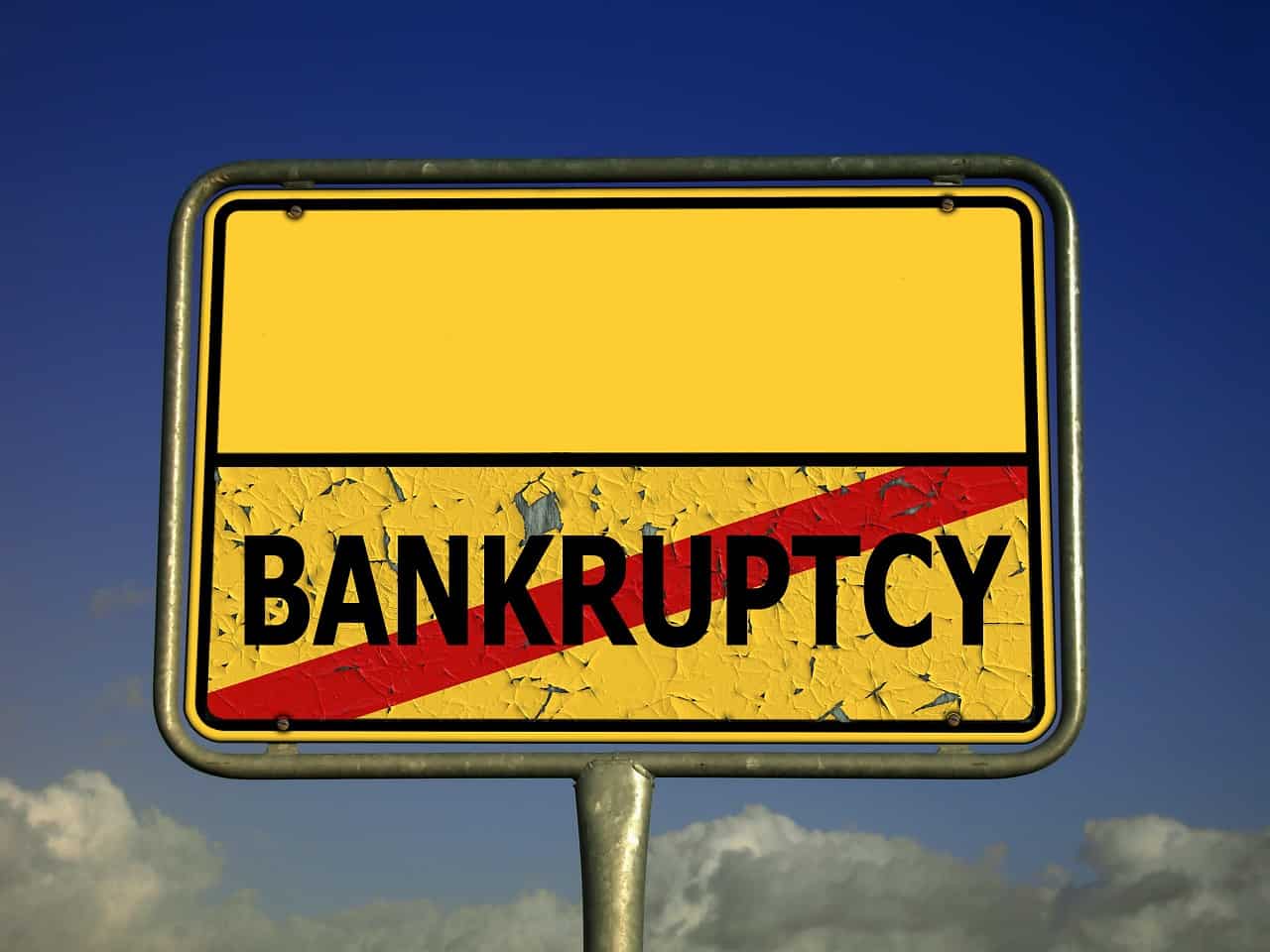 When facing financial desolation, it’s hard to think straight, you are so gripped by worry. Bankruptcy plays into many people’s doomsday scenarios, imagining that it will be the end of them financially and personally, as family relationships are ripped apart under the strain.
The truth is, bankruptcy and consumer proposals are about getting control back over your life and feeling relief as you take steps towards recovery. As soon as bankruptcy is filed, the calls from creditors begin to stop and an immediate stay of proceedings means that none of your assets can be seized, other than those signed over in security in case of default.
The immediate emotional and financial relief can relieve the enormous burden on a family and actually repair the relationships of frazzled spouses.
Here are five myths that many people hold about the bankruptcy process:
1. Everyone is going to know that I am a deadbeat.
Though bankruptcy is a public proceeding it isn’t publicized. So even though there are sections in the newspaper devoted to bankruptcy notices aimed at alerting creditors, these only involve large or corporate bankruptcies. The only way your neighbours and friends would know that you are going bankrupt is if you tell them or they decide to go to Office of the Superintendent of Bankruptcy’s website, register as a user and pay an $8 search fee to find you. The chances of this happening are small to none at all.
2. I will never get credit again
Again, not true. A first-time bankruptcy is usually a nine month process. When the process is finished, you are free of previous debt and financial obligations, there are many companies eager to lend you money again. Some people can even get a loan or secured credit card while they are bankrupt. If you are like most people, you can start rebuilding your credit rating right away by getting, for example, that secured credit card. You may qualify for a mortgage or car loan in a few years. Here are five ways you can rebuild your credit.
3. I will lose everything I own.
Contrary to popular belief, you don’t lose all your assets when you go bankrupt. There may be some things you will have to give up, especially if you have a lot of assets, but you will probably get to keep your furniture and personal effects, your car and your business tools. You may not even lose your house. While a secured creditor has the right to repossess the security you gave them if you default on your contract, they can’t do this merely because you’ve gone bankrupt, as long as you have managed to keep up your payments. Another thing, if you are worried about being able to renew a mortgage don’t be. These things are usually done almost automatically and even if you are still in the bankruptcy when the renewal time comes people do not usually have a problem, especially with the banks.
4. I’ll take my spouse down with me.
Your spouse and their property should not be affected by your bankruptcy. Each person is responsible for their own debts. So if your spouse hasn’t co-signed a loan or guaranteed your debt, then they won’t be directly affected and their credit rating won’t be damaged. There may be indirect consequences, however. For example, your spouse may not qualify for a loan in future if your bankruptcy prevents you from being able to co-sign for it. But nowadays this is very, very rare. You can read more about the impact of bankruptcy on spouses here.
5. Bankruptcy will eliminate all my debts.
Hold on, cowboy. While bankruptcy will bring you considerable relief, no one can wave a magic wand and make everything go away (Although sometimes that’s what seems to happen.). Certain debts aren’t wiped out by your discharge from the bankruptcy. These include court fines, alimony, debts that were incurred fraudulently and any debts that you continued to pay after the bankruptcy started such as a mortgage, a car loans, etc. Then there are some student loans that you would be responsible for after your discharge.
All of these “myths” are misleading and can make a person shy away from seeing a trustee. Big mistake! Contact us and we will make sure you get correct information so you can determine what’s the right course for you; a bankruptcy, a proposal, or some other option. Only you can decide, so get the facts and then you’ll be able to make a good decision.
Is A Spouse Responsible For Credit Card Debt in Canada?
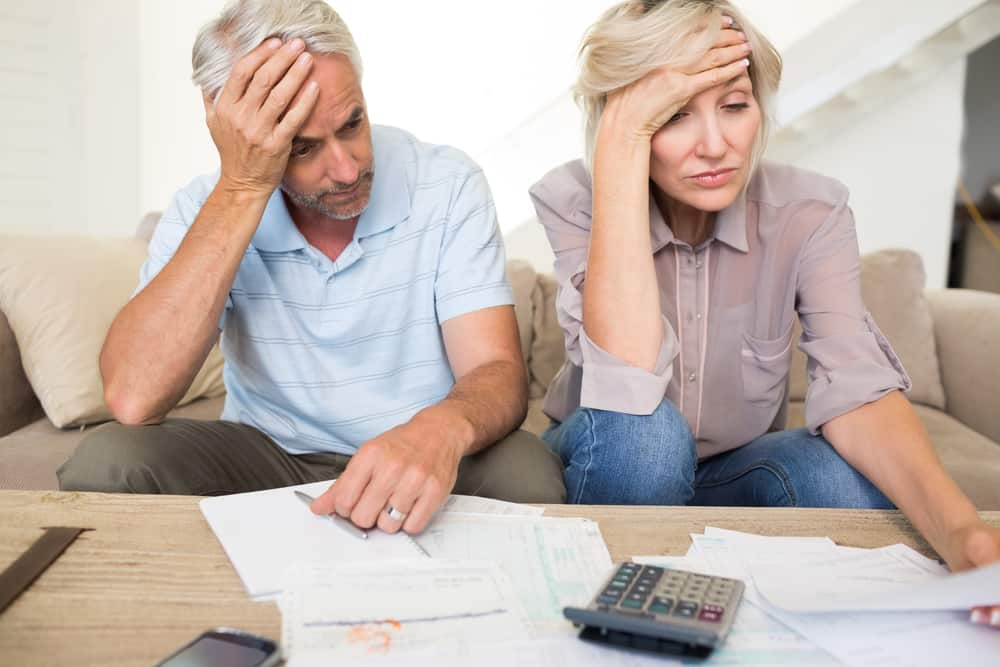
When it comes to marriage, a question may arise: Is a spouse responsible for credit card debt in Canada if the other spouse declares bankruptcy?
Sorry, Dear, I’m Bankrupt.
Nothing can make for a frostier breakfast conversation than revealing your financial woes have led to bankruptcy. Fueling the tension of guilt and anger is the fear one spouse filing for bankruptcy is going to drag down the other.
But if you do file for bankruptcy does this automatically affect your spouse?
The short answer is no. Each person is responsible for their debts. So if your spouse has not co-signed a loan or guaranteed your debt, then they won’t be directly affected and their credit rating won’t be damaged. There may be indirect consequences, however. For example, your spouse may not qualify for a loan in the future if your bankruptcy prevents you from being able to co-sign for it.
Don’t Give Credit Where it’s Due
But the truth is, married life can be complicated, with intertwined finances and joint ownership of assets. Take credit cards, for example. If your spouse has a joint or supplementary credit card – that is, one with their name but has the same account number as yours – then he/she would also be responsible for any debt.
On the other hand, if they have a supplementary credit card and have never used it, chances are they wouldn’t be responsible for the debt. The case could also be made that they are not saddled with the debt if they have only used the card occasionally, for small amounts.
However, if the two of you have used the cards extensively, you are both on the hook for the debt. This doesn’t change if only you go bankrupt. Things can get worse for your spouse because creditors can, and probably will, pursue them for the full amount of the money owed, and not just 50 percent. This scenario would be the same for any loan they’ve co-signed, such as a mortgage. (Though a legal case could be made that they are not responsible if they didn’t get legal counsel before co-signing the loan.)

Nothing Ruins a Good Divorce Like . . .
The risk of being saddled with joint debt seems to increase during divorce when communication and cooperation often dwindle. Some might be under the impression that debt is divided 50-50, as assets often are. But if one spouse files for bankruptcy, the other could be left responsible for the full debt and not just half, with avid creditors giving them their undivided attention.
Time to Take Out the Saw
Another consideration when one spouse goes bankrupt and the other is spared is jointly owned assets. That Harley and sidecar you both own for summer camping trips might need to be sold to pay what you owe to creditors. Your spouse’s portion of the motorcycle would be spared but you couldn’t exactly saw the vehicle in half.
Generally speaking, jointly owned assets have to be reviewed one by one by the trustee to see how they will be treated.
In summing up, if you not sure the answer the question “Is a spouse responsible for credit card debt in Canada?” or about other assets or liabilities, all the ins and outs of the effects of bankruptcy on a spouse need to be considered and explained by a licensed trustee.
Will I Lose My Home in a Bankruptcy?
 The fear of losing your home is a powerful one. When their finances go south, many imagine that bankruptcy will leave them homeless. Is this fear justified? Not really, or not in the normal course of a bankruptcy.
Yes, when you go bankrupt, you give control of your assets to a trustee in exchange for getting rid of your debts. This, in theory, could mean that the house gets sold to help pay back the creditors. But in practice this rarely happens, mainly because it is not in the best interests of everyone involved. The trustee has a lot of discretion, which he or she generally uses to safeguard the rights and interests of both the creditors and the debtor. Selling the house outright usually doesn’t achieve this purpose. So what normally happens?
Well, there are many different scenarios. If you have no realizable equity in the house – equity is the amount you’d get selling the house after deducting the mortgage and other associated costs – there is no point in selling the house, because all the money would just go to pay off the mortgage(s). In this case you get to keep the house as long as you keep paying your mortgage. The trustee doesn’t get involved.
But, what if you did have some equity, say roughly $20,000? To keep the house, you would have to pay the trustee this amount, because that’s what the creditors would have received if the house had been sold. So the creditors end up getting their fair share and you keep your house.
Yes, but if you had $20,000 to throw around, you wouldn’t be bankrupt in the first place, right? Well, you would have to raise the money, but the trustee would work with you to accomplish this. For instance, you might be able to get the money through a second mortgage. Or you could work out a direct monthly payment plan with the trustee. In either case, you would keep your house.
Where things start to get more complicated is if you have a significant amount of equity in the home, let’s say $100,000. In order to hang onto the castle, you would have to pay the trustee 100 large – a whopping sum, but not impossible and financing is usually obtainable.
But, in such a case you probably would want to explore the legal alternative to bankruptcy: a consumer proposal. If you go this route, you don’t risk losing the house. You simply offer the creditors a settlement, negotiated by your trustee under the protection of the law. Most often this solution satisfies everyone because it pays the creditors an acceptable sum while allowing you to escape the debt quagmire in an orderly and manageable way: win-win.
There are a couple of other points to understand when you’re dealing with the house question.
The first is that in all these scenarios the trustee will remind you of your right to get advice from a lawyer of your choice, someone who is there to protect specifically your interests. This is your basic legal right, but it becomes much more important if you have a lot of equity in your home. A good lawyer will help you deal with the situation and probably get you a better deal from the trustee and creditors than if you were doing this on your own.
The second point is that you should ask yourself: Whether I go bankrupt or not, can I afford to keep the house? If I try to hang on to it will it just drag me back into debt trouble down the line?
This is a tough one. We tend to be emotionally attached to our house in a way that we aren’t with most other things, even our cars. But, we have to ask ourselves this question if we’re going to regain control of our finances. The trustee can help you better understand your situation, but the answer to this question can only come from you. And you need to be brutally honest with yourself about it.
So, to get back to the original question: “If I go bankrupt will I lose my house?” For most people (the vast majority) the answer is “No!” So don’t be afraid to consult a trustee because you’re worried about losing the house. Contact us and get the facts. Remember our TV commercial: “It may be the most stress-relieving call you ever make.”
Highway No Longer Takes Toll on Bankruptcy
 The operators of Ontario’s Highway 407 Express Toll Route (ETR) can no longer arrange for vehicle permits to be withheld from bankrupt drivers, according to a recent Ontario’s Court of Appeal ruling.
A January 2nd Toronto Star article states, “A recent series of court battles have attempted to resolve a key question that pits federal legislation against provincial: if a driver doesn’t pay the 407ETR toll, should the province take away their licence?”
The provincial Highway 407 Act dictated that the answer was yes. If the drivers didn’t take care of their tolls then the highway company could contact the province, which would refuse to issue vehicle permits to the drivers until everything was paid up.
This would include people who were undergoing bankruptcy and sometimes owed tens of thousands of dollars to the toll highway. Feeling that this violated the “fresh start” principle of the Bankruptcy Insolvency Act (BIA), lawyers launched a class action suit on behalf of insolvent drivers denied vehicle licences despite being declared bankrupt.
“As a trustee we had to tell people that though their future discharge would legally erase the debt, they would probably still have to pay the 407ETR debt or at least make a settlement with them if they wanted to license their car,” explains Richard Killen, president and trustee with Richard Killen & Associates. “There was nothing illegal about the 407ETR accepting a ‘voluntary’ payment from a discharged bankrupt. The Ministry of Transportation would then receive a notice from the 407ETR that the debt was paid and a licence would be issued. The circular argument made any effort to solve the problem an exercise in futility. The MOT simply shrugged and tossed the ball over to the 407ETR.”
He adds, “It took years for the Federal Office of the Superintendent of Bankruptcy to involve itself, and even that was only after a bankrupt pushed this challenge through the lower courts. This appellate decision pretty well puts to rest the whole question. Now we are in a position to tell people when they consult us that their debt to the 407ETR is as dischargeable as their debt to Visa. This is news.”
Consumer Proposal or Bankruptcy?
 If you are coping with severe debt problems, you have five choices to deal with the crisis: Get a consolidation loan, try to negotiate with your creditors, run away, do a consumer proposal, or go bankrupt.
The first three options you can handle yourself (we don’t recommend trying to run from your problems; they have a nasty habit of catching up). Personal bankruptcies and consumer proposals are solutions governed by the Bankruptcy and Insolvency Act, and they can only be handled by Licensed Insolvency Trustees.
So why would you choose one of the legal solutions over the other? Well, every person’s case is different, so you need to come into a trustee to get advice tailored to your particular situation. But painting with broad brushstrokes, a bankruptcy is a faster and less expensive process, whereas a proposal may protect more of your assets and save your name from being associated with bankruptcy.
With a personal bankruptcy, you are released from your debts after you comply with certain duties. It’s a process that can be over in as little as nine months. Some of your assets would be exempt from this legal process – such as furniture and personal effects – and others would be handed over to the trustee and be used to repay creditors.
This latter category could include houses, high-worth cars, jewelry and certain RRSPs. Also, if you have an income over a certain set amount, you would have to pay 50% of this surplus to creditors, probably lengthening the time you were discharged from the bankruptcy.
A consumer proposal essentially reorganizes your debts. If the proposal is accepted by your creditors, you only have to make one manageable payment a month to the trustee. The length of term for a consumer proposal is five years or less, depending on fast you want to and are able to address your obligations. But generally speaking, it’s a longer more expensive process that a bankruptcy.
With the proposal you avoid the ‘stigma’ of bankruptcy and get to keep all your assets, providing you make your monthly payments and don’t slide into bankruptcy anyway. You may also want to consider a proposal if bankruptcy would also force your spouse to follow the same route, or if you are expecting to receive a large sum of money down the road.
Also, with a bankruptcy, you must complete a monthly budget for all income and expenses, as well as supply copies of your pay stubs to the trustee. If your income goes up during the period of your bankruptcy, then your surplus payments would also increase. With a consumer proposal, there are no monthly reporting requirements.
A New Problem for the Old
 While aging baby boomers aspire to a placid retirement, this dream is being threatened by a growing problem: senior debt. An August 2013 article in Financial Post says, for example, “A report provided [by] ratings agency Equifax Canada shows average debt for consumers aged 65 and over climbed 6.5 per cent over the past year, the biggest year-over-year increase in the period for any age group.”
Apparently Canadians 65 and older account for eight per cent of bankruptcies, up from six per cent five years ago. “There’s been an increase since 1987 in bankruptcy of people over 65 of 3,900 per cent, it’s just huge,” says Nadim Abdo, vice-president of consulting and analytical services at Equifax.
Some reasons for this alarming situation include:
- People are living longer, so may not have saved enough money to cover their entire retirement.
- Parents are bailing out debt-ridden adult children.
- Seniors are sinking too much money into real estate, lured by low interest rates and the prospect of high returns.
- Widows or widowers don’t change their spending habits after a spouse dies and their pension disappears.
The results of this rising problem is not only the anxiety of dealing with creditors but the increased risk of health problems, such as rising blood pressure and heart attacks, and passing estates to heirs that have to be placed into bankruptcy because of crushing debt.
Will Bankruptcy Affect My Income?
Some people assume that if they file for bankruptcy they will have to turn over all their income to the trustee. Not true.
But there are other concerns people have over their income. A question we are often asked is: Will bankruptcy affect my income? Will I lose any of it to the trustee or creditors? The answer is: maybe, but probably not.
The fact is after going bankrupt people often find they now have “free income” for the first time in years. This is because they no longer have a long list of debts to pay every month.
When a person goes bankrupt, they are basically saying they can’t pay all their debts. They may be able to pay their rent and utilities and put food on the table, but they can’t do that and pay their credit cards and other loans. However, the moment they go bankrupt and get under the legal umbrella, those same creditors can no longer demand money from them, so they may actually have money to spare.
Now it is possible that person’s income maight be affected, but only if they are making such a substantial amount every month that, in fairness to the creditors, a portion of their surplus should be set aside for the creditors’ benefit. But this only applies after all the necessities are taken care of, so it is not such an onerous thing and most people have no problem with it. In fact it helps people feel better about having to go through the whole process in the first place.
There is actually a formula for working this out and the trustee will explain it all before you make the decision to file the bankruptcy. It’s just one of the many questions that a visit to the trustee clears up.
Most people don’t necessarily think of it this way, but the process goes directly to restore your control and give you an empowerment over your own affairs. This is one of the main goals and purposes of the bankruptcy laws.
Contact Richard Killen
FREE No Commitment Consultation
Contact us now for a fresh start!
“Serving Toronto & the GTA for over 25 years.”




Recent Blog Posts
- Why More Canadians Are Choosing Consumer Proposals for Debt Relief and Financial Recovery
- Consumer Proposal vs. Bankruptcy in Ontario: How Income and Assets Decide Your Best Route
- Are You Managing Debt or Just Surviving It? 10 Warning Signs It’s Time to Seek Debt Relief Solutions in the GTA
- Borrowing for Home Renovations in the GTA: Questions to Ask Before Taking on More Debt and How an LIT Can Help
- Back-to-School Expenses Are Adding Up: How to Prepare Without Going Into Debt Help Ontario