


January Debt Solutions: Your Fresh Start Begins Now

January debt solutions often feel more urgent than ever as families emerge from the holidays with credit card statements and financial stress. But January brings with it more than a chill in the air—it offers the priceless opportunity of a financial reset. Whether you’re facing mounting debts or just looking to improve your money habits, January financial resolutions can be the first step toward a more secure future. It’s the season of renewal, and with the right mindset and tools, you can turn it into the fresh start with debt you’ve been waiting for.
Facing Holiday Overspending? January Is Your Turning Point
Let’s face it — by the end of the holiday season, many families have spent more than they planned. The joy of giving often leads to overspending, and when the bills arrive, so does financial anxiety. But that discomfort can spark real change.
Waiting for the “right time” to deal with debt is a common trap. If you’re looking for the best time to fix your finances, January stands out. It’s a natural moment for reflection — and with a full year ahead, there’s time to take action and build financial momentum.
Don’t let procrastination delay your peace of mind. Starting now puts you on the path to clarity, control, and long-term relief.
While personal resolve can waver, January offers built-in debt management motivation. Resolutions, fresh starts, and cultural pressure all align to create a powerful push toward change.
There’s also a psychological shift that makes January unique. The clean slate effect inspires people to reflect, reevaluate, and take action. That’s why New Year debt help tends to be more effective than well-meaning efforts made later.
If you’re thinking about adjusting your financial habits — or just need a starting point — January offers both the mindset and momentum to make meaningful, lasting change.
Why January Is Ideal for Reviewing Your Debt Strategy
The start of a new year isn’t just symbolic — it’s strategic. January brings a unique mix of motivation, clarity, and time, making it the ideal moment to review your current debt strategy.
With holiday spending still fresh and bills arriving, it’s natural to reflect and want to do things differently. Instead of letting that awareness fade, use it as fuel for change.
Here’s why January stands out:
- Natural reflection point – It’s easier to assess what worked and what needs to change as the year begins.
- Motivation is high – People are more committed to goals in January than at any other time of year.
- Fresh tools and support – Financial institutions, government programs, and professionals — including Licensed Insolvency Trustees — often promote new resources now.
- Time to adjust – Starting early gives you more time to fine-tune your debt management plan throughout the year.
In fact, the first month of the year is a strategic time to explore debt relief options January programs offer. Creditors tend to be more flexible, and this season brings greater access to budgeting tools and professional support.
You can choose from informal tactics, like adjusting your budget, or structured options, such as debt consolidation or consumer proposals. There’s no one-size-fits-all solution — the key is knowing your options and where to turn for help.
That’s where a Licensed Insolvency Trustee (LIT) comes in. These federally regulated professionals are trained to evaluate your financial situation objectively and provide legal, ethical advice — whether you’re considering bankruptcy, a consumer proposal, or simply need guidance.
By reviewing your debt strategy now and working with the right experts, you can ease financial stress and set the tone for a more stable, confident year ahead.
January Budgeting Tips for Sustainable Change
Here are a few practical tips to help you make the most of your financial reset this month:
- Review holiday spending – Start by evaluating how much you spent during the holidays versus what you planned. This helps identify overspending triggers and areas for improvement.
- Create a monthly budget – Include all sources of income and all monthly expenses. Be realistic, not idealistic.
- Prioritize debt repayment – Tackle high-interest debt first, and avoid adding to it. Every small payment counts.
- Plan ahead for seasonal expenses – Birthdays, school fees, and next year’s holidays can all be budgeted for in advance.
- Track progress – Use apps or spreadsheets to monitor spending and celebrate small wins along the way.
These small changes can add up and help you resolve debt in the new year with greater ease and less stress.
Waiting too long to address financial issues can turn manageable debt into overwhelming pressure. That’s why it’s smart to start the year debt-free. If you’re serious about change, the best time to fix your finances is now. January brings natural momentum as people review goals, adjust habits, and look ahead. Use that energy to your advantage.
Starting early gives you more time to see results—whether it’s paying down a credit card, saving for emergencies, or working with a Licensed Insolvency Trustee to create a plan. The sooner you act, the sooner you’ll feel relief and control.
Setting New Year Money Goals That Stick
To sustain this momentum, it’s important to set realistic New Year money goals that will guide your progress, such as:
- Paying off a specific credit card
- Saving a certain amount each month
- Building an emergency fund
- Reducing reliance on credit
Write your goals down, revisit them monthly, and adjust as needed. Consistency beats perfection, and progress—even slow progress—is still progress.
If you’re unsure how to start or feel overwhelmed by your financial picture, this is where strategic debt planning comes in. Planning doesn’t mean you need all the answers right now; it means setting a direction and identifying the tools and support that will get you there.
How to Tackle Debt in the New Year With Expert Help
For many people, the hardest part of addressing debt is taking the first step. But knowing how to tackle debt in the new year doesn’t require perfection—it requires action.
Start by:
- Gathering your financial documents
- Understanding your total debt load
- Reaching out to professionals like a Licensed Insolvency Trustee for a free, confidential consultation
Unlike unregulated debt consultants, LITs are legally required to present all available solutions—not just the ones that profit them.
They can:
- Assess whether a consumer proposal, bankruptcy, or another approach best suits your needs
- Help you make sense of your situation without judgment
- Provide hope and clarity when it’s needed most
If you’ve been struggling, know this: you’re not alone. Millions of Canadians face debt challenges, especially after the holidays. But January gives you the perfect window to reset—not just your budget, but your mindset. A true fresh start with debt is less about how much you owe, and more about taking control of your financial narrative.
No matter where you’re starting from, you deserve the opportunity to move forward with confidence.
Conclusion: The Best Time Is Now
There’s no perfect moment to begin, but January comes close. It’s the best time to fix your finances because it offers clarity, motivation, and a clean slate. Don’t wait for things to get worse. Take advantage of the season’s momentum and make a plan.
Whether you’re drowning in debt or simply want to optimize your financial habits, January is your ally.
Debt doesn’t define you. It’s a challenge—one that can be met with courage, strategy, and support. And there’s no better time to begin than now. With the help of a Licensed Insolvency Trustee and the clarity that January brings, you can move forward with confidence. The gift of a fresh start is real—and January debt solutions are your invitation to claim it.
Let’s Talk About Your Fresh Start
Financial stress can feel overwhelming—but it doesn’t have to be. A quick conversation with a Licensed Insolvency Trustee (LIT) can bring clarity and peace of mind.
Whether you want to ask a question or schedule a consultation, we at Richard Killen & Associates are here for you. Book a consultation with a LIT near you today.
Avoiding the January Credit Card Hangover: 7 Steps to Stay Debt-Free This Holiday

A January credit card hangover is that all-too-familiar feeling when the joy of the holidays fades and reality hits in the form of high credit card balances. What was meant to be a season of celebration can quickly become a source of credit card bill anxiety and financial regret. But with a few practical strategies, you can stay ahead of debt and start the new year stress-free.
Here are 7 actionable steps to help you stay debt-free during the holidays and avoid financial regret come January.
1. Create a Realistic Holiday Budget (And Stick to It)
Start by using holiday budgeting strategies to plan all your seasonal expenses — gifts, travel, food, decorations, and even hidden costs like wrapping or shipping. Setting a firm budget (and sticking to it) is one of the best ways to avoid holiday debt before it even begins.
Budgeting apps can help track your spending in real time and flag areas where you’re overspending. Stay honest with your numbers and resist the temptation to overspend “just this once.”
2. Prioritize Your Gift List
You don’t have to buy for everyone. Make a thoughtful list and divide it into “must-give” and “nice-to-give.” Focusing your gift-giving can help with managing Christmas expenses and reduce last-minute shopping temptations.
Consider meaningful, lower-cost alternatives like homemade gifts or group gift exchanges.
3. Plan Purchases Strategically
Avoid impulse purchases by shopping with a plan. Decide ahead of time how much you’ll spend per person and look for deals that fit your budget.
This is one of the most underrated holiday spending tips. Spreading purchases out over time instead of one big spending spree can protect your wallet — and your peace of mind.
4. Choose Debit or Cash Over Credit
One of the most effective tips to stay out of debt during holidays is to use debit or cash rather than credit cards. Spending only what you have eliminates the risk of falling into debt you can’t immediately repay.
If you do use a credit card, commit to paying off the balance in full as soon as possible to avoid credit card regret.
5. Don’t Let Holiday Sales Trick You
Sales are tempting, but they’re only helpful if you were already planning to buy the item. Ask yourself: “Would I buy this if it weren’t on sale?”
This simple mindset shift helps with how to avoid overspending for Christmas, especially during big promotions like Black Friday and Boxing Day.
6. Be Mindful of Emotional Spending
Many people spend more to cope with guilt, loneliness, or the pressure to impress others. Emotional purchases often lead to Christmas spending anxiety and regret once the holidays are over.
Instead, focus on the true meaning of the season — connection, gratitude, and presence over presents. That shift in perspective will help you avoid post-holiday credit card regret.
7. Don’t Be Afraid to Ask for Help
If you’re already feeling overwhelmed or facing mounting debt, it’s important to know that help is available. A Licensed Insolvency Trustee (LIT) is a federally regulated professional who can assess your financial situation and offer solutions tailored to your needs.
Whether you’re struggling with budgeting, considering a consumer proposal, or exploring debt relief options, an LIT provides confidential, judgment-free support. They’re legally authorized to negotiate with creditors and help you regain control.
Reaching out to a Licensed Insolvency Trustee isn’t a sign of failure—it’s a proactive step toward financial recovery and peace of mind.
Watch for the Warning Signs of a January Credit Card Hangover
A holiday spending hangover doesn’t always feel dramatic — often, the signs creep in slowly. Look out for:
- Avoiding bills or banking apps
- Making only minimum credit card payments
- Relying on credit for essentials like food or gas
- Juggling balances across cards or opening new credit lines
- Feeling guilt, anxiety, or regret over your spending
What to Do If You Spot These Signs
If any of these warning signs feel familiar, don’t panic — but don’t ignore them either. The sooner you act, the better your options. Start by reviewing your budget, cutting unnecessary expenses, and setting up a repayment plan that’s realistic and manageable.
And if your debt feels unmanageable or you’re unsure how to get back on track, consider reaching out to a Licensed Insolvency Trustee. They can assess your financial situation, walk you through available debt relief options, and help you create a long-term plan — without judgment or pressure.
Bonus Tips: 3 Quick Ways to Avoid Maxing Out Your Credit Cards During the Holidays
- Set spending alerts to track purchases in real time
- Use only one credit card for all holiday expenses
- Leave credit cards at home when shopping in person
These small changes can help support your efforts to stay debt-free during holidays and avoid impulsive purchases.
Final Thoughts: A Joyful Holiday Without the Financial Hangover
The holidays should be about connection and joy — not debt and stress. With a clear budget, mindful spending, and the right support, you can celebrate the season without worrying about your January finances.
Whether it’s choosing cash over credit, resisting sales pressure, or reaching out to a Licensed Insolvency Trustee, your actions today will shape your financial freedom tomorrow.
Plan wisely, spend intentionally, and enjoy a stress-free season — all while avoiding the January credit card hangover once and for all.
Don’t Wait For The Bills To Pile Up
Make your holiday spending plan today, and if you’re feeling overwhelmed, connect with a Licensed Insolvency Trustee at Richard Killen & Associates. Call now or book a free consultation to take back control before the new year begins.
Holiday Budgeting for Families in Ontario: Avoiding Debt While Still Making Memories

Holiday budgeting for families in Ontario often comes with the pressure to make the season special, which sometimes leads to overspending and even debt. But what if the magic of the holidays didn’t have to come with a hefty price tag? The key is creating memories without overspending — focusing on meaningful moments rather than material things. Let’s explore how Ontario families can enjoy budget-friendly family holidays and still build joyful traditions without financial stress.
Practical Tips for Creating Memories Without Overspending
When it comes to the holidays, many families get caught up in buying the “perfect” gifts or planning extravagant outings. But true holiday joy comes from connection, togetherness, and traditions — not price tags. Understanding this shift in mindset is a cornerstone of family holiday budgeting Ontario.
Spending less doesn’t mean sacrificing happiness. In fact, meaningful holidays on a budget often become the ones remembered most fondly because they’re about shared experiences. This focus helps families avoid the common trap of overspending, which can lead to debt and holiday anxiety.
Here are some actionable holiday planning tips for families that emphasize creating lasting memories while keeping costs low:
1. Start With a Clear Budget and Priorities
Begin by setting a realistic holiday budget that covers gifts, food, activities, and decorations. This practice is essential for avoiding debt during holidays. Include your family in the planning process to set priorities: maybe gift-giving is important, or perhaps spending quality time on affordable outings takes precedence. Knowing what matters most helps guide your spending decisions.
Another simple but powerful strategy is to involve kids in the planning process. Children can also be wonderful budgeting partners. Let them help choose gifts, plan meals, or decorate on a budget. It’s a great way to model how Ontario families can celebrate the holidays without going into debt while teaching valuable financial literacy skills. You might even give them a small budget for gifts or activities and guide them through making thoughtful choices. Not only does this promote independence and smart decision-making, but it also helps kids feel involved and excited about the season.
2. Embrace Budget-Friendly Family Traditions
Create or maintain budget-friendly family traditions that everyone looks forward to each year. This could be baking holiday cookies together, decorating the home with DIY crafts, or watching a favorite holiday movie every evening.
Examples:
- Host an ornament-making night with paper, glue, and glitter.
- Tour your neighborhood to see Christmas lights.
- Start a “holiday memory jar” where each family member writes their favorite moment of the season.
- Have a themed pajama night with board games or holiday trivia.
Events can also become traditions. For example, the Hamilton WinterFest offers family-friendly programming, art installations, and community events throughout the city at little to no cost.
3. Explore Affordable Holiday Ideas Ontario Offers
Ontario is full of community events and free or low-cost activities perfect for families. From twinkling light festivals to outdoor markets, you can enjoy the spirit of the season without stretching your budget.
Check out these activities:
- Cavalcade of Lights at Nathan Phillips Square (Toronto): Watch the city light up with a giant tree, music, skating, and fireworks — all free.
- Magic of Lights (Barrie): Drive through a brilliant display of holiday lights with your family and hot cocoa in tow.
- First Light at Sainte-Marie among the Hurons (Midland): Enjoy thousands of candles, Indigenous storytelling, crafts, and music in a historic village setting.
- Bon Soo Winter Carnival (Sault Ste. Marie): A winter-long festival with snow slides, sculptures, music, and family zones.
Other local options include:
- Casa Loma Holiday Lights Tour (Toronto) – A scenic self-guided walk through beautifully lit gardens and tunnels.
- Village of Yorkville Holiday Magic (Toronto) – Take a free walk through one of the most elegant shopping districts decorated in dazzling lights.
- SnowDay on the Waterfront (Thunder Bay) – Enjoy games, ice carving, and snow art with stunning lake views.
These events offer excitement, atmosphere, and quality family time without the expense of costly tickets or commercial attractions.
4. Get Creative With Gift-Giving
Gifts don’t need to be expensive to be meaningful. Get creative and involve the whole family in making something from the heart.
Examples:
- Bake a batch of holiday cookies and wrap them in festive paper.
- Create a handmade photo calendar or memory book.
- Offer personalized “coupon books” for activities like movie nights or chores.
- Gift a family recipe book filled with dishes passed down through generations.
You can also reduce costs with a gift exchange among extended family — a great strategy to support Ontario family Christmas budgeting.
5. Cook Together and Share Meals
Food is at the heart of most celebrations, and cooking as a family can be both fun and economical.
Examples:
- Host a cookie-decorating party using simple, low-cost ingredients.
- Create a “holiday potluck” where each family member or guest contributes a dish.
- Have a soup and bread night with seasonal vegetables and family-favorite recipes.
Not only do these activities reduce costs, but they also help build new budget-friendly family traditions that center around sharing and togetherness.
6. Limit Holiday Decorations and Focus on DIY
Decking the halls doesn’t require a trip to the most expensive store in town. Get creative with homemade decorations that double as family activities.
Examples:
- Make popcorn or cranberry garlands.
- Craft snowflakes or stars from recycled paper.
- Use pinecones, sprigs, and candles to make natural centerpieces.
- Decorate mason jars for winter lanterns.
Add a visit to a local light display like Illumi in Mississauga, a walking path full of themed zones and music, for even more inspiration and a fun night out.
7. Plan Financially Smart Holiday Activities
Look for experiences that offer fun without the financial fallout. These types of financially smart holiday activities keep your budget safe while making room for joy.
Examples:
- Attend local story times or craft sessions at the library.
- Visit a winter market and give kids a small budget to buy something thoughtful.
- Volunteer together at a soup kitchen or toy drive.
- Take a winter walk through a nature trail or park.
If you’re celebrating Family Day in February, don’t miss the Frost & Fire Winter Festival in Perth, which offers sledding, skating, live music, and crafts — many of which are free or donation-based.
8. Saving Money During the Holidays
Staying mindful of your finances during the holidays can prevent stress and anxiety in the new year. Use debt-free holiday tips like:
- Paying with cash or debit cards.
- Setting limits per gift or person.
- Tracking your spending.
- Planning ahead and avoiding last-minute splurges.
And if the season becomes too financially overwhelming, speak with a Licensed Insolvency Trustee Ontario. These professionals can help you assess your situation and build a plan to get back on track — without judgment.
Conclusion – Focus on Joy, Not Price Tags
Celebrating the season doesn’t require maxing out your credit cards. With thoughtful family holiday planning on a budget, local events, and creative DIY traditions, you can embrace the warmth and joy of the holidays without overspending.
Whether you’re skating at a city square, making crafts at home, or volunteering in your community, it’s the memories — not the price tag — that matter most.
And if the season becomes too financially overwhelming, speak with a Licensed Insolvency Trustee Ontario. These professionals can help you assess your situation and build a plan to get back on track — without judgment.
Remember, the best holiday memories come from laughter, love, and shared experiences — not expensive gifts or elaborate parties. With thoughtful planning, holiday budgeting for families becomes a way to protect what matters most: your time, your energy, and your peace of mind.
Take Control of Your Finances This Season
The holiday season can feel overwhelming when debt is weighing on your family. A Licensed Insolvency Trustee at Richard Killen & Associates is ready to guide you through your options and help you regain peace of mind. Book a consultation now and take the first step toward financial confidence.
Can a Licensed Insolvency Trustee Advice on Budgeting Tips?

When most people hear the term Licensed Insolvency Trustee (LIT), they immediately think of bankruptcy and debt relief. While LITs do play a crucial role in helping individuals navigate insolvency and legal debt solutions, their expertise extends far beyond bankruptcy filings and consumer proposals. They are financial professionals trained to assist individuals with money management strategies, budgeting tips, and financial planning to prevent future debt issues. In fact, one of the most valuable services a Licensed Insolvency Trustee can offer—often at no cost during the initial consultation—is personal budgeting advice.
Even if you’re not filing a proposal or bankruptcy, an LIT can still offer budgeting advice and refer you to community resources, educational tools, or accredited financial advisors. Their mission is to educate Canadians about managing money wisely.
A well-structured budget is one of the most effective tools for achieving financial stability, reducing stress, and regaining control over personal finances. Licensed Insolvency Trustees can provide guidance on budgeting strategies tailored to an individual’s financial situation.
Whether you are struggling with debt or simply want to improve your financial habits, working with an LIT can be one of the smartest financial decisions you can make.
Understanding the Role of a Licensed Insolvency Trustee
A Licensed Insolvency Trustee is a financial professional licensed and regulated by the Office of the Superintendent of Bankruptcy (OSB) in Canada who assists individuals and businesses in managing debt and navigating insolvency laws. Their primary responsibilities include:
- Administering bankruptcies and consumer proposals
- Providing financial assessments and advice on debt relief options
- Ensuring compliance with legal debt recovery processes
While their primary role is to help individuals and businesses resolve debt issues through legal avenues, many Licensed Insolvency Trustees (LITs) also incorporate financial counseling into their services. Their goal goes beyond just resolving immediate debt problems; they aim to help people rebuild their financial lives by providing the tools and skills necessary for better financial management—and budgeting plays a key part in that journey.
Why Budgeting Matters—Even If You’re Not Insolvent
Budgeting isn’t just for people in financial trouble. It’s a skill that everyone can benefit from—whether you’re earning six figures or just starting out in your career. For those struggling with debt, budgeting, in particular, plays a vital role in regaining control over finances.
Budgeting is the process of creating a financial plan that outlines income, expenses, savings, and debt payments. A solid budget can help you:
- Gain control over your spending habits and avoid unnecessary debt.
- Track income and expenses accurately and ensure timely bill payments.
- Build an emergency fund.
- Set and achieve financial goals like travel or homeownership.
- improve overall financial stability and reduce financial stress.
- Support debt repayment efforts.
Unfortunately, many people struggle with budgeting because they don’t know where to start or feel overwhelmed by their financial situation. This is where a Licensed Insolvency Trustee can step in to provide professional advice—to educate and empower you to manage your money wisely.
What If You Don’t Need Insolvency Help?
Licensed Insolvency Trustees (LITs) primarily assist individuals dealing with financial hardship and debt management. However, their expertise extends beyond insolvency, as they also offer financial counseling and budgeting strategies to promote long-term financial stability.
Many LITs provide free consultations, assessing an individual’s financial situation to deliver personalized advice on income management, expense tracking, and savings strategies. Their budgeting guidance is particularly valuable for:
- Preventing financial issues before they escalate into serious debt problems
- Developing structured spending plans that support long-term financial stability and responsible money management
- Setting and achieving financial goals, such as saving for emergencies or major purchases
In addition to debt relief solutions, LITs offer targeted financial counseling to enhance budgeting effectiveness. Their support includes:
- Assessing Financial Situations – LITs analyze income sources, existing debts, and monthly expenses to identify financial trends and areas for improvement.
- Creating Realistic Budgets – Based on individual financial circumstances, an LIT can help design a manageable budget that ensures debt repayment while maintaining essential expenses.
- Reducing Unnecessary Spending – LITs offer strategies to reduce expenses, such as negotiating bills, eliminating unnecessary costs, and finding alternative financial resources.
- Guidance on Financial Planning – Beyond debt management, they advise on saving strategies, emergency fund creation, and responsible financial habits to avoid future financial difficulties.
While LITs may not offer the broad investment and wealth-building services of certified financial planners, they specialize in actionable budgeting solutions tailored to debt management and financial recovery. Their expertise ensures individuals develop practical, sustainable financial strategies that foster long-term stability.

Why Choose a Licensed Insolvency Trustee Over Other Financial Advisors for Budgeting Tips?
While financial advisors, credit counselors, and accountants offer budgeting guidance, a Licensed Insolvency Trustee (LIT) has unique advantages that set them apart. If you’re facing debt-related challenges, choosing an LIT for budgeting advice can provide specialized insights that go beyond general financial planning.
1. Regulated and Licensed by the Government
LITs are the only professionals licensed by the Canadian government to administer insolvency proceedings, such as bankruptcies and consumer proposals. This strict regulatory framework ensures that they provide objective, transparent, and legally compliant advice.
2. Comprehensive Debt Management Expertise
Unlike financial advisors who focus on wealth growth and investment strategies, LITs specialize in debt management and recovery. Their budgeting guidance is tailored to individuals struggling with financial hardship, offering practical solutions to reduce debt while maintaining financial stability.
3. Holistic Approach to Financial Health
LITs don’t just focus on the numbers—they assess the root causes of financial distress and help develop sustainable budgeting habits. They educate individuals on:
- Reducing reliance on credit
- Managing financial priorities effectively
- Building long-term financial resilience
4. No Conflict of Interest
Many financial advisors earn commissions from financial products, such as investment portfolios or insurance plans. LITs, on the other hand, operate under strict ethical guidelines and do not promote specific financial products for personal gain. Their recommendations are entirely based on what benefits the individual’s financial recovery.
5. Free Initial Consultation
Most LITs offer free initial consultations, allowing individuals to receive professional budgeting and debt advice without financial commitment. This contrasts with some financial advisors who may charge fees upfront.
6. Debt Relief Options Beyond Budgeting
If budgeting alone isn’t enough to resolve financial struggles, LITs can provide additional debt relief solutions, such as:
- Consumer Proposals: A structured repayment plan negotiated with creditors
- Bankruptcy Proceedings: A legal process to eliminate overwhelming debt
- Creditor Negotiations: Assistance in settling debts without formal insolvency
To Sum Up
A Licensed Insolvency Trustee does far more than handle bankruptcy and insolvency cases—they aren’t just a ‘last resort’ when financial troubles escalate. They serve as financial educators, advisors, and allies, helping Canadians take control of their finances and build lasting financial habits. Whether you’re struggling with debt or simply looking to improve your budgeting skills, seeking guidance from an LIT can be a proactive step toward financial well-being.
How to Create a Budget with Irregular Income

Following a budget can be challenging enough when you have a steady job that pays you a regular basic income, but can you imagine how extremely difficult it can be to create a budget with irregular income?
With a regular income, you can predict exactly how much money you’ll have coming in each and every month and you know exactly how much money you have to cover all your expenses. However, with an irregular monthly income, you have to contend with fluctuating income levels and commissions. It’s tough to plan when:
- You don’t know how much you’ll earn,
- You don’t know when you’ll get paid, and
- You don’t know how much you’ll make the following month.
This is a common scenario for people who are:
- Self-employed
- Freelancers
- Contractors
- Working on hourly rates like bartenders, waiters and waitresses, custodians
- Working on a commission basis like salespeople
- Have side gigs that change up their income every month
- When your income is reduced temporarily, for instance, because of COVID-19
If your income varies wildly depending on the day or season, here are some strategies to help you effectively budget.
Determine your baseline

Start by adding all the money that you are certain of for the month as income. This can be money you have coming in from your side hustle or business, plus unemployment benefits you may be receiving under the COVID-19 Emergency Response Act.
Your baseline is the minimum amount you want to focus on regardless of whether you make more or you earn less, for month by month. This is the amount you will work with to cover the bare minimum expenses you need to pay for on a monthly basis.
Track your monthly spending from previous months

The next thing to do is make a list of your spending and bills. This step is crucial to help you know what you absolutely need to earn monthly in order to pay your bills and get by.
Itemize each expense. For example:
Create a category for Necessities — essential, ongoing monthly expenses:
- Rent or mortgage
- Utility bills
- Food and groceries
- Medical bills
- Transportation and fuel and car maintenance
- Daycare
- Taxes
- Loans and debt repayments
- Savings, investments
Create another category for Discretionary Expenses:
- Cable/television bill
- Entertainment
- Expenses for fitness, sports or hobbies
- Take out or dining expenses
- Shopping for clothing, toiletries
During COVID-19, it may be easier to cut discretionary expenses completely. Expenses for dining out, entertainment and travel won’t be necessary due to social distancing measures. This means you may have more money to assign to debt repayments and savings for the month.
Allocate every penny

Once you’ve created your budget for necessities and added up your unnecessary expenses, you’ll know exactly how much money you need to make it through the month.
Expenses under the Necessities group are things that you couldn’t reasonably live without. So, more or less this amount is fixed. Those under the Discretionary group are the expenses that you’ll need to cut if you’re trying to make your budget fit your income.
The goal is to adjust your discretionary expenses until you’re back to living within your means.
Make sure you divide every income that comes into your necessities before anything else, otherwise you are going to run the risk of spending half of your income on discretionary items and not having enough left over for food and groceries.
Each month, repeat the process and make a new budget based on that month’s income and expenses, assigning each dollar in your budget to a particular expense.
Build your emergency fund
When you are living on an irregular income, it’s crucial to have ample savings to help fill in the gaps when bad months come along. Make sure to allocate a portion of your income into an emergency fund. If you are just starting out, it would be best to put any extra money that you may earn towards emergency savings first. Do this until you have at least three to six months of expenses on hand.

Create financial goals
If there is any extra money after expenses and emergency savings, make sure you carefully plan out what you’re going to do with it. Is it going towards paying off debt? Is it for savings for your children’s college education? Will it go towards your retirement savings? It’s important to set a goal for any excess money you may have so that you avoid the risk of blowing it.
A simple, stripped-down budget where you can see just your essential expenses, and nothing else, can be helpful in managing your spending if you have irregular income and also if you’ve experienced a job loss or if your income is reduced temporarily because of COVID-19. It can help you see exactly where every dollar is going each month and it can help you avoid unnecessary spending. When you budget with irregular income, every penny counts and there’s no room for money to slip through the cracks.
If you have trouble doing this and would like to discuss it we would be very happy to do so. Just call us at 1-888-545-5365 or email us at info@killen.ca.
If things have gotten troublesome with your debt situation, especially with this Covid-19 virus don’t hesitate to contact us for a telephone or Skype interview. We can help.
What Debt Do You Pay First During a COVID-19 Financial Emergency?

The world has been brought almost to a stop as we focus on fighting the spread of the coronavirus. Throughout Canada, we see business after business shut down and hundreds of thousands of people laid off. Some closures may be temporary, for some it may be permanent as they may not be able to recover after the crisis has abated.
While these closures may be necessary to deal with the virus, there are significant financial consequences to individuals and families. For Canadians who are living paycheck to paycheck this means that even a temporary reduction is going to cause a lot of problems.
If you are facing unpaid bills during this uncertain time, what debt should you focus on? What bills do you choose to pay first? Here are a few things to consider:
- If you are working, continue paying your bills and debts on time. Avoid the deferral programs if you do not need the financial help now, just go on and keep making those payments. If nothing else, make sure to make at least your minimum payments to avoid late charges, penalties, and potential negative hits to your credit.
- If you have been laid off or expect to be out of work in the coming weeks, you may need to look at prioritizing payments.
FOCUS ON HIGH PRIORITIES
High priority debts are generally the bills where a service will be shut off or an asset is in danger of repossession.

Utilities
You need to pay your utility bills to keep the lights on, the water running, and the gas line open especially during the lockdown period and you have to stay at home. These bills are top priority so you can keep your home safe and healthy in these unreliable times.
If you receive your hydro bill, and fear you cannot make the payment for the coming months, you may be protected by the disconnection ban, at least until July 31.
In Ontario, the Ontario Energy Board (OEB) has implemented protective measures that prohibits all electricity distributors in the province from disconnecting power because of non-payment until July 31. There will also be a rollback on electricity rates as part of cost-saving measures in response to the coronavirus outbreak.
To find out if you are covered by the disconnection ban and the rollback on electricity rates, read the full details here.
Communication Bills
You may also want to prioritize your cell phone bill and internet bill especially in the lockdown period or if you are self-quarantining at home. These will be major channels for you to be able to access information about what’s happening globally and stay in touch with family and friends, so keep paying them to keep the lines open.
Rent

Your home has become your greatest protection against COVID-19. If you are one of the 33% of Canadian households who are renting their homes, understandably you will want to focus on paying your rent as high priority. If you’re struggling to make the rent owing to the impact of coronavirus, don’t panic. Several provinces, including Ontario, Nova Scotia and New Brunswick have already issued temporary bans on evictions. This means you won’t be kicked out for as long as the eviction ban is in effect, although your landlord may still issue a notice of late payment of rent and may file the applications when the court resumes.
If you think you can’t pay your rent this month, the best thing to do is to talk with your landlord. Offer to pay what you can, even if it’s only part of the rent. This will help ensure you are not too far behind when things return to normal.
If this crisis looks like it will last for months, and it may, contact us so we can look at your situation in total and perhaps help you deal with the rent arrears then.
If you are having issues with your landlord, please find more information and resources on our blog’s section for Housing Help.
Our general advice is if you don’t have enough money to pay all of the bills, focus first on paying your utilities and rent before paying the other bills such as credit cards, medical bills, or other unsecured debts. As soon as you can, contact your landlord and service providers and see what they can do to assist you.
SECURED CAR LOANS AND HOMES LOANS
If you are paying a debt that is secured by an asset like your home or your vehicle the debt is classified as a secured debt guaranteed by the asset. This means that there are real consequences for not paying these debts – you risk having your car repossessed if you can’t make car loan payments and you can risk losing your home for nonpayment of mortgages. Hence, these are important, but not very immediate needs, to focus on as well.
What to do If you are falling behind on car payments

According to Ontario law, if you have been behind on the payments of your car loan, the lender has the legal authority to repossess the vehicle, and sell it to recover the amount you owe them. After the car is sold, if the amount is not enough to cover your car lease you will still have to pay the balance, and the lender could sue you and potentially garnish your wages.
Under normal circumstances, most lenders will not repossess a car until it is delinquent which means no payments have been made for 60-90 days. You can also take comfort in the fact that banks and lenders do not want to repossess your car as it usually entails that they take a financial loss. The repossession of a car is literally taken as the last resort. Hopefully, this will give you time to catch up on any missed payments.
In light of COVID-19 many of Canada’s banks and lending institutions are much more sympathetic to clients whose finances have been impacted by the health crisis and most are providing a deferment of payment on car loans for up to six months. If you see yourself starting to miss payments on your car lease, the best thing to do is reach out to your bank or car lender so they can assess your situation and see how to best help you.
Remember that banks and car lenders greatly prefer to keep the contract going rather than repossess the vehicle or house. They will normally be very willing to work on arranging a payment schedule.
What to do If you are falling behind on mortgage payments

In Ontario, a mortgage lender has the right to take possession of your home using either the power of sale or through a foreclosure if you default on your housing loan.
The good news is Canada’s banks and lending institutions are postponing mortgage payments for up to 6 months for those affected by the current health crisis. This will give you much needed time to catch up on payments.
The most reliable information on your mortgage options can be found at the Government of Canada and CMHC websites.
Another thing to keep in mind, lenders generally never start taking action for a power of sale or foreclosure as soon as you miss a single payment. The process for both is expensive and time consuming. They would rather work out an alternate payment plan to bring your mortgage back into good standing. If you are not able to pay your mortgage, the best advice is to contact your lender directly. They’ll look at your options and come up with a plan that will work best for your financial situation.
It is important to keep secure loan payments current, whether that’s a home loan or a car lease or some other loan that is tied to a valuable asset. If you think you’ll be unable to make an upcoming payment on any of these loans, the first thing to do is to reach out to your lender before you miss the payment and find out about deferrals or partial payments that can buy you some time. The key is to keep the loan on track so you can keep your assets.
CREDIT CARD DEBTS, MEDICAL BILLS, AND OTHER UNSECURED DEBTS

We do not advise anyone to stop payments on their credit card or other unsecured debts. However, we would put them at or near the bottom of the priority list when you are facing a financial crisis, such as now. The only reason we assess it this way is because there is the least immediate consequence for missing a few payments. With COVID-19 they will likely be the most flexible creditors to deal with. However, don’t ignore them either. If you can’t make a debt payment you should let them know so they won’t think they’re being forgotten or ignored.
In any case, the reality is that you may probably rely on your credit card or lines of credit to meet your immediate needs for food and medication because of your cash flow situation, and so you will have to keep on making payments to keep the credit lines open.
The good news is most credit card lenders are also offering up to six-month deferrals on credit card payments. This will give you time to reach out to your credit card company and possibly negotiate a payment plan that is best for your situation.
If you are worried about the uncertainty of your household finances right now and are having trouble organizing what debt to pay first during this financial emergency, make some priorities:
- Focus on meeting your immediate needs for food and medication
- Give importance to high priority utility bills like hydro, gas, internet
- Pay what you can on your rent or mortgage and talk with your landlord or mortgage lender about deferrals or partial payments.
- Meet the minimum on credit card payments and be very careful about taking on new debt, and if you must, make sure to keep your expenses and balances as low as you can.

If you have a lot of debt and are worried about how your finances can cope in this global pandemic, the best thing you can do right now is to talk with a Licensed Insolvency Trustee. We encourage you to be proactive so you can keep the best options open as long as possible.
We at Richard Killen and Associates continue to be committed to providing you with the best guidance and advice as you battle through this COVID-19 financial emergency. Our phones, emails and video chats remain open, call us at 1-888-545-5365 for a free consultation now.
How to Save on Valentine’s Day in Toronto

How can you save on Valentine’s Day – the most romantic day of the year? It may seem impossible, but really the trick is simple: spend less and get more.
You don’t have to fall prey to the hype and commercialization of Valentine’s Day and be pressured to empty out your wallet for a crazy expensive Valentine’s Day dinner date or a pricey gift to get for your new flame or significant other. Especially just after the holidays and the damage done on your precious savings, you need to bring the focus back on your finances to spend within your means, get back on track and stay in the black.
But you don’t want to be stone-cold hearted, you’ve got to give the day some special attention and do at least something romantic with your partner. So even with very little money, you need to know how to spend it wisely so you can get the most bang for your buck. It’s really all about making the effort to spend quality time together and making sure that both of you have an amazing Valentine day experience that’s impossible to forget.
Here are some ideas to make February 14th a stand-out experience without breaking the bank!
The Flowers

Of course, you’ve gotta give flowers on this special day most especially if this has been the norm since the start of your relationship. However, plunking down $200 for an over-the-top arrangement of long-stem roses is a bit too much when you’re on a tight budget. You can buy flowers for Valentine’s Day on the cheap, here’s how.
- Don’t buy from a florist. Buy from grocery stores, 24-hour gas stations, warehouse stores or at Local Farmers Markets, in particular stores that keep their flowers refrigerated. They can be just as long-lasting as those at a florist and are quite affordable, costing only a fraction of a bouquet from a florist.
- Roses are in very high demand on Valentine’s Day as it’s the symbol for romantic love, especially long-stemmed roses. If you want to save on Valentine’s Day choose romantic floral alternatives, such as red and pink tulips, orchids, lilies or carnations. Carnations in particular are some of the cheapest flowers around and they also last around 11 days.
- If you must buy roses, buy them ahead of time. Prices on roses hike up in the days before February 14, when they can go up double the price or more. Roses usually last
between five and seven days, thus you can buy them four or five days before when they may be a little cheaper compared to Valentine’s Day itself.
- Choose flowers with tight buds.This way they still have a few days to blossom. If the buds are already open, they’ll only last another day or two.
DIY Valentine’s Day Gifts

It’s Valentine tradition to buy gifts for one another, but if you’re strapped for cash and necessity trumps romance, it’s time to roll up your sleeves and get creative. You got it right, make a gift instead of buying a gift. Thoughtful, handmade gifts are just as romantic, and maybe even moreso, than those big-ticket items that come with a triple-digit price tag.
Start with making your own Valentine card. Writing a personal and heartfelt message to say how you feel about your sweetheart in your own words – now that beats signing your name to a canned sentiment on a mass-produced card at any time.
There’s lots of ways you can do this:
- If you’re an artist, you can create a lovely painting. Some good ideas would be, drawing a portrait of your significant other, or even a self-portrait is cool too, but romantic portraits of just the two of you will help you both see how much in love you are with each other.
- If you have craft-making skills, create a custom made card with fancy embellishments such as glitter, beads, stickers, origami or pop-up paper designs, or any other materials you like to work with.
- If you’re a skilled writer or expert wordsmith, express your love with the use of words in a love poem or a romantic love letter.
- If you’re a computer whiz, design a digital card with Photoshop or any image-editing software or create animated gifs with sounds and moving images. You can simply send this by email, and if you have a long distance relationship this will work big time.
Instead of buying extravagant gifts, you can try your hand on making adorable, easy-to-create projects that are made with love. Think something a bit out of the box that’s a little more special and will make them feel so warm and loved inside because of the time it took to create such a piece.

Here are some great Valentine gift ideas for your partner or family and friends :
- Make these Candy Bags or Lemon Drop Mason Jars if you can’t afford to splurge on a box of gourmet chocolates.
- A scrapbook or a mini collage card using memorable photos, favorite quotes or poems and laying them out with cute stickers, laces, ribbons, glitter, metallic paint and decorative paper will keep alive the memory of your love for each other.
- A snow globe with heart motifs is also a sweet gift idea.
- If you’re into sewing, you can stitch up a heart-shaped table runner or a pretty home decor for a perfect gift to a friend to use at a Valentine’s Day party.
- Food gifts will definitely be appreciated by your sweetheart and everyone else that has a sweet tooth! Try baking this Heart-Shaped Cake or a batch of these Mini Rosebud Cupcakes.
Remember, there’s no better gift than something handmade. Make use of your personal skills, whatever those may be, to express your love without having to empty your wallet.
For Affordable Date Ideas

If you’re going out for Valentine’s Day dinner, remember restaurants are packed and no doubt you’ll have to pay more to have special menus for the evening. Why not swap eating out for some less traditional gestures that will make the special meal of the day just as romantic.
Try to cook a meal for your special someone, or if your date is up for it, cook dinner together and then have a romantic Valentine’s dinner in the dining room, or for added romance, maybe do dinner in bed. Wouldn’t it be more lovely to spend the night relaxing over good food and pleasant company, instead of with strangers?
For a more eclectic but affordable date experience, there are more than enough free things to do to celebrate Valentine’s Day around downtown Toronto.
You can go ice skating under the romantic Toronto night sky at various skating trails across GTA for a perfect Valentine’s date. You and your date will have fun trying to decide between going to the classic Nathan Phillips Square or to the brand-new College Park skating trail. Or maybe skating and dancing the night away at DJ Skate Nights at the Harbourfront Centre is more your thing.
It also costs nothing to visit Toronto’s historic Distillery District to enjoy the Toronto Light Festival. You can enjoy a romantic stroll throughout the streets and enjoy live music, sample alcoholic drinks and check out the vibrant exhibits of local and international light artists.
If you’re looking for that not-your-average date idea, why not give away some love on Valentine’s day to celebrate love’s biggest holiday. What can be sweeter than spending the day with someone who doesn’t have a Valentine of their own. Whether you’re single or a couple, you can spread some love around to those who really need it on this special day. Why not visit a sick elderly relative or someone who has recently lost a loved one? You can simply give them a hug and kiss and talk to them for awhile and it will surely brighten up their day. If you’re ready to give more love, take it up a notch and try volunteering for a good cause. Volunteering is great throughout the year, but especially on Valentine’s Day for people who might otherwise feel left out. Check out your local listings or Volunteer Toronto for ideas on where you can lend a helping hand.
With these tips on how to save money on Valentine’s day you won’t have to spend a good chunk of your savings account on lavish bouquets, fancy jewelry, or big boxes of gourmet chocolates. The idea is to at least do something personal and romantic on February 14th, you know, all that wonderful, sappy stuff that comes straight from your heart. It’s okay to change things up a bit. There are many ways to still be able to show your loved ones how much they mean to you, without having to cost too much.
Richard Killen’s Christmas Message 2019

December is a very exciting and interesting time of year. From the official beginning of Winter to the various religious celebrations, such as Christmas and Hanukkah. It’s also a time for some philosophical pondering; reviewing the year past and formulating our resolutions for the coming year. Yes, December can be a very important month. It certainly is a good time to appreciate all the good things we are given, especially when they occur through no effort of our own.
True, not everything that happens to us is positive and easy to take. Everyone has the challenge of dealing with negative things like health problems and all the other personal trials life throws at us. Sometimes it feels like that’s all there is. But it isn’t, is it?
In the book I wrote, The Glass Is Half Full, I try to make the point that no matter how difficult our problems and challenges, the attitude with which we face them goes a long way to getting us through it and even turning these things around. Most importantly, we cannot let the bade things that happen to us define how we see ourselves.
I can’t think of a more valuable way to wind up the year. Maybe that’s why Christmas and Hanukkah take place at this time. For thousands of years these religious celebrations, and their cousins in other faiths, remind us of all the positive gifts life provides and how we should never take any of it for granted. They also encourage us to believe that facing up to our daily toil and turmoil courageously pays off for us in the end. That’s something we owe to ourselves and to those we love.
So with that thought, I’ll which all of you a very Merry Christmas and Happy Hanukkah and hope that you and yours are blessed with good health and happiness throughout 2020.
Financial Literacy Month: Taking Charge of Your Finances

Canadians celebrate Financial Literacy Month every November. Created and launched in June 2015 by the Financial Consumer Agency of Canada (FCAC), this initiative sets out three basic goals to help Canadians understand their rights and responsibilities to be able to:
- Manage their money and debt wisely,
- Plan and save for their future, and
- Prevent and protect themselves against fraud and financial abuse.
Financial Literacy Week Canada
The overall theme for this year is “Take charge of your finances: It pays to know!” There are weekly sub-themes throughout the month to bring specific focus on basic money management practices that are critical to helping Canadians understand how to manage their money the right way. These weekly sub-topics will include:
- Week 1 (November 3 to 9) – Start with a budget
- Week 2 (November 10 to 16) – Set financial goals
- Week 3 (November 17 to 23) – Be a smart financial consumer
- Week 4 (November 24 to 30) – Borrow money wisely
During the month-long celebration, organizations from the private, public and non-profit sectors across the country share information and resources, in the form of hosting workshops, seminars and other events to promote financial literacy for Canadians of all ages and to help them think more about their financial well-being and how they can improve it.
We at Richard Killen are joining financial organizations all across Canada to help you become smarter about your money.

Why Do We Need to Be Financially Literate?
These statistics based on a survey conducted by Lowestrates.ca and Ipsos Canada, the country’s leading provider of public opinion research, will help you understand why:
- 50% of Canadians have no budget to define their short-term and long-term financial goals.
- 32% of Canadians don’t expect to have enough money to retire comfortably.
- Only 36% of Canadians understand how applying for a credit card can negatively affect credit score.
- 60% of millennials don’t have enough money to cover an emergency expense.
- 85% of Canadians agree that financial literacy in Canada is lacking.
- 87% agree that the lack of knowledge is contributing to Canada’s consumer debt problem.
- 85% wish they personally had the opportunity to learn more about finance and the economy while in school.
- 94% agree that Canada’s schools need to do a better job of teaching financial literacy skills to children.
- Only 16% of Canadians feel that they have strong personal financial literacy skills.
- 39% feel that they have poor financial literacy skills.
- Only 35% agree that Canadians overall have strong financial literacy skills.
Money touches all areas of our life, so it’s extremely important to be financially literate for our own financial well-being in life. If you know this knowledge and skills early on in life you will be able to develop good money-management behaviours in the long term. This will enable you to make wise financial decisions and actions all throughout life, and most importantly, if you do make poor decisions you will know how to fix them and take steps to plan better for the future.
Basic Financial Literacy Skills
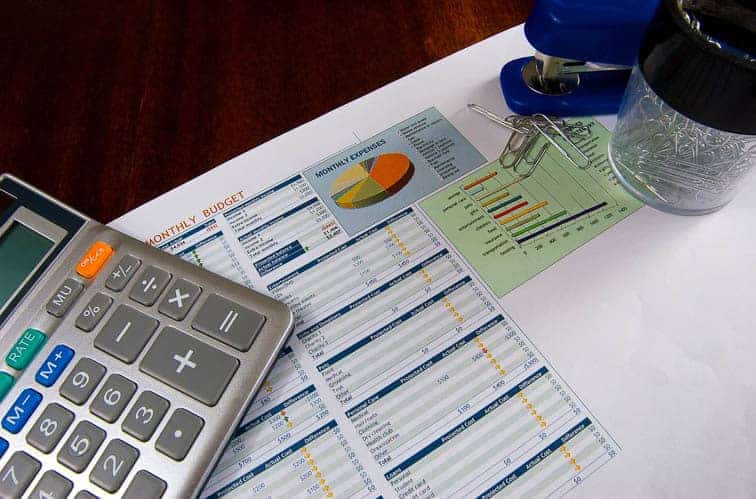
Becoming financially literate doesn’t happen overnight. You learn gradually starting with the basics and build fluency over time.
Perhaps the most basic financial skill to start learning is knowing how to budget. Budgeting is the best way to see how money comes in and out of your life. It will require you to go over your income and expenses and analyze your spending habits, and likely make changes where you need to. It may sound too restrictive, but it will help you take control of your money, instead of your money controlling you. And when you have better control of your money, you are able to make sound financial decisions.

Ideally, this is what you want a basic budget plan to have:
- A breakdown of all your needs all of your expenses over the course of a month so you can account for each of them.
- Track every penny you spend weekly or twice a week, depending on how often you deem necessary, and compare your actual spending to the budgeted amount.
- Evaluate ways for lowering your monthly bills as your expenses can’t be more than your income.
- Identify some income left over at the end of each month to build emergency savings or put toward other financial goals.
The only way for budgeting to be effective is for you to be realistic and put together a plan that you can actually follow. The more time and effort you put into developing your household budget, the better understanding you will have of how you’re spending your money and, as a result, the better you will be able to identify where your financial holes are. The sooner you can see the gap between what you can afford to spend and what you actually spend, the closer you can get to stop living paycheck to paycheck.

Knowing how to manage money effectively is a valuable life skill to have and financial literacy equips us with the knowledge and skills we need. We can learn to be financially literate, and it’s never too late to start learning.
If you’re interested to know about your own financial literacy, take this Self-Assessment Quiz to help you find out.
We encourage you to also come and talk to us to get a free checkup of your overall debt and financial health. As Licensed Insolvency Trustees, we are government regulated debt professionals and can help you to improve your overall financial literacy and learn new ways to become savvier with your money. Soon, you will take charge of your financial freedom with a debt-free life. Celebrate Financial Literacy Month with us!
Financial Literacy Month – How to Set Financial Goals

Another focus of this year’s Financial Literacy Month is to help Canadians learn how to set financial goals. It’s just basically figuring out three important things –
- Where your money should go,
- What you want it to do, and
- What you are saving it for.
It’s a critical step to becoming financially literate for these reasons:
- It will help you to set your own priorities for your money.
- It will help you work toward something specific.
- It will help you get into the habit of saving to achieve your goals.
- It will help you decide exactly what you think you should do with your money so you can make the most of it.
If you don’t have solid financial goals, you may tend to lose direction and are likely to spend more than you should and end up in debt, or if you have savings, it might end up floating in limbo when your money could be put to good use. On the other hand, if you have a financial plan, you’re far more likely to pay bills on time, to have an emergency fund, to have savings and investment and are more likely to feel financially stable.
Types of Financial Goals

Some goals are more pressing than others, like down payments, paying credit card debt and setting up emergency savings. Other goals are vital, such as saving for retirement. You can set short-term, mid-term, and long-term financial goals, it doesn’t matter, what matters is to get started right away so you can maximize every penny you have.
Here are some good goals you might want to consider setting for your own financial well-being:
Set a budget plan
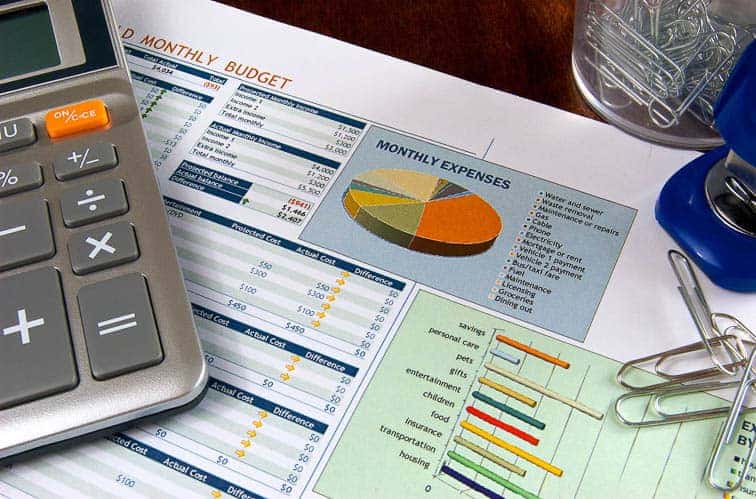
Setting a budget is a very common financial goal because, really, it is the most basic step you can take to get control of your financial future. A budget will help you clearly define the amount of income you have and where you are spending your money on. It will then help you see any expense that is stopping you from reaching your goals. If you diligently live by a budget, you can stop spending too much, you can stop going into debt and you can start saving.
Paying off credit card debt
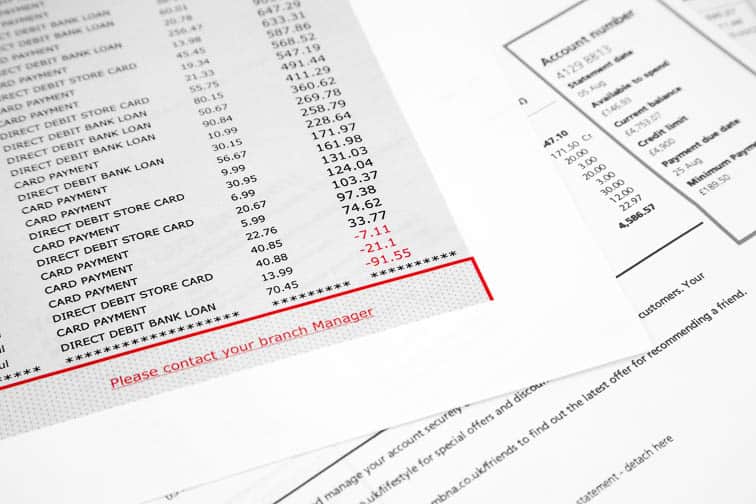
If you have high-interest credit card debt, getting rid of it should be a top priority. You can use the snowball method, the avalanche method, do a transfer balance, try credit consolidation with a reputable company, whatever debt elimination strategy you can afford to do, the main goal should be to pay that debt off first and as soon as possible. Credit card debt can hinder your ability to build wealth and reach your financial goals if you are not proactive. The high-interest rates eat up so much of your cash flow that could be used for other objectives instead of interest payments, so you need to tackle the debt first so you can move forward.
Saving for an emergency fund

Having an emergency fund is like having some financial assurance that you have some cash stash away that you can easily use to help you deal with life’s rainy days easier. Whether it’s an unexpected home or car repair, or an unplanned visit to the doctor or dentist, your emergency fund is essential to help cover costs that you don’t plan to happen.
33% of Canadians feel that they don’t have the financial resources to handle an unforeseen event, so if you’re feeling the same concerns, take some solid steps right away to build an emergency fund that will help you have some peace of mind, knowing you can cope with unforeseen bills and expenses.
The general rule is to have enough funds to cover up to six months of your living expenses. Start building your savings in small steps with what you can actually afford to set aside right now. That’s a good start, and be consistent and in time you will see your funds grow.
Saving for retirement

Saving for retirement is another top-rated financial goal. One of the topmost concerns about retirement is if you will have enough to live on. The key is to plan for an early retirement, this way you’ll still have plenty of time to make it even if you hit a few snags before the legal retirement age of 65.
You need to consider two critical points when you’re planning for retirement:
- Make sure you are able to retire without loads of debt, and
- You have a reasonable income stream that you can live off of.
A long-term approach of disciplined saving and investing can help you attain this goal.
Many of us don’t bother to set financial goals. We choose to rely on luck and, well, come what may. However, setting financial goals can help influence the way we manage money and can greatly increase the likelihood of our financial success. With goals set up, we are able to better meet savings needs, we are able to control our spending, we are able to make wise buying decisions and use credit responsibly and avoid going into debt – all because there is a plan, a clear and solid direction and intention of where our money should go.
Contact Richard Killen
FREE No Commitment Consultation
Contact us now for a fresh start!
“Serving Toronto & the GTA for over 25 years.”




Recent Blog Posts
- How to Handle Lingering Holiday Credit Card Debt - What to Do Before It Gets Worse
- Holiday Debt Relief Tips to Kickstart 2026 Right
- January Debt Solutions: Your Fresh Start Begins Now
- Holiday Debt Relief Ontario: Where to Get Help Now
- Avoiding the January Credit Card Hangover: 7 Steps to Stay Debt-Free This Holiday