


Indoor & Outdoor Activities To Do In Toronto With Kids for Free
You’re short on cash, its winter and are wondering what indoor or outdoor activities you can do with the kids for free or nearly free in Toronto. We love having our kids home for winter break. School is out, and they are at home most days with a lot of free time. Some parents like to go on vacation from work and spend time with their children. However, parents often wonder what they can do to keep the kids busy. Luckily for us Torontonians, there are lots of great ways to entertain kids in Toronto winter for free — and well, maybe almost free.

The chilly weather may want you to stay inside more than you would like to. That’s no problem at all because there are many indoor activities throughout the city that will keep children busy and cognitively focused while it’s cold and snowy outside. However, it’s also important for kids — and parents as well — to get outdoors and engage in physical activities during a holiday break or weekends.
You and the kids can simply go outside and have a snowball fight or make snow angels in your yard, but you can go and have fun around the city without breaking the bank.
Free Public Outdoor Skating

Winter is the season for ice skating, so time to grab those skates, hit the ice and spend some time with the whole family at one of Toronto’s outdoor public ice rinks. There are many free places to get your skate on in Toronto that will be open through to March 2019 if the weather permits. Brave the freezing cold and go practice those triple axels!
Fun Winter at Ontario Place
Ontario Place is a must-go-to destination for all your favourite winter activities and attractions. A winter festival that’s free to the public seven days a week until March 17, 2019. Enjoy the Winter Light Exhibition, an amazing 18 light exhibits created by local artists that showcase the artful effects of light. Try out the synthetic ice skating rink that will be open to the public all winter long. The Cinesphere features family-friendly films that you can watch on their massive screen with shows at 7:30pm daily. Bask in the glow of fairy lights wrapped around more than 100 trees as you go around and explore the West Island. There’s also a bonfire to warm up around while you sip hot chocolate and roast marshmallows.
Discover a Toronto National Park

It’s all fun and exploration this winter when you and the kids join in on a friendly and fun guided walk with Parks Canada. The park offers family-friendly trails for hiking that cater to all ages. You’ll get to discover a wide array of trees, plants, grasses and wildlife sightings. You can go on quiet nature walks to experience the beauty of the Rouge in winter or just to meet new people. Check out their website for their January and February schedule.
Winter Stations 2019
Okay, so the beach may not be the first place you would want to visit in the winter, but maybe looking at art installations attached to lifeguard posts will make it interesting for the adults and stimulating for the kids. The winter event is now in its 5th year, so it’s obviously a favourite activity around town that you would want to consider. Another thing that may change your mind, admission is free! Take the kids for a stroll on The Beaches and enjoy the playful art displays of international artists and designers showcased along Toronto’s snowy waterfront from February 18 – April 1, 2019. Last year’s installations included a wire nest sculpture weaved together by colourful fabrics and a nuclear cooling tower decorated with tiny pinwheels. Hmmm, wonder what this year’s winners will bring?
Escape to an Indoor Pool
The thought of swimming during the cold months may make you cringe, but swimming in indoor pools can be a great way to stave off the bitterly cold temperature. Swimming is a great workout, and it can help heat up the body naturally. The rise in your body temperature, will give you a soothing, calming effect and boost your mood. It’s just the perfect antidote for the winter blues. What’s more, the workout will keep your family’s immune system strong so it can fight off bacterial and viral infections. This is particularly important during the winter season when colds and flu rear their ugly heads.
Family Snow Tubing

Snow tubing is another winter family favourite activity because, really, what’s more fun than sliding down a hill! Many people say it’s a lot more fun than sledding because the snow tubes can spin in any direction, unlike in a sled where it just makes you go downhill in a straight line. There are many local parks and ski areas that offer snow tubing that rent out tubes for guests to use free of charge, so check out details before heading out. Don’t forget to check for weather updates too, as many winter activities are available depending on weather conditions.
Toronto International Boat Show
Spend the day with the kids at North America’s largest indoor boat show. You can ski and dine around, take a look at the impressive fleet of 1200 boats of different sizes ranging from 6 ft. to 60 ft. or just browse through the wide array of marine accessories on display. Lots of other family fun events to look forward to: watch professional wakeboarders compete in the Toronto Indoor Wakeboard Championships, attend fly fishing classes in the world’s largest indoor lake, watch remote-controlled sailboats race on the lake just like in Central Park, and meet with pilots and technicians at the Royal Canadian Air Force exhibit. The event will take place from January 18 to January 27, 2019. There is free admission for kids with ages 16 and below, an admission ticket for only $5 after 5pm and free parking on weekdays after 4pm!
Go to a Model Train Exhibit

Model trains can be fascinating to some kids (and some older “kids”). If your brood is up for it, take them to a real train museum. The Toronto Railway Museum showcases interactive exhibits of steam and diesel locomotives so kids can learn about the city’s railway history. Better yet, they can go on a guided tour in the outdoor museum and explore a collection of full-size trains, a live steam miniature railway and the main attraction, a fully operational 120-foot long locomotive turntable. The museum also has a miniature train ride operating on weekends, which cost $3 for adults and $2 for kids.
You don’t have to stay inside throughout the frosty season! So, when everyone gets bored and the kids start to bicker and it’s driving you bonkers, you know it’s time for a break. Round up everyone, bundle up, and have some free family fun with these affordable indoor and outdoor activities to entertain kids in Toronto winter for free.
Things You Can Do in Toronto for Free or for Cheap While Paying Off Debt

There are many things you can do in Toronto for free or almost free. If you’re climbing out of a difficult debt situation – making lifestyle sacrifices is necessary. You need to tighten your budget and settle into a new lifestyle with a monthly budget that’s been drastically cut back. It’s just one of the things you have to do to get a good grip on your finances.
However, don’t forget to have fun along the way. You deserve to have some fun, especially on some days when it will be really rough, and you will be stressing out, and you’ll feel pretty much like a zombie. You’ll need to take a break, and you’ll benefit a lot if you take it easy once in a while.
I know you’re thinking that it’s going to be impossible to still have a life while you are focused on paying off debt. However, it’s not impossible. It can be done. You can definitely still have a fun and healthy lifestyle even when you need to tighten your budget. You just need to be smart with the resources you have.
Let’s start off with some of the things you can do in Toronto for free, or for cheap, to help you take your mind off your debt problems even just for a little while — and have some fun, enjoy life and simply live in the moment.
FOOD AND EATS

For many of us, life is food. We feel we are living well if we eat well. Luckily in Toronto, there are many places you can dine on delicious meals that cost $10 or less without having to sacrifice quality or taste.
Groupon
The best place to find great food at cheap prices is on the Toronto Food & Drink Groupon page.
Groupon is a popular money-saving website that features local discounts in over 150 cities. If You’ll find the latest food and drink deals in Toronto to have breakfast, dinner, lunch or to celebrate birthdays and other special occasions that offer great savings from 40% and up. New deals get added many times daily and weekly so keep checking back, so you don’t miss out.
ART AND MUSEUMS

These are some great places you can check out if you are a person who has a great love of art:
If you love shoes but can’t afford to buy any yet, you can still stare open-mouthed in wonder and amazement at over 10,000 items of footwear in Toronto’s unusual and unique shoe museum. The four galleries housed within the four-storey structure regularly organizes exhibitions, so there are always some new shoes for you to see. On Thursdays from 5 – 8 PM, you only have to shell out $5 for admission.
Art Gallery of Ontario
Admission is free at the AGO on Wednesday nights from 6 to 9 PM. You can take a look at close to 95,000 pieces of art: everything such as contemporary art, prints and drawings, photography, and art collections from around the world. Make sure you don’t miss out on unique events that any art fan will enjoy.
MUSIC

Some of us need the sound of music to help us relax, so here are some fantastic places to enjoy.
Free Concert Series by the Canadian Opera Company, Richard Bradshaw Amphitheatre
For this season, the COC has organized a variety of worldwide performances for free until May 2019. However, you have to check out their website regularly for upcoming events in their 2019/2020 lineup as they hit their 1,000th concert. Free concerts are mostly on Tuesdays and Thursdays at noon, and at times on Wednesdays at noon or 5:30 PM. Admission is free, however, seating is limited, so plan your visit ahead and come early.
Canadian Music Festival
This is an annual event that happens every first week of May where you can get to listen to over 1,000 live bands and musicians from a wide range of genres held at numerous venues across downtown Toronto. Get ready to get your groove on with so much music and so much fun for very little cost!
SHOPPING

Kensington Market
This place is a charming, pleasantly old-world neighbourhood right next to Chinatown. You’ll find lots of unusual vintage or surplus clothing, shoes, jewelry, bags, and one-of-a-kind gifts and arty-crafty home accessories and creative artworks in many retro furniture shops. There are also plenty of coffee shops and restaurants to pick up a cup of good & cheap coffee or tea and affordable breakfast and lunch specials for take out. It’s so diverse you can spend a whole afternoon or evening just strolling around and window shopping.
GARDENS AND PARKS

Toronto has over 1,500 parks and gardens that are free all year round. You can walk the dog, stroll around, explore on a bicycle, picnic with the family, play with the kids, lounge in the grass or simply sit all day on the benches and people watch. No matter what you do, a visit to one of Toronto’s parks and gardens are a great way for you to get outside and have some fresh air.
Here are some you’ll want to visit soon:
Trinity Bellwoods Park
A beautiful oasis in the west end of Toronto that’s well-suited for you if you like traditional green spaces with lots of greenery and century-old trees. The park organizes lots of special events, such as art installations, plays, book fairs, drum circles, meditation clubs so you can meet lots of new friends there. And you don’t have to go far to eat and dine as there are also plenty of incredible and affordable places to eat and drink within and outside the park.
Allan Gardens Conservatory
If you are a fan of exotic plants and floral displays a visit to Allan Gardens Conservatory is a must. It’s a botanical haven of unusual flora, tropical plants, spiny cacti, and exotic palms from all over the world.
PASTIME FUN

Graffiti Alley is getting to be a really popular attraction in Toronto, so if you suffer from FOMO or the fear of missing out, it’s one of the things you can’t miss to experience. You can stroll around with friends or a significant other and admire wall after wall of fantastic street art and take lots and lots of selfies to post on your social media accounts. The murals can keep changing as artists regularly paint over old works and replace them with new creations, so there’s always something new to see and photograph the next time you visit. There’s also often something going on in nearby areas, such as outdoor ice skating in the winter and live music, outdoor movies and cultural festivals during the summer months.
Paying off debt does not mean you can’t have a life. There are tons of things you can do in Toronto for free or for cheap, whatever mood you’re in. All you really need to do is find the time to get to some of the city’s main attractions and enjoy life.
2 Things You Can Do To Take Control of Debt

If you are struggling with debt, you are certainly not alone. Most Canadians, if not all, have debt. Some of us have just a little bit of debt and that’s completely normal, and we must know how to take measures to keep it at a manageable level and avoid becoming trapped in a cycle of debt.
On the other hand, there are also some of us who have a large amount of debt and it’s creating stressful financial issues as we try and juggle payments on the debts and put more effort into meeting the monthly payments on time.
And then there are a number of Canadians, unfortunately, who have out-of-control debt that has really become a burdensome problem and causing them to feel a deep sense of shame, guilt, and embarrassment to the point that they suffer physical and psychological health issues, such as anxiety and depression.
Managing debt is the very first step to prevent it from getting out of control. That’s really the rule of thumb when you take on credit. Once you take on any type of debt, it can affect your entire financial life. That’s why it’s so important that you take the steps towards being the one in control of your debt, instead of debt taking over your life. If you are in control of your debt, it will make you feel confident about being able to pay it off in a timely manner and you won’t be afraid about facing any financial demons over time.
Here are two important things to understand to help you always take control of your debt:
Know how much you owe.
Monitor your debt so that you are always aware of how much you owe. You monitor your debt simply by creating a detailed budget to plan your expenses. A budget will provide very important information for effective debt management. It will show you:
- The net income you have available to spend.
- What your regular expenses are (e.g. rent, childcare, food, transportation, savings).
- The total of the payments you have to make each month for your debts (e.g. credit card debts, mortgage, car loan and other loans).
Make sure you list each of your debts, one by one, indicating the total amount each creditor it is owed, the monthly payment you need to make, and when the due date is. Check your credit report to verify all your existing debts and to make sure you didn’t miss putting something on your list. Total up your expenses and payments and subtract this from your net monthly income. Depending on how much money you have left over at the end of the month, you’ll need to decide whether you have too much debt or if you feel comfortable with the level of debt you have now. Make it a point to update your debt list as you make payments on the due date. This will help you to stay aware of how much you owe all the time and prevent you from making any financial decisions that will lead to potential debt problems in future.
Recognize if you need help.
For some people, following a realistic budget to pay off debts and plan expenses is enough for them to take control of their debt. However, for others who have bigger debt problems and budgeting is not enough, there may be a need to create a manageable repayment plan to help you pay your debt and other bills each month in order to regain control of your finances.
As soon as you find that you’re struggling with payments and feel that you may have a potential issue on your hands, maybe you’ve made a late payment or think you’re not going to make a payment on time, reach out to your lender right away to find out if they can offer some ways for you to catch up or stay on time with payments. You’d be surprised that there are a number of creditors who are more than willing to work with borrowers who reach out to them for help before they are way behind on payments. Creditors may lower your interest rate, reduce your payment or even temporarily suspend your payments for a number of months until you get back on your feet. The key is not to wait until you’re delinquent because you have more options if you have no missed payments.
If you really cannot pay even the minimum payments on your debts or cannot even meet your basic monthly needs such as buy food or pay the electric bill, then your debt problems are more severe and you may need a more permanent solution to help reduce or eliminate your debts entirely.
At this point, the best thing you can do to take control of your debt is to talk to a debt professional. A licensed insolvency trustee is the only debt expert in Canada licensed by the federal government to give advice about other options for debt relief such as a debt management plan, a consumer proposal or a bankruptcy. Each of these debt solutions have advantages and disadvantages and a trustee will be able to explain each option thoroughly and answer any questions you may have. The trustee will do an in-depth assessment of your financial situation and be able to make recommendations on the best option to solve your debt problems. By getting the help you need, you can get back in the driver’s seat and take back control of debt with some good advice instead of ignoring your debt problem and making matters worse like leading you to declaring bankruptcy.
Taking control of debt is a commitment. You need to be able to manage it responsibly. Even if you have just a little bit of debt, you need to exercise restraint to keep it at a level you are able to manage. If you have more than just a little debt, you need a little more self-discipline to have more control over your debts. If you have more debt than you can handle, it would require you to seek the help you need and make certain sacrifices to get back on top of things.
Debt problems and financial challenges are inevitable in life. They will happen to each one of us at some level and at some point in our life. It’s important to realize that there are solutions to debt problems no matter how terrible your situation may seem to be. There is no need to spend your entire life in debt and allow it to ruin your other financial goals. All you need to do is make the decision to take control of debt and do all that is necessary to improve your financial situation.
Understanding our cashflow is the key to managing our debt

The new year is around the corner, so have you given any thought to the potential financial hangover you may wake up to in early January? Perhaps you spent too much, even though you created a holiday budget. If you think you might have spent more than you planned, here are some helpful tips to get you back on track before the next big holiday.
Assess how you spend money
Are you an emotional spender who needs to spend all the time? Or are you a careless spender, who doesn’t know or care where your money goes? Perhaps you’re somewhere in the middle. Identifying your spending style and taking positive steps to make a change will put you on the right financial path in the coming year.
Watch where your money goes — Understanding your cash flow
Do you have a personal and/or family budget? If yes, then go through it very carefully. You may be able to find extra money by cutting expenses in less important categories. Calculating your monthly income and expenses — your cash flow — is relatively simple. Simply add up all your income from all sources and the amount of expenses you usually have each month. If you have properly listed all your expenses, including things that aren’t paid out on a monthly basis like car insurance premiums, utilities and other bills, then you’ll have a good idea if you have the money to take on another monthly payment.
Here’s an example of the lists you may have:
Monthly net income.
- Take-home pay
- Bonuses
- Pension
- Dividends
- Social security
- Child support and alimony
- Any other main sources of income in our household
Monthly debt expenses:
- Monthly mortgage or rent payment
- Monthly alimony or child support payments
- Student loan payments
- Car loan payments
- Credit card minimum monthly payments
- Monthly payments for personal loans or any co-signed loans
- Monthly payments for real estate taxes and for homeowner’s insurance (only if they are held in escrow)
- Income Tax Remittance if self-employed
- Note: Do not include monthly expenses for groceries, utilities, gas.
Next, divide your total debt payments by your total income and multiply by 100 to get a percentage result. This is your debt-to-income ratio. Now, you’ll have a comparative percentage to help you understand how much of your income is used up paying monthly debt payments. If your ratio is 35% or less, you’re managing your debt well. If your income turns out to be equal to or less than our monthly expenses, then you’d better postpone or cancel taking on new debt. If it’s between 36% to 49%, you’re managing your debt to an acceptable extent, but your finances may not be able to handle unforeseen expenses. If you’re looking to borrow money, lenders may ask us for additional security to make their final decision. If your ratio is 50% and above, you’re at a critical level; you simply have too much debt. If you fall within either of these last two ratio levels, you should seek professional advice before things go too far. Keep in mind that you are not alone as many Canadians carry debt at 50% to 80% of their monthly income. It’s only after they realize that they no longer can meet the payments, that they’ve borrowed too much.
Pay off the debt and start saving
You’ve done the math and maybe things don’t look too bad. You are practically convinced that you can do this. But if you get away from the numbers a bit and reflect on a few other aspects of your situation, you may reconsider taking on additional debt:
- The reasons for taking on the new debt — the good reasons and the not-so- good reasons;
- What the benefits will be from doing so;
- What effect will this new liability have on other members of your household;
- What other costs will arise from the deal, such as the cost of lost future opportunities because of the need to service this new debt;
- The psychological costs to both yourself and others that stem from the existence of the debt and payment burden it creates;
- And whatever other personal, perhaps non-financial effect all this will impose on us and our family.
Based on your answers, you may decide it’s better to use the cash flow wiggle room you identified in your budget and apply it to pay off your current debts and start a savings program. Remember that it’s possible to change bad financial habits. It’s just requires you to make a concerted effort to simplify your life. By changing your consumer mindset now, you’ll find that you’ve made yourself richer. One way to make the change is by making spending harder. For example:
- Set up a pre-authorized payment program every payday to force yourself to save and pay down your debt.
- Limit your ATM withdrawals and bank fees. Plan your spending and always use cash. You may want to consider leaving your debit card at home, too.
- Put your plan in place. The key to financial success is self-discipline. Keep your eye on your goal. It may hurt at first but after a while your program will feel very natural.
The message here is not to encourage anyone to go into additional debt, but rather to tread carefully if that’s the direction you’re headed and avoid debt situations like bankruptcy in Toronto. If you allow yourself to get too comfortable, you may very subtly, perhaps without realizing it, be giving yourself permission to keep piling it on, which will eventually prevent you from reaching your goal of living debt-free. Remember, going into debt is a choice. At the end of the day, the numbers show that a well-researched, unemotional and honest analysis of your financial situation will pay far greater and better dividends to you than all the fancy baubles that you buy.
Avoid post-holiday debt stress — create a budget

As we get closer to the holiday season, there is one thing we can all agree upon: the holidays stress us out. Whether we’re juggling an increased social calendar, rushing to finish work before the end of the year, or trying to grab that last-minute gift, we’re all feeling somewhat overwhelmed. Along with all this rushing around is a tendency to over spend. We know we probably shouldn’t, but we tend to shrug it off and think about the consequences later. But then the first credit card bill arrives in January and we’re hit with one of the most difficult kind of stresses to deal with: debt stress.
Debt stress has an overarching effect on our lives. It affects our credit score, our financial independence, career choices, well-being and standard of living. In October, Equifax Canada announced that consumer debt continues to rise; in fact it’s up 5.4% since last year. But, we have it in our power to avoid the pitfalls and handle debt properly to achieve positive and desirable results. To ensure we don’t let debt control us it’s important to remember the difference between good debt and not-so-good debt. For example, good debt should leave us better off in the long-term and provide us with lasting benefits. By contrast, not-so-good debt will not provide some increase in value to us over time and tends to reduce our wealth.
Also, another way to control our debt at this time of the year is to understand how much we currently owe. Then we should set a holiday spending budget to ensure we don’t continue to overextend ourselves financially.
Calculate how much cash and debt you currently have: On a spreadsheet or paper and pencil, list your assets (what you own) and your liabilities (what you owe). Now calculate your net worth by adding up your assets and then subtracting your liabilities. If your net worth is positive, you’re doing a great job of managing your money. If your net worth is negative — or “in the red” — it’s time to be honest with yourself and not take on any more debt this holiday season.
Make a list, pay in cash and stick to your plan: Consider this list a mini-budget. Itemize what you realistically think you’ll need over the holidays, like modest gifts, food, refreshments and decorations. Based on the calculation you did above to identify how much you can afford and put an affordable spending limit next to each category. Your goal is to stick to this plan. There are often great sales in November and December, so do your research to find the best bargains.
Enjoy the season: It is possible to have a great festive season without spending a lot of money. Besides, it’s the thought that counts, not the expensive price tag. It’s also possible to use credit with good judgment and with a solid plan to pay it off. Happy holidays!
Richard Killen, Licensed Insolvency Trustee in bankruptcy and author of the new eBook The Glass is Half Full which is now available to be downloaded for free on this page.
2018 INSOLVENCY & RESTRUCTURING EXCHANGE
On October 26, 2018, Richard Killen, Bonnie Bryan and Michele Meitz attended the 3rd annual 2018 Insolvency & Restructuring Exchange in Toronto.

This is the Canadian Association of Insolvency and Restructuring Professionals (CAIRP) largest one day event of 2018. Almost ninety percent of Licensed Insolvency Trustees, licensed under Canada’s Bankruptcy and Insolvency Act are members of CAIRP.
CAIRP was created as a non-profit corporation in 1979 to advocate a fair, transparent and effective system of insolvency/restructuring administration throughout Canada.
This event is the best place for professionals from consumer and corporate restructuring practices to network and learn together.
We were glad to get the opportunity to meet and hear from fellow CAIRP members, lawyers, members of the judiciary, lenders and government officials as part of the days events.

5 Signs That You Have Too Much Debt And Need Debt Help
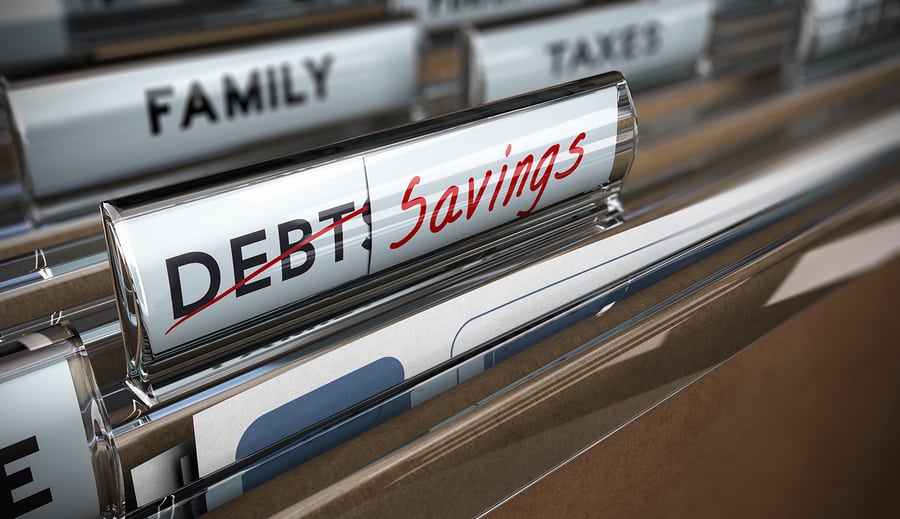 There are lots of different tells that you have that let debt levels get out of control and you should consider getting some debt help. Basically, if you are even asking yourself if this is the case, there’s a good chance you are in trouble and need some financial debt counselling.
But see if any of these warning signs resonate with you.
1. You have no money in your savings account
Having money in savings is about creating a nest egg for the future and putting aside funds for emergencies. A tapped-out account is a sign that you are living from paycheque to paycheque, with no cushion for life’s inevitable ups and downs.
2. You’re having trouble paying your bills
You are letting your bills accumulate, getting past their due dates. This will affect your credit rating. Paying only the minimum amount on credit card bills carries the balance to the next billing cycle and makes interest accumulate. If you have to pay your bills with loans from family, friends, credit cards, or cash advance outlets, you have too much debt. And eventually people will start saying no.
3. You’ve been told no for new credit
You’ve been playing the juggling game, applying for new credit to help pay for your debts or lifestyle. But you receive a letter of rejection, explaining that you have a poor credit score, too high a balance, too much credit or no credit history. At times it may seem like there is no end to the amount of credit you can get. But eventually the train does come to a screeching halt as creditors realize that you have become a bad risk.
4. You’re way too stressed
You’re losing sleep over your financial situation. Your work performance is suffering, as is your relationship with friends and family. You’re fearful, depressed and perhaps turning to alcohol or drugs for relief. Worrying about debt can take a terrible toll physically and mentally.
5. You don’t know how much you owe
Basically your head is buried in the ground. You don’t look at bills. You spend without checking your bank balances. You use your credit cards without thought. And you don’t know if you owe $1,000 or $10,000. You’re probably waiting for the axe to fall.
As we said, if you’re worried about debt, then debt is probably a problem. Problems also have solutions. Come to Richard Killen & Associates for a free consultation and get some debt help. We will help you to understand what your options are, so you can replace worry with hope, and debt with a clean balance sheet.
10 Debt Danger Signals

After the expense of the holidays, many of us wonder how much debt is too much. Yes, Canadians are used to carrying record debt loads, but there comes a point where the burden may become too heavy.
Here are 10 danger signs that could reveal your spending is out of control:
1. You are making only minimal payments on your credit card balances as you head towards maxing them out.
2. Even so, you continue to use them for everyday purchases, such as groceries or gas.
3. You are using one credit card to pay off another. The fact that you have more than one or two credit cards is in itself a danger signal.
4. You borrow money to make it from one payday to the next.
5. You miss payments and due dates for bills and loans.
6. Creditors are after you for payment, threaten to sue or repossess your car, furniture or television, or hire a collection agency to recover the money for them.
7. You argue a lot with family about money, or hide your spending habits from them.
8. The size of your debt grows month after month. Or it has grown so large that you are afraid to look at the real total.
9. Extra money earned through overtime, tips or bonuses is relied on as part of your regular monthly income.
10. Thoughts about money and debt crowd out all others and put your life under a cloud.
Although your situation may be dire, it is never hopeless.
If you feel your debt load is becoming too much, come into Richard Killen & Associates for a free assessment. As a federally licensed bankruptcy trustee in Toronto, we can take you through all the possible financial coping strategies – whether it is debt consolidation, negotiating with creditors, a consumer proposal or even a personal bankruptcy – and find out what works best for your particular situation. And you make all the decisions.
After all, we’re talking about your peace of mind, right?
Financial Resolutions for the New Year
 The new year is a time of new beginnings. Many of us make resolutions to live more healthily, fix up our relationships and get our finances in order.
While we can’t help you lose weight or improve your love life, we’d be happy to offer you eight suggestions so that you can get a better handle on your financial affairs.
1. Make a Budget
While this may seem obvious, you would be surprised by how many people navigate the tricky waters of personal finance without a compass or map. So it’s simple: Set a budget and then stick to it – or at least try like the Dickens.
It will obviously take willpower to live within your means, but you can make it easier on yourself if you set a realistic budget. Don’t just pull numbers out of the air. Look at your income, examine your expenses – perhaps pulling together a worksheet of your bank and credit card expenses for three months – and then set a budget accordingly. Think of giving yourself a fixed weekly or monthly allowance for discretionary expenses, such as shopping, eating out and entertainment.
2. Save Automatically
Set up an automated savings and bill payment program through your financial institution. Each month, on a certain date, you’ll have an amount transferred automatically for retirement savings, a future down-payment on a home, savings for a rainy day, utility payments and so on. Because the funds are drawn straight from your account, you are more likely to stick to the payment regimen.
Yes, we know some people don’t seem to have any extra money available for “savings.” But even if it is only $1 a week, it can be the thin edge of the wedge – to be increased later to $2 or $5 or even $10 or more. You have to start somewhere, so try to make this a part of your budget.
Another great way to save automatically is through a payroll deduction. Talk to your employer about this.
3. Prioritize Your Debts
Not all debts are created equal. Make a list of your debts. Pay off the ones with the highest interest rates (most likely your credit cards) first. There’s no point in investing money if you are continually carrying credit balances at high interest rates. If you have savings bonds or cash holdings, you should use these to pay off debt. You can also see if you are able to refinance your debts or negotiate lower rates.
4. Close Accounts You Don’t Need
Banks and financial institutions charge for everything you can imagine. So do you need several chequing and credit card accounts? The answer is usually no. Bite the bullet and simplify your life at the same time.
5. Have the Talk
Canadians hate talking about money matters. It’s a fraught subject that has sunk marriages and destroyed relationships. But hiding your head in the sand doesn’t help. The behaviours that lead to debt and financial problems won’t change unless they are brought into the open and discussed in a constructive manner. Try the pronoun “we” or “our” instead of “me” or “you.” The discussion with your partner or other family members will usually be more productive.
Parents should also have financial discussions with their children, especially if the kids are poised to leave for university or begin their working lives.
6. Build an Emergency Fund
Things happen that can impede your ability to earn. You may lose a job or become incapacitated by illness. So, of course, check your insurance to make sure that you have adequate life, disability, home and auto insurance. But you should also build up an emergency fund, with three to six months worth of living expenses . . . just in case.
7. Leverage the Investment in Yourself
If you need more money, why not convert your untapped expertise or interests to create another revenue stream? Perhaps you can do freelance work or act as a professional coach. Or if you have have collected a lot of stuff over time, sell it on eBay or through Kijii. If you have the chance to take courses or seminars to upgrade your working qualifications, do so and you may be able to command a higher salary. Sometimes your employer can help you fund such upgrades.
8. Keep a Record of Your Small, Out-of-Pocket Expenses
One of the unseen things that tends to hold us back in achieving budgetary goals is the money we spend without thinking – the Timmy expenditures. Ask yourself every night: “How much did I spend out of my pocket today?” This only includes those things we don’t give much thought to, such as coffee or cigarettes. It will astound you how much this adds up to over a week or a month. Write down these little money suckers each night.
So whatever you need do to get a handle on your financial situation, don’t put it off. Just do it, as Nike likes to say. Just writing things down will give you a far greater chance to control and build your financial security. And you can do it.
How to Lower Your Heating Costs

As the cold weather descends, Canadians are faced with their annual challenge of how to stay warm without breaking the bank – especially as the cost to heat homes rises. To lessen the damage to household budgets caused by high fuel costs, here are five common-sense steps you can take:
1. Turn Down the Heat
By setting your thermostat to 20 degrees, you may be able to reduce your heating bill by 5 to 10%. If it seems chilly, wear a sweater and warm socks. And keep in mind that while you were sweltering in 30-plus degree temperature in the summer, you would have killed for 20 degrees. And reduce your heat another four or five degrees when you are out of your house or gone to bed (saving another 15% in heating costs). Studies show people sleep better in cool rooms.
2. Heat Only What You Use
Shut the doors and close the vents of the rooms you’re not using, so you only heat the rooms you’re living in. On the other hand, do heat the basement, even if you don’t descend to its depths often. A cold basement will make the first floor of your house feel cold.
3. Get Rid of Cold Drafts
Cold drafts are uncomfortable and a reminder that as cold air seeps into your house, hot air is leaking out. Feel for the drafts around window and door frames, and install weather stripping where needed. You might also consider covering some windows with plastic, to keep heat in, and at very least covering the windows with blinds or curtains at night.
4. Control Your Fireplace
Yes, it’s great to have a wood-burning fireplace, providing heat and cheer. But when the fire isn’t burning, the hot air is sucked up the chimney. So close the flue.
5. Ensure That Your Furnace Works Efficiently
You should get your furnace inspected and tuned every one to two years, so that it runs safely and efficiently. In between servicing, making sure that the filter is clean. And if your furnace is old and inefficient, think about replacing it with a new, energy-efficient model, the short-term cost will be recouped after a few cold Canadian winters.
Staying warm is an annual Canadian challenge that we have become very adept at meeting. But, there are other challenges that we must face from time to time such as when we find our debts outrunning our income and our ability to pay them. This too can strain our household budgets and eventually affects large parts of our lives. Well, there are different ways of meeting that challenge and one of the best is to call Richard Killen & Associates and take advantage of the free consultation offered. It is a sure-fire way of staying warm during that kind of “weather” crisis.
Contact Richard Killen
FREE No Commitment Consultation
Contact us now for a fresh start!
“Serving Toronto & the GTA for over 25 years.”



Recent Blog Posts
- Debt Settlement vs. Licensed Insolvency Trustees: Understanding the Costs and Risks
- What Happens If a Collection Agency Is Calling You in Ontario? What They Can & Cannot Do—and How to Stop the Calls
- Can I Keep My Car During a Consumer Proposal or Bankruptcy in Ontario? An LIT Explains
- Will a Consumer Proposal Hurt My Mortgage Renewal in Ontario?
- Why More Canadians Are Choosing Consumer Proposals for Debt Relief and Financial Recovery