

How to Handle Lingering Holiday Credit Card Debt – What to Do Before It Gets Worse

The holiday credit card debt struggle is real — and for many, it doesn’t magically disappear when the decorations come down. If you’re still carrying balances into February, March, or even later, you’re not alone. While the joy of the season fades quickly, the financial aftermath can linger for months, quietly accumulating interest and stress.
Whether your spending was intentional or just got out of hand amid the excitement, the good news is that you don’t have to stay stuck. With the right approach, there’s a clear path forward — and it doesn’t involve panic, shame, or ignoring your bank statements.
Why Your January Statement Feels Like a Wake-Up Call
You did your best to stay on budget — but after a few swipes for gifts, travel, or takeout, your January credit card statement arrives… and it’s higher than expected. Sound familiar? That’s the classic post-holiday debt surprise — and it happens to a lot of people.
This kind of holiday spending hangover can last for months. Here’s why:
- Some holiday purchases don’t show up right away
- Charges from December may hit your account in January
- Little extras add up — gifts, food, events, last-minute buys
Then everything lands at once:
- Credit card bills arrive mid-January
- Rent, groceries, and utilities are due at the same time
- There’s not enough cash to pay off the full balance
- Minimum payments feel like your only option
- Interest builds fast — and debt starts to grow
By March, the holiday season is long gone — but the debt is still there. These lingering holiday expenses can:
- Blend into your regular spending
- Be easy to ignore
- Turn into long-term debt if you don’t have a plan
The good news? It’s not too late to turn things around — starting now.
Why Holiday Debt Sticks Around Longer Than Expected
So why does this kind of debt linger for so long?
One of the main reasons credit card debt after holidays sticks around well into spring is the high interest rates that most credit cards carry. If you’re only making minimum payments, it can take years to pay off your balance — even if you stop using the card entirely. Combine that with everyday living expenses, and it becomes easy to lose momentum and fall into a cycle of revolving debt.
High interest credit card debt can be especially dangerous. It grows quickly and eats into your ability to save or invest. If your interest rates are above 19% and you’re only making minimum payments, you’re likely paying far more than you realize — not just in interest, but in missed opportunities to build financial stability.
This is a red flag if:
- You’re unable to make more than minimum payments
- Your balance hasn’t decreased in three months
- You’re using one card to pay off another
If any of this sounds familiar, reach out to a Licensed Insolvency Trustee to explore your options before the situation escalates. They can provide a clear, professional assessment of your financial situation and help you find a sustainable path forward — whether that’s budgeting help, a consumer proposal, or another solution.
Taking Control Before It Spirals
Here’s what you can do now to stop the situation from getting worse — and start moving toward financial clarity.
1. Assess the Damage Honestly
Start by looking at all your credit card balances and making a list. Include the interest rates, minimum payments, and due dates. This simple exercise can feel intimidating, but it’s a necessary first step toward managing credit card debt effectively. When you face the numbers head-on, you can create a plan that’s based in reality, not guesswork.
2. Prioritize High-Interest Accounts
If you’re carrying multiple balances, focus on the one with the high interest credit card debt first. This approach, often called the avalanche method, saves you more money in the long run. Paying extra toward the card with the highest rate while keeping up with minimums on the rest is a smart and strategic move.
3. Review Your Budget (and Make Adjustments)
Look at your current monthly budget. Is there any room to cut back temporarily — on streaming services, takeout, or subscriptions — so you can put that money toward your balances? Making short-term sacrifices now can speed up your progress and reduce stress later.
Even small shifts can make a big difference, and focusing on holiday budget recovery tips can help you realign your spending habits and make smarter choices going forward.
4. Choose a Debt Repayment Strategy That Fits
There’s no one-size-fits-all approach to tackling debt, but the key is consistency. Whether you use the avalanche method, snowball method (paying off the smallest balances first), or a combination, stick to a plan that feels doable. Many financial experts are recommending customized debt payoff strategies 2026 that reflect the evolving economic landscape — emphasizing flexibility, automation, and realistic goals.
If you’re unsure which method to choose, talking to a professional can give you clarity.
5. Avoid the Trap of Emotional Spending
One of the easiest ways to derail your progress is falling back into spending as a coping mechanism. After the holidays, it’s common to feel a dip in mood or motivation — and for some, spending provides a quick (but temporary) boost. Recognizing this pattern is key to recovering from holiday overspending and making healthier financial decisions.
6. Explore Your Relief Options
If you’re struggling to make more than the minimum payments or your debt feels overwhelming, it might be time to consider more structured help. A Licensed Insolvency Trustee (LIT) is a federally regulated professional who can review your full financial picture and explain all your options — including budgeting support, debt consolidation, consumer proposals, or bankruptcy (when necessary).
Unlike for-profit debt settlement companies, LITs are impartial and legally required to give you honest, unbiased advice. If you feel stuck and unsure how to proceed, connecting with one could be the turning point in your journey.
Planning Ahead to Avoid the Same Stress Next Year
Once you’re back on stable ground, the next step is preparation. One of the best ways to prevent lingering holiday expenses in the future is to set up a holiday savings fund throughout the year. Even setting aside a small amount each month can make a major difference when the season rolls around again.
And don’t forget to track your actual spending during the holidays so you can refine your budget for the future. This helps create realistic expectations — and less reliance on credit.
Final Thoughts
Carrying holiday credit card debt beyond January doesn’t mean you’ve failed. Life happens, and the holiday season is designed to encourage spending. What matters now is how you respond. By facing the situation early, using a realistic plan, and getting professional help when needed, you can take control of your finances — and move into the rest of the year with confidence.
Need Support with Holiday Debt?
Struggling with leftover holiday bills or rising credit card interest? A Licensed Insolvency Trustee at Richard Killen & Associates is here to guide you with clarity and compassion. Book your free, confidential consultation today or call us at 1‑888‑545‑5365 to get advice tailored to your needs.
Holiday Debt Relief Tips to Kickstart 2026 Right

Holiday debt relief isn’t exactly the New Year’s resolution most people dream about—but for many Canadians, it’s the reality they face each January. As the credit card bills start rolling in and the glow of holiday cheer fades, the stress of overspending begins to settle in. If you’re already feeling anxious or overwhelmed by holiday spending, know that you’re not alone—and more importantly, there are practical steps you can take to ease the financial burden and move into 2026 with a clear, confident plan.
Let’s break it down and talk about what you can do right now to start the new year debt-free, or at least with a manageable path forward.
Why Holiday Debt Happens (Even When We Have the Best Intentions)
From gifts and travel to meals and social events, the holiday season has a way of expanding our budgets whether we plan for it or not. It’s easy to swipe the card and tell ourselves, “I’ll deal with it in January.” The problem is that January arrives—with high interest rates, tight cash flow, and regret.
Many of us genuinely want to make the holidays special for our loved ones, which can lead to overspending in the name of generosity or tradition. Limited-time sales, social pressure, and unexpected expenses only add to the temptation.
The good news? There are debt payoff strategies for 2026 that don’t involve panic, guilt, or hiding from your bank app. The key is to take a breath, look at your situation clearly, and make a plan that’s realistic and sustainable.
Step 1: Take a Breath—and Then Take Stock
It’s easy to feel overwhelmed by holiday spending, especially when bills start arriving all at once. But panic won’t help—clarity will. Begin by gathering all your statements and listing out what you owe. Include credit cards, buy-now-pay-later plans, and any personal loans taken out for holiday expenses. Once you know the numbers, you can start crafting a plan that fits your lifestyle and goals.
Before you can fix a problem, you need to see the full picture. List out all your holiday-related expenses and outstanding balances—especially on high-interest credit cards. Seeing the total may be uncomfortable, but it’s the foundation of effective debt management for Canadians.
Include:
- Total balances on each card or line of credit
- Minimum monthly payments
- Interest rates
- Any buy-now-pay-later purchases or deferred holiday expenses
This step can feel overwhelming, but clarity is power. Knowing what you’re working with is the first step toward credit card recovery after holidays.
Step 2: Create a Post-Holiday Budget (That You Can Actually Stick To)
A lot of budgeting advice focuses on cutting out your morning coffee or canceling subscriptions, but real budgeting after the holidays is about prioritizing your needs and reallocating funds toward your debt.
Start with:
- Your fixed monthly expenses (rent, groceries, insurance)
- The minimum payments on all debts
- How much disposable income you have after that
Then, determine how much of that disposable income can go toward an aggressive, but reasonable, repayment plan. Remember, you don’t have to do it all at once—but you do have to start.
Step 3: Choose a Repayment Strategy That Works for You
There’s no one-size-fits-all solution to holiday debt, but here are two commonly effective approaches:
1. Snowball Method
Pay off the smallest balance first while making minimum payments on the rest. It’s great for motivation, as you get quick wins early on.
2. Avalanche Method
Focus on paying off the debt with the highest interest rate first. This saves you more money in the long run.
Whichever method you choose, stay consistent. The goal isn’t just to pay down your bills—it’s to stop the holiday debt cycle from repeating next year.
Step 4: Consider Professional Help If You’re Stuck
If you’ve been making payments and feel like you’re going nowhere, or if minimum payments are all you can afford, it might be time to speak with a Licensed Insolvency Trustee (LIT). An LIT is a federally regulated debt professional who can assess your financial situation and explain all your options, including:
- Debt consolidation
- Consumer proposals
- Bankruptcy (as a last resort)
- Credit counselling
Licensed Insolvency Trustees offer January debt stress solutions that are both legally sound and personalized to your situation. They’re not here to judge—they’re here to help you move forward.
Step 5: Reset Your Financial Mindset for the Year Ahead
One of the most overlooked tips to recover from holiday debt is to shift your thinking about money. A new year isn’t just a chance to reset your habits—it’s an opportunity to realign your values, your priorities, and your long-term goals.
This doesn’t mean cutting out all fun or never giving another gift. It means planning ahead and setting financial goals that match the life you want. A solid New Year financial reset can help you build stronger habits, avoid impulse spending, and finally feel in control of your finances.
Step 6: Make a Plan for the 2026 Holidays—Yes, Already
It might feel way too early to think about next Christmas, but planning now is the best way to avoid repeating the same cycle. Here’s how:
- Set a realistic gift budget and start a separate savings fund now.
- Use cash or prepaid cards to limit spending.
- Communicate expectations with family—consider gift exchanges or spending limits.
- Track spending throughout the season to stay accountable.
Being proactive now gives you the chance to approach the holidays without stress, guilt, or overspending. It’s never too early to plan how to pay off holiday debt—or better yet, avoid it altogether.
You’re Not Alone—and You’re Not Out of Options
Every year, thousands of Canadians find themselves facing post-holiday financial pressure. The important thing to remember is that debt is a solvable problem—not a moral failure. With the right information, the right strategy, and perhaps some professional support, you can get through this season stronger and more financially resilient.
If you’re struggling to make progress on your own, reaching out to a Licensed Insolvency Trustee could be the smartest move you make this year. They’ll help you build a customized plan for holiday debt relief and guide you toward a fresh financial start.
Ready to Talk About Your Options?
If holiday bills are weighing you down and you’re unsure where to start, you’re not alone—and you don’t have to figure it out by yourself. A Licensed Insolvency Trustee (LIT) can help you explore personalized solutions, from budgeting support to formal debt relief options like consumer proposals.
Book a free, confidential consultation today to speak with a federally regulated debt professional who understands your situation and can guide you toward a fresh financial start. Whether you prefer a phone call, video chat, or in-person meeting, we at Richard Killen & Associates are here to help.
January Debt Solutions: Your Fresh Start Begins Now

January debt solutions often feel more urgent than ever as families emerge from the holidays with credit card statements and financial stress. But January brings with it more than a chill in the air—it offers the priceless opportunity of a financial reset. Whether you’re facing mounting debts or just looking to improve your money habits, January financial resolutions can be the first step toward a more secure future. It’s the season of renewal, and with the right mindset and tools, you can turn it into the fresh start with debt you’ve been waiting for.
Facing Holiday Overspending? January Is Your Turning Point
Let’s face it — by the end of the holiday season, many families have spent more than they planned. The joy of giving often leads to overspending, and when the bills arrive, so does financial anxiety. But that discomfort can spark real change.
Waiting for the “right time” to deal with debt is a common trap. If you’re looking for the best time to fix your finances, January stands out. It’s a natural moment for reflection — and with a full year ahead, there’s time to take action and build financial momentum.
Don’t let procrastination delay your peace of mind. Starting now puts you on the path to clarity, control, and long-term relief.
While personal resolve can waver, January offers built-in debt management motivation. Resolutions, fresh starts, and cultural pressure all align to create a powerful push toward change.
There’s also a psychological shift that makes January unique. The clean slate effect inspires people to reflect, reevaluate, and take action. That’s why New Year debt help tends to be more effective than well-meaning efforts made later.
If you’re thinking about adjusting your financial habits — or just need a starting point — January offers both the mindset and momentum to make meaningful, lasting change.
Why January Is Ideal for Reviewing Your Debt Strategy
The start of a new year isn’t just symbolic — it’s strategic. January brings a unique mix of motivation, clarity, and time, making it the ideal moment to review your current debt strategy.
With holiday spending still fresh and bills arriving, it’s natural to reflect and want to do things differently. Instead of letting that awareness fade, use it as fuel for change.
Here’s why January stands out:
- Natural reflection point – It’s easier to assess what worked and what needs to change as the year begins.
- Motivation is high – People are more committed to goals in January than at any other time of year.
- Fresh tools and support – Financial institutions, government programs, and professionals — including Licensed Insolvency Trustees — often promote new resources now.
- Time to adjust – Starting early gives you more time to fine-tune your debt management plan throughout the year.
In fact, the first month of the year is a strategic time to explore debt relief options January programs offer. Creditors tend to be more flexible, and this season brings greater access to budgeting tools and professional support.
You can choose from informal tactics, like adjusting your budget, or structured options, such as debt consolidation or consumer proposals. There’s no one-size-fits-all solution — the key is knowing your options and where to turn for help.
That’s where a Licensed Insolvency Trustee (LIT) comes in. These federally regulated professionals are trained to evaluate your financial situation objectively and provide legal, ethical advice — whether you’re considering bankruptcy, a consumer proposal, or simply need guidance.
By reviewing your debt strategy now and working with the right experts, you can ease financial stress and set the tone for a more stable, confident year ahead.
January Budgeting Tips for Sustainable Change
Here are a few practical tips to help you make the most of your financial reset this month:
- Review holiday spending – Start by evaluating how much you spent during the holidays versus what you planned. This helps identify overspending triggers and areas for improvement.
- Create a monthly budget – Include all sources of income and all monthly expenses. Be realistic, not idealistic.
- Prioritize debt repayment – Tackle high-interest debt first, and avoid adding to it. Every small payment counts.
- Plan ahead for seasonal expenses – Birthdays, school fees, and next year’s holidays can all be budgeted for in advance.
- Track progress – Use apps or spreadsheets to monitor spending and celebrate small wins along the way.
These small changes can add up and help you resolve debt in the new year with greater ease and less stress.
Waiting too long to address financial issues can turn manageable debt into overwhelming pressure. That’s why it’s smart to start the year debt-free. If you’re serious about change, the best time to fix your finances is now. January brings natural momentum as people review goals, adjust habits, and look ahead. Use that energy to your advantage.
Starting early gives you more time to see results—whether it’s paying down a credit card, saving for emergencies, or working with a Licensed Insolvency Trustee to create a plan. The sooner you act, the sooner you’ll feel relief and control.
Setting New Year Money Goals That Stick
To sustain this momentum, it’s important to set realistic New Year money goals that will guide your progress, such as:
- Paying off a specific credit card
- Saving a certain amount each month
- Building an emergency fund
- Reducing reliance on credit
Write your goals down, revisit them monthly, and adjust as needed. Consistency beats perfection, and progress—even slow progress—is still progress.
If you’re unsure how to start or feel overwhelmed by your financial picture, this is where strategic debt planning comes in. Planning doesn’t mean you need all the answers right now; it means setting a direction and identifying the tools and support that will get you there.
How to Tackle Debt in the New Year With Expert Help
For many people, the hardest part of addressing debt is taking the first step. But knowing how to tackle debt in the new year doesn’t require perfection—it requires action.
Start by:
- Gathering your financial documents
- Understanding your total debt load
- Reaching out to professionals like a Licensed Insolvency Trustee for a free, confidential consultation
Unlike unregulated debt consultants, LITs are legally required to present all available solutions—not just the ones that profit them.
They can:
- Assess whether a consumer proposal, bankruptcy, or another approach best suits your needs
- Help you make sense of your situation without judgment
- Provide hope and clarity when it’s needed most
If you’ve been struggling, know this: you’re not alone. Millions of Canadians face debt challenges, especially after the holidays. But January gives you the perfect window to reset—not just your budget, but your mindset. A true fresh start with debt is less about how much you owe, and more about taking control of your financial narrative.
No matter where you’re starting from, you deserve the opportunity to move forward with confidence.
Conclusion: The Best Time Is Now
There’s no perfect moment to begin, but January comes close. It’s the best time to fix your finances because it offers clarity, motivation, and a clean slate. Don’t wait for things to get worse. Take advantage of the season’s momentum and make a plan.
Whether you’re drowning in debt or simply want to optimize your financial habits, January is your ally.
Debt doesn’t define you. It’s a challenge—one that can be met with courage, strategy, and support. And there’s no better time to begin than now. With the help of a Licensed Insolvency Trustee and the clarity that January brings, you can move forward with confidence. The gift of a fresh start is real—and January debt solutions are your invitation to claim it.
Let’s Talk About Your Fresh Start
Financial stress can feel overwhelming—but it doesn’t have to be. A quick conversation with a Licensed Insolvency Trustee (LIT) can bring clarity and peace of mind.
Whether you want to ask a question or schedule a consultation, we at Richard Killen & Associates are here for you. Book a consultation with a LIT near you today.
Holiday Debt Relief Ontario: Where to Get Help Now

Feeling the pinch after the holidays? You’re not alone. Each year, countless families search for holiday debt relief in Ontario after facing the financial aftermath of seasonal spending. Whether it’s credit card balances, gift expenses, or unexpected costs, the post-holiday reality can be overwhelming — but you don’t have to navigate it alone.
There are proven, practical solutions available right here in Ontario. From practical budgeting to professional support, there are clear, manageable steps you can take to regain control of your finances and your peace of mind.
Start With Smart Budgeting Tips After Holidays
Regaining control over your finances starts with an honest, structured budget. The goal is to get clear about what you owe, what you earn, and how you can allocate your resources most effectively.
Here are some essential budgeting tips after holidays to kick things off:
- Track your spending: Review all your December and early January transactions to see where your money actually went. Use apps like YNAB, KOHO, Goodbudget or simply use a spreadsheet.
- Separate wants from needs: Focus on covering essentials first — rent/mortgage, groceries, utilities — and trim unnecessary expenses.
- Set realistic repayment goals: Break large debts into manageable monthly targets. Avoid setting goals that will leave you financially strained.
- Create a ‘holiday recovery’ category in your budget: Set aside money specifically for paying down any seasonal debt.
Most importantly, don’t feel discouraged if you’re not where you want to be. A budget isn’t about restriction — it’s about direction.
Streamline Payments With Debt Consolidation Options
If you’re juggling multiple debts with high interest rates, exploring debt consolidation options can make a huge difference. It’s not a magic fix — but it simplifies your financial life and can reduce the total interest you’ll pay.
Some common consolidation methods in Ontario include:
- Personal loans: Borrow a fixed amount from your bank or credit union to pay off existing debts, then repay the loan with a single monthly payment.
- Balance transfer credit cards: Move high-interest credit card balances to a card offering a 0% introductory rate for 6–12 months. Just be sure you have a plan to pay it off before the rate expires.
- Home equity lines of credit (HELOCs): If you own property, you may qualify for a HELOC with much lower interest than credit cards.
Debt consolidation doesn’t reduce the amount you owe, but it helps make repayment more manageable by reducing complexity and potentially lowering your interest rate.
When to Consider a Consumer Proposal Ontario
If your debt load is more than you can realistically repay, filing a consumer proposal in Ontario may offer much-needed breathing room. A consumer proposal is a legally binding agreement filed by a Licensed Insolvency Trustee (LIT) that allows you to settle your unsecured debts for less than you owe — without interest and without declaring bankruptcy.
Key advantages include:
- You keep your assets – Unlike bankruptcy, you don’t risk losing your car, home, or savings.
- Monthly payments are fixed – No surprises or increases in your repayment terms.
- Collection calls stop – As soon as the proposal is filed, all creditor actions — including lawsuits and wage garnishments — are put on hold.
- Improved credit over time – A consumer proposal impacts your credit, but less severely than bankruptcy, and you can begin rebuilding sooner.
This option is ideal for those with regular income who can repay a portion of what they owe, but need legal protection and lower payments.
What a Licensed Insolvency Trustee Ontario Can Do for You
A Licensed Insolvency Trustee is your go-to professional when debt becomes unmanageable. LITs are federally licensed and regulated, and they’re the only professionals legally allowed to administer consumer proposals and bankruptcies in Canada.
Here’s how an LIT can help:
- Assess your financial situation – LITs perform a full review of your income, debt, assets, and expenses to recommend the best course of action.
- Present all your options – They’ll explain not just formal solutions like proposals or bankruptcy, but also informal ones like budgeting advice or consolidation.
- Handle paperwork and negotiations – LITs communicate directly with your creditors and ensure your legal rights are protected throughout the process.
- Offer free initial consultations – You can speak to an LIT without cost or commitment, giving you the chance to understand your options before making any decisions.
Choosing to work with an LIT provides peace of mind, knowing you’re getting unbiased, professional support from someone who is legally and ethically accountable.
Practical Advice on How to Manage Holiday Debt
Feeling overwhelmed is normal, but taking small, consistent steps can make a big difference. Managing holiday debt doesn’t require drastic measures—it’s about building momentum and staying committed.
Try these practical strategies:
- Pick a repayment strategy –
- Snowball method – Pay off the smallest debt first to gain momentum.
- Avalanche method – Pay off the highest interest debt first to save money.
- Automate your payments – Set up automatic withdrawals so you don’t miss due dates.
- Cut back temporarily – Pause subscriptions or reduce discretionary spending while you focus on repayment.
- Track your wins – Keep a visible list of debts shrinking — progress is powerful.
Managing debt successfully means staying consistent and adjusting your strategy if your circumstances change.
Tap Into Ontario Debt Help Services
If you’re unsure where to get help with holiday debt in Ontario, don’t worry — there are reputable, accessible services available to guide you. Many non-profit and government-supported organizations offer financial education, debt relief programs, and connections to Licensed Insolvency Trustees or certified credit counselors.
These resources can help you:
- Explore your debt relief options without judgment
- Understand your rights as a debtor and the legal protections available to you
- Get professional advice tailored to your income and lifestyle
Start by visiting the Government of Canada’s list of licensed trustees or contacting a local credit counselling agency for support. Look for organizations that are accredited, transparent about fees, and focused on long-term solutions—not just quick fixes.
Is Credit Counselling Ontario Right for You?
One of the most underused resources is credit counselling Ontario, typically offered by accredited non-profits. These services are ideal for people who need more structured help in organizing their finances than DIY budgeting but aren’t necessarily ready for legal debt solutions like a consumer proposal.
These agencies can help you create a realistic repayment plan, negotiate lower interest rates, and stay accountable with monthly check-ins. Just be sure to choose a non-profit, accredited agency. Some for-profit companies charge high fees for services that should be free or low-cost.
Credit counselling services can include:
- Budgeting workshops and one-on-one coaching
- Debt management plans negotiated with your creditors
- Educational tools to help prevent future financial hardship
Because they work in your best interest — not your creditors’ — these organizations are a trustworthy place to start if you’re feeling overwhelmed but not in crisis.
Try Flexible Debt Repayment Strategies
Not every strategy fits every person. The best debt repayment strategies are the ones that match your financial habits and mental approach.
Consider:
- Biweekly payments – Splitting your monthly payments into two can reduce interest and make budgeting easier.
- Cash envelope systems – Helps limit overspending in certain categories like dining out or shopping.
- Using extra income wisely – Apply any tax refunds, bonuses, or side hustle income directly to your highest-priority debts.
Flexibility is key — choose methods that feel manageable so you’re more likely to stay on track.
Tips to Get Out of Debt After Holidays With Less Stress
Looking to get out of debt after holidays without feeling overwhelmed? Focus on reducing stress while taking steady action.
Here are some ways to ease the burden:
- Prioritize self-care – Financial stress is real — don’t neglect your mental health.
- Be honest with loved ones – If you’re cutting back on expenses, communicate it openly. Most people will understand.
- Set realistic timelines – Debt repayment takes time, especially if you’re balancing other responsibilities.
- Celebrate progress – Each paid-off account or milestone is a step toward freedom — acknowledge and reward yourself for it.
Patience, persistence, and self-compassion are your best allies on the road to financial recovery.
Specialized Holiday Credit Card Debt Solutions
Credit cards are usually the culprit behind holiday overspending. If you’re struggling with high balances, there are ways to reduce the burden and regain control.
Consider these solutions:
- Ask your lender for a lower interest rate or hardship program
- Transfer your balance to a lower-rate card (watch for fees and terms)
- Use a debt management plan through a non-profit credit counselling agency
- Avoid minimum payments—they prolong debt and increase interest costs
The key is to act early — the longer you wait, the more interest builds up and limits your options.
Conclusion: You’re Not Alone — and Relief Is Possible
Debt doesn’t have to define your new year. With the right tools, support, and mindset, you can turn the page on seasonal overspending and start fresh. Whether you choose to budget smarter, consolidate, propose a settlement, or speak with a professional, the path to holiday debt relief in Ontario is within reach. Take the first step today — your future self will thank you.
Ready to Take the First Step?
If you’re feeling overwhelmed by post-holiday debt and don’t know where to start, a Licensed Insolvency Trustee can help. LITs are Canada’s only federally regulated debt professionals — and their advice is confidential, judgment-free, and tailored to your unique situation.
Contact a Licensed Insolvency Trustee at Richard Killen & Associates to book your free consultation and explore your options for lasting financial relief.
Avoiding the January Credit Card Hangover: 7 Steps to Stay Debt-Free This Holiday
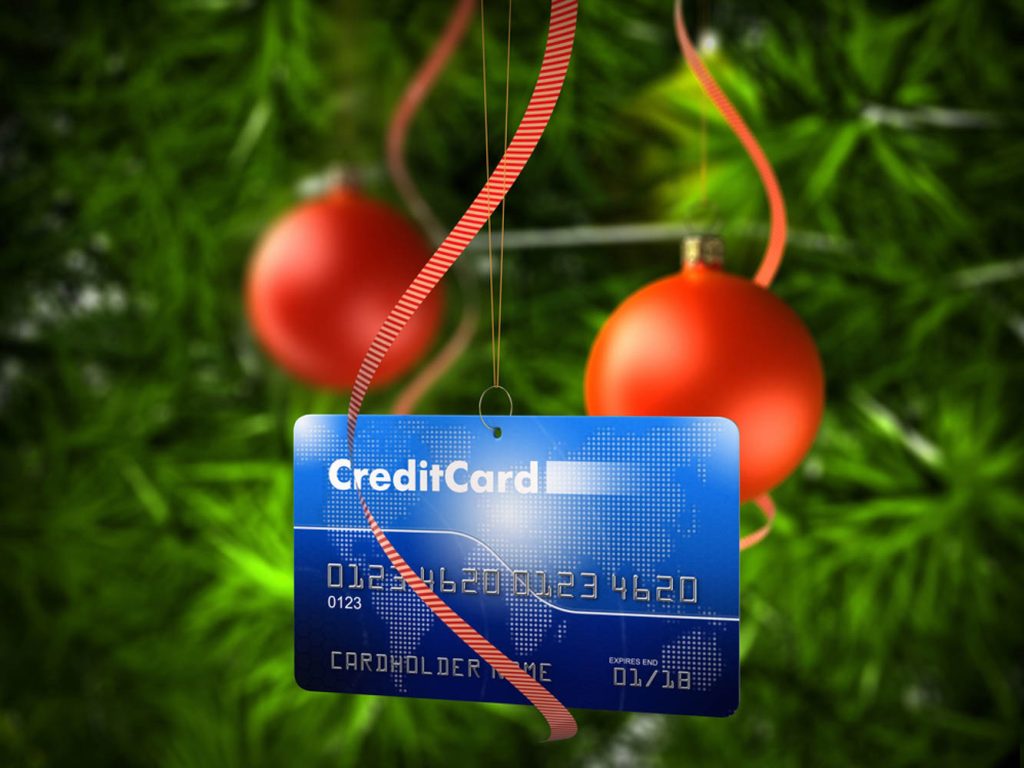
A January credit card hangover is that all-too-familiar feeling when the joy of the holidays fades and reality hits in the form of high credit card balances. What was meant to be a season of celebration can quickly become a source of credit card bill anxiety and financial regret. But with a few practical strategies, you can stay ahead of debt and start the new year stress-free.
Here are 7 actionable steps to help you stay debt-free during the holidays and avoid financial regret come January.
1. Create a Realistic Holiday Budget (And Stick to It)
Start by using holiday budgeting strategies to plan all your seasonal expenses — gifts, travel, food, decorations, and even hidden costs like wrapping or shipping. Setting a firm budget (and sticking to it) is one of the best ways to avoid holiday debt before it even begins.
Budgeting apps can help track your spending in real time and flag areas where you’re overspending. Stay honest with your numbers and resist the temptation to overspend “just this once.”
2. Prioritize Your Gift List
You don’t have to buy for everyone. Make a thoughtful list and divide it into “must-give” and “nice-to-give.” Focusing your gift-giving can help with managing Christmas expenses and reduce last-minute shopping temptations.
Consider meaningful, lower-cost alternatives like homemade gifts or group gift exchanges.
3. Plan Purchases Strategically
Avoid impulse purchases by shopping with a plan. Decide ahead of time how much you’ll spend per person and look for deals that fit your budget.
This is one of the most underrated holiday spending tips. Spreading purchases out over time instead of one big spending spree can protect your wallet — and your peace of mind.
4. Choose Debit or Cash Over Credit
One of the most effective tips to stay out of debt during holidays is to use debit or cash rather than credit cards. Spending only what you have eliminates the risk of falling into debt you can’t immediately repay.
If you do use a credit card, commit to paying off the balance in full as soon as possible to avoid credit card regret.
5. Don’t Let Holiday Sales Trick You
Sales are tempting, but they’re only helpful if you were already planning to buy the item. Ask yourself: “Would I buy this if it weren’t on sale?”
This simple mindset shift helps with how to avoid overspending for Christmas, especially during big promotions like Black Friday and Boxing Day.
6. Be Mindful of Emotional Spending
Many people spend more to cope with guilt, loneliness, or the pressure to impress others. Emotional purchases often lead to Christmas spending anxiety and regret once the holidays are over.
Instead, focus on the true meaning of the season — connection, gratitude, and presence over presents. That shift in perspective will help you avoid post-holiday credit card regret.
7. Don’t Be Afraid to Ask for Help
If you’re already feeling overwhelmed or facing mounting debt, it’s important to know that help is available. A Licensed Insolvency Trustee (LIT) is a federally regulated professional who can assess your financial situation and offer solutions tailored to your needs.
Whether you’re struggling with budgeting, considering a consumer proposal, or exploring debt relief options, an LIT provides confidential, judgment-free support. They’re legally authorized to negotiate with creditors and help you regain control.
Reaching out to a Licensed Insolvency Trustee isn’t a sign of failure—it’s a proactive step toward financial recovery and peace of mind.
Watch for the Warning Signs of a January Credit Card Hangover
A holiday spending hangover doesn’t always feel dramatic — often, the signs creep in slowly. Look out for:
- Avoiding bills or banking apps
- Making only minimum credit card payments
- Relying on credit for essentials like food or gas
- Juggling balances across cards or opening new credit lines
- Feeling guilt, anxiety, or regret over your spending
What to Do If You Spot These Signs
If any of these warning signs feel familiar, don’t panic — but don’t ignore them either. The sooner you act, the better your options. Start by reviewing your budget, cutting unnecessary expenses, and setting up a repayment plan that’s realistic and manageable.
And if your debt feels unmanageable or you’re unsure how to get back on track, consider reaching out to a Licensed Insolvency Trustee. They can assess your financial situation, walk you through available debt relief options, and help you create a long-term plan — without judgment or pressure.
Bonus Tips: 3 Quick Ways to Avoid Maxing Out Your Credit Cards During the Holidays
- Set spending alerts to track purchases in real time
- Use only one credit card for all holiday expenses
- Leave credit cards at home when shopping in person
These small changes can help support your efforts to stay debt-free during holidays and avoid impulsive purchases.
Final Thoughts: A Joyful Holiday Without the Financial Hangover
The holidays should be about connection and joy — not debt and stress. With a clear budget, mindful spending, and the right support, you can celebrate the season without worrying about your January finances.
Whether it’s choosing cash over credit, resisting sales pressure, or reaching out to a Licensed Insolvency Trustee, your actions today will shape your financial freedom tomorrow.
Plan wisely, spend intentionally, and enjoy a stress-free season — all while avoiding the January credit card hangover once and for all.
Don’t Wait For The Bills To Pile Up
Make your holiday spending plan today, and if you’re feeling overwhelmed, connect with a Licensed Insolvency Trustee at Richard Killen & Associates. Call now or book a free consultation to take back control before the new year begins.
Holiday Budgeting for Families in Ontario: Avoiding Debt While Still Making Memories

Holiday budgeting for families in Ontario often comes with the pressure to make the season special, which sometimes leads to overspending and even debt. But what if the magic of the holidays didn’t have to come with a hefty price tag? The key is creating memories without overspending — focusing on meaningful moments rather than material things. Let’s explore how Ontario families can enjoy budget-friendly family holidays and still build joyful traditions without financial stress.
Practical Tips for Creating Memories Without Overspending
When it comes to the holidays, many families get caught up in buying the “perfect” gifts or planning extravagant outings. But true holiday joy comes from connection, togetherness, and traditions — not price tags. Understanding this shift in mindset is a cornerstone of family holiday budgeting Ontario.
Spending less doesn’t mean sacrificing happiness. In fact, meaningful holidays on a budget often become the ones remembered most fondly because they’re about shared experiences. This focus helps families avoid the common trap of overspending, which can lead to debt and holiday anxiety.
Here are some actionable holiday planning tips for families that emphasize creating lasting memories while keeping costs low:
1. Start With a Clear Budget and Priorities
Begin by setting a realistic holiday budget that covers gifts, food, activities, and decorations. This practice is essential for avoiding debt during holidays. Include your family in the planning process to set priorities: maybe gift-giving is important, or perhaps spending quality time on affordable outings takes precedence. Knowing what matters most helps guide your spending decisions.
Another simple but powerful strategy is to involve kids in the planning process. Children can also be wonderful budgeting partners. Let them help choose gifts, plan meals, or decorate on a budget. It’s a great way to model how Ontario families can celebrate the holidays without going into debt while teaching valuable financial literacy skills. You might even give them a small budget for gifts or activities and guide them through making thoughtful choices. Not only does this promote independence and smart decision-making, but it also helps kids feel involved and excited about the season.
2. Embrace Budget-Friendly Family Traditions
Create or maintain budget-friendly family traditions that everyone looks forward to each year. This could be baking holiday cookies together, decorating the home with DIY crafts, or watching a favorite holiday movie every evening.
Examples:
- Host an ornament-making night with paper, glue, and glitter.
- Tour your neighborhood to see Christmas lights.
- Start a “holiday memory jar” where each family member writes their favorite moment of the season.
- Have a themed pajama night with board games or holiday trivia.
Events can also become traditions. For example, the Hamilton WinterFest offers family-friendly programming, art installations, and community events throughout the city at little to no cost.
3. Explore Affordable Holiday Ideas Ontario Offers
Ontario is full of community events and free or low-cost activities perfect for families. From twinkling light festivals to outdoor markets, you can enjoy the spirit of the season without stretching your budget.
Check out these activities:
- Cavalcade of Lights at Nathan Phillips Square (Toronto): Watch the city light up with a giant tree, music, skating, and fireworks — all free.
- Magic of Lights (Barrie): Drive through a brilliant display of holiday lights with your family and hot cocoa in tow.
- First Light at Sainte-Marie among the Hurons (Midland): Enjoy thousands of candles, Indigenous storytelling, crafts, and music in a historic village setting.
- Bon Soo Winter Carnival (Sault Ste. Marie): A winter-long festival with snow slides, sculptures, music, and family zones.
Other local options include:
- Casa Loma Holiday Lights Tour (Toronto) – A scenic self-guided walk through beautifully lit gardens and tunnels.
- Village of Yorkville Holiday Magic (Toronto) – Take a free walk through one of the most elegant shopping districts decorated in dazzling lights.
- SnowDay on the Waterfront (Thunder Bay) – Enjoy games, ice carving, and snow art with stunning lake views.
These events offer excitement, atmosphere, and quality family time without the expense of costly tickets or commercial attractions.
4. Get Creative With Gift-Giving
Gifts don’t need to be expensive to be meaningful. Get creative and involve the whole family in making something from the heart.
Examples:
- Bake a batch of holiday cookies and wrap them in festive paper.
- Create a handmade photo calendar or memory book.
- Offer personalized “coupon books” for activities like movie nights or chores.
- Gift a family recipe book filled with dishes passed down through generations.
You can also reduce costs with a gift exchange among extended family — a great strategy to support Ontario family Christmas budgeting.
5. Cook Together and Share Meals
Food is at the heart of most celebrations, and cooking as a family can be both fun and economical.
Examples:
- Host a cookie-decorating party using simple, low-cost ingredients.
- Create a “holiday potluck” where each family member or guest contributes a dish.
- Have a soup and bread night with seasonal vegetables and family-favorite recipes.
Not only do these activities reduce costs, but they also help build new budget-friendly family traditions that center around sharing and togetherness.
6. Limit Holiday Decorations and Focus on DIY
Decking the halls doesn’t require a trip to the most expensive store in town. Get creative with homemade decorations that double as family activities.
Examples:
- Make popcorn or cranberry garlands.
- Craft snowflakes or stars from recycled paper.
- Use pinecones, sprigs, and candles to make natural centerpieces.
- Decorate mason jars for winter lanterns.
Add a visit to a local light display like Illumi in Mississauga, a walking path full of themed zones and music, for even more inspiration and a fun night out.
7. Plan Financially Smart Holiday Activities
Look for experiences that offer fun without the financial fallout. These types of financially smart holiday activities keep your budget safe while making room for joy.
Examples:
- Attend local story times or craft sessions at the library.
- Visit a winter market and give kids a small budget to buy something thoughtful.
- Volunteer together at a soup kitchen or toy drive.
- Take a winter walk through a nature trail or park.
If you’re celebrating Family Day in February, don’t miss the Frost & Fire Winter Festival in Perth, which offers sledding, skating, live music, and crafts — many of which are free or donation-based.
8. Saving Money During the Holidays
Staying mindful of your finances during the holidays can prevent stress and anxiety in the new year. Use debt-free holiday tips like:
- Paying with cash or debit cards.
- Setting limits per gift or person.
- Tracking your spending.
- Planning ahead and avoiding last-minute splurges.
And if the season becomes too financially overwhelming, speak with a Licensed Insolvency Trustee Ontario. These professionals can help you assess your situation and build a plan to get back on track — without judgment.
Conclusion – Focus on Joy, Not Price Tags
Celebrating the season doesn’t require maxing out your credit cards. With thoughtful family holiday planning on a budget, local events, and creative DIY traditions, you can embrace the warmth and joy of the holidays without overspending.
Whether you’re skating at a city square, making crafts at home, or volunteering in your community, it’s the memories — not the price tag — that matter most.
And if the season becomes too financially overwhelming, speak with a Licensed Insolvency Trustee Ontario. These professionals can help you assess your situation and build a plan to get back on track — without judgment.
Remember, the best holiday memories come from laughter, love, and shared experiences — not expensive gifts or elaborate parties. With thoughtful planning, holiday budgeting for families becomes a way to protect what matters most: your time, your energy, and your peace of mind.
Take Control of Your Finances This Season
The holiday season can feel overwhelming when debt is weighing on your family. A Licensed Insolvency Trustee at Richard Killen & Associates is ready to guide you through your options and help you regain peace of mind. Book a consultation now and take the first step toward financial confidence.
Is Holiday Credit Card Debt Pushing You Over the Limit?

Holiday credit card debt has a way of sneaking up on even the most budget-conscious shoppers. Between festive sales, gift-giving pressure, and last-minute splurges, it’s easy to lose track of spending until your credit card statement delivers a reality check. If you’ve ever found yourself wondering how your balance ballooned so quickly—or worse, how you ended up over your limit—you’re not alone.
How Holiday Spending Creeps Up
From Black Friday to Boxing Day, the holiday season is a whirlwind of promotions and emotional spending. Retailers expertly tap into our generosity and nostalgia, encouraging purchases that can easily go beyond what we planned. When you factor in travel, party hosting, and charitable donations, your holiday spending habits can quickly stretch your budget thin.
It’s not always the big-ticket items that tip the scales. More often, it’s the steady stream of smaller purchases—$30 here, $60 there—that quietly inflate your balance. These seemingly minor expenses add up fast, and over several weeks, they can snowball into a serious financial strain.
Many Canadians rely on credit cards to bridge the gap between festive expectations and financial reality. But without a clear plan, this can lead to overspending and long-term debt. The issue isn’t just how much you spend—it’s how quickly those everyday choices shape your holiday spending habits and push your balance closer to the limit. A few extra gifts, a fancy dinner, or expedited shipping may not seem like much on their own, but together, they can quietly chip away at your finances.
What Happens If You Go Over Your Credit Card Limit During the Holidays?
Going over credit limit during the festive season can be especially risky — not just financially, but emotionally, too.
Whether it’s a spontaneous gift purchase or an overlooked subscription renewal, exceeding your limit can trigger a series of credit limit consequences that are more than just inconvenient.
Here’s what you might face when your holiday spending tips the scale:
1. Your Transaction May Be Declined
If you’re at a store or online checkout and the purchase pushes your balance over your limit, the transaction may be declined, which can be awkward during holiday shopping.
- This is more likely if you haven’t opted in to over-limit protection with your credit card provider.
- Some cards simply won’t allow you to exceed the limit at all.
- You Could Be Charged an Over-Limit Fee
If your credit card issuer allows the transaction and you’ve opted in, they may charge a fee (usually around $25–$35).
- During the holidays, small repeated purchases can unintentionally push you over.
- Watch for automated payments or subscriptions that might slip through while you’re shopping.
3. Your Credit Score Could Take a Hit
Going over your limit hurts your credit utilization ratio (how much of your limit you’re using), which makes up a big part of your credit score.
- If you max out — or go over — your credit card, it signals high risk to lenders.
- This could impact your ability to qualify for future credit or loans (like post-holiday consolidation options).
4. Higher Interest Charges
That over-limit amount doesn’t come cheap. You’ll continue paying high interest (often 19–29%) on the full balance, including the amount over your limit.
- This can trap you in post-holiday debt that takes months to pay off — especially if you only make minimum payments.
5. Risk of Account Restrictions
Issuers may take action if you exceed your limit:
- Temporarily freeze your account
- Lower your credit limit
- Raise your interest rate
- Flag your account as higher-risk
But the risks don’t stop there. If you’re consistently maxing out your card, the long-term effects can be even more damaging:
- Difficulty securing future credit: A history of maxing out your cards can make lenders hesitant to approve new credit applications or offer favorable terms.
- Strained relationships: Financial stress can spill into personal life, especially if shared expenses or expectations weren’t clearly communicated.
- Limited options for repayment: If your balance remains high, you may struggle to make more than minimum payments, leading to prolonged managing credit card debt.
For many, the aftermath of Christmas shopping debt lingers well into the new year. Minimum payments barely make a dent, and interest charges pile up. This can lead to financial stress during holidays, affecting your mental health, relationships, and overall well-being.
Smart Strategies for Managing Holiday Expenses
You can absolutely enjoy the festive season without sabotaging your finances. Here are some realistic strategies for how to avoid holiday debt:
- Set a budget and stick to it: Map out your total spending limit, then break it down by category—gifts, food, travel, etc.
- Use cash or debit whenever possible: This helps limit overspending and gives you a tangible sense of your expenses.
- Track your purchases: Use apps or old-school lists to monitor where your money is going.
- Shop smart: Take advantage of sales—but only for planned purchases. Don’t let flashy marketing persuade you to buy what you don’t need.
A little holiday budget planning goes a long way in keeping your finances on track and your stress levels in check.
Consider using budgeting apps or spreadsheets to track spending in real time, and set alerts on your credit card to notify you when you approach your limit. If you’re shopping online, pause before checkout to review your cart and ask yourself: “Is this within my budget?” These small habits can help you stay grounded and support avoiding holiday overspending.
What to Do If You’re Already in Debt
If you’ve already maxed out your cards or are worried you might, don’t panic. There are practical ways of managing credit card debt, even during the holidays:
- Stop using your cards temporarily: Avoid adding to your balance while you create a plan.
- Prioritize high-interest balances: Focus on paying off the cards with the highest rates first.
- Consolidate if needed: A balance transfer or personal loan with a lower interest rate can help reduce your payments.
- Get professional advice: If your debt feels unmanageable, it’s time to consider outside help.
This is where holiday debt relief options come into play. You might explore consolidation loans, budgeting support, or creditor negotiation services. And if your situation feels overwhelming, a Licensed Insolvency Trustee Ontario can help you assess your options and guide you toward a sustainable solution. They’re federally regulated professionals who offer confidential, judgment-free support to Canadians facing financial challenges.
When to Seek Help from a Licensed Insolvency Trustee Ontario
If your holiday credit card debt has spiraled beyond your control, it may be time to consult a professional. A Licensed Insolvency Trustee Ontario can assess your financial situation and explain your options, including consumer proposals or bankruptcy if necessary. They’re federally regulated and legally authorized to help Canadians resolve debt in a respectful, confidential manner.
Trustees don’t just handle insolvency—they also offer budgeting advice and credit counselling. Their goal is to help you regain financial stability, not to judge your spending. If you’re struggling to make minimum payments or facing collection calls, reaching out early can prevent further damage and give you a clear path forward.
Wrapping Up
The joy of the season shouldn’t come with a side of stress and financial regret. Whether you’re trying to avoid debt or are already feeling overwhelmed, the key is to act early and plan carefully. Small, intentional changes to your holiday spending habits can make a big difference.
And if you need support, remember that professional help is available. A Licensed Insolvency Trustee can offer tailored solutions that ease the burden and set you on the path to holiday debt relief.
Don’t let this season of giving take more than you can afford—because holiday credit card debt should never be part of your new year.
Take The First Step Toward A Debt-Free New Year
Reach out to a Licensed Insolvency Trustee today for a free, confidential consultation—and find out how you can take back control of your finances this holiday season.
When Holiday Loan Debt Turns Into Long-Term Trouble

Holiday loan debt can sneak up on even the most budget-conscious Ontarians. What starts as a manageable monthly payment can become a burden when interest accumulates or when unexpected life expenses arise. Many Ontarians find themselves caught in a cycle of making minimum payments, rolling over balances, or even borrowing more just to keep up. This can lead to chronic financial stress and damage to credit health over time.
If you’ve already borrowed and are now facing the consequences, you’re not alone. Support is available to help you understand your options, regain control, and move forward with confidence
Understanding How Holiday Loans Lead to Long-Term Debt
The long-term effects of holiday loans usually stem from the mismatch between short-term joy and long-term repayment obligations. Many Ontarians take out personal loans Ontario or use credit cards during the holidays, assuming they’ll pay them off quickly. But high interest rates, unexpected expenses, and limited income flexibility can turn a manageable balance into a persistent problem.
Here’s how it happens:
- Deferred payments or promotional interest rates may expire, leading to sudden spikes in monthly costs.
- Minimum payments stretch the debt over years, especially if you’re only covering interest.
- Multiple loans—including payday advances or credit card cash withdrawals—can compound the issue, making it harder to track and manage.
Holiday borrowing consequences aren’t just financial. They can affect your credit score, increase stress, and limit your ability to save or invest in the future.
What Ontarians Should Know About Holiday Loans and Debt
Holiday loan debt isn’t just about numbers—it’s about understanding your rights, responsibilities, and available resources. Ontario offers several consumer protection measures and support programs that can help borrowers navigate post-holiday financial strain.
- Ontario consumer protection loans are regulated to ensure transparency in terms and conditions. Always review the fine print before signing.
- Ontario debt support programs may offer free credit counselling, budgeting workshops, or referrals to financial advisors.
- Ontario debt help is available through community organizations, financial institutions, and licensed professionals.
If you’re unsure where to start, consider speaking with a licensed insolvency trustee Ontario. These federally regulated professionals can assess your financial situation, explain your options, and help you choose the best path forward—whether that’s budgeting, debt consolidation Ontario, or a formal insolvency process.
Steps to Take If Your Holiday Loan Turns Into Long-Term Debt
If you’re already feeling the pinch, don’t panic. There are practical steps you can take for managing holiday loan debt and prevent it from spiraling further.
1. Assess Your Current Financial Picture
Start by listing all your debts, including balances, interest rates, and payment due dates. This gives you a clear view of what you owe and helps identify which debts are costing you the most.
2. Prioritize Repayment
Use targeted strategies like the snowball method (paying off the smallest debts first) or the avalanche method (tackling the highest interest rates first). These approaches can build momentum and reduce overall costs.
3. Explore Holiday loan repayment tips
- Set up automatic payments to avoid late fees.
- Allocate windfalls (like tax refunds or bonuses) toward your loan.
- Cut non-essential expenses and redirect those funds to debt repayment.
4. Consider Debt consolidation Ontario
If you’re juggling multiple loans, consolidating them into a single lower-interest payment can simplify your finances and reduce stress. Banks, credit unions, and licensed insolvency trustees can help you explore this route.
5. Seek Professional Advice
A licensed insolvency trustee Ontario can help you understand whether a consumer proposal or bankruptcy is appropriate. These are serious steps, but they can offer relief and a fresh start when other options aren’t enough.
Alternative Approaches and Preventative Measures
Managing holiday loan debt isn’t just about reacting—it’s about planning ahead and making informed choices. Here are some preventative strategies and alternatives to borrowing:
Build a Holiday Budget
- Set spending limits for gifts, travel, and entertainment. Use cash or debit to avoid accumulating new debt.
Use Savings or Sinking Funds
- Start saving early in the year by setting aside a small amount each month. By December, you’ll have a dedicated holiday fund.
Explore Non-Monetary Gifts
- Homemade items, experiences, or acts of service can be just as meaningful—and far less expensive—than store-bought presents.
Learn What To Do After Taking a Holiday Loan
- If borrowing is unavoidable, make a repayment plan before you spend. Know your interest rate, monthly obligations, and how long it will take to pay off the loan.
Tap Into Debt help in Ontario
- Whether you need budgeting advice or emotional support, don’t hesitate to reach out. Many organizations offer free or low-cost services to help you stay on track.
Ontario Payday Loan Alternatives
- Payday loans are often marketed as fast, easy cash solutions, but they come with sky-high interest rates and fees that can trap borrowers in a cycle of debt. Instead of turning to these risky products, consider Ontario payday loan alternatives such as:
- Credit union small-dollar loans
- Employer payroll advances
- Community loan programs
- Borrowing from trusted sources
These alternatives offer safer, more sustainable ways to manage short-term financial needs without the high costs and risks associated with payday loans.
How To Get Out Of Holiday Loan Debt
Getting back on track financially after the holidays requires a mix of discipline, strategy, and support. It may feel overwhelming at first, but even small steps can lead to meaningful progress. Here’s a roadmap:
- Track your spending and identify areas to cut back.
- Increase your income through side gigs, overtime, or selling unused items.
- Negotiate with lenders for lower interest rates or extended terms.
- Use Ontario debt help resources to access counselling or financial planning.
- Consult a licensed insolvency trustee Ontario if your debt is unmanageable—they can guide you through legal options that protect your assets and dignity.
Final Thoughts: Take Control Before Holiday Loan Debt Controls You
Seasonal spending can leave a mark, but getting back on track is possible with the right mindset and support. Ontarians have access to a wide range of resources—from budgeting help and community programs to expert advice from licensed insolvency trustees. If you’re trying to make sense of your situation, exploring safer borrowing options, or simply need a fresh start, you’re not alone—and there’s help out there.
Whether it’s tweaking your budget, consolidating what you owe, or speaking with a licensed insolvency trustee in Ontario, every step forward counts. What was meant to bring joy shouldn’t leave you stressed for months to come—and holiday loan debt doesn’t have to follow you all year.
Ready to Take Back Control?
Don’t let seasonal spending shape your financial future. Whether you need budgeting support, debt consolidation advice, or professional guidance from a licensed insolvency trustee, help is available.
Let’s make sure holiday loan debt doesn’t shape your year — reach out and take the first step.
How to Talk to a Licensed Insolvency Trustee in Ontario About Credit Card Debt

Speaking with a Licensed Insolvency Trustee in Ontario can be a transformative step toward financial relief if you’re struggling with credit card debt. LITs are federally regulated professionals who are trained to help you understand your options, protect your rights, and guide you toward a solution that fits your life — whether that’s a consumer proposal, bankruptcy, or another form of debt relief.
Let’s walk through how to prepare for a conversation with a Licensed Insolvency Trustee, what to expect, and how to make the most of your consultation. Whether you’re in Toronto, North York, or anywhere across the province, support is available — and you don’t have to face credit card debt alone.
What Is a Licensed Insolvency Trustee in Ontario?
A Licensed Insolvency Trustee (LIT) is a federally authorized professional regulated by the Office of the Superintendent of Bankruptcy Canada. They are the only individuals legally permitted to file consumer proposals and bankruptcies in Canada. Unlike debt collectors or financial advisors, LITs are neutral — their role is to help you understand your options and administer legal debt solutions.
Before you initiate a conversation, it’s important to understand what an LIT does and how they can help you.
What LITs Can Do:
- Assess your financial situation
- Explain all available debt relief options
- Help you file a consumer proposal or bankruptcy if needed
- Stop collection calls and wage garnishments
- Act as a neutral third party between you and your creditors
Know When It’s Time to Talk to an LIT
Credit card debt is one of the most frequent reasons Ontarians seek help from a trustee. You don’t need to wait until you’re being threatened with lawsuits or your wages are garnished. Signs it may be time to talk to a Licensed Insolvency Trustee about your credit card debt include:
- Only making minimum payments on credit cards
- Using one credit card to pay another
- Receiving frequent calls or letters from collection agencies
- Missing payments or having accounts sent to collections
- Feeling stressed or overwhelmed by your financial situation
If you’re dealing with credit card debt in Ontario, and relying on credit to cover basic expenses or transferring balances just to stay afloat, it’s time to talk to a professional.
Next Steps: How to Prepare for Your First Meeting
Recognizing the signs is a powerful first step — but knowing what to bring to your initial consultation can make the process feel less daunting. Once you’ve decided to speak with a Licensed Insolvency Trustee, a little preparation can go a long way.
Step 1: Prepare Before You Reach Out
Before contacting a trustee, gather the following:
- List of all debts: Include credit cards, lines of credit, payday loans, taxes, and other unsecured debts.
- Monthly income and expenses: Be honest and thorough — include rent/mortgage, utilities, groceries, transportation, childcare, and insurance.
- Recent credit card statements: These help the trustee assess interest rates, balances, and payment history.
- Pay stubs or proof of income
- Any notices from collection agencies or creditors
- Bank statements for the past 2–3 months
You don’t need to have everything perfect — trustees are trained to help you organize and interpret your financial picture. But the more prepared you are, the more productive your first meeting will be.
Step 2: Address Emotional Barriers
Many Ontarians delay speaking to a trustee because of shame, fear, or misconceptions. Here’s how to reframe those feelings:
- Shame: Debt is often caused by systemic issues, not personal failure. You’re taking responsible action by seeking help.
- Fear: Trustees are regulated and trained to protect your rights. You’re not alone. Millions of Canadians struggle with debt.
- Misconceptions: Bankruptcy isn’t the only option. Consumer proposals are increasingly common and less disruptive.
If you’re feeling anxious, bring a trusted friend or family member to the consultation. You can also request a virtual meeting if that feels safer.
Step 3: Book a Free Consultation
Most LITs offer a free debt consultation in Ontario, with no obligation to proceed. You can find a licensed trustee through:
- The website of the Office of the Superintendent of Bankruptcy Canada
- Local firms like Richard Killen & Associates have locations scattered across the Greater Toronto Area (GTA), making it easier for you to access support close to home
- Community referrals or credit counselling in Ontario
When booking, you can say:
“Hi, I’m looking for help with credit card debt and would like to schedule a free consultation with a Licensed Insolvency Trustee.”
This first step is confidential and focused on helping you understand your options.
Step 4: How to Talk to a Licensed Insolvency Trustee
Knowing how to talk to a LIT can help you feel more confident and prepared. Here’s how to approach the conversation:
Be Honest
Trustees aren’t there to judge — they’re there to help. Be upfront about your financial situation, including:
- How long you’ve been struggling
- Missed payments or creditor pressure
- Emotional toll the debt is taking
- Total debt, recent borrowing, and any assets
- Past attempts at credit counselling or consolidation
- Legal actions, collection notices, or bank activity
Transparency helps the trustee tailor advice. Withholding details can cause delays or legal issues if you file a proposal or bankruptcy.
Ask Questions
You have the right to understand your options. Ask things like:
- “What are my options for dealing with credit card debt?”
- “How do a consumer proposal and bankruptcy differ?”
- “Will I lose any assets?”
- “How will this affect my credit score?”
- “What fees are involved?”
Don’t hesitate to ask for clarification or written materials to review later.
Step 5: Understand Your Options
When you speak with a trustee, they’ll explain several paths forward. Here’s a quick overview:
Consumer Proposal
A legally binding offer to repay part of your debt over time (up to five years). You’ll make manageable monthly payments and usually keep your assets.
Credit impact: R7 rating
Best for: Steady income earners who want to avoid bankruptcy
Bankruptcy
A legal process that wipes out most unsecured debts. It’s more disruptive but may be necessary if your income is low or debt is very high.
Credit impact: R9 rating
Best for: Those with limited income and few assets
Debt Management Plan
An informal repayment plan through credit counselling. It combines your debts into one monthly payment, often with reduced interest.
Credit impact: R7 rating
Best for: People who don’t qualify for a proposal but want to avoid bankruptcy
Do Nothing (Yet)
If your debt is still manageable, your trustee may suggest budgeting changes or monitoring before taking formal action.
Credit impact: No change
Best for: Temporary setbacks or mild debt pressure
Each option has pros and cons. Your trustee will help you compare them based on your income, assets, and goals so you can choose the path that fits best.
Step 6: Review and Decide
After your consultation, take time to review the information. You might receive:
- A written summary of your options
- A proposed payment plan
- A checklist of documents needed to proceed
You’re under no obligation to move forward immediately. Many people take a few days or weeks to decide. If you choose to proceed, your trustee will guide you through the paperwork and notify your creditors.
Step 7: Know What Happens if You Move Forward
If you decide to proceed with a consumer proposal or bankruptcy, here’s what to expect:
For a Consumer Proposal:
- The LIT drafts a proposal based on what you can afford
- Creditors have 45 days to vote
- If accepted, the terms become legally binding
- You make fixed monthly payments for a set term
For Bankruptcy:
- You file with your LIT
- Some assets may be surrendered (subject to Ontario exemptions)
- You complete monthly reports and attend counselling
- You’re discharged after fulfilling all duties
In either case, your Licensed Insolvency Trustee in Ontario will deal directly with your creditors so you don’t have to.
Step 8: Know Your Rights
In Ontario, you have strong protections under federal law:
- No creditor can contact you directly once you file a proposal or bankruptcy.
- Interest stops accruing on unsecured debts included in the filing.
- You cannot be fired for filing bankruptcy.
- RRSPs are protected, except for contributions made in the last 12 months.
Your trustee will explain these rights and ensure you’re treated fairly throughout the process.
Step 9: Plan for Recovery
Whether you file a proposal, bankruptcy, or simply restructure your budget, recovery is possible. Your trustee may offer:
- Credit counselling sessions
- Budgeting tools
- Referrals to financial literacy programs
You can also begin rebuilding your credit by:
- Paying all bills on time
- Using a secured credit card responsibly
- Monitoring your credit report for errors
Understanding bankruptcy vs consumer proposal in Canada can help you choose the path that best supports your long-term financial health.
Final Thoughts: You Deserve Relief
Credit card debt often starts small — a missed payment, an unexpected expense — but it can quickly snowball into a cycle of high interest, mounting stress, and financial instability. If you’re relying on credit to cover basic needs or feeling overwhelmed by balances that never seem to shrink, it’s not a personal failure — it’s a sign you may need professional support.
Talking to a trustee isn’t a sign of failure — it’s a courageous, proactive step toward financial health. Whether you’re seeking credit card debt help in Ontario, exploring debt solutions Ontario, or simply want to understand your options, support is available.
You don’t have to carry the weight of credit card debt alone. Relief is possible — and it starts with a conversation with a Licensed Insolvency Trustee Ontario.
Struggling with credit card debt in Ontario?
Book your free consultation with a Licensed Insolvency Trustee near you today and find out if a consumer proposal or other debt relief option is right for you. There’s no pressure, no obligation — just real answers and support.
Understanding the Psychology of Credit Card Spending – What Ontario Consumers Need to Know

Ever wonder why it’s so easy to swipe your credit card — and so hard to pay it off later? The psychology of credit card spending helps explain why so many people in Ontario fall into patterns of overspending. It’s not just about budgeting — it’s about how our brains respond to money, emotion, and convenience.
And in Ontario, those patterns are shaped by unique pressures. The high cost of living in cities like Toronto and North York — from rent and groceries to transit and childcare — can push people to rely on credit just to get by. Cultural expectations across diverse communities may also influence how we view debt, spending, and financial success. Add in the constant stream of marketing and social media, and it’s easy to see how even smart, responsible consumers can lose track of their financial boundaries.
Understanding what drives these habits is the first step toward taking control. And if things feel overwhelming, a Licensed Insolvency Trustee can help you explore real solutions — with compassion, clarity, and options tailored to Ontario’s legal and financial landscape.
Why We Overspend on Credit Cards
Overspending isn’t a personal failure — it’s often a mix of emotional triggers and mental shortcuts. Here’s what’s really going on:
- 1. It Doesn’t Feel Like Real Money
When you use a credit card, you’re not seeing cash leave your hand or your bank balance drop immediately. That physical and emotional disconnect makes spending feel painless — but it’s not. Psychologists refer to this as reducing the “pain of paying,” and it’s one of the key reasons why people overspend on credit cards. Without a visible consequence, it’s easier to say yes to purchases you wouldn’t otherwise make.This is especially common with contactless payments. The tap-and-go culture minimizes friction, making it easier to approve purchases with little thought. Over time, this can lead to a pattern of unconscious overspending.
- We Chase Rewards
Many people are drawn in by rewards programs, leading them to use their cards to earn travel points, cashbacks, or discounts — which feel like a bonus for spending. But the catch is that these perks often push people to spend more than necessary just to “maximize rewards.” Rewards can trick us into believing we’re being financially savvy, even if we’re carrying a balance and paying interest.This kind of justification — focusing on short-term gains like travel miles while ignoring long-term costs — is a subtle form of emotional spending. If you’re not paying your balance in full every month, the interest you pay will almost always cancel out the value of any rewards.
- Emotions Drive Decisions
Beyond rewards, deeper emotional triggers often shape how and when we spend. Stress, boredom, loneliness, or even celebration can lead to impulse buys. These emotional spending triggers often go unnoticed. You might shop to feel better after a tough day or treat yourself after a win — but these habits can quietly build debt. - We Compare Ourselves to Others
Social media and peer pressure can push us to spend just to keep up. This is especially true for Ontario consumers and credit card debt holders living in high-cost areas like Toronto or North York, where lifestyle comparisons are common. - We Justify It
“It was on sale” or “I deserved it” are ways we talk ourselves into purchases we don’t need. This kind of rationalization — known as justification bias — makes it easier to ignore the long-term impact of spending.
Spotting the Signs Before Debt Builds
Credit card debt rarely happens overnight. It’s often the result of small, repeated behaviors that feel harmless in the moment but quietly accumulate over time. Spotting these early signs can help you course-correct before things spiral — and empower you to make intentional choices with your money.
Here are some common red flags to watch for:
- Impulse Buying During Sales or Promotions
If you find yourself drawn to flash sales, limited-time offers, or “buy now, pay later” deals, pause and ask: Would I buy this if it weren’t discounted? Impulse purchases often feel exciting, but they can lead to clutter, regret, and mounting balances. Retailers design these promotions to trigger urgency — recognizing that pattern helps you resist it. - Spending to Cope With Emotions
Shopping can feel like a quick fix for stress, sadness, boredom, or even celebration. You might treat yourself after a tough day or reward yourself for a win. While occasional indulgence is normal, consistent emotional spending can mask deeper needs and lead to financial strain. If you notice a pattern, consider journaling your feelings before making a purchase — or finding non-financial ways to self-soothe. - Using Credit Cards Mainly for Rewards
Rewards programs can be helpful — but they shouldn’t drive your spending. If you’re buying things just to earn points or cash back, it’s worth reevaluating. The value of the reward rarely outweighs the interest you’ll pay if you carry a balance. This behavior is especially common among people trying to “hack” their finances, but it can backfire without a clear repayment plan. - Making Only Minimum Payments
Paying just the minimum due each month might feel manageable, but it’s a warning sign. It means you’re not reducing your principal — and interest is quietly building. Over time, this can turn a small balance into a long-term burden. If you’re consistently making minimum payments, it’s time to reassess your budget and explore credit card debt solutions in Ontario that offer relief. - Avoiding Statements or Feeling Anxious About Your Balance
Do you dread checking your credit card statement? Do you avoid logging into your banking app or opening bills? This kind of avoidance is often rooted in shame or fear — and it’s more common than you think. The good news? Facing your numbers is the first step toward change. You don’t have to do it alone. Support is available, and many financial counselling in Ontario services offer judgment-free guidance.
Practical Tips: Simple Ways to Take Back Control
You don’t need to overhaul everything overnight. Small changes can make a big difference. Here are practical, manageable steps to help you regain control:
- Track Your Spending
Use a budgeting app or a simple notebook to monitor every transaction. Categorize your purchases to spot patterns — especially emotional ones. This visibility helps you make informed decisions and identify areas for improvement. - Set Limits
Lower your credit limit or use prepaid cards for non-essentials. This creates natural boundaries and reduces the temptation to overspend. If you’re worried about emergencies, keep one card with a higher limit but use it only for essentials. - Pause Before Buying
Try a 24-hour rule for anything that’s not urgent. If you see something you want, wait a day before buying. This delay helps disrupt impulsive behavior and gives you time to reflect on whether the item truly adds value. - Use Cash for Fun Stuff
Switch to cash or debit for categories like dining, entertainment, and shopping. The physical act of handing over money increases awareness and makes spending feel more “real.” - Unsubscribe from Temptation
Reduce exposure to marketing emails, influencer content, and retail apps that encourage spending. Curate your digital environment to support mindful consumption and financial wellness. - Automate Payments and Savings
Set up automatic payments to avoid late fees and automate savings to build financial resilience. Even $25 a week into a high-interest savings account can create a buffer for unexpected expenses. - Get Support
If spending is tied to emotional distress, consider speaking with a therapist or financial counselor. Addressing the root cause is essential for lasting change. Many financial counselling in Ontario services offer free or low-cost support tailored to your needs.
When Debt Feels Too Big: Licensed Insolvency Trustee Support
If your credit card debt feels unmanageable — if you’re missing payments, getting calls from collectors, or unable to see a way out — it may be time to speak with a professional. A Licensed Insolvency Trustee in Ontario can help you explore real options. They’re federally regulated professionals who offer free consultations and guide you through solutions like:
- Consumer Proposal
A consumer proposal in Ontario is a legal agreement to pay back part of your debt over time — often with no interest and no penalties. It’s a popular alternative to bankruptcy for those with stable income and manageable debt levels. - Bankruptcy
Bankruptcy is a last-resort option that wipes out most unsecured debt and gives you a fresh start. It’s not a failure — it’s a reset. LITs will walk you through the process and help you understand what it means for your future. - Creditor Negotiation
LITs handle the calls and paperwork so you can breathe again. They’ll negotiate with creditors on your behalf, stopping collection calls, wage garnishments, and legal action. - Education and Support
LITs don’t just help you resolve debt — they help you build better habits. You’ll get tools, resources, and guidance to avoid future problems and make informed financial decisions.
Unlike debt settlement companies, LITs are licensed by the government and held to strict ethical standards. They don’t make false promises — they offer real help and debt relief options in Ontario that are tailored to your needs.
Final Thoughts
Debt isn’t just about dollars — it’s about emotions, habits, and how we think. Whether you’re just starting to notice your spending patterns or you’re deep in debt, there are tools and people who can help — and a Licensed Insolvency Trustee in Ontario can guide you toward lasting financial freedom.
Credit cards offer freedom and flexibility, but they also tap into powerful psychological triggers. For many, the journey into debt begins with small, seemingly harmless purchases — a coffee here, a sale item there — that add up over time. Understanding what drives these habits is the first step toward taking control.
You deserve peace of mind. You deserve a fresh start. And it begins with recognizing the psychology of credit card spending and choosing to take action.
Let’s Talk — You Deserve a Fresh Start
If credit card debt is weighing on you, now’s the time to take that first step. Our Licensed Insolvency Trustees in Ontario offer free, confidential consultations — no pressure, no judgment, just real solutions tailored to your situation.
Whether you’re curious about a consumer proposal, need help navigating debt relief options in Ontario, or simply want to understand your choices, a conversation can change everything.
Reach out today and book your consultation with a trusted LIT near you: Find a Licensed Insolvency Trustee in your area
Contact Richard Killen
FREE No Commitment Consultation
Contact us now for a fresh start!
“Serving Toronto & the GTA for over 25 years.”



Recent Blog Posts
- Debt Settlement vs. Licensed Insolvency Trustees: Understanding the Costs and Risks
- What Happens If a Collection Agency Is Calling You in Ontario? What They Can & Cannot Do—and How to Stop the Calls
- Can I Keep My Car During a Consumer Proposal or Bankruptcy in Ontario? An LIT Explains
- Will a Consumer Proposal Hurt My Mortgage Renewal in Ontario?
- Why More Canadians Are Choosing Consumer Proposals for Debt Relief and Financial Recovery