


Is Your Canada Emergency Response Benefit (CERB) Safe from Wage Garnishment

The Canadian government has created the COVID-19 Emergency Response Act in response to the COVID-19 global crisis. Under this Act, workers all across Canada who have lost their income from the COVID-19 pandemic will receive financial support payments in the form of the Canada Emergency Response Benefit (CERB). In fact, as of this writing, CERB payments are now being released and many of our fellow Canadians are starting to see this in their bank accounts. The CERB payments will provide $2,000 a month for up to four months.
The CERB covers millions of suddenly unemployed workers, which includes those who have lost their jobs, are not being paid due to COVID-19, those who have become sick or are quarantined and cannot work because of the coronavirus outbreak, as well as people who are taking care of someone who is sick with COVID-19 and working parents who must stay at home to care for their kids because of school closures due to the COVID-19 lockdown. The CERB financial support is also available to self-employed and contract workers not eligible for E.I.
Under the Act, families with children will also be provided financial assistance of $300 increase per child only for the year 2019-2020 through the Canada Child Benefit (CCB), which will be given in the scheduled CCB payment in May.
Can CERB Payments Be Garnished (seized by a creditor)?
For those who’ve had a wage garnishment on their salary before losing their job, and are qualified to receive these support payments, you might be wondering whether the garnishments will continue and if these benefits are subject to a garnishment too. Additionally, can CCB be garnished too?
The general answer is no, but there is a specific exception to be careful about.

The COVID-19 Emergency Response Act, under which the Canadian Emergency Response Benefit (CERB) and the temporary increase of the Canada Child Benefit was created, states the following:
- These support payments are not considered income or property in bankruptcy.
- These support payments cannot be assigned or given as collateral for a loan.
- These support payments cannot be garnished.
- These support payments cannot be kept by the right of set-off by the government for government debts.
To sum it up, under the COVID-19 Emergency Response Act, CERB payments as well as the temporary additional amount from the CCB cannot be garnished as they are considered financial assistance provided by the government and are meant to help you through this difficult financial time. These support payments do not fall under income payments, which are regular payments made by an employer to an employee. These support payments should solely benefit the recipient, not anyone else, which in the case of a wage garnishment, would benefit the lenders. Therefore, even though you have a wage garnishment in effect, you are allowed to keep the full amount you receive from your Canada Emergency Response Benefit and CCB one-time increase.
If a lender or a debt collector threatens you with a wage garnishment and attempts to collect money from your benefit payments they will be unable to do so. Thus, garnishment of wages in Canada can only be deducted from the money you make with your job, and thus requires the your employer’s cooperation.
The exception – when these support payments get deposited into your bank account they are fair game for seizure by your creditors. Once it’s in the bank it is no longer covered by the Act’s protection. It is just money in the bank.
Now a creditor (other than CRA) has to get a judgment against you first, from the court. But then they can execute the judgment by seizing money from your bank account. CRA can do the same thing without bothering to go through the courts by suing you.
One exception to what was said above is if you the money goes into your bank account with Bank A and you also owe Bank A on a line of credit or credit card or personal loan. They can seize your deposit by going to court first.
Talk to a Licensed Insolvency Trustee If You Are Worried About Creditors
As the coronavirus shutdown leads to layoffs across Canada, we see unemployment rising and unpaid debt accumulating. Fortunately, you can rely on your Canada Emergency Response Benefit (CERB) support payments to fully provide a safety net during the COVID-19 crisis, at least for a few months. So, be smart with your money during this challenging economic time.
But, if you are worried about a possible garnishment order from your creditors, especially if you start to fall behind on your payments during this period of health crisis, talk to us and we can provide you with the best information you can get on how you can best deal with wage garnishment in Brampton. All your options, including of course what they call your non-statutory options: bankruptcy and proposals.
We at Richard Killen & Associates are committed to serving you throughout this COVID-19 global emergency. We are still here to offer you all our services: free consultation, debt counselling, and, of course, going forward with a bankruptcy or proposal if you decide that’s what you need to do.
You can contact us by telephone at 1-888-545-5365 for a free consultation now. Or you can email us at lawrence@killen.ca or brampton@killen.ca , or simply check out our website at www.rkillen.ca.
Above all, stay safe.
Laid Off Due to the Coronavirus – Should I File a Bankruptcy or Consumer Proposal Now

The financial impact of the coronavirus is upon us with layoffs across a wide range of sectors leaving nearly half of Canadians now on the brink of insolvency. If you’re one of the millions laid off because of the coronavirus outbreak, you may be wondering if you should file a bankruptcy or consumer proposal and if it will help your monthly cash flow.
A survey released by the MNP Consumer Debt Index found that about half of Canadians (49%) are $200 or less away from not being able to meet their debt obligations each month. Many of those surveyed are not confident they can cope financially if they lose their job without going further into debt.
Losing your job due to a layoff means an income interruption which means there’s less money to pay your bills. This is most devastating for people who already have a large amount of debt as it will seriously impair their ability to meet their financial obligations.
If you are struggling with debt and your household income has dropped due to the recent health crisis and you feel you can no longer manage your debt, it might make sense to file a bankruptcy or consumer proposal to help get you back on your feet financially.
After all, a Canada consumer proposal and bankruptcy has the ability to “wipe out” debt, or at the very least, give you more time to pay. Both can give you a sense of control as they eliminate credit card debts, medical bills, and other debts – the same types of debts that most likely are falling into arrears due to the coronavirus crisis.
But hold on. Don’t assume that just because you have no employment income right now you necessarily need to do a bankruptcy or proposal. There are many things to consider.
Is Filing for Bankruptcy or a Consumer Proposal the Best Course Right Now?
One big thing right now, with all the Covid-19 government and creditor assistance plans is that you may “creditor proof.” That is just a cute way of saying that there may be no immediate reason to do anything because the creditors either canèt or wonèt pursue you for payment during this Covid scare.
When a person files for bankruptcy or makes a proposal in Canada it is often for the purpose to protect their wages and assets from collection actions. However, when you have been laid off and are not earning money, you have no income to garnishee (seize). Unemployment benefits or pension income cannot be garnished. Also, if they don’t own anything of value, they have nothing to seize. Therefore, filing for insolvency may not be necessary at this time. It does mean there may be no urgency to file. On the other hand, if you see your situation as being insolvent with little or no hope of improving even if the Covid crisis ended tomorrow, you might file.

There is another facet of this question. Being creditor-proof does not really mean that you are entirely protected from creditors.
- It won’t stop collection calls. Your creditors can and probably will continue to call you if you are in arrears with payments. If you are getting collection calls, the best advice is to explain that you have been laid off and no longer have the money to pay them. They may not like it, but the truth is always the best way.
- Also, it doesn’t mean that you can’t be sued. However since you don’t have any income to garnishee or assets to seize, the creditor may not want to spend the money to sue you.
Dealing With Debts You Owe the Banks and the Canada Revenue Agency
If you have debts with banks and the CRA, and you cannot keep up with payments due to COVID-19, a bankruptcy or consumer proposal Canada Revenue Agency might be the only sure way to stop collection action immediately.
- If you have tax debts owed to CRA, the agency does not need to go to court to take collection actions. It can seize income, even benefit payments such as EI. It also has the right to seize your tax refunds and HST cheques until the tax debt is paid in full.
- If you have bank loans and credit card debt and you have savings deposited in the same bank you owe the debt to, the bank has the legal right of offset and can seize payments directly from your bank account.
In these cases, any income you receive will not be safe and it may be necessary to file a bankruptcy or CRA consumer proposal to protect yourself. In these instances, it is best to start by speaking with us so we can assess your situation and explain and discuss ALL your options with you, including the non-bankruptcy and non-proposal ones.
Get Advice from a Licensed Insolvency Trustee
If the coronavirus pandemic has left you in this situation right now, struggling with debt, out of work with no income and being harassed by collector calls, it is important to seek immediate help from a Licensed Insolvency Trustee. A LIT, by law, must review your financial situation and provide you with a clear and impartial assessment of your situation and your solution options. A LIT will not tell you what to do. That’s your job – to decide for yourself. The LIT is there to arm you with the best information you can get, so the decision you make will be a proper and correct one for yourself and your family.
What You Can Do Right Now
Right now, the priority for you is to take care of your own health and safety and that of your family. Stay home – stay safe. Follow the recommendations set by Health Canada and Health Ontario to minimize the chances of contracting Covid-19. While we don’t know how long this pandemic will last, let’s remain optimistic and know that this is temporary. In due course this p[andemic will end, and life will eventually get going again.
But, if you are one of perhaps hundreds of thousands of Canadians who have been put behind the eight ball by COVID-19 and either know you are in financial trouble or believe you soon will be, you need to talk to someone like us at Richard Killen & Associates Ltd.
Contact us by phone at 1-888-545-5365, or by email at lawrence@killen.ca or brampton@killen.ca or just visit our website at www.rkillen.ca. At Richard Killen & Associates we remain committed to helping you as much as possible during this crisis situation.
4 Money Mistakes You Need to Stop Doing Now

You may have made at least a few money mistakes in your life. Maybe you didn’t shop around enough and made a wrong buying decision that cost you huge savings. Maybe you spend money so easily that sometimes you wonder where all your money went right after payday.
Maybe you decided you would take care of your credit card debt but you keep putting off paying it month after month. These mistakes are all too common, many of us are guilty of them. However, we don’t want to keep doing them again and again because they can be costly mistakes that can add up over time and potentially create financial hardship for us and our family.
Make sure you avoid doing these common money mistakes over and over again:
Spending more than you make

Not living within your means is a top money mistake anyone can easily make. Baby boomers go into debt just to “keep up with the Joneses.” The millennials let FOMO get the best of them and try very hard to keep up with their peers to have the best things even though they cannot afford it. The fear of missing out is one reason why many young Canadians are carrying so much debt.
Ideally, you should be spending less than you earn, and not have to live paycheck to paycheck. It doesn’t mean you have to be cheap. You just have to be frugal and be careful about how you spend your money. Practice making smart purchasing decisions all the time so that every purchase you make is within your budget and you don’t have to live on borrowed money. Don’t buy a house or a car that you’ll struggle to pay and have to forego when you can’t keep up with payments. Focus on what you can afford now, and when you can earn more at some point, you can easily decide to upgrade.
Thinking you don’t need a budget
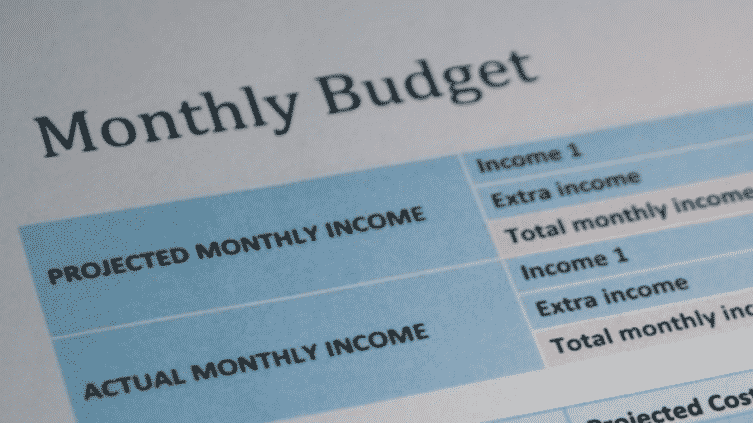
A budget is a crucial financial tool that can help you track your spending. You can easily go astray with your spending when you don’t have a guide to know how much money you have and how you are spending it. It’s important to set up a budget that is realistic to ensure it will work. List down exact figures on what you are spending on. Make sure to include every expense you make – bills, installment purchases, debt payments. Allow for some wiggle room for emergencies and entertainment, so that any unexpected expense won’t send your budget tumbling down. You should make a budget every month and make sure to account for new expenses so you don’t blow past your limit. Do what works for you – list your budget on paper the old-fashioned way, or create it on a spreadsheet or use a budgeting app like Mint or iExpenselt, the important thing is that you have a budget to help you track your spending.
Having credit card debt

Credit card debt has the biggest financial consequences and it’s a money mistake many Canadians have made at some point. Consider the high balances and high-interest charges you have to pay that could have been put to better use. If you’re not careful, it can drain your savings and get you into serious financial trouble. The excessive debt can cripple your household for years.
Make a commitment to yourself: If you can’t afford what you are putting on your credit card, do not make the purchase. Never pay much more than what you can afford, it needs to be within your means. Next, take the steps to correct this mistake right away and stop Using Your Credit Cards altogether. Pay up the balance you have now and stop adding to your balance. Start paying with cash so you don’t pay excessive interest and fees. It will be difficult at first, but spending with cash is absolutely necessary to help you be debt free. It’s also the best way to help you stay within your monthly budget because you become aware of what you spend and limit your spending quickly when you see that cash is low.
Not having an emergency fund

Another money mistake many of us make is not having an emergency fund. An emergency fund is ready cash which you can easily use in case of unexpected expenses. There are different definitions of what an emergency fund is. For some, it’s $1000 in a checking or savings account. For others, it’s a year’s worth of expenses invested. For most of us, it’s somewhere in between and having any emergency fund is better than none. It can be little expenses like minor car troubles or big expenses like a job loss or a debilitating illness, and this ready source of cash will help you be financially prepared when the need arises so you don’t have to be scrambling for funds. Determine how much you can set aside per month and start saving. Don’t worry whether the initial amount is sizable or not, you can always work your way to your desired amount. Any amount is better than not having any emergency fund at all.
You’re going to make some money mistakes over the years. If you’re aware of these mistakes, you can help yourself by taking steps to correct your mistakes and avoid them so you can plan for a better financial future.
COVID-19 – Why We Need to Stay Home

No one is immune to COVID-19. No matter how young you are. People of all ages can be infected by the new coronavirus. Older people, in particular and people with pre-existing medical conditions, such as asthma, diabetes, heart disease, kidney disease can become severely ill with the virus.
We’re in the middle of the pandemic. This is a new virus and we don’t really know yet how to deal with it. This is why it’s difficult to contain. It’s going to take some time for our bodies to know how to fight this virus. It’s going to take some time for our doctors to understand it and find the best ways to protect us.
The good news is we have dealt with viruses before – ebola, rabies, herpes, smallpox, dengue, influenza and the two prior novel coronavirus outbreaks SARS and MERS.
New viruses emerge all the time, the coronavirus is not the first and won’t be the last. We’ve learned how to deal with viruses in the past, and in time we’re going to win this one as well.
But, we’re going to need some time. How much time, no one knows for sure yet. But, we can make that time come quickly. How?
By social distancing – it means:
- Staying 6 feet away from other people if you must go out in public
- Not gathering in groups
- Staying home and limiting going outdoors
- Work from home, if possible
- Avoiding travel
- Isolating or sheltering in a place if government officials tell you to
Social distancing measures can slow the spread of COVID-19.
There’s evidence that it’s working – Find out here and here.
Social distancing will literally buy us the time we badly need:
- To help struggling health workers care for the hundreds and thousands sick,
- To understand how the virus works and find new treatments.
People can have COVID-19 and have very mild symptoms or no symptoms at all. So even if you think you are healthy don’t take any chances, it’s not worth it. Anytime you go to someplace with a lot of people, there’s more potential for exposure to the disease. And when you have it, everytime you pass this virus to someone else, it can pass to 3 or more people and during that time they can spread the virus to others as well. Before long a few people can turn into hundreds and then thousands and that’s how this whole situation blew up into the global health crisis it is now.
If you are young and healthy you might think this is no big deal because you’ve been told that this virus is nothing more than a bad cold to you. Not true at all! Almost 40% of people hospitalized are below 55, and for people older and have pre-existing conditions this is a lot more serious for them.
Social distancing isn’t just for you. It crucially protects people who are at risk from the disease.
You can literally save a life just by staying at home and staying away from each other.
You can just sit on the couch, watch TV or stare at your phone or tablet all day and save a life at the same time.
Now is the best time to work at home, sleep for hours, communicate on social media – use your phone and stay connected with family and friends.
Each one of us has a huge role to play in how the coronavirus outbreak plays out. You can potentially make it so much worse, or you can help make it better – if you’re willing to stay home.
All we’re being asked to do is stay at home and not go out. That’s not too much to ask.
We can all do this together. Let’s each do our part. Respect the advice of public health to keep us all safe. Practice social distancing. Stay at home, stay safe, stay healthy. If we get it right, then we’ll be able to move past this in less than no time.
Help for Individuals during the COVID-19 Pandemic

The recent COVID-19 business closures have made it a lot more financially difficult. If your debt payments become unmanageable give us a call. We have also included some short relief options in the article below from the Toronto & York Region Labour Council. Stay Safe!
Compiled by Labour Community Services and the Toronto & York Region Labour Council
Last updated March 30, 2020
Since COVID-19 has been declared a global pandemic, our society has changed rapidly as we respond to the health and economic crisis. Many levels of government have declared states of emergency, and drastic changes will impact every household.
Most information services are being overwhelmed with the volume of inquiries and applications – so please be patient with service workers who are working hard to focus on those most in need.
We hope this document can be a resource for you to find the help you need to sustain yourself and your family in good health and shelter. Most importantly, make sure you are safe at work. If you have any doubt about your personal safety, speak to your union.
On this page:
- Employment Insurance and other Work Benefits
- Health and Medical Resources
- Access to other Government-Supported Financial Assistance
- Housing Help
- Debt Assistance
- Community Resources
Employment Insurance and other Work BenefitsEmployment Insurance sickness benefits have always been available to people in quarantine as well as to those who are actually sick. With a massive increase in applications, there will be unavoidable delays in processing benefits. There are two main changes for workers who are quarantined or sick due to COVID-19:
- Applicants will not have to get a doctor’s note in order to apply for sick benefits.
- The normal 1-week EI waiting period is waived, so benefits start right away after someone stops working. There is a special toll-free number to call to ask for this:
Toll-free: 1-833-381-2725
Teletypewriter (TTY): 1-800-529-3742
Priority will go to processing claims from workers who are quarantined, and claims can be backdated if someone could not apply right away because of being quarantined.
Who is eligible for EI?
In order to be eligible for EI you need to have been paying into it. You also must have worked a certain number of hours in the previous year, depending on where you live. In Toronto, you are required to have 600 hours for EI sickness benefits and 700 hours for regular benefits. Note: if you have employer-paid sick benefits, you are required to use these first.
How to Apply for EI
We are in the process of developing “how-to” resources for EI applications. In the meantime, Settlement.org has put out a useful guide.
Also see this video produced by Public Legal Information, a Toronto-area legal clinic, summarizing the EI sick benefits, recent changes, and ways to apply:
Get assistance in your application through the City of Toronto’s Employment and Social Services.
Call 3-1-1 and ask for assistance. Help is available in more than 180 languages.
The Canada Emergency Response Benefit is a new measure introduced by the Federal government to cover workers who are sick, quarantined or laid off and who are not eligible for EI. This benefit will be available starting in April and will provide $2,000 per month for up to four months. To apply for the Benefit, Canadians will be able to access it through their CRA MyAccount secure portal beginning in early April.
More information on the Canada Emergency Response Benefit
Access CRA’s My Account for Individuals
*Note 1: More application details will be available in April as the government puts this new policy into operation.
*Note 2: The CERB was originally announced as two separate benefits, the Emergency Care Benefit and the Emergency Support Benefit. They have been combined into one benefit.
Health and Medical ResourcesCOVID-19 Specific: Stay informed and follow the advice of our public health experts. Access the most up-to-date information through the following links:
York.ca/covid19
Find a COVID-19 Assessment Centre: an interactive map of all assessment centres that indicates location, time, and advance appointment requirements.
Telehealth Ontario: Get fast, free medical advice through Telehealth Ontario on all subjects relating to health. Please note that wait times are long.
Toll-free: 1-866-797-0000
Toll-free TTY: 1-866-797-0007
Mental Health Supports: As social (physical) distancing may continue for a long time, CAMH has posted some strategies on psychological coping with COVID-19.
Access Other Government-Supported Financial AssistanceIncome Tax relief: The federal government has extended its tax filing deadline to June 1 and the tax payment deadline to September 1 in an effort to keep funds in the economy.
A GST credit of up to $400 for singles and $600 for couples who are in low- to moderate-income brackets will be automatically available upon tax filing, but note that you will need to have filed your 2019 taxes to qualify despite the extended deadline.
Canada Child Benefit: Families that receive the Canada Child Benefit will receive a top-up of $300 more per child. This benefit will be automatically added to your May payment if you are already in receipt of CCB.
For more information on the Canada Child Benefit such as how to apply and eligibility requirements, go to Canada child benefit or call 1-800-387-1193.
Help with cost of schooling from home: The Government of Ontario announced a one-time payment of $200 per child up to 12 years of age, and $250 for those with special needs, including children enrolled in private schools to help families pay for the extra costs associated with school and daycare closures. Please note that further details on the distribution of this money is not yet available.
Read Ontario Government media release
GAINS Top-up: On March 25, the Ontario government announced a temporary top-up to payments made through the Ontario Guaranteed Annual Income System (GAINS). Beginning in April 2020, monthly GAINS payment amounts will be doubled for a period of six months. This action will provide additional and immediate financial support to low-income Ontario seniors who may need more help to cover essential expenses during the coronavirus (COVID-19) outbreak.
Relief on Property Tax and other City of Toronto bills: A 60-day grace period is in effect for City of Toronto property tax, water and solid waste utility bill payments for all residents and businesses, for bills dated as of March 16. Late payment penalties for residential and business properties will be waived for 60 days, starting the same day.
The City said property tax accounts will be adjusted as necessary to reflect these relief measures.
More information via City of Toronto (see “extended grace periods”)
Property Tax and Utility Relief for other GTA Municipalities: Please refer to your specific municipality to see what resources have been put in place.
Whitchurch-Stouffville
Hydro Bill relief:
The Province of Ontario has temporarily suspended Time-of-Use rates so that they are now fixed at the lowest rate (known as the off-peak price) 24 hours a day for 45 days beginning on March 25, 2020. The Province has also expanded access to existing cost relief programs and eligibility for the Low-income Energy Assistance Program (LEAP).
Read Ontario Government media release
Toronto Hydro has programs in place to assist customers facing financial hardship. They will assist customers on a case-by-case basis with their bill payments.
More information from Toronto Hydro
The Ontario Energy Board (OEB) is extending the wintertime ban on electricity disconnections for non-payment for all residential customers to July 31, 2020. Low-volume, small business customers will now also be protected by the ban. In addition, the OEB is calling on distributors to be more flexible on arrears payment arrangements.
Licences and renewals: As part of the province’s enhanced measures, the Provincial government is extending the validity period of driving products, services and health cards. These new regulations include extensions for driver licences, licence plate validation, Ontario Photo Cards, and Commercial Vehicle Operator Registration certificates, among others. Expiring and expired health cards will continue to provide access to health services.
Media release from Ontario Government
Housing HelpEvictions: The Province of Ontario has declared a halt to new evictions and to enforcement of standing eviction orders.
More information via Steps to Justice
Chief Justice Court Order Suspending Evictions
Tenant Issues: The Federation of Metro Tenants’ Associations (FMTA) is an excellent source of help and advice on all tenant issues. Check the website for answers to your questions before calling. While FMTA has closed their office, you can still call the hotline and leave a message to get a call-back.
416-921-9494
Debt AssistanceMortgage Deferral: All six major banks have committed to working with individuals on a case-by-case basis to make deferred mortgage payments possible, for a single month or for up to six months.
For more information, contact your mortgage broker directly.
Student Loans: The Government of Canada has announced its plan to pause the repayment of Canada Student Loans and Canada Apprentice Loans until September 30, 2020, with no accrual of interest. These measures are effective March 30 2020. You do not have to do anything, as all pre-authorized debits will be stopped and other forms of payment will not be required.
Students who are currently studying can continue to apply for Canada Student Loans. There will be no change to the application process. If a borrower wishes to apply for student financial assistance during the pause, they should apply through their Province or Territory of residence.
Ontario portion of student loans: the Province is providing six months of Ontario Student Assistance Program (OSAP) loan and interest accrual relief for students.
Please note that for provincially-funded student loans from provinces other than Ontario you will need to check with the respective government to find out if similar measures are in place.
More information: Visit the National Student Loans Service Centre or Ontario Student Assistance Program webpages.
Contact your bank and creditors: If you feel you will be unable to stay current with your payments due to COVID-19, contact your bank and creditors immediately and let them know. Many creditors and banks are setting up measures to make sure anyone impacted by this disease doesn’t fall through the cracks.
Community Resources211 ONTARIO: A toll-free information line that can direct callers to resources for topics including abuse, homelessness and housing, emergency and crisis, mental health and addictions, family services, food, Indigenous services, disabilities, seniors, and more. Assistance is available in over 100 languages.
Dial 2-1-1 or visit 211ontario.ca
Legal Assistance: Community Legal Education Ontario is working to give practical answers to the important questions that people are asking about the law relating to the COVID-19 situation. They are also sharing updates about changes to government programs and court services. CLEO has a lot of information on many current issues including the following and more
Food Access: View this helpful list of available food banks and other food resources, compiled by Toronto Neighbourhood office
List of food banks
The New KOHO App Will Help You Get Your Finances In Order
This video episode is about helping you get your finances in order and introducing you to a new powerful budgeting and savings app from KOHO. The app has a very unique way to help you save money on autopilot. KOHO is a new digital bank in Canada.
| Richard | Today we are going to be talking about getting your finances in order. I’m going to introduce you to a new powerful budgeting app, from KOHO, K O-H O. Did I get it right? |
| Sylvie | That’s right. |
| Richard | Which is new, it’s a new digital bank in Canada. Now, my guest and the girl I’ve been talking with is Sylvie Pukitis. Did I get it right? |
| Sylvie | Pukitis, but close. |
| Richard | Sorry, I want to say I for some reason. Okay, Pukitis, sorry Sylvie, I know I asked you that before, but at my age, I forget things very quickly. You’re a financial coach with KOHO. Sylvie has been an investment analyst with some major corporations and a financial planner, and now, with KOHO a financial coach. She helps people take control of their budget and hit their financial goals, basically. So, Sylvie, welcome to The Glass Is Half Full. |
| Sylvie | Thanks for having me, appreciate it. |
| Richard | Now, I’m going to want to find out all about KOHO in a minute. But first, I’d like to find out exactly what a financial coach is? That’s what you do, financial coach? |
| Sylvie | Yeah. |
| Richard | And, people might have some weird ideas. What’s the difference between a coaching planner and adviser, and all that? So what can you tell us is the basics between a financial coach and say, financial advisor, financial planner? |
| Sylvie | For sure. So I’d say the biggest differences between a financial planner or coach and a financial advisor, and that’s because as a financial planner or coach you’re essentially helping people manage their money and giving them an unbiased financial plan on things such as how to tackle their debt or how to save up for retirement or potentially creating a budget, but you’re not actually managing their investments. So traditionally a financial advisor’s job is to buy and sell investments that basically help someone with savings achieve their goals. Whereas financial planning, you’re not touching that, it requires a lot of regulation, and you have to be part of an IIROC regulated firm, so it’s just a little bit different. The other thing is how you’re paid. So generally, financial planners or coaches are fee-for-service. So a flat fee, either based on the service or based on the number of hours you work. And it keeps it unbiased, you’re not selling products. So you’re not paid a commission. And, whereas a financial adviser, you’re generally paying a percentage of however much of your assets they’re managing. |
| Richard | So a financial coach isn’t telling people what to do with their money, it’s telling people how to do with their money. That it? |
| Sylvie | I would say, yeah, you could say that. So, we would touch everything up to actually the investment. But we could say, you know, Richard based on what your goals are, and your financial picture looks like, pretty simple. I think you’d be best off with an online investment platform. You know that needs keep your investments in there for 10 years and they will tell you exactly what to invest in. But I think that would help you achieve your goals versus I’m not taking your money and buying and selling stocks, in that sense. |
| Richard | Yeah, and of course is, as such, there’s no manipulation of money that way, just basic fundamentals, basically, right? Where you’re teaching people how to manage money without being specific as to where to put it. |
| Sylvie | Yeah, that’s exactly right. It’s the goal is to help |
| Richard | With some exceptions obviously. Like if you, if you thought that would be a good idea, that I would get an RRSP, for instance. |
| Sylvie | Yeah, I can tell you what accounts. So whether it’s a savings account or an RRSP or what order to tackle your debt, but wouldn’t go beyond that other than, say, why don’t you look at these institutions? I’m unbiased. I think they’d all be good options for you. |
| Richard | Right. I think that’s pretty clear. Now, in my business, and we’ve talked about this before Sylvie, the main thing I see of people, they get into financial trouble, is the inability to control their credit card debt. Right? Now, a lot of people have a hard time with this obviously, this is not new. Everybody has some difficulty with it to some extent. But, some of the things that they run into, things and getting in trouble, is the interest rates they pay, is the type of credit cards that they’re using, they get kind of drawn in by certain offers and things like that. Do you help them with this? |
| Sylvie | Yeah. We try and basically help them understand what they’re spending sort of personality or tendencies are. And then, based on that, figure out what financial products would work best for them. So a common thing that I see specifically when I’m working at KOHO, is that people have in the past used credit cards and to your point, without sort of a hard limit on how much you can spend, you can end up overspending. And, they all come to KOHO and they’ve actually decided, “You know what? I need to start tackling my credit card balance and I can’t use it anymore”. So they’ll put their credit card, for example, in their drawer or someone that I know, got rid of their credit cards and they started using KOHO because it’s a cash account like a chequing account where you put money on it and you can’t go beyond that limit. And so that works for certain people if they want a preload their budget or put their paycheque into an account where you can’t spend more than you have, and you actually start to get in the hang of living, you know, having more control over your money. So that’s one thing. But if there’s something else that might suit their personality a little bit better, we’ll certainly look at that and figure out what the best way for them to organize their finances is. |
| Richard | That sounds an awful lot like a debit account. Right? |
| Sylvie | Yeah, it so it’s very similar. Essentially, it’s just like a debit account, but it’s running on the network of Visa, which means that you can use it wherever credit is accepted, so, if I went to the cash register and someone asks me what form I’m paying with, I would say credit, but it’s really my KOHO chequing like account. The nice thing about that is that you can use it online, and you get a 0.5% cashback for all of your transactions. So it’s not as high of rewards as a credit card, but it’s better than a debit card. |
| Richard | But you actually have a card. |
| Sylvie | That’s right. I really find the |
| Richard | As far as the rest of the world is concerned, it looks like a credit card? |
| Sylvie | Yeah. |
| Richard | So, you go to Walmart, they say, “How are you paying?”, you say credit, whip out this particular card and you’re essentially operating, in a very very different way, but on the same lines as the Master credit cards. |
| Sylvie | That’s exactly right. And I think people, the industry has changed so that the people are so used to using credit that they feel almost ripped off if they’re not getting any rewards. So that little bit of cashback helps. And then ultimately, if you look at the numbers, often people will spend about 10% to 15% less when they’re using a KOHO or a debit card. So think of that, like a 10% or 15% difference, and that’s a really awesome reward. If you flip it that way and think about your rewards coming from actually having more savings just because you’re not |
| Richard | Like making 10% to 15% interest? |
| Sylvie | Exactly. |
| Richard | Is it hard for people who get the hang of this? |
| Sylvie | I would say, in the sense that because Canada has five really entrenched banks, it’s hard for people to sort of wrap their heads around using anything else. What we see is that often people will start small. So one of the things that I do is help people set a budget, which would be, you know, look at your income, what are your bills and then your savings or debt payments? And then whatever’s leftover is kind of your personal spending money, which is usually the hardest to control. So they might start by this putting that on KOHO, or they might even start smaller, saying, “It’s going to be my card for restaurants and entertainment”, and they put on, say, $300 month, and they kind of get the hang of it that way. And then I think once they, you know, we haven’t talked about it yet, but there’s an app that’s associated, that basically tells you in real-time where your money has been going and how much you have left and also some little ways to stash away change. So once they get the hang of that and see themselves in someone that’s more in control and maybe actually saving a bit, then they will put more spending on to it. But it certainly there is friction, like in Canada especially, people don’t really want to change financial institutions. |
| Richard | Really? Canadians are conservative. How about that? |
| Sylvie | Exactly. |
| Richard | I’m intrigued by KOHO itself. It’s a new bank, right? And it has features that you just mentioned here, I’m just reading it, apps, various other forms of assistance, they are giving people for their investing and whatnot, but no branches, unlike a traditional bank, it’s not, it’s not a visible bank. You’re offering the same services basically, like a regular bank? |
| Sylvie | Yeah, for the most part, so we’re not, so KOHO itself isn’t actually a regulated bank, but what we do is we, we left, we partner with a bank out of Vancouver called People’s Trust that actually holds the funds. And then we’re the, you know, the institution that basically moves the money. So, for example, if something were to happen to KOHO, you basically have a People’s Trust bank account, that’s insured, and your money wouldn’t be going anywhere. |
| Richard | They are regulated by the Bank Act, and all that, right? |
| Sylvie | That’s exactly right. So, that’s just to address that, but in terms of everything else, for the most part, it’s the same. You can send e-transfers, pay bills, do whatever you like to do. If you want to pay your credit card bill, you can do that. You can take cash out of an ATM, although we don’t have our own ATM, so you would be charged, whatever that out of network fee, that you probably experienced, when you need to get cash and you’re ATM isn’t right there, but for the most part, and we’re continually updating features, so I’m sure if we talked again in a year or so, we’d probably say, “Yep, we do everything”. |
| Richard | I probably will talk in a year or so. I’m reading the list of things that some since offered here. There are no fees for the card. |
| Sylvie | No. |
| Richard | This is a fee less process, as far as that’s concerned, it’s prepaid as you said? |
| Sylvie | Yeah. |
| Richard | You actually load up the thing, like you would a regular bank account if you’re using a debit card and no interest, obviously, you’re not borrowing any money, and then you got 1% rewards. Why specifically 1% here? Before you mentioned 10% or15%, that kind of thing, are we talking about different things? |
| Sylvie | I think so. That’s, I think, just, it’s not 1%, it’s 0.5% on everything. Or if you are signing up for something called KOHO Premium, you get 2% on groceries, restaurants and eating out and then transportation. And that is where there is a small fee. So, basically, for people that spend, the break-even is about $600 a month on those three categories that I just mentioned. You’d actually be better off with this premium service where you get 2%, but you pay $9 a month. But for the bare bones and what most people start with its free, no fees and get 0.5% cashback. |
| Richard | Yeah. How do they receive these rewards? You said, just cashback. What happens? |
| Sylvie | So on your, on your app, you would see your account balance, and then you see the cashback that you accrue and then it accrues basically immediately. |
| Richard | By a transaction basis. |
| Sylvie | Yes, so you might see that you have $20 in cashback and then you can actually just cash it out, and it goes into your balance on the card. |
| Richard | So your balance just went up to $20. |
| Sylvie | Yeah. |
| Richard | Not every bank does that. |
| Sylvie | Well, usually it’s once a year. |
| Richard | Well, that’s interesting, but it’s a question of visualizing all of this. |
| Sylvie | I know |
| Richard | It sounds a little different, right? |
| Sylvie | I should have brought with me my card because they’re these funky two-toned cards, and you can actually pick the colour that you want. They all have a kind of fun and personality behind them. So I have blue and kind of iridescent silver. But you can get lots of different colours and then, yeah, the app I can even, I know people if it’s audio, can’t hear this, but or see this, but you can see the app kind of shows your balance, and then there are different savings features, including your power-ups is the cashback. |
| Richard | Flip it around a little bit. |
| Sylvie | Oh, there we go. |
| Richard | Sometimes they |
| Sylvie | (Screenshot) |
| Richard | Sometimes the writing doesn’t show up there, anyway it doesn’t matter. |
| Sylvie | Yeah. |
| Richard | They get the gist of it. |
| Sylvie | Yeah, it’s kind of tech, it’s a techie feel. |
| Richard | Very 21st century-ish, right? |
| Sylvie | Yeah, that’s what we go for. |
| Richard | Cutting edge. And I guess the other thing that comes to mind is, how usable is this? Is this the kind of thing that you run into problems with? Places saying, “What is this?” Being doubtful about being able to use this? |
| Sylvie | So it’s, the adoption is pretty great by merchants because what they see is, just all they see is, prepaid Visa, and that’s accepted nearly everywhere. Not if it’s a debit, only merchant, then you wouldn’t be able to. What else? I guess |
| Richard | It’s where people accept credit cards, right? |
| Sylvie | Yeah, exactly right. A couple of things to be mindful of his, when you’re travelling, where it’s actually accepted worldwide, but sometimes, you know, as with most cards, if you’re in different countries, sometimes it doesn’t work, so I’d always bring a backup one. And also, you know, when you book a rental car or a hotel, and you might have to put down a deposit, say $500, the funny strange thing about prepaid Visa, sometimes that actually goes through as an authorization where it would say, okay, you just spent $500 and it will go away, but you have to wait a couple of days. So, when you’re renting, when you’re putting down a safety deposit, usually we’d say don’t use a prepaid card. Well, I use it all day, every day, for all my transactions. We have a free joint account too, so I use that, using Apple Pay and pay everywhere, I don’t have problems. |
| Richard | There’s no, very little problems and no negative feedback, kind of thing? |
| Sylvie | Yeah, we’re lucky. Now, I feel like the base of the payment just come so far, right? Dollarama even accepts credit cards now. I used my card yesterday there. |
| Richard | Now, I know from experience that getting people to get the gist of budgeting and be able to impose this, the disciplines and self-discipline involved in, in the proper or successful budgeting which they do. It’s a tough road at home. People, if this hasn’t been inculcated into them when they’re children, don’t grow up with that kind of attitude towards money, it’s a learning process, and a tough one for some people. Some banks offer budgeting, online budgeting help, things like that. But you have an app we’ve been talking about. |
| Sylvie | Right. |
| Richard | What I understand, this takes it to a new level. Can you explain the differences? So, where your app differs from the others? Go ahead. |
| Sylvie | So, I would agree with you that budgeting is generally a feared topic. And honestly, we don’t love the word either, but it does resonate with people. But if you kind of think of, like, why do people budget, usually the kind of things that come to mind are, one, to control your spending and spend within your means and two, to actually save or start putting away money towards, maybe it’s your payment plan to pay off a consumer proposal. |
| Richard | I’m glad you mentioned that. |
| Sylvie | So yeah, but I’d love to get, we’ll get into later. But in terms of controlling your spending, I would say the people that love KOHO the most, is people that, as I said before, we’re just using credit, and they’re finding that they can’t get their balance down there in the red every month. So when they switch to using KOHO, either for their whole paycheque or just that fun, a discretionary budget, then they have guardrails. So basically, when the money is gone, it’s gone, and they just basically have a hard stop for them. And of course, that sounds pretty abrupt, but the nice thing about the app is that it shows you, like I was saying before, where your money is going. So say you set a budget for $100 a month on eating out and entertainment. You could go into the app and check here, is called the Insights, and see, I’ve spent $75 this month. Like this is where I’m at. We don’t have it yet where you could set a budget, and then it would give you a hard stop. But that’s something that we’re hopefully going to come out with next year. So |
| Richard | That might be embarrassing. |
| Sylvie | Not a hard stop at the merchant, but just like a little notification or something, because I agree. But so that’s going to enter, |
| Richard | Like a very prominent red flag. |
| Sylvie | Yeah, you have to keep your dignity. Even if you’re nothing, no one can budget in a straight line. Life doesn’t happen that way. |
| Richard | This program is about anything, it’s about dignity. |
| Sylvie | Yeah. Most people, they start using it, they feel in control of their spending because there’s, their credit card balances not going up anymore, and that’s the most important thing. And then the flipside is in terms of saving. We have a couple of tools that help you automate your savings because one of the oldest, sort of tricks in the book for saving is, just pay yourself first and automate, and you tend to save twice as much. So, one of them is called Round-Ups, and what that does is, if you bought, say, a $1.75 coffee, it would round up to the nearest dollar, so to $2, or you could set it to the nearest $2, $5 or $10 so it could round up to $5. And then that extra money goes into the special savings pocket, so you don’t see that money in your balance anymore. And so as far as you’re concerned, that money’s not there, but it’s gone into this little savings pocket, and that’s there are also people that just like, they’re new to saving, they’ve never done it at all. |
| Richard | It’s the, in a sense of forced savings, but not quite force. It’s more like an invisible savings model. |
| Sylvie | That’s exactly right. And then you can also set, they’re called savings goals. And so another idea of automation where, say you said, “Okay, Sylvie, I need $400 this month to put towards my consumer proposal”. I would set that goal $400 by the end of the month and then set up when I want to contribute. So, it might be daily, just a couple dollars a day. Or it could be, you can set it to when you get your paycheque so that $400 goes right in there and then again, it’s like invisible savings that you don’t really realize you’re doing. And you wouldn’t believe how powerful that is for someone that’s coming from being in a debt spiral to now, not only not increasing that debt, but then they see they have savings for once in their life. It’s really, really cool to see that. |
| Richard | Now, all banks promote the idea of savings. |
| Sylvie | Yeah. |
| Richard | Most financial institutions promote that idea, somehow or other, but as you said, if you could do it, let’s call them tricks or, you know, the invisible ways to assist a person get into the habits of these things. You can’t do anything but win out of that, as far as the individual is concerned. But, well, you’ve written a number of articles, from what I understand on this whole subject and, the idea of getting through to people that what they can do and to actually do something, right? Now, let’s start with where can they find these articles? Where can they get this information from? And better yet, where can they get your services? |
| Sylvie | For sure. So, koho.ca/learn is where the blogs are, or if you just went home, you googled KOHO and went to the website and then clicked on learn, you’d see the blog. Where we have different, I guess, How To Guides, on different parts of your finances, if you are a KOHO user and you can access financial coaching through this sort of a chat function. I also work outside of KOHO doing one-on-one financial coaching. And so, my company’s called Wild One Wealth, and it’s Sylvie@wildonewealth.com, is where if you wanted more hands-on experience, either in person or on the phone that wasn’t through an app, then you could access it there. Yeah, we’re just trying to, I think the niche is people that, you know, don’t have a ton of wealth, but of course, they would like some support and some help, that’s traditionally been super hard. As you know, that’s what your whole business is built on, you know? |
| Richard | Yes. When people have hit a wall, you talked about earlier, and they have no place else to turn. Usually, when people will come to see us, the vast majority of them, budgeting is not going to be the answer to your problem. |
| Sylvie | No. |
| Richard | They have to take some more drastic steps to get themselves back where their feet are firmly planted on the ground, that’s where you would take over. Is there anything else that you’d like to leave people with, Sylvie, because we are just about running out of time? |
| Sylvie | Yeah, I would say, just as you said, it’s so overwhelming to feel like your finances are in disarray. But honestly, the best thing you can do is just not be hard on yourself, whatever situation you’re in, you’re definitely not the only person in that situation. We all go through ups and downs. |
| Richard | It’s never too late to start. |
| Sylvie | Yeah, just start. And, you know, don’t be afraid to ask for help. That’s what people like you and myself are here for, you know, you can change it. Debt is just a number that you can you’re in control of and that you can change. |
How To Achieve Your Financial Goals In Less Than A Year
In this episode of The Glass Is Half Full, Richard Killen a Licensed Insolvency Trustee interviews Alanna Abramsky who saved $20,000 is less than a year. She will share the secrets on how to achieve your financial goals in just a short time. She is now a Money Coach who is based in Toronto helping people on how to budget, save and invest.
| Richard | Today my guest is Alanna Abramsky.
She has a very, very interesting story because she was able to save in the space of a little over a year, a little under a year, $20,000. And I’m going to ask her to share with us how she did that, and perhaps what motivated her to do it as well. Wow, saving $20,000, Alanna, in under a year on a reasonably good, but not humongous, salary. Pretty amazing stuff. But before I ask you how you did it, tell me what motivated you? |
| Alanna | I’ve been living in Toronto for about five years at this point, and I was working in the production industry in a lot of live events, and I thought I was kind of ready for a change. So I decided to go travelling, and I wanted to do this big trip around the world, and that really was my main motivation to save all of this money because I had heard of people who had travelled before, and they had to come home early from their trip because I had run out of money. And so I had this goal in mind where it was like, I didn’t, I don’t want to be one of those people who had to cut their trip short because ran out of funds. So I had this, you know, I did some research, and I had this idea in mind of where he wanted to go and how much it was going to cost. And that number that $20,000, like that was my end goal. So that really was my motivation. It was time for me to get out of Toronto and see the world while I was still young enough to do so and yeah, I just kind of, |
| Richard | So you had the motivation? |
| Alanna | Yeah. |
| Richard | The desire to travel and see things and all that and you had an actual target. |
| Alanna | Yes. |
| Richard | $20,000 |
| Alanna | That was the big thing. It was that goal. I think everybody has financial goals. Mine in that particular year was to save the $20,000, so I didn’t have to stress out while I was traveling. |
| Richard | And you did it. |
| Alanna | I did it. Yeah. |
| Richard | Many of our viewers, perhaps most of our viewers since they’re tuning into a TV program, put on by an Insolvency Trustee, may not have a heck of a lot of money, so the thought of creating a budget and managing their money the way you had to, they might think that’s beyond their reach. What would you say to people in that position, thinking like that? |
| Alanna | So I’ve been living in Toronto for about five years at this point, and I was working in the production industry in a lot of live events, and I thought I was kind of ready for a change. So I decided to go travelling, and I wanted to do this big trip around the world, and that was my main motivation to save all of this money because I had heard of people who had travelled before, and they had to come home early from their trip because I had run out of money. And so I had this goal in mind where it was like, I didn’t, I don’t want to be one of those people who had to cut their trip short because ran out of funds. So I had this, you know, I did some research, and I had this idea in mind of where he wanted to go and how much it was going to cost. And that number that $20,000, like that, was my end goal. So that was my motivation. It was time for me to get out of Toronto and see the world while I was still young enough to do so and yeah, I just kind of, |
| Richard | So what’s the best way to create that budget? What mechanical logistical way would you go about it? |
| Alanna | Yes. |
| Richard | What did you do? |
| Alanna | This is yeah, this is something that I think everybody should do, it doesn’t matter where you are in life, but the first thing I think you need to do is to get real with what you’re spending right now. I think it’s a really important thing to do. |
| Richard | What do you mean by get real? |
| Alanna | So I always suggest to the clients that I work with to print out the last 2 to 3 months of their debit and credit statements and then go through all of those debit and credit statements and highlight them per category. So let’s say you have RBC MasterCard or something like that, print out the last 2 to 3 months and highlight all of your dining out expenses and then add up all of those dining out expenses over the last three months and then find an average of what you would be spending in that dining out category. I think that’s number one, and you want to do it for every category that you’re spending money in. So you want to figure out what kind of fixed expenses do I have first? So those fixed expenses are the expenses that don’t change monthly, and you want to figure out what kind of variable expenses you’re spending. So these would be, you know, those expenses that fluctuate like our grocery bill. Our grocery bill’s never going to be the same every time we go to the grocery store. Unless, of course, we’re buying the same thing every single time. So, like dining out is typically |
| Richard | That sounds like a boring diet. |
| Alanna | I know, doesn’t it? Yeah, chicken and rice every week. |
| Richard | Good chicken. |
| Alanna | Maybe, I don’t know. So then you want to figure out what your variable expenses are on average, so and that’s where you’re going to figure out, that’s where the credit card and debit statements come into play. |
| Richard | So you’re dealing with facts. |
| Alanna | Facts. You want to analyze your real data because I don’t think enough people do that. And I think you know, I have a lot of clients myself, who every month they have no idea where their money goes, and it’s because they don’t understand what they’re spending. |
| Richard | That’s, I was going to ask you that, when you’re doing this with some of the people, families, what not, how surprising are those initial results? |
| Alanna | It’s crazy. It’s, I’ve had clients before who, you know, they, they’re dealing with a lot of credit card debt. They’re dealing with big lines of credits, and I take them through this activity where I just say, all I want you to do is just go take the last three months and figure out your averages in each category. And I have some clients who are spending $10-$11,000 a month and they’re not making that kind of money. And a lot of it is on these items we don’t necessarily need, but they’re living this lifestyle that they can’t really afford. So I think this is step number one really is to analyze the real data that you have, get real with your numbers because that is going to make you a lot more aware, moving forward of maybe areas you need to cut back on. Maybe there are things in your life that you could do differently to increase cash flow, so that what I say, that’s step number one. And you also want to account also for those irregular expenses that we have. So maybe they’re not monthly expenses, but something like property tax if it’s not included in your mortgage. |
| Richard | Car insurance. |
| Alanna | Car insurance. If you’re paying an annual fee. |
| Richard | You get an annual bill. |
| Alanna | Yeah, an annual bill, and sometimes people pay it monthly. Vacation is typically, you know, the summers are usually a lot more expensive for a lot of us, because whether we go to cottages or hang out with friends or whatever, so you want to incorporate those irregular expenses and be aware that they’re coming. So December, for example, is a really expensive month for everybody, and we all know that December is coming. So if we sit down and we get real with our numbers, you know, what did we spend last year for the holidays? Well, I need to incorporate that into my upcoming expenses, those regular expenses. So when January hits, we’re not all of a sudden freaking out, and we’re in masses amounts of debt like we need to prepare for these expenses in advance. |
| Richard | So getting into the specifics it’s been using what you did, as the template for all of this, how did you manage this? You’re talking about groceries. You’re talking about eating in eating out, your own food preparation. All the money that goes into it, just putting something in your stomach kind of thing, is, it can get complicated, get convoluted a lot. Right? And there’s other things, like travel. You mentioned travel, all kinds. There’s a domestic day to day travel, there’s the, you know, the reason why you did all this in the first place, kind of travel. How did you do it? How did you break it down for yourself? |
| Alanna | So the first thing that I did actually was, I was, you know, I started reading all of these different blogs about, I kind of had an idea of where I wanted to go. So I started reading blogs about, realistically, how much was it going to cost every single day to live in, travel and live in some of these areas, in the way that I wanted to travel? I wasn’t an 18 year old backpacker like I didn’t want to stay in hostels all the time. So, you know I had to incorporate a couple hotel stays and car rentals, that kind of stuff. So that was step number one was actually figuring out how much I was going to spend on a daily basis in some of these places that I was going to. So then I had my number. That’s how I came up the $20,000. That’s what I wanted. Like all flights, that was my target. That was like all my flights, hotels, food, you know, going out, tourism. So from there, what I did was I sat down and I went through that exact activity, looked at exactly what I was spending now. So I went through my credit and debit statements. I looked at everything I got real with my numbers. And then what I did was that I created a budget for moving forward where I could cut back in certain areas. So for me, I loved dining out. I still do, but I was spending way too much money and dining out that I didn’t need to be spending because my priorities had shifted. So now my priority was travelling, so I cut back in dining out. That was a big one. I ended up saving about $200-$300 bucks a month in dining out. I got rid of my cable bill. I just stopped. It was like, I don’t need cable. I went out and I actually bought, the old school bunny ears, those digital analog boxes. And that is like it’s a $15 charge at Best Buy, cut my $60 cable bill, and I could still get, you know, all the big |
| Richard | It’s a $15 one off charge |
| Alanna | That’s what, that’s once, it’s a one thing plug, screw it into the back your TV and you get your, like, Global and CTV and CBC. And now with Netflix, you can pretty much watch anything that you want. |
| Richard | So you’re talking to somebody who grew up with that? |
| Alanna | Yeah, exactly. I can still remember that at our cottage. |
| Richard | Not that I want to talk about age. |
| Alanna | Yeah, and then, I never had a car at the time, but, I stopped taking public transit as much because, you know, $3 every time you ride, $3.25 every time you ride, it really started adding up. So I went out and I invested in a bike. And it wasn’t a nice bike. It was about a bike. I bought a bike and it got me to and from or I would walk everywhere. The biggest thing that I actually found the greatest impact on was grocery shopping. So what I did and I still do it to this day, but I usually grocery shop on Sundays and what I do, usually when I go to the grocery store, there’s typically a 50% off produce cart that they just usually restock. |
| Richard | Make sure you eat it today. |
| Alanna | Yeah, well, yeah, or just like, make sure you prepare it today kind of thing, but even still, like it lasts 3 to 4 days. It’s not the freshest stuff in there, obviously, because they’ve had to make room for the new fresh stuff coming in. But all of the produce I’ve ever had there was perfectly fine. So on Sundays, I would go out, I would spend about $30 in produce for the week, which was more than enough to last me the whole week, and I would just go |
| Richard | Compared to what have you been spending? |
| Alanna | Oh, previous to that? I was probably spending closer to, like, $70 or $80. Yeah. Yeah, and It depends also where you go grocery shopping, I like shopping at No Frills. I think their produce is good, but I find Loblaws to be quite expensive. But all of those grocery stores typically have some kind of 50% off cart. So I started going to that cart, and then I would go home, and I would food prep for the week. And that saved me a ton of money. One of the big things I always |
| Richard | So instead of going out and spending money to pay somebody else, to prepare your food, you were investing in the, what do we call that? |
| Alanna | Investing in myself. |
| Richard | Sweat equity. |
| Alanna | Yeah, exactly. Yeah. And I mean, for me, I like cooking. And I like, you know, I can follow a recipe, and I could basically create anything. Yeah, well, I mean, it takes time, though, right? You have to, like, you have to weigh, like, you know, time value for money. So for me, I like my priority was like I wanted to save this money. So it was okay. |
| Richard | Again, you had your target. |
| Alanna | Yeah. I had my target. And there was nothing. |
| Richard | A goal in your target. |
| Alanna | Yeah, exactly. So the transportation was the big one. The dining out was a big one. I always say to clients like, look at how much you’re spending at your bank. I think there’s a lot of the major financial institutions right now are spending their charging way too much money on bank fees and there’s a lot of no fee banks out there, now. |
| Richard | Did you start investigating all these little nooks and crannies? |
| Alanna | It was like everything, I was like, where can I start to save money? I called my telecom companies like I reduce my cell phone bill by about $40 a month. Like I said, I got rid of my cable. Same thing with my internet. I just switched my internet provider, saved myself about $20 a month, and it doesn’t seem like a lot at first. But when you have, you know, when all of a sudden you’re cutting back by, like, $500 a month and you can put that into, you freed up in cash flow to put into your travel fund, it added up. |
| Richard | To about $1,600 a month or something? |
| Alanna | Yeah, it was, it was like, it was probably, it was probably cut back. |
| Richard | $20,000 a year. |
| Alanna | Yeah, I probably cut back around, I would say, $1,000 bucks a month, and then whatever extra I had and from work, it would throw into savings. |
| Richard | It wasn’t all savings. |
| Alanna | No, but the biggest thing for me, I think was dining out. That was like I was going out. And it’s easy to do in Toronto. It’s expensive. And so easy. There’s six restaurants for every eight buildings or you know, every eight shops or whatever. So |
| Richard | So I got a question for you because I know that people are listening to this and, yeah, fine, it’s all well and good, but did you think you were depriving yourself of anything during all of this, or was your goal so strong that it compensated for and any negative feelings you might have had over these changes? |
| Alanna | Yeah. No, I didn’t. I never felt like I was depriving myself. There were times I would say that some friends, you know, would ask me to go out for drinks or food or whatever. And, you know, I just said no. |
| Richard | Or you said, you buying? |
| Alanna | Yeah, I said, why don’t you guys come over instead and I’ll make something here. |
| Richard | I would have said, you buying? |
| Alanna | Yeah. Yeah. So I didn’t go that far, but, I never really felt like I was depriving myself. There were sometimes in the winter when I was biking to work where I was like, I should just jump on the streetcar. But I was, like, so motivated to just save that money. That, I think that winter actually was a pretty harsh winter, I think I only took the streetcar twice in the whole winter. I was that crazy person, that was outside on my bike, like with my parka on |
| Richard | Yeah, I think I saw you. |
| Alanna | Riding, riding to work. |
| Richard | Alanna, can you explain to me, about this mindset, mindful spending, what do you mean by that? |
| Alanna | So I think now, especially in our day and age, it’s really easy to spend money. And, you know, I blame a lot of the credit card companies for that because they created that tap system where people don’t even have to think twice about the money that they’re spending. And I think that’s a huge issue |
| Richard | Do you know what the big thing about that is, you don’t have to remember your PIN. |
| Alanna | Yeah, like you don’t have to remember anything. You can go to |
| Richard | Just remember where your card is. |
| Alanna | Any store and swipe it on this machine and you’ve made a transaction. So people haven’t been mindful of how much money they’re spending because it’s so easy now to spend money with technology. They’ve made it so simple. I think now, even on your Apple Watch, you can, you know, with Apple pay, which is like, I haven’t even tested that one yet, but I think now the biggest problem that a lot of my clients see when they, when I work with them, is that they just they don’t know where all of their money goes, and it’s because they’re not being mindful of where they’re actually spend spending their money. They kind of have an idea of how much money they have coming in, but they have no idea where it goes. So I think that first, you know, when you, you know, first step is analyze the data. The second step is to be mindful about spending moving forward because, yeah, because I think once you start to, you know, think about like, is this something that I really need or is this something that I really want? And if it is something that I want, do I want to get out of debt more than me wanting this thing that I’m about to purchase. And I think that’s kind of that mindfulness those, you know, creating new habits where you think, is this the absolute priority? |
| Richard | Mindful spending. |
| Alanna | Mindful spending. It’s and it’s hard. It takes time. But, I do think that when you actually start to track your spending, it just kind of naturally starts occurring because then you start to see where all your money starts going. |
| Richard | I firmly believe in that as well. I’ve heard you mention that you equate spending to a gym membership and you’re the personal trainer in that particular gym membership? |
| Alanna | Yeah, so I like to consider myself a personal trainer for your finances. You know, I think financial health and, our everyday health are very similar in a lot of ways. So for me, if I’m not aware of the food I’m putting into my body, I’m not going to feel good, and I have to be mindful to be healthy inside. Same thing goes for your wealth. And so what, when I work, when I work with my clients, you know, all of those all of the people that I work with, they need that accountability. They need somebody to talk to, to be like, well, maybe instead of doing it the way you have been doing, why don’t we try it a different way and the same way that if you went to a gym and got a personal trainer, they could sit down with you and say, look, you have this. We need to change this and do this. We’re going to give you these exercises. Maybe don’t eat this food, Maybe eat this instead. So when I refer to myself as a personal trainer for your bank account, I do a lot of the same things with clients that I feel like personal trainers do with their clients in the gym. Just looking at what you have and say, look, this hasn’t been working for you so far. Maybe we should do this instead, or, you know, maybe try doing this and moving this around. So that’s kind of where that came from. |
| Richard | One of the things important things that goes with being a personal trainer in a gym context and physical context like that is, the relationship that develops between the trainer and the trainee is going to be a sympathy, and if you want, a trust. |
| Alanna | Yeah. And the accountability, to people, need that accountability partner sometimes. Because if there’s nobody there, you know, at the end of it being like, hey, did you do this, this week, then a lot of people just won’t do it. |
| Richard | Do what? |
| Alanna | Anything |
| Richard | And now you’re a money coach, you helped over 300 people. |
| Alanna | I have so far. Yeah, in the last year and 1/2 I would say two years. |
| Richard | Now, this you say, 300 people, does this represent a real cross section of humanity or particular type or age group? |
| Alanna | No, I have a lot of clients. My clients range in age from, I have some clients who are just getting into, like, they just are, you know, finished university and now they’ve got a lot of student debt. I’ve got a lot of clients who have very high net worth. And they have a lot of investments and need help. I have clients who you know, have medium incomes and they just don’t have any money and they’re in debt. So, my clients range from anywhere I’d say, like 25 years, all the way up to 70-72 years old. |
| Richard | That old, eh? |
| Alanna | Yeah, yeah. So I basically as a financial coach, what I do with them is accountability. I look at what they have currently and think about different ways that I can help them and not it’s not doing very, it’s not going out and getting new products necessarily. It’s looking at what they have now. And how can we be |
| Richard | Modify. |
| Alanna | How can we modify what you have now, too, you know, create a really solid foundation, create a really solid budget, look at your cash flow, so moving forward we can, you know, we can help you. If they struggle with that, we can help you get out of debt. I can help you do that. But we need to, first of all, educate you on what you have, how that works, and then from there, you know it’s moving forward and it’s really coaching them through the process and educating them. I think education. I think the lack of financial education in Canada’s it’s really creating a huge issue for most people because I have clients who have a lot of credit card debt and they don’t understand how their credit card debt is calculated or they don’t understand compound interest or they don’t understand, you know, why am I, why is my credit card debt not going down if I’m just paying the minimum amount due. Like they don’t understand how all those things are calculated. So as a financial coach, I help to first look at it and then educate them so they could make better decisions moving forward. And then it’s that accountability to be better moving forward and have those checking points because when they have those that accountability partner, they typically get the work done. |
| Richard | Alanna, it was great having you on the program. You have a savings guide that is available to people, tell us what it is and how to get it? |
| Alanna | Yeah. When I got back from my trip, I created a blog called thebudgetbabes.org and I had a lot of people in my trip who were asking on how I saved all the money? I then started writing blogs about saving money. If you go onto that blog, there is a little e-savings book guide that shows how I saved all that money in there. On top of that, I am the head of financial, the head of a financial coach with a company called Enriched Academy. And we empower Canadians to be better with their finances and educate them with their finances, so you can go to enrichedacademy.com, to check out more. We have a 12-course system on what to do with your finances moving forward. |
| Richard | That’s great. So that’s how people get it? This is the book I wrote, which you’ll find that, talk a lot about much from the same things from a different angle. |
| Alanna | Thanks, Richard. |
| Richard | Thank you for being here, Alanna. |
The Big Secret of Financial Success with Robert Gignac

In this episode of The Glass Is Half Full, Richard Killen a Licensed Insolvency Trustee interviews Robert Gignac, a speaker, writer and author talk about The Big Secret Of Financial Success. He is featured in many publications, including The Globe & Mail, Money Magazine, Private Investor and has his own TV show called “We Talk Money:
| Richard | Hi, I’m Richard Killen. Welcome to a very interesting show we hope we have for you today on The Glass Is Half Full. We’re joined by Robert Gignac, am I getting it right, Robert? |
| Robert | Perfect, Richard. Thank you. |
| Richard | Good. Today we’re going to learn about the big secret of financial success, right Robert? |
| Robert | Yes. Absolutely. |
| Richard | Robert is a very, very highly sought after speaker who combines knowledge, passion and visuals to encourage people to take control of their personal finances and to live what you call a richly imagined future, right? |
| Robert | Absolutely. |
| Richard | Robert delivers keynote speeches and interactive workshop programs to International organizations, financial industry and private clients, right? He also featured in many publications, including the Globe & Mail, Money Magazine, Private Investor and you have your own TV show on, what is it? We TV? |
| Robert | We TV? |
| Richard | What’s it called? |
| Robert | It’s called We Talk Money, |
| Richard | And, one of the more interesting things, if you think anything is more interesting than TV, is that you’ve written a Canadian bestseller called Rich Is a State of Mind. |
| Robert | I did, accidentally by chance. I did. I’d never intended to write a best selling book on personal finance. I was trying to help a friend create a marketing brochure. |
| Richard | Some of the best things come from things like that? |
| Robert | Absolutely. |
| Richard | Well, I’m going to get back to your book in some depth little later on Robert. I personally found it very interesting, but I’d liked to ask you, you spend a great deal of time speaking to Canadians about concepts of personal finance and taking control of their financial future, and I’m sure you’re often asked, what is the big secret to financial success? So what is the big secret? |
| Robert | I get asked that a lot. And people are generally incredibly underwhelmed with the answer, which is that there’s no big secret. There’s no magic pill, there’s no silver bullet. There’s no one thing that if I only knew what that one thing is. What it is, is with many things in life, it’s a series of small, little, incremental things that we do over and over and over that allow us to get better with whatever it is, including managing our personal finances. If I were to pick one thing and I was asked this recently in an event because the person was adamant that there must just be the one thing it would be this, marry the right person and stay married. That would be the one thing, right? If anybody’s ever been through an asset-ectomy, i.e. divorce, and lost half their assets, it’s a huge impediment to being successful financially and the…. |
| Richard | Not to mention being a bit of an emotional letdown. |
| Robert | A huge emotional letdown and lots of other issues to deal with there, but If people are looking for that one thing, they’re going to be really disappointed to find out that there just isn’t that one thing. |
| Richard | So essentially you brought marriage counselling to the table? |
| Robert | No, absolutely not. But at the end of the day, |
| Richard | It’s important. |
| Robert | It’s important and it’s important that we do a number of things better than we’re doing today to have a better future tomorrow. There’s a line I’ve heard that I like that said, If you’re willing to do the things today that other people won’t, then tomorrow you can have the life that other people won’t be able to have. If you’re willing to do those things today. |
| Richard | But it has to be today. |
| Robert | But, if not today, certainly tomorrow or next week because we all believe we have huge, vast amounts of time at our disposal. |
| Richard | Especially when we’re young. |
| Robert | When we’re young, certainly. When you’re 25 the concept of being 50 seems ancient, right? |
| Richard | If you think about it at all. |
| Robert | If you think about it at all. But we think about it because we look at our parents and we look at our grandparents and we go, yeah, I’ll get there, but I’ve got lots of time. And the reality is that time disappears before we know it. |
| Richard | You wrote an article called, It’s Possible, and in that article you talk about giving a speech, I guess it is, to a group in Timmons, I think it is, on the subject of, you call, richly imagined future. I understand that an audience member commented, confronted you if you want, to go with his own thought on the matter, saying, basically that this was all well and good for you, but there’s no way that it’s going to be possible for him. Can you explain what happened next? |
| Robert | So it was during the Q and A portion, and the gentleman came up and he said, “he thoroughly enjoyed the presentation”, he said, “but this concept that you talked about won’t work for me”. And I said, “Okay and tell me more?”, because that’s always my favourite question to someone. Tell me more and he said “well, you don’t understand. I just have a high school education. I never went to university.” That’s great. He said, “why is that great”? I said because too many people confuse education with the ability to do better things with money. You don’t need a university degree to do great things with your personal finances. The fact you didn’t go to university is great If you had gone, sure, that’s nice. But don’t let the fact you didn’t go to university determine your financial future, and I drew his attention to a quote that I had put up during the presentation by a British entrepreneur named Brad Sugars. And the quote, I use it all the time, is the quality of your life is determined by the decisions you make, which is determined by the questions you ask, which is determined by the quality of your education. But don’t confuse that education has to come from a school system. It comes from the books we read, the things we watched, the people we associate with, and as long as we’re willing to learn something new and change your behaviour, then we get educated. When we’re educated, we ask better questions. Those better questions could be to financial professionals, the peers around us, and when we ask better questions, we make better decisions. And that’s what determines how successful we’re going to be. Not whether or not you went to University, college or even graduated high school. |
| Richard | In fact, some people will say that your education only really starts when you leave school. |
| Robert | Oh, absolutely, But, many leave the educational sphere, and I’ve actually heard people say this when they were done with school, it’s like, “Oh, thank God I’m done with that, now I don’t have to read any more books.” No, reading books is excellent. It’s a phenomenal way to gain the education to help you do better things. |
| Richard | You could be describing my father, who had a 7th-grade education, but it was possibly the, certainly the most everyday man I’ve ever known. |
| Robert | That’s great. |
| Richard | But he read a lot, quite a bit. |
| Robert | It’s important. |
| Richard | Can I ask you? People are always looking for, easy or shortcut answers to think about that. I’m gonna see if you can provide one here. What is the biggest single thing that somebody can do to improve their financial situation? |
| Robert | If I were to boil it to one thing, Richard, I’d probably boil it to one word. And the word is no. It’s a word that most people in today’s day and age or incredibly unfamiliar with because they’ve never said no. They’ve never had no said to them. Sometimes as parents we don’t say it enough to our kids. Right? Can I have the new Xbox, XYZ killing video game? No. Do I want to go out and buy a new Lexus GS450? Yes, but no. Because the more often we say no to ourselves, the more successful we will be in the long term. That doesn’t mean I’m against spending money. Spending money is a great thing, right? We work hard. We earn money. We should spend some and enjoy what we’re doing. But the reality is, the more often we say no and delay the gratification, the more successful we can be with our finances. |
| Richard | Yep. I’d like to talk to you a bit about your bestseller, Rich Is A State Of Mind, right? Just a comment I’d like to make about the book, is I found it very interesting that you wrote it is a novel instead of the usual how-to-book, which is almost a manual, right? You have very good writing skills, I’ll tell you that. |
| Robert | Thank you. |
| Richard | When I was reading it, I found that I was, it was a page-turner. |
| Robert | When it comes to books on personal finance, I’m flattered to hear that. |
| Richard | And that’s the thing that impressed me the most on it, is that it is very thorough, but because it had it was a novel, had a plot, storyline, characters, that you get involved in, personalities if you want. But using that as a vehicle, what you did is, you brought in everything that I could think of it as a factor in personal finances, personal finance management, everything from how to save to the effect of inflation on things and what not? And because you wrote it as a novel, it all started to kind of make sense. It was explained and explained in a very, very easy, to, understand way. I think anybody could read that, you don’t have to be an MBA to be able to understand. |
| Robert | Oh, and absolutely. And one of the things I tried to do with the book when I picked this format, is I knew if I created a personal finance book that read like a high school or university textbook, nobody would read it, right? But, if I could craft a story of a slightly dysfunctional Canadian family trying to come to grips with everything related to personal finance, if I was lucky, I could create characters that people would read the book and go, “That’s exactly how I feel.” Or that’s my kid sister. That’s my older brother. And if I could do that, then maybe I could keep them turning the pages in order to actually get from one point to the other. There is an email that I received from a reader of the book that I keep posted in my office, right on my filing cabinet. I can see it every day, and it was a reader, who said “Robert, there’s one thing I needed to tell you about your book. I own many books on personal finance. Yours is the first one I actually finished, and I was so grateful to see that, that it’s in a prime spot where I see it every day. |
| Richard | Well, I’ll send you an email that says the same thing. |
| Robert | Thank you. |
| Richard | I want to ask a few questions about the content of the book, the thing that you discussed, if you don’t mind? In it, you talk about the importance of saving. That should be obvious to anybody that if you want a plan for your financial future, it’s going to incorporate an element of savings, and it has to be released. But for somebody living paycheck to paycheck, it’s really hard to see how you can do this. And I know in the book, you do deal with that eventually and so on. But maybe you could talk a little bit about that now. |
| Robert | One of the things that is difficult for all of us to grasp, is that if we want a better or different tomorrow, then we have to do different things today. And as it relates to money that generally the first basic building block is saving money, spending less money than you earn. Now there are a number of different ways, we can attempt to do that, but at the end of the day, taking that first step saving dollar one or dollars one through five can be a significant challenge in today’s economy, and but at the same time there are some simple things we can do. I think that will help us along that path. So, for example, one of the examples I used in the book if any of us were to go through a salary reduction if our employer came along and said sorry times are tough, we could keep the business open. But we’ve got to reduce everybody’s salary by 5%. Our first reaction generally wouldn’t be, “Hey, I’m out of here, and I’m looking for a new job” it would be like, “Wow, this really sucks. But okay, what do I do now?” And one of the things I encourage people to do is if you’re having problems saving dollar one pretend you just got a 5% reduction in pay. You get to spend all the rest, but that 5% has to be set aside for things that you’re going to do in the future. And while you’re doing that, you may go look for a new job. You may create a side hustle that brings in a few extra dollars. There’s a number of things you can do on that front, but it’s taking that first step, that is the most critical piece, Richard. |
| Richard | And by essentially treating it as a fait accompli, where the thing is done, you just don’t have that 5% anymore, right? |
| Robert | And, put that 5% in a bank account that’s not linked to your debit card, because we all know what it’s like. You’re out on Saturday night, you’re out with some friends, it’s like, I need $50, wait a sec, I’ll take it out now and I’ll put it back in on Tuesday. No, it’s not going, it’s gone. So make sure that it’s in an account that is not easily accessible. |
| Richard | Didn’t Wimpy buy his hamburgers like that? |
| Robert | Sort of like that. So, yeah, I’d gladly pay you next week for a burger I can have today. |
| Richard | That’s right. Mind you, that showing my age, you’re not supposed to have heard of them. You say in the book that people, everybody’s interested in money, I find that fairly easy to believe. But you also say that people are afraid of it. |
| Robert | There’s a lot of emotion around money, and it’s not just a Canadian thing. I think it’s more of a global thing. That money tends to make us feel like we’re not successful. I tell people all the time. Money is a crappy way to keep score in life. But the reality is for many of us, it’s the only way we’ve got to keep score or we think we do because we’re always comparing ourselves to others. We compare ourselves to the people we live next door to. People were related to, the people we work with, and we’re always critical of people who look like they have more money because we wonder, what did they do to get this money? Was it illegal or immoral or some other thing? Or somehow, if I don’t have enough money, however much that is, then somehow I have failed and done something wrong. |
| Richard | Would that be because, like it or not, money is one of the very, very few objective things which we can measure things? |
| Robert | It is. |
| Richard | Hard to measure how much love you are receiving or giving? |
| Robert | Absolutely. When you know it’s numbers, it’s paper. We write it down, we add it up, we divide it and we can see it in black and white. But the emotion that goes along with that is where most of us get pretty messed up as it relates to the money. And it’s where the fear comes in because we always think we’re not good enough. And what if I don’t measure up? |
| Richard | If I can’t do it? |
| Robert | But the thing that I always tried to caution people is when you’re making that comparison, make sure that you’re comparing reality to your reality. So, you know, in the age of social media, I try to convince people all the time. Social media is not real, so when you’re seeing your neighbours or your cousin vacationing in…. |
| Richard | So what President Trump says all the time is not real? |
| Robert | Uh, no, I know. But the reality is when we see people we know vacationing in Mexico or they stand beside a new car or we go like, holy crap, they’ve got it all figured out. They never post the picture of them on social media at 2:45 in the morning, curled up in the fetal position in bed, can’t sleep because their visa bills due Friday and they don’t have the money? No. They post the picture of their meal dining out, or a sporting event or on vacation, and their life looks great. We then feel bad about ourselves going, “Why can’t I do all of that?” Well, we could. We just have a different plan. |
| Richard | So, Robert, you talk about the word rich. It’s in the title of your book, right? |
| Robert | It’s in the title. |
| Richard | But you have a very interesting definition of the meaning of that word. |
| Robert | Well, rich means different things to different people. And if you do look it up in the dictionary and I know the younger viewers watching go, what’s a dictionary? If you look it up, the very first Google, very first definition has to do with depth of colour, and hue has nothing to do with money until you get down to the fifth or sixth definition. I chose the title, Rich Is A State Of Mind, because nobody could tell me what rich is or was to them. They didn’t, they quote me a dollar figure. They didn’t say it’s 2,738 something. But they told me how they would feel, what their life would look like, who they’d spend their time with, if they ever answered the question, yes. Which made me think that it’s really a mental thing. It’s how we feel, not what the balance of a bank statement or mutual fund statement says. And the characters having the discussion in the book about the concept of the word rich, Richard, the mentor in the book, went to the whiteboard. |
| Richard | Very good name. |
| Robert | He wrote down one word. Freedom. Now, it was interesting that he chose that word because the other characters in the book in that discussion were freedom from what? And Richard just kind of smiled and said, “Not freedom from, freedom to. Freedom to create the life you want, spending time with who you want to spend it with, doing things that bring you enjoyment, not freedom from something.” And when we look at money is the ability to provide experiences in our life, then I think we get a much deeper appreciation for it. |
| Richard | In your book, you’re also, by definition, if we’re talking about building a better financial future for ourselves we’re going to be eventually talking about saving money. |
| Robert | Yes. |
| Richard | And in the process of that, discussing that in your book, your characters mentioned that, for most people, perhaps, saving is seen as a form of punishment, where you deprive yourself. |
| Robert | It’s denial. |
| Richard | Spending. Yes, denial. And spending is a form of reward. |
| Robert | Yes. |
| Richard | You don’t agree with that? |
| Robert | I don’t agree entirely, because what happens is sometimes we get things reversed when we need to do better things with our money. Saving is actually the rewards side and think of spending it is a little bit of punishment because we’re destroying the wealth we’re creating by doing so. Now, we all need to spend money, right? We have to pay rent. We have to buy gasoline for a car and a metro pass and some groceries. All of these things. But the end of the day is we’re trying to plan a long-range financial future. The savings aspect is actually the reward that we’re going to get later. But in today’s day and age, the concept of delayed gratification doesn’t exist. Where those who came before us? My parents, my parents before them? You didn’t buy things if you didn’t have cash in order to pay for it, you save money for a rainy day. You waited until you could afford to do something. But in today’s day and age where we have this kind of frictionless spending, you know, he used to be with a credit card used to make that noise, like when they actually ran your card. Now it’s tap and beep, the money’s gone, right? We don’t have any physical relationship to it. And that’s what I think messes us up about money today. |
| Richard | Well, you’re not going to get any argument from me. I’m an Insolvency Trustee, as you know Robert, and the whole concept of credit cards, although it has had a very positive effect on this overall standard of living, the economy in general, the size of the economy and |
| Robert | And there are people who use credit cards very well. |
| Richard | In fact, probably the majority. |
| Robert | I think the majority do. |
| Richard | Because it’s not the majority that to come and see me. But in any case, I have to agree completely with you. What you’re talking about there is essentially the difference between short-range thinking and long-range thinking, right? |
| Robert | Yes. |
| Richard | So the idea of instant gratification is that you can’t see beyond right now. A child thinks that way. He sees that he wants that and so on. Where, as an adult is supposed to come along and say, “So I don’t know. What am I gonna have to give up next week or next month or next year to |
| Robert | Right, and we can do a pro and con list if you want. If I do this today, what can’t I do tomorrow? If I’m willing to forgo this today, what will I be able to do tomorrow? And it’s that kind of decision-making process that hopefully allows us to make better decisions financially. |
| Richard | And it kind of leads into my next question, which is you’re referring to savings as something that is essentially, it has become a habit for it to be effective, basically or if you want. If you can get into the habit of doing it, it will really pay dividends. |
| Robert | And it’s the habit that drives us from a financial perspective. But we get into habits all the time, both good habits and bad habits. But when we’re trying to start that saving money process for somebody who’s always struggled with it, or never, ever saved a dollar, saving dollars, one through five is the beginning of a habit, and we do it this week and we do it next week to do it the week after, and the week after that and the lot more we do that, we ingrained the habit, it becomes second nature, and then we don’t even have to think about it anymore. It just happens. |
| Richard | And in your book, you essentially saying that the way to look to achieve this, when you move into this is to start small. So you use the example, one of my favourites that I think I learned when I was about 13 years old or something, I don’t know why, but I learned it, that little example, we’ll call it that of the value of a penny, double daily? |
| Robert | Yes. |
| Richard | Not one cent double daily? |
| Robert | Right. |
| Richard | The value of a penny double daily. So if it doubles tomorrow, you got two pennies, now double two pennies, you’ll have four. So by the end of the month, how much money do you have? |
| Robert | You have approximately $2.7 million now, realistically, there is no investment out there in the world. |
| Richard | But when you tell me where that was. |
| Robert | That will do that for you. But the reason I used the example in the book is to get the characters understanding the concept of time and compound interest in order to help your savings and investments grow over time. |
| Richard | And compound interest is what you call? |
| Robert | The Seventh Wonder of the world. And I didn’t I guess, seventh or eighth right, depending on your perspective, that you know. But the reality, I didn’t think that it was some guy named Baron de Rothschild’s in this 1800’s who eventually coined that phrase. But if you don’t start saving dollar one today, then 38 late days later or 38 months later or 38 years later it won’t matter. You will have lost that time and compounding opportunity in order to make your personal finances better. |
| Richard | I think you mentioned in your book that if used the example, that if a 20-year-old, give or take, is able to save $2000 a year and does it only for 10 years and stops saving at that point but allows it to compound at whatever rate of interest, whatever rate of compounding. But just to keep things simple, we’ll use 10% which is way higher than what you’re going to get today, probably on average, but for the sake of the example, that 10% how much money is a person had by the time they are 65? |
| Robert | Approximately $1.2 million. |
| Richard | And all they’ve saved his $20,000. |
| Robert | Right. But if their friend, who says I’m not going to do this from the time I’m 20 to 30, I’m going to start when I’m 30 and they save that same $2000 a month for 10 years for all the way to 60 |
| Richard | Oh, all the way. |
| Robert | For the next 30 years, they will still not catch up to their friend, who started earlier and stopped. |
| Richard | It’s pretty graphic. |
| Robert | It’s the value of time. Now to a viewer or listener to the podcast, they may go, I’m 48 years old, I’m screwed because I’ve never saved dollar one. No. Start now. The best time to have planted a tree in your backyard if you want to sit in the shade is 35 years ago. The second best time is today, because if you don’t do it today, 30 years from now, you’re still not going to have any shade to sit under. So it’s the point where, regardless of where you are in that spectrum, if you’re 22 and starting it, great. If you’re 32 and starting it, great. If you’re 42 and starting it, great. The key is you have to start. |
| Richard | And along with that starting, goes the idea of goal setting, isn’t it? |
| Robert | Goal setting is |
| Richard | Start, but start what? You can’t just flail around? |
| Robert | No you |
| Richard | I mean you could, I suppose. |
| Robert | You could. |
| Richard | But it’s not smart. |
| Robert | But goal setting is important because it’s what in many cases drives our behaviour in the decisions we make. Why are we doing this? Because I want to accomplish X Y and Zed. “X” in the next year, “Y” five years from now and Zed 10-15 years from now. But without those mileposts out for us to work towards, we don’t see the reason why we are doing this in the first place? So we need to get very clear about that. |
| Richard | Keeps us on point. And keeps us essentially on target. |
| Robert | And one of the cool things that happens about goals is once you start crossing them off the list, you get incentivized to go, cool, how do we get more of these? Well, then we create more of them, and we keep trying to accomplish them. |
| Richard | I’m going to throw an acronym at you, Robert, you may have heard of it before because it’s in your book. Smart. S M A R T. Tell us what that is? |
| Robert | It stands for specific, measurable, achievable, realistic and time-based. It’s the I’ll say, the backbone of goal setting. Everybody talks about goals, talks about this, and what it is creates a structure for you to set goals. Your goal has to be specific. I’m going to lose 36 pounds. It has to be measurable. Already had measured that when you get on a scale every once in a while, is it achievable? Well, it depends on your time frame if you said by the end of the calendar year, but we’re already in October, 36 pounds in a month and a half, may not be really may not be achievable or realistic? |
| Richard | Give up eating. |
| Robert | Well, exactly. But, then here’s what happens. We give up eating for like, three days, and on day four, we head to Tim Hortons for a couple of you know, sour cream doughnuts and a large double-double because after three days we have, we’ve committed ourselves to fail by not setting a realistic goal. |
| Richard | So that’s what SMART is? |
| Robert | Yes. |
| Richard | Okay, now you also mentioned something else. I’ve heard this before, but missed to see it in your book, nice to be reminded of it, the phrase called, Pay Yourself First. |
| Robert | When we think about the concept of money and saving dollar one, we have to, particularly for those of us who get a regular paycheck from an employer, take the money right off the top. So if you received $500 that week, is your paycheck the first X amount? Whether it’s $5, $10, $50 or $100 goes right off the top. You don’t see it. You don’t get it. You can’t spend it. |
| Richard | You don’t put it into the same account that you’re |
| Robert | Exactly. It goes into that account not linked to any of your debit cards, so that you have no access to it without maybe physically going into a bank branch in order to do it. |
| Richard | So this is a bit of takeoff on something you said earlier about, we’re talking about pretending that you have a 5% pay decrease. |
| Robert | Right. |
| Richard | Basically, you’re paying yourself that 5% first. |
| Robert | Right, and that once you do that the rest of the money you get to spend without ever worrying about it. The problem is, many of us try to do the reverse. How much money do I make? Here’s my bills, add all the bills up, and we draw that big line, say, I’ll save what’s left. |
| Richard | Right. |
| Robert | There’s none left. Because our unexpected expenses and our ability to go and hang out with our friends on the weekend and only eat into all of that residual income and then the amount at the bottom is zero, I don’t have any money to save. No, take it off the top and once it’s gone, the rest of the money, go ahead and spend the rest of the money. And I didn’t invent this phrase. I think it was the guy who wrote the book, The Richest Man In Babylon, in 1904, who actually coined the Pay Yourself First. |
| Richard | Nothing new under the Sun. |
| Robert | There really isn’t. |
| Richard | But, are munificent Government invented a couple of things for us, one is called on RRSP and the other one is called a TFSA, registered retirement savings plan, and the tax-free savings account. |
| Robert | Right |
| Richard | Now, you’ve got some ideas on the benefits and, to some extent, the detriments, of one against the other. |
| Robert | There are, I think there are certainly pros to both. The RRSP is thought of as a much longer-term vehicle for saving money. Because, you put money into the account, you get a tax break today, and then that income will be taxed back to you 10, 15, 20, 25, 30 years out. |
| Richard | Presumably at a lower rate because your overall income, |
| Robert | Presumably at a lower rate, because we make hopefully a decent living while we do that when we’re retired, our income falls. We’re taking money out, it should be taxed less. It grows compounds over all that time. And then we can tap into that later. The tax-free savings account, and I guess it’s a decade old now, so but it’s still relatively new in the grand scheme of things, allows us to put money away, and all of the growth has never taxed, in that account. We don’t get a tax break for contributing the way we do with the RRSP, but all of the growth that occurs in the account comes out of it, none taxed. I think, the one thing I wish they had given it a different name because they called it the tax-free savings account, so we tend to think of it as a savings account, like it’s transactional. We put money in this week, take it out two weeks now. Put money in next month, take it out two months from now. It wasn’t designed to be transactional that way, and you can invest inside it and hold stocks, mutual funds, ETF’s. It shouldn’t just be thought of as a savings account. Why? Because you can’t get compound interest when you’re only using, getting 1% on your money, using it as a savings account. |
| Richard | Yeah, and not surprisingly, and not that many people are terribly converse in with what a TFSA is and how it works, the way you’re describing. A lot of people, maybe most people understand what they’ve been, just a retirement savings plan, because CPP is that there’s always talk about providing for yourself when you’re as you get older. Generally, some concern and anxiety that comes into play for probably most people that, what will they be able to live on? Are they going to be totally dependent upon CPP and OAS? Or will they be able to provide for themselves completely, or maybe supplement themselves? |
| Robert | And, do some Canadians have a pension plan? Some of it’s a defined contribution plan based upon what you contributed through your employer and automatic deductions and what they might match. Others are defined benefit, which is more of an older style, which my father had because he worked for the same company for 35 years. But, all of these things, to me, go along with having a conversation with a financial professional because there’s lots of decisions to make, lots of options to have, and sometimes it helps to have another person help walk you through the process. Here’s the pros and cons. You’ve got 15 options. How do we sort our way through that? Yet, sometimes we try to convince ourselves that, I’m smart enough to figure this out all by myself. And, yes, some people are smart enough, but, going right back to where we started this conversation, how you work with your personal finances, has nothing to do with how smart you are it’s how, |
| Richard | What education is. |
| Robert | Or what education you have. It’s what are you willing to learn through the process to make better decisions? |
| Richard | Well, on that note, Robert, I think that wraps it up pretty good. You don’t have to be a PhD or anything like that to be able to manage your finances well. |
| Robert | Absolutely not. You just have to want to. |
| Richard | And, I know a little bit about how, and I can’t think of a better way for anybody to, for anybody to, find out how and to read your book, Rich Is A State Of Mind. Rich Is A State Of Mind. And highly recommend that anybody pick it up. Where can they get this book? |
| Robert | The best place to get a copy of the book is from my website, which is www.richisastateofmind.com. So it’s the book title, just as one word. If they’re interested in the other work I’m doing, It’s robertgignac.com, and they both link to each other. |
How To Save Money On Credit Cards And Travel With Barry Choi
This episode is about smart ways to use credit cards and consolidation loans to help you pay off your debt. Barry also discusses how to get more bang for your dollar when it comes to vacations.
Barry Choi is a Toronto-based personal finance and travel expert who frequently makes media appearances. Richard Killen is a Toronto Licensed Insolvency Trustee and author of the book “The Glass Is Half Full”.
| Richard | Hi, I’m Richard Killen. Welcome to the Glass Is Half Full. The show that tries to get people to get a better bang for their buck, even if they’re kind of short on the bucks. So today we’re joined by Barry Choi. Welcome, Barry. |
| Barry | Thank you for having me. |
| Richard | I have to read this Barry to make sure I get it right. Barry is a Toronto based personal finance and travel expert who frequently appears on City TV, Global, CTV and other TV programs. He is also a regular contributor, to many financial and travel publications, and his blog “Money We Have” is one of Canada’s most trusted sources when it comes to both finance and travel. So once again Barry thanks for joining us. |
| Barry | No problem. |
| Richard | Today I’d like to cover both of the aspects of finance and travel. Okay, so I’d like to start with personal finance, maybe on the basis that if you don’t have any money whatsoever and no credit cards you are not going to travel very far anyway. I think you’ll agree with me when when I say that credit cards are the most ubiquitous, the most common form of personal credit in Canada. |
| Barry | Definitely. |
| Richard | And with everybody 18 or over has at least one. |
| Barry | They should. |
| Richard | If not 12. I don’t agree with 12. |
| Barry | Don’t ask me how many I have. |
| Richard | So I’d like to start off with credit cards. One of the things about credit cards, if you’re in the credit card business, to promote the card, to push your product, use many gimmicks, shall we say? |
| Barry | Sure, yeah. |
| Richard | Special offers. One of the most common ones, certainly that I’ve heard of, is the balance transfer usually based on interest. Can you explain that to us? |
| Barry | Yes, so the thing about balance transfers, it seems like a gimmick, but I think it’s one of the best options out there, especially for people who have run up debt on their previous credit cards. Because usually when you look at an offer you are talking about points, cash back, benefits for airports or whatever, but what the balance transfer options, you’re basically guaranteed a lower interest rate when you sign up by transferring your previous balance to this new card. One good example is, and MBNA tree line gold card. It has a 0% interest rate for nine months. It comes with a $39 fee and 1% bounce transfer fee. But you know, 0% obviously is much lower than, say, the 19.99% that you’re currently paying. |
| Richard | Yes, I know there is a difference. |
| Barry | Yeah, huge, huge difference right? And even then, there’s the nice thing about that. even if you can’t pay off the entire balance right away, the balance or interest rate goes up to 8.99 or 12.99 depending on what you have. Which is still lower than what you’re paying before. The key thing is to understand that if you’re going to do this balance transfer it’s not just to, like constantly balance transfer to avoid paying your bills. The whole goal is to pay down your balance, right? So if you are to continue picking up debt with your new credit card, it doesn’t matter. You’re going to run into a whole eventually. |
| Richard | Now, obviously, this depends how you handle your cards. There’s nothing… |
| Barry | That’s right. |
| Richard | Like if you’re paying your card off the end of every month, you’re getting down to zero of every month. You really don’t have a credit card there, do you? |
| Barry | You have no debt, right? Like that’s a beautiful thing about credit cards when used responsibly. Not only do you build a good credit score, you can reap all the benefits from the points you earn or the cash back that you earn. |
| Richard | So, on whole, it’s good to take advantage of these things, depending on what it is you’re transferring, and how much… |
| Barry | 100% depends on the situation. |
| Richard | We’ve all kind of pretty well, everybody, I hope has heard about the term consolidation loan, but it may not be 100% sure how that works. Can you flush that out for us? |
| Barry | Yeah, generally speaking, is you get one big loan at a lower interest rate, I’m going to make up this number. Let’s just say you get that loan for 7%. Well, then, with that loan, you pay off all your other debts. So if we are talking about those credit cards that have 19.99%. Maybe your car financing is 10%. So you’re getting this loan with a lower interest rate to pay off all your other loans. The key thing to remember this, these loans are kind of open ended, so you can continue to pick up debt if you’re not careful. So you can’t just accept this loan thinking that well, I’m going to do this. You really need to have a plan to pay off your debts. |
| Richard | So, you have seven or eight credit cards, and you owe a grand total of $30,000, will say $40,000, so you would go and you would get a loan from a bank, from finance company or whatever, that is offering you an interest rate, which is going to be better than what the credit cards are. |
| Barry | Presumably. Exactly. You take that amount you get, pay if off. But you also really have to pay attention to the terms of that loan because it may be 7%, but it might be a floating rate where it could change at any time. Or, keep in mind, sometimes they may call that loan back and you don’t have that money handy, you actually end up with more debt. |
| Richard | But in this you’re changing from one type of credit to another. You’re changing from revolving credit to a fixed credit where you’re paying both interest and principal down over a scheduled period of time. |
| Barry | Exactly. So that’s where you had to really read the details. There are all these different types of loans you can get. Sometimes people get an interest only loan, for example, and they don’t realize that they’re making the minimum payments, but in reality, they still haven’t paid back anything. |
| Richard | That’s for sure. If all you’re doing is paying the interest. |
| Barry | Exactly. People just don’t realize that. |
| Richard | Yeah, but one of the things that I’ve found, in my business, is that people get a consolidation loan. But, perhaps the lending institution that gave him the loan didn’t insist on cutting up the credit cards or something like that. Or maybe they did and the credit card company sent him new ones and things like that, and within a couple of years or something, the consolidation loans still has three years to go, but the credit cards have gone back up to perhaps even as much as what they owed when they got the consolidation loan. |
| Barry | I think secretly, that’s the goal of the lenders, right? They want to make money off you. They’re not just… |
| Richard | Well, we shouldn’t be cynical about these things. |
| Barry | You know? Okay, let’s just say that’s right. |
| Richard | It’s unfortunate. |
| Barry | It is definitely unfortunate, that’s why I was saying, you need to have that plan of attack. That right. |
| Richard | That’s what you were talking about. |
| Barry | Exactly. So you take that loan and pay off your highest interest debt first, so you can just reduce the amount of interest you are paying, and maybe right away you lower, or either maybe cut up the card. It’s a good thing to do right away. You can’t spend it if you don’t have access to the card or you lower your limit. If you know you’ve had spending issues and problems or close some cards. Maybe just get down if you had 7 or 8 cards may be going down to one or two of the lower limit. Just get some self-control and educate yourself, and I think even gotten as far as getting this consolidation loan. You’re smart enough to realize that you might have a problem and you want to learn from it. |
| Richard | Hopefully, but the thought process will have started to move in that direction anyway. |
| Barry | Exactly. |
| Richard | Hopefully, yeah. Just to segway a little bit into the travel side of things that we’re going talk about a little bit later, Barry. I understand you’re a bit of a fan of travel rewards. |
| Barry | I like travel rewards, with credit cards, yeah. |
| Richard | I don’t fully understand them, but maybe it’s because I don’t take advantage of them like perhaps I should, I don’t know, educate me on this. |
| Barry | Yeah, it’s pretty straightforward. You know, when you sign up for a new credit card to travel when they offer you a nice generalized sign up bonus. But there’s always conditions you got to spend “x” amount before “x” date, usually three months, right? And, then you earn points on all your purchases, which can then be redeemed for a discount on travel. The key thing is, as we already discussed, is, you have to pay off your balance in full every single month because what good is earning 3% in travel rewards if I’m paying close to 20% in interest, it makes no sense. But quite often people can just fool themselves into thinking that no, I deserve justification. When it’s a good deal, it’s quite often not, right? |
| Richard | Let the emotional side of decision making take over. |
| Barry | There’s no doubt a lot of people suffer from (fomo) fear of missing out. They see on social media what their friends are doing, and they know they can do it, too. But they have to put it on credit. And unfortunately, you know, sometimes you think its people who don’t have any money or low income. They’re taking (wrenches). But you know you could have a good salary and just abuse or credit cards at the same time. |
| Richard | I see that a lot. In fact, that’s one of the reasons people get a lot of credit is because they have a good salary and they’re able to make the payments. |
| Barry | Well, that’s the key thing we’re talking about travel rewards. The higher salary you get, you qualify for better credit cards, which better benefits, better rewards. It’s really easy to get more debt if you don’t pay it off. |
| Richard | That’s for sure. On the subject of all of the travel and that, would it be advisable, and there are credit cards that lend themselves to this to have one or a couple of credit cards that are designed for travel and others for domestic use? |
| Barry | Yeah, for me, it’s like it’s not like a travel credit card that you’re using just for travel. It’s just the type of rewards you’re earning, right? So you can use them domestically or internationally. There again, it’s the type of rewards you want to earn. And so you know, the West Jets got their own credit card, Aeroplan has theirs. But then each bank has their own travel program where you can earn points. That said there are certain credit cards that may are designed specifically for all in one use. Scotiabank released the passport credit card a few years back, which gives you no foreign transaction fee. So it saves you a minimum of 2.5% whenever you make a purchase in a foreign currency. So, yeah, you could argue that that is a great card to be using internationally |
| Richard | Now that you mention foreign currency. I was going to ask you about are there cards that are advantageous in terms of what we call it currency exchanges? |
| Barry | Yeah, definitely. So I mentioned that 2.5% in a lot of people who are watching us right now might be like, what are you talking about? I don’t get charged that fee. What they don’t realize is that it’s baked right into your exchange. So if you’re buying something in U. S. Dollars when you see the Canadian amount, the extra 2.5% is already in there unless you have a credit card that doesn’t charge foreign transaction fees. Fortunately, over the last couple of years in Canada, it’s become a big issue. So there are more and more credit cards available. There’s almost like 10 credit cards now that in Canada has no foreign transaction fees. But if you go back three years, there’s only two, so there are more and more options, and just each card is different so you got to do a little bit of research. |
| Richard | I guess that the whole idea of transaction fees is another question, too, isn’t it? |
| Barry | Yeah, it’s crazy how many fees we pay, right? |
| Richard | How crazy is it? |
| Barry | Well, I guess the foreign transaction fee is just 2.5% right, But it’s on any foreign currency like these days. People are buying things online, US dollars. So why pay a premium when you don’t have to? You just apply for one credit card that doesn’t charge you the fees and you save every single time. So it’s not like a huge amount if you’re buying something small. But over time it definitely adds up. The way I look at it, let’s just say I looked at all my trip expenses. If I was going to Italy, the amount in fees I pay could be the same as one nice meal while I’m there. So I’d rather have that nice meal than pay fees. |
| Richard | Now you mentioned Currency exchange fees on that. But what other kinds of transaction fees should we guard against if we’re thinking of using credit cards? |
| Barry | Well, you know, it depends like a lot of people you know, there are cash advance fees right where you don’t want to get into that because that’s where you’re paying to access money that you don’t have and you pay a higher interest fee, as far as credit cards are concerned…. |
| Richard | When you get a cash advance, usually you start paying interest on that money, right? |
| Barry | Right away. Right? And yet pay a higher interest fee. |
| Richard | And higher interest. |
| Barry | That’s right. |
| Richard | Is there a separate fee on this? |
| Barry | There might be. It just depends on the terms of conditions of your card, every card is different. Generally speaking, most credit cards don’t have a fee when you use them, unless it’s a cash advance and international. But again, it really depends. |
| Richard | So Barry, I said we’d eventually get into the travel side of things, right? Because our audience presumably is looking for some information and let us call them tips, on how to get that better bang for the buck. |
| Barry | Sure. |
| Richard | So, now I’m going to ask you for some tips. |
| Barry | Yeah. |
| Richard | But we’re going over to travel side of things. |
| Barry | Okay. All right. |
| Richard | So most of the people watching are probably are family people, have children and all that. What tips can you give us about getting more from, you know, a single family holiday, we’ll say? |
| Barry | It really depends on your budget. So that’s where I like to start more than anything else. If you want to make travel part of your family life, you got to set money aside for it. You know a good example, and I’m throwing out a random number here, right? If you were able to put aside $500 a month, that would give you $6000 a year. That may seem like a lot of money for some people like, to put aside that amount. But, you know, I’m just throwing out these numbers there, just as an example. You have to remember that you can’t necessarily travel every single year. So if you don’t have that much amount saved, wait for next year, right? I didn’t try every single year when I was younger. But once you’ve got that money set aside, you could do whatever you want with it, right? Because the key thing is, you’re not dipping into your credit cards or any lines of credits to pay off for your traveling, and that’s where I like to start it and then, you know, based on what your budget is, then you start descending where you can go so If you’ve got a lower budget, maybe you take think about closer to home, road trips, right? Or taking advantage of the things that are going on where you live. A lot of events in the summer, you know, we’re based in Toronto. The city of Toronto throws on tons of events. You could spend every single weekend doing something within this city and not pay a penny. |
| Richard | I know of some of those, you know, that’s part of the action, right? The idea that you’re trying to end your vacation with less debt or there’s no more debt than what you started with, right? |
| Barry | You should never go into debt for vacation as far as I’m concerned. |
| Richard | How do you like that straight line, Barry? Are there some things you can tell us about saving money on air travel? |
| Barry | Yeah, well, the easy thing and this is really hard for families are the offseason travels obviously the quickest way to save money. You know, a good example is you to try to fly to Europe from Canada; you’re looking at, probably $1000 right. But if you were to go like, you know, right now, September or October, it may not be September or October when you guys are watching this, but the point is, it’s off season. A flight might cost you anywhere from $600 to $800, so you think about that’s 20% savings right there. On top of that, because you’re traveling during offseason hotels are typically 20 to 25% cheaper, also. Another easier way to save, in my opinion, is to literally sign up for every single newsletter out there, airlines, and tour operators. And the reason I say that is because they let their readers know right away when there’s a sale. So if you know there’s a sale and you can see discount another good example, Air Canada vacations quite often rent promotions where kids stay for free, right? That’s a great deal, but you just got to know about that promotion. |
| Richard | And then they bombard you with this stuff. |
| Barry | They totally do, because they want you to buy, they want you to spend with them, right? You do have a problem with those things is you got to have some self-discipline. There are some people out there who will see these deals and be like, why I got to go because it’s such a good deal. Well it’s not a deal if you got to pay back later and you don’t have the funds available |
| Richard | It never is, is it? Combination bookings? |
| Barry | Yeah, packages could be good. It depends on how you look at it. If you’re doing an all-inclusive resort, quite often, it makes more sense to go through, say, Air Canada vacations, Sun Wing, West Jet vacations. But if you’re also looking to book your flights, hotels and say, a car rental, Expedia.ca is probably one of the best solutions. Yeah, they openly advertise it and I’ve read the numbers in the past and it works. And nice thing about Expedia is you don’t need to book all three things at the same time. So, let’s say, you book your flight and you decide a week later, you know, I’m going to get a hotel, and then another week later, you’re like, oh, I need a car rental. If they give you, like, basically a window where it’s as long as you book everything, eventually, you still get the savings. |
| Richard | So you’re not locked into having planned everything. |
| Barry | That’s right. |
| Richard | Right down to the…. |
| Barry | Exactly. And they remind you, right, they’re like, hey, you know, you have two more weeks to save on X amount. So they want you to book with them, right? |
| Richard | Really? Would they say that? |
| Barry | They do. |
| Richard | How do you feel about cruises and tours? |
| Barry | Tours, I actually think are really good value. People don’t like tours because this is like, I don’t want to get on this big giant bus with, you know, 100 other people. And it’s not fun. Well, it’s an insane way to think about it. There are literally probably 1000 different tour operators out there, so it’s a matter of finding the right tour that makes sense for you, your lifestyle, and the type of adventure you want. I did a tour with Intrepid Travel a couple years back, and there are only eight people on the tour. It’s fantastic, right? And when you break down the cost of everything, meals that are included, which isn’t always included the guide, the accommodations and the transportation, it’s a pretty good value. More importantly, I hadn’t spent any time planning. Cruises are a little bit trickier because each cruise is so different. And what I don’t like about cruises is the fact that you basically pay a base price. You pay for every single upgrade, but you got to pay for gratuities. You got to pay for the nicer restaurants. Obviously, if you’re going to go to casino on the ship, you have to pay there. There’s every day excursions to, right, so you could avoid all that if you wanted, but most people will spend a little bit extra on cruises. |
| Richard | I’ve had a couple of people work for me who very, very, into tours, practically every year, the cruises, much the same thing because the big selling point to them was, they unpack once and they pack once. |
| Barry | That’s right. |
| Richard | It’s like their hotel moves with them. |
| Barry | It’s experience, right? There’s no doubt some cruises like, you know, you think about the cruises that go through Scandinavia or the Mediterranean like, just think about planning that on your own, say, you pack once to take you there. It’s great. So I do actually think cruises can have a lot of good value. People just got to realize that it’s not necessarily just the base price you are paying. There will be extras you’re going to pay because you’re not going to sit on the ship the entire time while docked in some new exotic destination. You’re going to go explore, right? You’re going to go buy. Go shop. |
| Richard | What you’re saying? Basically, is there two types of tours, right? Is the tour that essentially is focused on you just having fun. It’s almost like the casino tour where the casino goes with you and you dock here in there and you want to go off and buy some things at the local market or something? But then, the essence of the tour is what the ship can provide. I’m sorry, the cruise. |
| Barry | Yeah. You’re basically paying for access to the cruise. |
| Richard | The Mediterranean cruise that you mentioned, you’re going from here to there, and then you get off and you visit and you come back to your hotel. Your hotel moves over to the next place. |
| Barry | That’s pretty much it. That’s exactly it. |
| Richard | They’re different tours. |
| Barry | It’s a unique experience. Where cruising it, is great. It can be fun, but not everyone’s into it. |
| Richard | This kind of difference is between a cruise and a tour. |
| Barry | Well, I’m talking about cruise ship versus a bus tour, right? |
| Richard | Yeah. I know what you mean. The one the Mediterranean one that I described. There is more of a tour than a cruise. |
| Barry | Well, no, it’s a cruise. If you’re on a cruise ship it’s a cruise, right? It’s not a tour, it’s a cruise. |
| Richard | One lady I’m thinking about used to always say, I’m going on a trip. |
| Barry | She’s going on a cruise, assuming she’s on a boat. |
| Richard | I used to argue about that, too. Interesting. Is there any particular Garden of Eden out there for us? Is there any particular place that you recommend people to set their eyes on for in terms of this tour, cruise? |
| Barry | Well, every time with destinations, it depends on what you are looking for. It’s so hard. Different budgets, right? Like I said, if you’re flexible, you can get a lot of deals out there as far as I’m concerned. Cruising, again, flexibility. Good examples, I was talking to my mother the other day and she found a cruise coming out of Vancouver about six nights ending in Los Angeles, including airfare. It was $1200. That’s like actually really cheap when you think about it, cause the flight alone was about $600. So, you know, 6 or 7 nights on a ship, some stops. It’s like you said, basically a hotel for a week that travels with you and all the meals. I’m like, that’s a pretty good price, right? That’s because she’s retired and she can just jump on a plane next week and it won’t matter, right? |
| Richard | But for $1200 for a week. Most places you’ll stay will charge you close to that. |
| Barry | Yeah, exactly, right? |
| Richard | And it doesn’t move. |
| Barry | But I also like to look at other destinations. To me, it’s kind of like, what’s trending and what has good value. It sounds a bit crazy, but, 5-6 years back, after Egypt was going through the Middle East crisis and Egypt uprising, as soon as they elected a new president, I was like, I’m going because it’s like they got a new president and everything’s safe. And more importantly, everything was like 50% off still. So sometimes you got to look at the situations around the world. |
| Richard | Did you write about that? |
| Barry | Take advantage. I think I did. I don’t remember. |
| Richard | I think my sister in law must have read it. |
| Barry | I’m not saying, like, you know, put yourself in any danger going. You were crazy, but you could be smart about your travels |
| Richard | With credit cards, since they’ve replaced the traveler’s checks, what can you tell us about, number one is avoiding the devastation of losing all your cards and the inconvenience of things? |
| Barry | Yeah, it’s tricky. You just got to be smart about your surroundings. Just be smart about how you use your credit card. Number one whenever you travel most of the times, you still need to let your credit card provider know that you’re traveling so you don’t get locked out when you make purchases. And being smart, you know, if you’re going to a heavy tourist area that’s known for pickpockets, you know, maybe you’re wearing your wallet in your front pocket or you put your bag in front of you. You can’t make yourself a target, right? I know it’s easy for me to say that, but you don’t need to be aware of your surroundings, and also people forget, is that when you go home, what you should also do is change your pins right away. Because in the event that used terminal that was compromised, they still usually need your pin to actually make a transaction. So even if they cloned your card, you change your PIN, it’s no good to them anymore. |
| Richard | Right. Prepaid cards. How do you think of them in terms of travel? |
| Barry | Depends on how you look at it, right? Like the old traditional prepaid cards that people are probably thinking in their heads right now, is where you could be able to take advantage of an exchange rate early, which is not bad, but prepaid cards, as weird as it sounds, it’s not always accepted everywhere. These days there are better prepaid options in the sense where you just, loadable credit cards like Stack and CoHo, that use a Visa and MasterCard networks that are more internationally recognized. I like them, but, you know how we’re talking about credit cards without foreign transaction fees. I still think that’s the cheapest way. So why would you go with the prepaid when you’ve got a credit card without foreign transaction fees? |
| Richard | So in terms of travel, you’re not a big fan of them? |
| Barry | Prepaid cards, not at all. |
| Richard | For domestic use, so certainly, in my world, that prepaid cards are a very positive thing to have. I won’t explain why. This is about you talking about travel. But speaking of that, I understand that you publish or you have a guide called The Cost Of Travel. And my God, Barry, it’s free |
| Barry | It is free. |
| Richard | How does one get that? |
| Barry | Just go to my website, moneywehave.com and a box will pop up, saying sign up for my newsletter. |
| Richard | Sounds tricky to me. Tell us what the guide covers? |
| Barry | Literally, everything you need to know. A few things we already talked about, setting up your budget, how to save on flights, how to save on hotels, travel insurance, picking your destination. It’s just like a little guide I wrote. I don’t even remember how many pages; I think it’s like, 50 or something. Of all the travel tips I’ve learned over the years that have helped me save money. And funny thing is, once you know these tips, it’s like they’re just in your head. There’s nothing really special. People just don’t know how to take advantage of things that are right in front of them. |
| Richard | And keep your back, back on the front. |
| Barry | I guess technically, that saves you money. |
| Richard | In the crowd. And on subways. |
| Barry | There you go. |
| Richard | So thank you very much for joining us. |
| Barry | Yeah, no problem. |
| Richard | Here’s a little gift. Put it this way, so that folks can see it. It’s a book. This is why we call this, The Glass Is Half Full. It was written to emphasize the value and the importance of attitude in turning whatever negative situation may find yourself in whether it be somebody stole your backpack or something when your Geneva or you just run out of, you’ve overspent on your credit card here in Toronto, doesn’t matter. A negative situation could be turned into a positive opportunity with the right attitude. I’m sure I tried to put that into print. Thanks again for joining us! |
How To Save Money On Recurring Expenses With The Cash Flow Cookbook
In this episode of The Glass Is Half Full, Richard Killen, a Licensed Insolvency Trustee interviews Gordon Stein, author of The Cash Flow Cookbook. Gordon is a keynote speaker and a writer with a passion for helping people build financial wellness.
In this episode, Gordon outlines how to save money on recurring expenses such as car expenses, pet services, alarms, transportation and more. Forget about budgeting and concentrate on building wealth and net worth, even if you are living paycheck to paycheck.
| Richard | So today we’re joined by Gordon Stein Gordon, and I’m going to read this to get it all right because there’s a lot here to talk about. Gordon is a keynote speaker and writer with a passion for helping people build financial success. Canadians are struggling with high levels of personal debt and higher levels of stress over money. In his book The Cash Flow Cookbook, he shares dozens of low effort and low sacrifice ideas that can free up cash for paying down debt, investments, savings. Applying these simple recipes can build millions of dollars worth of incremental wealth over a typical career, which I find pretty impressive. So, Gordon will share some of these strategies with us today. And I understand you should probably grab a pen and paper here so you could make notes. Welcome. |
| Gordon | Good to be here. Thanks so much, Richard. |
| Richard | In your in your book. It’s called Cash Flow Cookbook. I’ve got it right that you have 60 strategies, but like any other good book, you don’t call them strategies. You call them recipes, right? |
| Gordon | Right. |
| Richard | And they’re all designed to save money in one form or another. So I understand this was written after a conversation you had with a friend about a $13 car wash, and I think I’ve run into that same car wash. I’m intrigued to know how this led to your book. |
| Gordon | Well, I had no intention of writing a book until this incident happened. Like many things in life it sends in a very different path. And I was driving a friend home from a barbecue, and he spotted a $13 car wash receipt on the console of my car. And he, you know, berated me for it. So why would you spend $30 on a car wash? I said, Well, you know, I’m not going to wash my car with my suit on. I said you know, what do you recommend? Well, at the time he said why don’t you go get an Esso extra points card? And you put that on the pump before you put in your credit card. And then you track your points online, you fill in a form and you take it in and you get a free car wash. So I thanked him for the idea, dropped him off, and I made sure I was down the road. I thought to myself, This is the silliest idea I’ve ever heard of to go through all this for $13. And in a couple weeks later, someone had one of the little Esso speed past dongles. They touch it to the pump, easier than a credit card, automatically tracks their points and they get the free car wash. That is ok, that’s cool, because it’s actually easier to pay for the gas, so I haven’t actually paid for a car wash in four years. Not a huge thing, you know, $25 a month. I thought well I wanted to get one for my spouse. So now, it’s $50 a month. And then I heard the idea on a radio ad for one of these discounted home alarm monitoring systems. So I compared and it was $25 a month cheaper. So now I’m up $75 which isn’t a huge amount of money, but none of this took any effort. I started to wonder what else is there and, you know, my background in engineering and an MBA. You know, I got focused and made a spreadsheet. Before I knew it I had 120 Ideas. I set a minimum of $25 and in total there’s $13,000 of monthly savings. So that’s really how it got started. |
| Richard | That was an interesting car ride. |
| Gordon | It was for sure. |
| Richard | I have one of those speed passes too. I’ve never been that smart about it yet. I think I’m gonna learn a lot here today. The driving principle behind your book Gordon is that those, even those living paycheck to paycheck haven’t got what they think to be any spare money floating around can reduce their spending, but with minimal sacrifice. And they could use the money. Then, of course, to do like you just described. All of a sudden there’s a $50 free hasn’t gone out. It’s still in your pocket kind of thing, right? Can you give us any other examples and why this is possible? |
| Gordon | Well, I think the thing is really what I learned in the book and doing the research. It’s all about recurring monthly expenses, and these are things that are coming out of your chequing account every month, typically there on pre-authorized payments. You set something up. Maybe it’s a gym membership. It’s a storage locker, and these things just keep coming out. You sort of take that as your new normal. And if you’re in a situation where you’re in debt or you’re headed for insolvency, you need some help. Certainly go see a professional such as yourself, Richard, but what can you do in the meantime, to prune down that monthly spend to get out of this thing where your living paycheck to paycheck and you’re struggling, and most people are in that situation, but they really haven’t taken a good look at their expenses. So you know, some examples would be things like storage lockers. You drive typically in the suburbs, and people have their garage doors open and they’re filled with stuff. And the storage locker business as an example, is booming because people just won’t prune down the stuff that they’ve been saving. Their spending $100, $200 or $300 a month on a storage locker somewhere. So pretty obvious point here is let’s go through Marie Kondo style. Now let’s prune out all that get the stuff back in our houses and save on the storage locker. So whether it’s in the book, the recipes, everything from thoughts on dining out and how do you reduce those costs. Ideas on housing, ideas on transportation. So 60 in total. There’s actually a little anecdote of the beginning, adds another 60. So actually towards 120 ideas that go from about $25 a month to $200 to $400 a month. And the idea is anyone can start today and start to free up that cash and apply it to paying down debt. If debts your issue. Or if you’ve got some savings, you’ve got some net worth. Let’s apply more to investment to build and grow that well. Also, we don’t have to worry about money. |
| Richard | In your book. You very clearly don’t believe in budgeting, as such. Your approach is really, They can do rather can’t do approach. Budgeting tends to be restrictive. Somehow you cut back with budgeting. You have a tendency to think that way? What you’re doing really is talking about spending smarter. We’re getting a lot more for whatever it is that you are spending. So is it psychological? Is this the intent behind this? |
| Gordon | Yeah. Well, first of all, I’m amiss. I didn’t give you cash flow cookbook. So my apologies. |
| Richard | You came armed? |
| Gordon | So yeah, the budgeting is interesting. You know, if you think what you want to do, you’re driving your car. And you don’t want to go too fast, you look at the speedometer, you want to lose weight, you look at the scale. So if you want to build wealth and building wealth includes getting out of debt. You know, even if your goal is to get up to zero or to be less in debt. What are you trying to do? Well, you’re trying to increase your wealth. Maybe it’s been going from negative $200,000 to negative $50,000 maybe going from 0 to $100,000. But what do you want to look at? You want to track your wealth, not your budget. Because if you think about it, you could set a budget. You can follow your budget every month for your entire life and retire. And not have enough money. So far smarter, I think, is the whole core of Cash Flow Cookbook. And let’s get it out of the closet. Let’s dig out the bills. Where you at right now? What is your actual wealth position? Some people call it net worth position, so let’s take everything that we own. Let’s subtract everything that we owe, and let’s say, Hey, how much wealth do we have? And some people say well I can’t do that because it’s negative. I’ve got student loans, so whatever the number is, let’s actually understand that number. And I want to see how we do month after month. I think that is a critical step for people because then they can see. Am I better off in September than I was in August. And am I tracking better in October than I was in September? Are you increasing that wealth by $50. Increasing it by $500 or $5000? Is it moving in the right direction? So you’re building some wealth. I think with budgeting particularly in the case of a couple, It’s gonna lead to arguing. , Oh, you blew you’re a part of the budget. Why’d you spend so much? But then things happen. The kids need new hockey gear. Well, that wasn’t in the budget. I think it’s an artificial approach. When you track your wealth, you start making smarter decisions about everything that you do in your life. |
| Richard | Your way of understanding it is you’re focusing on the positive rather than a negative. Right? Coincidentally, Let’s see your book again? |
| Gordon | Yeah, sure. |
| Richard | I’m going to show you my book too. But I think that in it we talk about a very similar type of thing. I’m talking about an approach, the mindset if you want. In mine, it’s called, The Glass Is Half Full, the positive side of debt relief. And the person could say, Well, what’s the negative side of debt relief? And I’m not sure that anybody knows the answer to that one as such. But what I meant by it was very similar to what you’re talking about. That the people who get into trouble tend to allow the trouble to define them and it tends to constrict them and restrict them. My idea is that they should be taking with the right attitude, they can take that and turn it into that opportunity. Okay, that starts thinking forward. And what you’re describing seems to be all about forward steps rather than looking to see if there are negative steps. |
| Gordon | Well, I think that’s it exactly. I’ll give you a really basic example from the book. One of the simple recipes really makes the point you can start today. So the average Canadian or American they retire with about $200,000 of net worth. That’s the average, not a very big number, $200,000 a lot of money, but not if you have to live on it for 35 or 40 years with inflation. So here is a very simple example. If you went to Home Depot everybody can do this. You buy a 10 pack of led light bulbs. You replace the 10 most used lamps in your house. You’ll save about $20 or $25 a month on electricity. The side benefit of being a little bit more green. Now, over a 30-year career, you’ll end up with $25,000 more net worth. So it’s about 1000 times a monthly amount, compounded over the period of time by the through debt reduction of investment. So there’s $25,000. That’s more than a 10% increase in the Net worth you retire with for the average Canadian or American with a 15 minute trip to Home Depot. So there’s a very simple example.
And, yeah, you know, maybe, let’s say it’s 10 light bulbs, so very simple. But what are all those other things to do? So we literally in a day or two, you know, taking a look at your cell phone bill, you know, taking a look at different things. Clothing expenditures. The book is chock full of these ideas, and would everyone use all $13,000 worth of monthly savings? No, because people don’t typically spend that much. But could you get a handful of ideas to free up? Let’s say, $200 a month. If you could free up $200 a month and put that to good use. I.E. paying down debt or investing it wisely in blue-chip kinds of things. You’re gonna retire with another $200,000. You’re gonna double the average Canadian or American. So, you know, to me, that’s what it’s all about. These are simple, simple steps. |
| Richard | Over what period of time are you seeing this? |
| Gordon | I’m using the example of 30 years. People go for 30 years? Well, you know what, when you think about it. You know, I worked in the corporate world for 35 years. I still have lots of energy to go. Hopefully, statistically, I’ll live another 30 years. So I’ve got the same opportunity in the whole road ahead of me. Sometimes I have people who say, Well, I’m retired I’m 71. How does this help me? Well, it helps because they probably have a fixed amount of money that they’re working with. So now it’s not about producing debt. It’s probably not about building wealth. It’s about lowering that monthly burn rate, still beneficial for them to make them more comfortable about making ends meet. |
| Richard | You mentioned the age factor in all this. In my business, I see more and more I suppose, because my generation, the baby boom generation. There’s not a lot of people out there who have gone through the working period and now of course their in retirement. But things haven’t changed for them in the way they live their lifestyle. If you want and all that. So, if you take what you’re talking about, having these positive approaches is to doing something more efficient with this and more effective with that and so on. When you get into this period here now there, they find themselves in a position where there’s not that much leeway anymore. So they find themselves much more restrictive. What do you tell these people? |
| Gordon | Well, again, I think it’s just about being a little smarter and not giving up anything at all. So, I’ll give you an example. I needed a new pair of glasses, so I went to the optometrist in the neighbourhood and, you know, sized it all out in a few different pairs price range was about $600 to $800. For a pair of glasses. Progressives, you know, coated lense, whatever. It’s kind of a lot of money so, you know, I could have just bought them, not that big of a deal, but it’s a chunk of money. |
| Richard | That would’ve been the easy thing. |
| Gordon | There’s Bob’s optometrist, There just down the mall. I’ve driven by them 100 times. So I did a little bit of online research. How long did I spend? Maybe an hour. So then I looked at some of these online glasses places, so I already had my detailed prescription from my optometrist. So ended up with a great pair of glasses from one of the online providers. $109 I spent and there fabulous. The lenses are great. They’re exactly the prescription that came in the mail. I didn’t have to get leave my house. I didn’t get in the car, they delivered right to my door. So you might not have thought about that. I give you another one. Our dog needed to get spayed. A 15-pound dog. |
| Richard | Did you ask his opinion? |
| Gordon | No, I didn’t, hers. So anyway, you know, we looked at the neighbourhood veterinarian $1500, no problem they can spay the dog. And that’s great. So it’s the dog getting spayed, you know? And so I thought just before we do this for $1500, I called a friend. What did you pay for your dog’s spaying? He said about $800, and a different neighbourhood and in a way, I thought that’s pretty interesting. Half the price to get the dog spayed. Call the second friend. One more phone call, another 10 minutes and he says well, actually had mine, I spent about $800 but a friend of mine had it done at the Humane Society. I thought, Well, that’s interesting. So I called them up. Yep. We do the spaying. How much? $150. So you had to call in on the second Thursday of the month. It’s like a phone lottery. Um, and you know, you burn an hour on the phone call, but who makes $1500 an hour, right? $1350 or whatever. Anyway, the dog gets spayed. So just those two things. Nothing changed in the lifestyle, the dog still got spayed. Dogs perfectly healthy. He’s fine. Got a great pair of glasses, but the total of all that was, you know, $250 versus what would have been, you know, $2300. What was it? Half an hour’s worth of calling around. So just getting a little bit smarter for a retiree getting a little bit smarter on each thing they do. A little bit of calling around a little bit of research. |
| Richard | So when you speak to large groups. I don’t know why this is common to large groups, but when you do speak to large groups, the subject of clothing comes up when you’re talking about managing the household expenses. I’m intrigued by that, why clothing? |
| Gordon | Well, it’s been fascinating. It was one of the things I learned as I did the research on the book. I started with a few ideas of things I saw then really dug in to find out what the other ways of people can free up some cash flow for investing or debt repayment. And the clothing one is fascinating because the research shows over and over again. People only ever wear 20% of the clothing that they buy and when you serve that up to people they go, no no, that’s not the case at all. But I’ll tell you, when you go if you watch Marie Kondo with her tidying up show. And you see her on TV and she’s on Netflix pulling these huge garbage bags of stuff out of people’s homes to give away to charities and what have you. And the bulk of this is clothing. And what happens is, you know, people sort of tend to go shopping and they see a blue sweater. Oh, it’s on sale, and so they quickly grab it. And off they go when they get home and not realizing they have four other blue sweaters because they weren’t, you know, shopping mindfully, there were just shopping. So they found this. Please, let’s say the blue sweater is a little bit baggy, so, you know, you go in the closet when you’re gonna be on an interview, you’re gonna go have an important meeting. You don’t get the ugliest thing out of your closet. You don’t get the baggy sweater, you don’t get the pants that are too short or the one with the sleeves that are too long. You always put on your best stuff. This means the other 80% which we shop for not mindfully, tend to sit in the back of the closet. So if you combine that, you take a look at the average. Canadian expenditure on clothing tends to be around 6% of the gross income. So someone, let’s take someone making, say, $70,000 a year. 6% is $4200. Call it $4000 but they’re only gonna wear $800.
20%, $800 which means $3200 a year of after-tax income |
| Richard | Sits in the closet. |
| Gordon | It sits in the closet, and then it gets sold in the yard sale for about five cents on the dollar. If you’re lucky before the hagglers come. |
| Richard | Or given away to Value Village |
| Gordon | Or given away to Value Village, which is great from a charity perspective. But, you know, maybe you want to get a tax receipt for your $3200 contributions. If you think about that person, so let’s just change that up a little bit. Let’s shop a little bit more mindfully. You know, you’re brown belt buckle breaks. Maybe get it repaired. Maybe you want to go buy a new brown belt to replace the one that you lost. So that’s great. So now you’re shopping much more mindfully, but you could double you’re spending on the clothing that you’re actually gonna wear going from $800 to $1600. That now frees up your going to have $2400 a year freed up now. So twice as much clothes and $2400 freed up. What do you do with it? You pay down debt if you’ve got debt to pay down instead of paying interest on it or maybe getting invested in an exchange traded fund. |
| Richard | You’re not the first person who’s been on our show talking about paying down debt. Truth is, I do a lot of talking about that too with my customers. But, talk about that if you would please. The idea of paying down debt. Maybe you can quantify or make it a little bit more real to people. How much this really helps. What’s the advantage? |
| Gordon | Yeah, I think what happens is again. We’re not mindful. So we tend to just go when we buy and we go to restaurants and actually think about what’s happening. But if you’re in a situation where you owe some debt, I think the first thing is to get it out on the table. How much do you owe? And people tend to have 3, 4, 5 credit cards. They’ve got Banana Republic, Canadian Tire. This one has a discount on that. So they get talked into these things and they might have five of them. And some cards have a couple $1000 balance on each. And then there’s sort of insidious. They just keep creeping upon us. So if he owed that $10,000 that’s about $200 a month in interest. Easily, if not more so that $200 now is pushing us back. So we gotta make our payments on it, and they got this headwind of another $200 a month. It’s no value to you. In fact, it’s pulling you backwards, and so what happens that debt starts to grow? There’s something that you want and your adding more credit cards. So paying it down is the first step to really starting to get the money working for you. So instead of working for the money and you know, I always feel like you’re like this and which bills to pay, if you can just start by getting a little bit smarter? Get that debt paid down. Now, you don’t have this headwind hitting you. You get to a zero point and then you can actually start to build some wealth by building some of these great habits. Minimal effort, minimal sacrifice. But now, once you’ve got some money, that money can start growing for you and you start to get a nice portfolio built. |
| Richard | And you’ve described something that I certainly wouldn’t call it a sacrifice. Paying down debt is not a sacrifice. |
| Gordon | Not at all. |
| Richard | Not in itself yet. Now you may have to forego something else in order to do it this month. But then I suspect that for most people, but they would have to forego would be very, very low on the sacrifice totem pole. |
| Gordon | I think. |
| Richard | You’re not going to sacrifice important stuff, |
| Gordon | Right? I think initially when writing Cash Flow Cookbook, it was really focused on Hey, what’s the minimal effort? Minimal sacrifice, things that people can do. And if you think about that and there is, you know, $13,000 of ideas that I’ve built into the book. People can use some or maybe even all those. But all of the book and cash flow cookbook was written without actually giving up anything. But there’s this whole movement now about frugality and, you know, living with less. And I think what happens is that actually leads to more happiness. So if you saw the movie the Fight Club, they have a great quote in there and they say “the things you own end up owning you”. Which is very true because they think about a car, it needs maintenance and car washes. And you need new mats for it and so on. And you want to get a motorcycle as well. But it has the whole service schedule that goes along with it and a cottage. It needs work. |
| Richard | Or you could just start your own business. It ends up owning you. One example of that we’ve mentioned before off the air about an American fellow that I guess was responding to your blog or something like this, and you showed him how he could save something like $10,000. |
| Gordon | Well, it actually ended up to be a lot more than that. What happened was this gentleman from Kansas. He had sent me an email and it was one of my favourite ones. And he said, you know, I’ve read the book and he says, I’m really excited about all this and, you know, here’s my situation. He is 46 years old and he had zero wealth, was earning six figures a year. All of this hard work, gets to 46 years old, he actually has no wealth because he read about the concept of what your net wealth. And so he sent me a note and that led to a phone call, had a great chat, and so his situation was you know, what he owned, which was pretty modest, was effectively cancelled out, by what he owed on it and he hadn’t put much thought into money. This is not at all unusual with people. And so I said, well, what about your (he in the U. S.) 401k from your company? Which is like a company RRSP in Canada And I said, do you have one of those? He said, well, the company offers one. I said oh, great. What’s the balance? How much do you have in? And he says none. Well, what do you mean none? He says I don’t have any cash. It’s the usual problem he has no cash to invest in there. And I said, well, is the company contribute? He said they will contribute up to $5000, a $5000 a year matching plan. $5000 of free money, no strings attached. And I said, Well, why wouldn’t you put in it? He said because I don’t have the cash. So we did the math it was about $400 a month, which would give him $5000 a year. So if he could free up $400 a month, his company matches that with another roughly $400 a month, so they’d be $10,000 year contribution. And of course, that can grow over time. So we use some of the concepts in Cash Flow Cookbook somewhere in the book, and there’s others available at CashFlowCookbook .com. And we applied that to free up the $400 from simple changes to his lifestyle. He made those changes signed up for the full amount of the 401K, $400 a month. And then we did the math on it. Um, that retirement, I think you would have an incremental of about 350,000 or $400,000 of incremental wealth of retirement. It was things that he didn’t miss any way. So. That, I think, is the beauty of this cash flow cookbook approach. One of these simple things that you can free up. And then get that working for you. In particular, if you have something like a company matching deal, that’s way too good to give up, that’s free money. |
| Richard | And he was satisfied that he wasn’t making any serious sacrifices? |
| Gordon | No, they were simple things. We looked at things like his clothing. There were some things around storage lockers. We had a couple of changes in his transportation. Just generally getting smarter, more mindful about his money. He had the identical lifestyle he had before. But now he was going to retire and take that financial pressure off and stop worrying about living paycheck to paycheck. |
| Richard | Gordon, The question may be, and perhaps I assume it would be on the tip of most people’s tongues after watching this. I hope there’s somebody watching us. Would be, especially the ones who are living paycheck to paycheck and you know, are like you say, just barely nose out of the water. Any little wave that comes along and all of a sudden they have trouble breathing and things like that. But they’re gonna perhaps be skeptical about the whole idea of building wealth for themselves and wealth, whats that. We’re actually looking at from the other end of the telescope? But you disagree with that, and it’s quite obvious to disagree with that. That’s what your book is about. But just to be practical for these people, what would be the first step in changing direction moving that way? |
| Gordon | Yeah, I think it’s a great question. I really think it sounds a bit unusual. I think the first step is to calculate your current wealth, which I mentioned before could be negative. So you know, what do you own? And maybe all you own is a couch in your rented living area. That’s the only asset that you have. You’ve got student debts and credit card and everything else. But there’s still a number there. So what is that number right now and set up, you could do it on a cocktail napkin or a spreadsheet. What’s your net worth? You know, we sit here in September. What’s your net worth in September? You’ve got a couch and you’ve got all these student debts. And then can you free up some cash and start to focus on it? It may be hard to look at that number because it might be negative. And you can say we’ll I’ll never have any wealth because I’m strung into this debt. Well, I’ll disagree. I think there’s an opportunity here. So what can you free up using the ideas in Cash Flow Cookbook or other ideas? So you’re sitting there in this negative number, and then, you know, in October can you just increase that wealth from zero? Moving it up, here is the zero line. Just keep doing that, and I think you’d be surprised how quickly it goes. Because it tends to accelerate. As you get out of that, you don’t have those interests slowing you down. Now it can start to get more rapidly up to zero. Once you get to zero. Now you’ve got some things working for you. Maybe you have investments, paying out dividends, and then it also tends to accelerate. So there was a great piece that I’d read about a janitor, in the Eastern coast of the U. S. And he retired with it was about $5-6 million dollars. He was a janitor, a career janitor. He was just smart about his money. He didn’t even have to live that frugally. But he actually saved something, and then it just kept building and building. He donated the money in his retirement, right, So fabulous story. I think it really proves the point that anyone can get out of these financial handcuffs and enjoy a happier, more comfortable life. Go on the website as well, there are some other goodies. They’re all free, and you can subscribe, blog posts. There’s things called utensils, which are tools to help with your planning. There’s ingredients so ideas, little things that you could buy that actually save you money. And then the blog posts will give you some incremental ideas. The book itself, $25, I think is the first great investment you could make. Because it’s going to show you some ways to really start freeing up the money and its the sort of thing that you can actually start today. |
Contact Richard Killen
FREE No Commitment Consultation
Contact us now for a fresh start!
“Serving Toronto & the GTA for over 25 years.”



Recent Blog Posts
- Debt Settlement vs. Licensed Insolvency Trustees: Understanding the Costs and Risks
- What Happens If a Collection Agency Is Calling You in Ontario? What They Can & Cannot Do—and How to Stop the Calls
- Can I Keep My Car During a Consumer Proposal or Bankruptcy in Ontario? An LIT Explains
- Will a Consumer Proposal Hurt My Mortgage Renewal in Ontario?
- Why More Canadians Are Choosing Consumer Proposals for Debt Relief and Financial Recovery