


How to Save on Valentine’s Day in Toronto

How can you save on Valentine’s Day – the most romantic day of the year? It may seem impossible, but really the trick is simple: spend less and get more.
You don’t have to fall prey to the hype and commercialization of Valentine’s Day and be pressured to empty out your wallet for a crazy expensive Valentine’s Day dinner date or a pricey gift to get for your new flame or significant other. Especially just after the holidays and the damage done on your precious savings, you need to bring the focus back on your finances to spend within your means, get back on track and stay in the black.
But you don’t want to be stone-cold hearted, you’ve got to give the day some special attention and do at least something romantic with your partner. So even with very little money, you need to know how to spend it wisely so you can get the most bang for your buck. It’s really all about making the effort to spend quality time together and making sure that both of you have an amazing Valentine day experience that’s impossible to forget.
Here are some ideas to make February 14th a stand-out experience without breaking the bank!
The Flowers

Of course, you’ve gotta give flowers on this special day most especially if this has been the norm since the start of your relationship. However, plunking down $200 for an over-the-top arrangement of long-stem roses is a bit too much when you’re on a tight budget. You can buy flowers for Valentine’s Day on the cheap, here’s how.
- Don’t buy from a florist. Buy from grocery stores, 24-hour gas stations, warehouse stores or at Local Farmers Markets, in particular stores that keep their flowers refrigerated. They can be just as long-lasting as those at a florist and are quite affordable, costing only a fraction of a bouquet from a florist.
- Roses are in very high demand on Valentine’s Day as it’s the symbol for romantic love, especially long-stemmed roses. If you want to save on Valentine’s Day choose romantic floral alternatives, such as red and pink tulips, orchids, lilies or carnations. Carnations in particular are some of the cheapest flowers around and they also last around 11 days.
- If you must buy roses, buy them ahead of time. Prices on roses hike up in the days before February 14, when they can go up double the price or more. Roses usually last
between five and seven days, thus you can buy them four or five days before when they may be a little cheaper compared to Valentine’s Day itself.
- Choose flowers with tight buds.This way they still have a few days to blossom. If the buds are already open, they’ll only last another day or two.
DIY Valentine’s Day Gifts

It’s Valentine tradition to buy gifts for one another, but if you’re strapped for cash and necessity trumps romance, it’s time to roll up your sleeves and get creative. You got it right, make a gift instead of buying a gift. Thoughtful, handmade gifts are just as romantic, and maybe even moreso, than those big-ticket items that come with a triple-digit price tag.
Start with making your own Valentine card. Writing a personal and heartfelt message to say how you feel about your sweetheart in your own words – now that beats signing your name to a canned sentiment on a mass-produced card at any time.
There’s lots of ways you can do this:
- If you’re an artist, you can create a lovely painting. Some good ideas would be, drawing a portrait of your significant other, or even a self-portrait is cool too, but romantic portraits of just the two of you will help you both see how much in love you are with each other.
- If you have craft-making skills, create a custom made card with fancy embellishments such as glitter, beads, stickers, origami or pop-up paper designs, or any other materials you like to work with.
- If you’re a skilled writer or expert wordsmith, express your love with the use of words in a love poem or a romantic love letter.
- If you’re a computer whiz, design a digital card with Photoshop or any image-editing software or create animated gifs with sounds and moving images. You can simply send this by email, and if you have a long distance relationship this will work big time.
Instead of buying extravagant gifts, you can try your hand on making adorable, easy-to-create projects that are made with love. Think something a bit out of the box that’s a little more special and will make them feel so warm and loved inside because of the time it took to create such a piece.

Here are some great Valentine gift ideas for your partner or family and friends :
- Make these Candy Bags or Lemon Drop Mason Jars if you can’t afford to splurge on a box of gourmet chocolates.
- A scrapbook or a mini collage card using memorable photos, favorite quotes or poems and laying them out with cute stickers, laces, ribbons, glitter, metallic paint and decorative paper will keep alive the memory of your love for each other.
- A snow globe with heart motifs is also a sweet gift idea.
- If you’re into sewing, you can stitch up a heart-shaped table runner or a pretty home decor for a perfect gift to a friend to use at a Valentine’s Day party.
- Food gifts will definitely be appreciated by your sweetheart and everyone else that has a sweet tooth! Try baking this Heart-Shaped Cake or a batch of these Mini Rosebud Cupcakes.
Remember, there’s no better gift than something handmade. Make use of your personal skills, whatever those may be, to express your love without having to empty your wallet.
For Affordable Date Ideas

If you’re going out for Valentine’s Day dinner, remember restaurants are packed and no doubt you’ll have to pay more to have special menus for the evening. Why not swap eating out for some less traditional gestures that will make the special meal of the day just as romantic.
Try to cook a meal for your special someone, or if your date is up for it, cook dinner together and then have a romantic Valentine’s dinner in the dining room, or for added romance, maybe do dinner in bed. Wouldn’t it be more lovely to spend the night relaxing over good food and pleasant company, instead of with strangers?
For a more eclectic but affordable date experience, there are more than enough free things to do to celebrate Valentine’s Day around downtown Toronto.
You can go ice skating under the romantic Toronto night sky at various skating trails across GTA for a perfect Valentine’s date. You and your date will have fun trying to decide between going to the classic Nathan Phillips Square or to the brand-new College Park skating trail. Or maybe skating and dancing the night away at DJ Skate Nights at the Harbourfront Centre is more your thing.
It also costs nothing to visit Toronto’s historic Distillery District to enjoy the Toronto Light Festival. You can enjoy a romantic stroll throughout the streets and enjoy live music, sample alcoholic drinks and check out the vibrant exhibits of local and international light artists.
If you’re looking for that not-your-average date idea, why not give away some love on Valentine’s day to celebrate love’s biggest holiday. What can be sweeter than spending the day with someone who doesn’t have a Valentine of their own. Whether you’re single or a couple, you can spread some love around to those who really need it on this special day. Why not visit a sick elderly relative or someone who has recently lost a loved one? You can simply give them a hug and kiss and talk to them for awhile and it will surely brighten up their day. If you’re ready to give more love, take it up a notch and try volunteering for a good cause. Volunteering is great throughout the year, but especially on Valentine’s Day for people who might otherwise feel left out. Check out your local listings or Volunteer Toronto for ideas on where you can lend a helping hand.
With these tips on how to save money on Valentine’s day you won’t have to spend a good chunk of your savings account on lavish bouquets, fancy jewelry, or big boxes of gourmet chocolates. The idea is to at least do something personal and romantic on February 14th, you know, all that wonderful, sappy stuff that comes straight from your heart. It’s okay to change things up a bit. There are many ways to still be able to show your loved ones how much they mean to you, without having to cost too much.
How to Pay Off Holiday Credit Card Debt Quickly
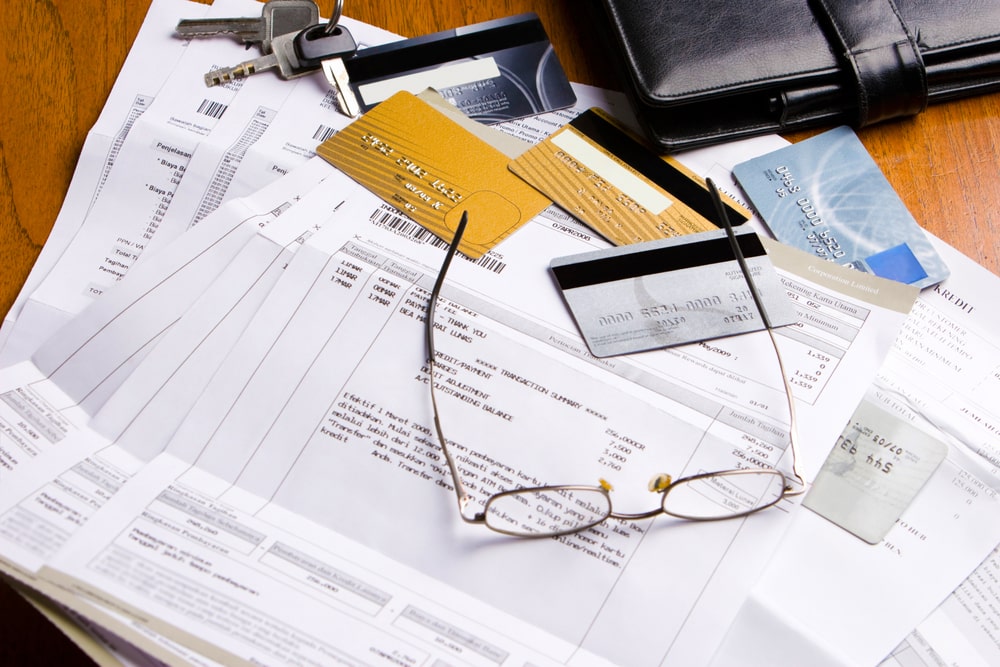 You’re now looking at your bank statements and credit card bills with wide eyes, and the amount of cash you’ve blown this past December is finally starting to sink in. It gets you wondering: What can I do to pay off holiday credit card debt quickly?
It can be very scary to go into the New Year with a hefty credit card debt weighing over your shoulder. For too many of us, the cycle of credit card debt starts in the holiday season and it’s the type of debt that’s difficult to recover from. When you only make the minimum payments and the interest charges continue to increase over time, it will take much, much longer to pay it off and you could end up paying triple what you originally paid for the item that you bought. In fact, it’s not uncommon to hear of people who are still paying down holiday credit card debt two or three years later, says Jeffrey F. Schwartz, executive director of Consolidated Credit Counseling Services of Canada.

It’s all too easy to go overboard during the holidays – just dip into your credit card, enter its numbers at the checkout and you’ve got your purchase done. The ease of credit availability is why Canadians, particularly millennials, love to use credit cards during the holidays.
Over a third of Canadian millennials expect to go into debt this holiday season, according to a survey from Credit Karma. Add to this, 62% of Canadian millennials will rack up more than $500 in debt over the holidays with most of them planning to do this with credit cards, and some by using personal loans.
Those surveyed also said that it would likely take them five months or more to pay the debt off. Only 42% of shoppers said they would pay off that debt in three months or less.
“What we’ve seen in Canada over the last year and a little bit is that Canadians are having a tough time meeting their obligations on their credit card…recent research by financial institutions indicates almost half a million Canadians are behind in their credit card payments by 90 days or more,” says Schwartz.
If you’ve acquired a post-holiday debt problem, what you can do now is make a commitment to pay off holiday credit card debt quickly so you can become financially healthy in the new year.
Here’s how you can do it:
Audit your credit card debt

A crucial first step to do is to add up all your expenses including the interest rates to know the exact total debt you now need to pay off. Thinking it’s “around” a certain number is not going to help you understand how much you spent and make an exact plan to pay it off.
Once you’ve taken a look at the numbers, make sure you take the time to identify the root cause of why you’ve accumulated so much credit card debt over the holiday season. Don’t stress over it, don’t wallow in guilt over it, because there’s no point beating yourself for taking on debt. Accept the fact that debt happened, and you’re handling it and looking for resources to help you move forward.
Make a realistic debt payment plan
If you have a small amount of holiday-related debt you will need to make sure to pay it all off in January. If possible knock all your holiday debt out quickly in a month or two, three months at the most. If it will take any longer than this, it’s time to create a realistic plan to eliminate the debt as quickly as possible. Paying down holiday debt in two or three years isn’t worth the unease and sleepless nights. If you’re going to pay just the minimum monthly payment, you’re never going to get out of debt. And, it’s also not realistic to altogether stop spending for the duration of your debt repayment, especially if it’s going to take longer than a month or two.
A realistic debt payment plan takes into account that in real life you will spend for things like the occasional coffee or takeout order, and so you will need to factor this in on what you expect to spend in a normal month including fixed costs for your housing expenses, food, and bills plus your current savings and debt payments.

The difference between paying your holiday credit card debt off in three to six months and in two years can be huge, and so the aim is to zero out the debt as quickly as possible. Make more than the minimum payment wherever possible. If the minimum amount is all you can afford now, then pay that. Don’t stop paying, or you’ll get into deeper debt trouble. Focus on paying off your most expensive debt first, which is the one with the highest interest rate, and then move on to the one with the next highest interest rate and so forth until your debt has gone down. Consider if a balance transfer credit card might be a good move in helping you curtail holiday credit card debt. A debt consolidation loan can also be an option if it can result in lowering your interest rates.
Ask for help
Don’t be ashamed to discuss your financial situation with your partner and other significant people in your life. In fact, get the whole family involved if possible. You’ll be surprised how resilient kids can be and often they will have some really creative ideas on how to cut back on spending habits. This will take some of the stress and pressure of dealing with debt on your own.
Getting professional help from trusted financial experts like an or a licensed insolvency trustee can also be beneficial in helping to put your total debt picture in perspective. You may think your debt problem is unsolvable, but these debt experts can help you find ways to tackle your debt in payments you can afford.
Your best course of action to pay off holiday credit card debt quickly is to relax, take a deep breath, take an objective look at your situation and then figure out what you need to do to fix it. Don’t avoid the problem as it’s going to catch up on you anyway sooner or later. Face the debt head-on, and do everything you can do to get out of debt quickly so you can enjoy the rest of the year free of debt.
Recover from Holiday Overspending with these Quick Fixes

Holiday overspending is a reality for most Canadians. According to a survey by Manulife Bank of Canada, 68% of Canadians said that they will overspend during the holidays despite the fact that they already have a lot of debts and even knowing that they will likely face negative consequences when doing so.
But, why is it so easy for us to overspend especially during the holidays?

It’s not that we’re reckless and uncaring about the consequences of debt, but more because we feel pressure to buy gifts and impress significant people in our lives. The survey revealed that one in four Canadians feel that social pressure is a contributing factor to why they overspend during the holidays. According to the survey, many of us feel pressure to spend more than we are comfortable to spend on with gifts, travel, social outings or charitable donations during the holiday season.
We want to keep up with the Joneses, or perhaps nowadays it’s more relevant to say we get caught up in social media too much, and want to have the perfect presents to give to our significant others, or buy expensive ornaments to decorate our homes, blow the budget on travel to create the perfect holiday moments, and even overindulge on food shopping to host the most elaborate holiday parties, so we can match the level of holiday shopping, decorating and celebrating that our social media friends do.
This is why financial debt from holiday overspending ranks as the number one cause for increased anxiety and stress than any other time of year. The survey goes on to show that financial stress of the holidays negatively impacts our mental health, creates tension with families and significant others and leads to a loss of productivity at work. Holiday debt sure takes on a heavy toll.
So, is it possible to recover from overspending?
Now that the season is over and the expenses have been made, it’s a bit too late to undo some of the damage. If you tossed your budget aside during the holiday season, you don’t have to spend the New Year regretting it. You can take a few quick and easy steps to recover financially from all that holiday overspending.
No Spending in January
One of the first things you can do is to cut off spending, particularly on the first month of the year when you will need to pay off those mountains of credit card bills. Make the commitment to stick to your monthly budget and not to spend on anything extra other than living expenses. This means no take outs, no clothes shopping, etc. If you’ve got a lot of leftovers from holiday meals, for example, you can eat out of your pantry, fridge, and freezer for the entire month. You can set aside around $20-40 a week to spend on milk, eggs, bread, and other fresh necessities at the grocery store, and this will leave you an extra $300-400 on your budget since you won’t be buying groceries for the month. You can put this to pay off some credit card debt or replenish your savings account. A no-spend month, even if it’s just for one month, is a great step forward. The sacrifice may be hard, but if it means being debt-free for the rest of the year then it’s totally worth it in the long run.
Earn Extra Income

Taking on extra income is one of the best ways to pay down debt plus have some additional savings. A side hustle will act as a cushion and soften the effect of any negative impact a high spending month will have on your budget. There are so many ideas to earn side income. If you have a regular job, the best way to work this out is to ask your employer for overtime opportunities. You can also take on a part-time job – with the holidays just over you can ask your neighbours if you can take down their Christmas lights or other yard ornaments or perhaps you can take on a tutoring job or a small babysitting position. There’s also a good amount of extra income to earn with renting out your home or a room in your home, or even renting out your car.
Earn Money with Unwanted Gifts
You might have received plenty of holiday gifts you don’t want or need, use them to reduce debt you’ve incurred from holiday overspending. If you have the receipts, you can return them and possibly get cash in exchange or probably get store credit which you can use to shop at that store without dipping into your own wallet. You can also sell these stuff on the Internet.
The online marketplace for second-hand or previously owned goods is in high demand. If you have clothing, shoes, accessories, electronics, books, etc that are still in the original packaging (with tags, warranty cards attached) you can easily fetch premium prices for them.

Fashion items sell fast on eBay and Etsy and, more recently, Facebook Marketplace. You can also consign high-end clothes and accessories online in Canadian sites such as Designer Swap, Own The Couture VSP and I Miss You Vintage in Toronto and Turnabout in Vancouver. Use your personal social media channels and post photos of sale items on Instagram Stories, Facebook Groups and WeChat.
Amazon Trade-In, letgo and GoRecell are great online markets to resell electronics.
If you’re nursing a financial hangover, you can feel stressed over it the entire year or you can choose to do something to fix the situation so you can quickly recover from all your holiday overspending. These quick fixes are some easy ways you can do to get back on track to financial growth. Be creative, and challenge yourself to find ways to pay down your debt quickly so you can feel good about going into the New Year free of any debt overload.
Financial Literacy Month: Taking Charge of Your Finances

Canadians celebrate Financial Literacy Month every November. Created and launched in June 2015 by the Financial Consumer Agency of Canada (FCAC), this initiative sets out three basic goals to help Canadians understand their rights and responsibilities to be able to:
- Manage their money and debt wisely,
- Plan and save for their future, and
- Prevent and protect themselves against fraud and financial abuse.
Financial Literacy Week Canada
The overall theme for this year is “Take charge of your finances: It pays to know!” There are weekly sub-themes throughout the month to bring specific focus on basic money management practices that are critical to helping Canadians understand how to manage their money the right way. These weekly sub-topics will include:
- Week 1 (November 3 to 9) – Start with a budget
- Week 2 (November 10 to 16) – Set financial goals
- Week 3 (November 17 to 23) – Be a smart financial consumer
- Week 4 (November 24 to 30) – Borrow money wisely
During the month-long celebration, organizations from the private, public and non-profit sectors across the country share information and resources, in the form of hosting workshops, seminars and other events to promote financial literacy for Canadians of all ages and to help them think more about their financial well-being and how they can improve it.
We at Richard Killen are joining financial organizations all across Canada to help you become smarter about your money.

Why Do We Need to Be Financially Literate?
These statistics based on a survey conducted by Lowestrates.ca and Ipsos Canada, the country’s leading provider of public opinion research, will help you understand why:
- 50% of Canadians have no budget to define their short-term and long-term financial goals.
- 32% of Canadians don’t expect to have enough money to retire comfortably.
- Only 36% of Canadians understand how applying for a credit card can negatively affect credit score.
- 60% of millennials don’t have enough money to cover an emergency expense.
- 85% of Canadians agree that financial literacy in Canada is lacking.
- 87% agree that the lack of knowledge is contributing to Canada’s consumer debt problem.
- 85% wish they personally had the opportunity to learn more about finance and the economy while in school.
- 94% agree that Canada’s schools need to do a better job of teaching financial literacy skills to children.
- Only 16% of Canadians feel that they have strong personal financial literacy skills.
- 39% feel that they have poor financial literacy skills.
- Only 35% agree that Canadians overall have strong financial literacy skills.
Money touches all areas of our life, so it’s extremely important to be financially literate for our own financial well-being in life. If you know this knowledge and skills early on in life you will be able to develop good money-management behaviours in the long term. This will enable you to make wise financial decisions and actions all throughout life, and most importantly, if you do make poor decisions you will know how to fix them and take steps to plan better for the future.
Basic Financial Literacy Skills
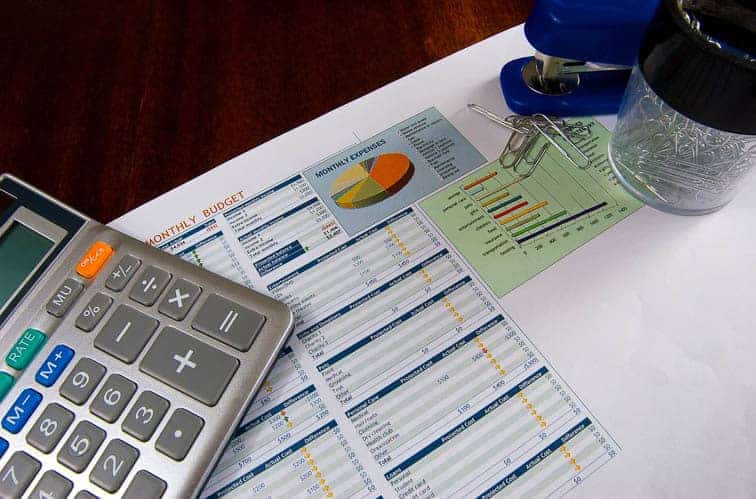
Becoming financially literate doesn’t happen overnight. You learn gradually starting with the basics and build fluency over time.
Perhaps the most basic financial skill to start learning is knowing how to budget. Budgeting is the best way to see how money comes in and out of your life. It will require you to go over your income and expenses and analyze your spending habits, and likely make changes where you need to. It may sound too restrictive, but it will help you take control of your money, instead of your money controlling you. And when you have better control of your money, you are able to make sound financial decisions.

Ideally, this is what you want a basic budget plan to have:
- A breakdown of all your needs all of your expenses over the course of a month so you can account for each of them.
- Track every penny you spend weekly or twice a week, depending on how often you deem necessary, and compare your actual spending to the budgeted amount.
- Evaluate ways for lowering your monthly bills as your expenses can’t be more than your income.
- Identify some income left over at the end of each month to build emergency savings or put toward other financial goals.
The only way for budgeting to be effective is for you to be realistic and put together a plan that you can actually follow. The more time and effort you put into developing your household budget, the better understanding you will have of how you’re spending your money and, as a result, the better you will be able to identify where your financial holes are. The sooner you can see the gap between what you can afford to spend and what you actually spend, the closer you can get to stop living paycheck to paycheck.

Knowing how to manage money effectively is a valuable life skill to have and financial literacy equips us with the knowledge and skills we need. We can learn to be financially literate, and it’s never too late to start learning.
If you’re interested to know about your own financial literacy, take this Self-Assessment Quiz to help you find out.
We encourage you to also come and talk to us to get a free checkup of your overall debt and financial health. As Licensed Insolvency Trustees, we are government regulated debt professionals and can help you to improve your overall financial literacy and learn new ways to become savvier with your money. Soon, you will take charge of your financial freedom with a debt-free life. Celebrate Financial Literacy Month with us!
Financial Literacy Month – How to Set Financial Goals

Another focus of this year’s Financial Literacy Month is to help Canadians learn how to set financial goals. It’s just basically figuring out three important things –
- Where your money should go,
- What you want it to do, and
- What you are saving it for.
It’s a critical step to becoming financially literate for these reasons:
- It will help you to set your own priorities for your money.
- It will help you work toward something specific.
- It will help you get into the habit of saving to achieve your goals.
- It will help you decide exactly what you think you should do with your money so you can make the most of it.
If you don’t have solid financial goals, you may tend to lose direction and are likely to spend more than you should and end up in debt, or if you have savings, it might end up floating in limbo when your money could be put to good use. On the other hand, if you have a financial plan, you’re far more likely to pay bills on time, to have an emergency fund, to have savings and investment and are more likely to feel financially stable.
Types of Financial Goals

Some goals are more pressing than others, like down payments, paying credit card debt and setting up emergency savings. Other goals are vital, such as saving for retirement. You can set short-term, mid-term, and long-term financial goals, it doesn’t matter, what matters is to get started right away so you can maximize every penny you have.
Here are some good goals you might want to consider setting for your own financial well-being:
Set a budget plan
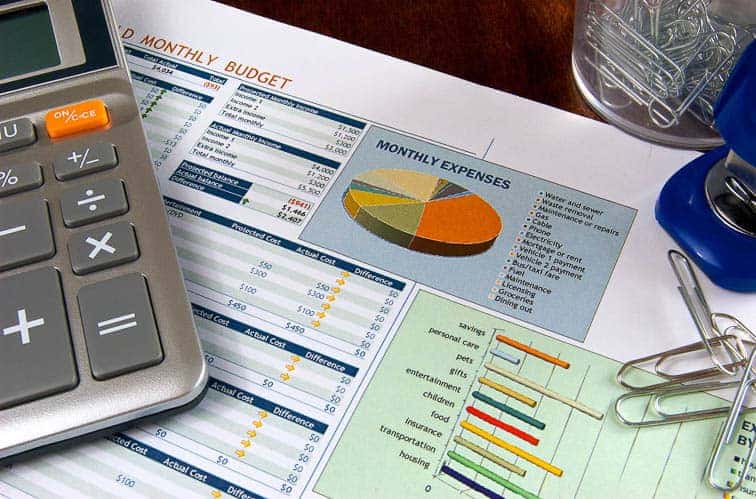
Setting a budget is a very common financial goal because, really, it is the most basic step you can take to get control of your financial future. A budget will help you clearly define the amount of income you have and where you are spending your money on. It will then help you see any expense that is stopping you from reaching your goals. If you diligently live by a budget, you can stop spending too much, you can stop going into debt and you can start saving.
Paying off credit card debt
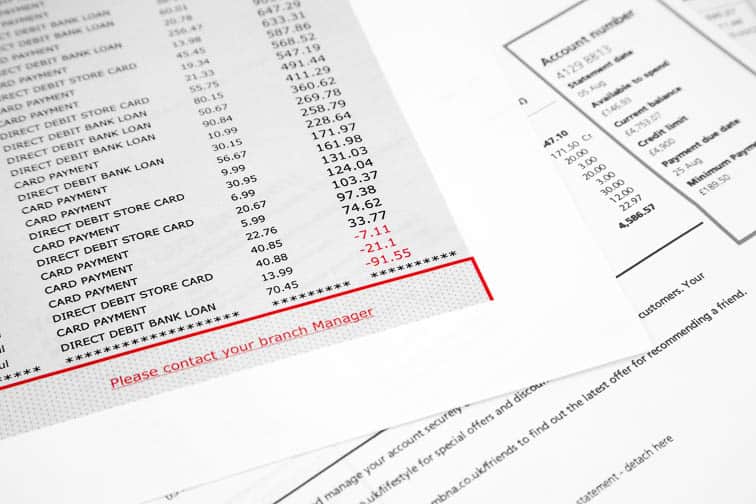
If you have high-interest credit card debt, getting rid of it should be a top priority. You can use the snowball method, the avalanche method, do a transfer balance, try credit consolidation with a reputable company, whatever debt elimination strategy you can afford to do, the main goal should be to pay that debt off first and as soon as possible. Credit card debt can hinder your ability to build wealth and reach your financial goals if you are not proactive. The high-interest rates eat up so much of your cash flow that could be used for other objectives instead of interest payments, so you need to tackle the debt first so you can move forward.
Saving for an emergency fund

Having an emergency fund is like having some financial assurance that you have some cash stash away that you can easily use to help you deal with life’s rainy days easier. Whether it’s an unexpected home or car repair, or an unplanned visit to the doctor or dentist, your emergency fund is essential to help cover costs that you don’t plan to happen.
33% of Canadians feel that they don’t have the financial resources to handle an unforeseen event, so if you’re feeling the same concerns, take some solid steps right away to build an emergency fund that will help you have some peace of mind, knowing you can cope with unforeseen bills and expenses.
The general rule is to have enough funds to cover up to six months of your living expenses. Start building your savings in small steps with what you can actually afford to set aside right now. That’s a good start, and be consistent and in time you will see your funds grow.
Saving for retirement

Saving for retirement is another top-rated financial goal. One of the topmost concerns about retirement is if you will have enough to live on. The key is to plan for an early retirement, this way you’ll still have plenty of time to make it even if you hit a few snags before the legal retirement age of 65.
You need to consider two critical points when you’re planning for retirement:
- Make sure you are able to retire without loads of debt, and
- You have a reasonable income stream that you can live off of.
A long-term approach of disciplined saving and investing can help you attain this goal.
Many of us don’t bother to set financial goals. We choose to rely on luck and, well, come what may. However, setting financial goals can help influence the way we manage money and can greatly increase the likelihood of our financial success. With goals set up, we are able to better meet savings needs, we are able to control our spending, we are able to make wise buying decisions and use credit responsibly and avoid going into debt – all because there is a plan, a clear and solid direction and intention of where our money should go.
Cheap and Free Things to Do in Toronto in November 2019

So many cheap and free things to do in Toronto in November 2019, it’s going to be a busy month. But, if you’re low in budget, and are out to save a few bucks for the gift-giving season, don’t worry about missing out. You can still have so much fun without breaking the bank!
Remembrance Day Ceremonies

Let’s not forget to take the time on November 11 to honour all those served, including the many who gave their lives for our country. There are several Remembrance Day ceremonies and events lined up throughout Toronto. You might want to plan to attend one.
You might also want to check out events and programs planned for Remembrance Day at the Toronto Zoo if you’re anywhere nearby.
Or why not go to Remembrance Day concerts with friends or visit museums for amazing exhibits?
Santa Claus Parade

It’s still on November 17, but you can start getting excited about Santa Claus coming to town! This will be a massive parade with all kinds of festive floats and special characters and of course, we will be waiting to see the star of the show, Santa Claus, make his grand appearance! There’s a new route this year that will begin at Parliament Street and travelling south on University Ave before ending at St. Lawrence Market. Be sure to activate your map and GPS so you can trod along without getting lost.
Toronto Christmas Market

You cannot miss out on the magic of the traditional Christmas Market! It’s the most anticipated holiday event of the year. Get ready to see the Distillery District transform into a magical winter wonderland filled with twinkly lights, Christmas decorations and tasty treats and drinks – there’s so much to see and do! You can shop around for homemade crafts, or visit Santa’s house, maybe explore a giant light tunnel and enjoy festive music and live entertainment. Admission is completely free, and you’ve got plenty of time as the market will run from November 15th until December 23rd this year.
Cavalcade of Lights

A free fireworks show will light up the dark night sky and Toronto’s official Christmas tree will once again be lit up this year. There’s also live music by some of Canada’s best artists and a skating party at Nathan Phillips Square – all for free. It will be on November 23, 2019, so save the date on your calendar now!
Chrysanthemum Show at Centennial Park Conservatory

It will run until November 25, 2019, this year, so you still have a bit of time to see creative displays of over 80 varieties of chrysanthemums. It will be a colourful show for sure! It’s open for the whole family and completely free!
Regent Park Film Festival

The organization is well-known for hosting Under the Stars Movies in the Park, year-round film screenings, school programs and workshops at no cost, and of course, the Annual Film Festival, which will be taking place on November 20-23, 2019 this year.
If you’re a fan of films that break stereotypes, such as those with themes about inner-city issues, immigrant experiences and multicultural relationships, or maybe you would just like to show support to local and international independent artists who are struggling to have their work seen, you need to make sure to add this event in your calendar.
One of a Kind Christmas Show and Sale

From November 21 to December 1, 2019, be sure you plan a visit to the Enercare Centre at Exhibition Place for North America’s largest event supporting crafts of all kinds and its craft makers. It will be a cultural and creative experience altogether. You’ll enjoy exploring the huge selection of unique gifts and decorating ideas created and handmade by local artisans – from chocolates to some very pretty clothing and very beautiful unique art pieces for the home. Oh, maybe you’ll want to get started on some serious holiday shopping there.
High Park Toronto in Fall

High Park is free all year round and you can go any time of the year, but you definitely have to see it during the Fall season. It literally transforms into a pretty magical place to enjoy the fall foliage. Imagine how remarkable it is to see some of the maple trees all ablaze in vivid orange and red colours. November is the remaining days of autumn, so it’s particularly beautiful right now. And while you’re there, stop by at the High Park Zoo and say hi to the animals.
From Christmas tree lighting ceremonies, Christmas markets and a chance to meet Santa Clause at the Santa Clause parade, there’s just a ton of free things to do in Toronto in November that will help bring you some early holiday cheer. The best thing is, you can do most of them for free or as cheap as possible so you won’t be blowing all your money and still be able to join in the fun!
Interview About Mortgage Insurance, Mortgages and Bankruptcy

In part two of the video interview with David Grossman, a mortgage broker, he and Richard Killen, a Licensed Insolvency Trustee discuss mortgage insurance and how mortgages work with bankruptcy in Ontario.
Ontario Mortgage Insurance Explained |
|
| Richard | Now there’s always further protection that goes into mortgages. It’s called mortgage insurance. I know when you’re dealing with a bank, they’re prompt to line up mortgage insurance. Is this insurance for you, is it? |
| David | This is insurance for the borrower, life insurance and/or disability. If the mortgage is paid off when a person dies, then the home would go to the estate. |
| Richard | So it protects other people but not the borrower? |
| David | Well, no. Let’s say, there’s a husband and wife. It might protect one of the borrowers. |
| Richard | If I’m married and I buy a million-dollar house in my name. I have a $500,000 mortgage insurance and then I die. The insurance company will write a check to whom? |
| David | If you get regular life insurance you name the beneficiary so normally you name the beneficiary as somebody in your family. |
| Richard | What do you mean by mortgage insurance? |
| David | The banks sell mortgage insurance and I believe that if somebody dies, the money goes straight to pay off the insurance or if there’s a claim, it goes to reduce them. |
| Richard | That’s why they want the mortgage insurance? |
| David | Yes. And also because they like selling add-ons and extras because you can make a lot of extra money selling different things. You don’t have to buy insurance from anyone. It’s a good idea to do so if you have heirs, a family, or a spouse. If something would happen to you, would you want your heirs to have to sell or would you want them to continue to live in the property? If you want them to be able to continue to live in the property, you have to think about how they are going to manage financially assuming you’re the breadwinner or the primary breadwinner. Your estate, your heirs will benefit by having insurance and that’s, I think, the main reason why people should get insurance. |
| Richard | That speaks for insurance, in general. It’s always a good idea to have some protection against eventualities. We don’t predict the future very well. As human beings, we’re poor at that. But this business about mortgage insurance, is it essentially an insurance where you’re purchasing, which will cost you money, but you’re insuring the lender from a loss if something happens? |
| David | Well, yes. If you die and you have a mortgage, the mortgage won’t disappear. They’ll still have legitimate charges on the house. The question is how will they pay for it if your income is gone. You may not be able to service the debt. |
| Richard | So that leaves the lender not getting paid? |
| David | That’s correct. |
| Richard | Is it why they insist on you having insurance? |
| David | They don’t they don’t insist. We have to offer people insurance and they don’t have to take it. There were cases before where, let’s say, somebody bought a house and the minute you sign and your purchase is firm like you’ve waived all financing conditions or anything else. Let’s say, that house is closing in 60 days. If you die between now and the closing, you still have to proceed with that contract. There was a case of a husband and wife and the husband died. They didn’t have insurance was sued because she didn’t close on the house. She couldn’t close the house but she was sued. That’s why, the minute you firm up your deal and you’re dealing with your bank or mortgage broker, you don’t necessarily need to take the insurance from them. However, it’s a good time to be looking at insurance for your benefit and the benefit of your heirs. |
| Richard | In the example that you just gave where the purchaser dies before the closing, the spouse or beneficiary of the estate was then responsible for closing the sale. But the lender wasn’t committed? |
| David | The lender can back out. When we get people a mortgage approval, usually, it’s a conditional approval. We’ll submit an application and we’ll say, this person makes a certain amount of income. The lender can get out of that deal up until the day of closing. They verify the employment and if they find out, they can back out. |
| Richard | So it’s kind of a one-way street, right? |
| David | It’s a one-way street. Death is never a good option. |
| Richard | Let’s stick to that philosophical plane. Nobody dies. Even though nobody dies, unexpected things happen to people – sickness, and so forth. These are the people we see in the insolvency business. The people we see have some negative unforeseen things happened to them. Can you, as a mortgage broker, use their equity they may have to help them get over rough patches even though that might affect their credit rating? |
| David | Yeah, for sure. If there’s equity in a home and people run into some kind of problem, things do happen in life, they can access the equity in the home. |
| Richard | Even if their credit rating has been adversely affected by what’s going on? People don’t give up right away when they start having problems. They try to keep things afloat but they can easily find themselves falling behind in payments as they struggle to take from Peter to pay Paul. Six months down the line, this problem hasn’t gone away. They still have equity in the home but now, the credit rating has become besmirched. Can you still help them? |
| David | Yeah. Lenders want to see that there’s a plan. They wouldn’t normally just lend money and not consider the borrower’s credit and what’s going on but they might look at it and say, “Look you have $50,000 in credit card debt that you’re having trouble paying. If we get you a mortgage, we can reduce those payments. Some credit cards are 20-30%. In this case, if the person is without a job, he’s not going to be getting money from A or B-lender, but even if they’re borrowing money at 10-12%, it might help them to solve the problem and then they can improve their credit. Hopefully, they’re going to be reemployed again soon. |
| Richard | It will certainly be better than the 19-26% they’re paying on their credit card. |
| David | Exactly! |
Should I get A mortgage To Pay Off My Consumer Proposal? |
|
| Richard | This is one of the options we discuss with people when they come to see us.
When people come to see us, We don’t just talk about bankruptcies and proposals. We talk about consolidation loans. We talk about using resources that they have or might have available or might be accessible to them to try to avoid having to do the bankruptcy or consumer proposal. |
| David | I think that people should start looking to have conversations with professionals like yourself and me before they start missing payments. There are people who have all kinds of equity in their house. However, if they miss payments and they let their credit go downhill, we can still get them the loan but it’s going to cost more money. It’s going to be more expensive. Therefore, they should talk to professionals before they start missing out a lot of payments for some guidance. |
| Richard | It’s a message in our advertising we try to get that across all the time. Why wait for things to have already gone downhill before getting advice. Advice is easy to give but not so easy to take.
This happens frequently. We have many insolvent people. They can no longer keep all their creditors happy through their resources, therefore, they do something with us. However, most people don’t want to do bankruptcy. I think in the 30 years that I’ve been in this business, I’ve never met anybody who wanted to do bankruptcy. They did because they had to but they sure didn’t want to. However, what we do is provide an alternative to bankruptcy. It’s called a proposal or a consumer proposal. They’ve got some equity in the home and so forth. They’re paying this proposal which can usually be done for over a five-year or 60-month period. They can get two or three years into it. Like anything else, it’s a negative drag on them. It may have a positive end but it’s a payment that they have to make. Therefore, we often suggest to them that they look at using the equity in their home to pay off the proposal. So, even though they’ve done something under the Bankruptcy and Insolvency Act, can you still help them with that? |
| David | Sure, yeah. We do get people who are in a proposal alone but the lenders will typically want to see the balance of the proposal being paid out in one shot from the loan proceeds. |
| Richard | That’s a normal consolidation factor, isn’t it? |
| David | Yes. |
| Richard | They don’t want the semi pay-outs? |
| David | No. They want a hundred percent payout. Correct me if I’m wrong but let’s say, there’s $1,000 monthly payment on a proposal. If somebody was to make a lump sum payment, it’s not going to reduce the thousand dollar-a-month. |
| Richard | I should say that it prepays is the proposal, so they can reduce their payments if they’re ahead. |
| David | Okay. That’s an interesting point. Generally speaking, lenders want to see the proposal paid out in full from the proceeds. It’s worth mentioning though that sometimes when people are looking to do a proposal they can get a mortgage at the same time and do a lump sum. |
| Richard | In other words, they can use their equity to fund the proposal process to get out of debt. |
| David | Right. Rather than having payments over five years, they could do it in a one-time shot and it’s done. |
| Richard | Then, they can amortize their payments over a longer stretch through the mortgage process. |
| David | Right. |
How to improve credit rating after a bankruptcy or consumer proposal |
|
| Richard | Some of our viewers might be people who have done bankruptcy or a proposal and they perhaps have gone all the way through it. One of the things that’s going to be uppermost in their minds is regaining the good credit status that they used to have. Can you help them with that? |
| David | There are some things that people can do to re-establish their credit. The first thing they can do is get a secured credit card. Home Trust is a company that offers it. In a secured credit card, put down some money which they’ll hold on to. You can put down $1,000 or $1,500. They’ll hold the money but they’ll give you a credit card that you can start using. It’s convenient as a way to start rebuilding your credit. lt operates like a regular credit card except they’re holding on to some of your money.
You can also get a car loan because car lending companies are pretty flexible. They’ll charge a higher rate on a car but it’s a good way to start to re-establish credit. Eventually, you can get a mortgage from a bank if you’ve had two full years of re-established credit. By no means game over for you if you declare bankruptcy or go for a proposal. You do get a second chance. |
| Richard | Is there a difference, in your experience, for people who have done bankruptcy or proposal in their speed with which they can recover their credit rating? |
| David | I haven’t really noticed a difference. As from a lender’s point of view, they look at the date of completion of a proposal or from the date of discharge of the bankruptcy. A bank or an A-lender want to see two years minimum of re-established credit. You must make all of your payments on time in the proposal.
B-lenders will give you a mortgage lump sum the next day after a discharge of the bankruptcy or completion of a proposal. You may need to have it with a minimum of 25% down and a good provable income but they’ll do it one even one day after the discharge. You may not ever be able to get a mortgage from an institution who was part of the loss. So, if you lost money with the Bank of Montreal, you go to Royal Bank. If you lost money with both Royal Bank and the Bank of Montreal, you go to TD. If you lost money from all of them, then you have a problem. There’s always a lot of lenders out there. If you take steps to reestablish your credit, you do get a second chance. |
| Richard | This can happen immediately? |
| David | It can happen immediately, not with a bank but with our alternative lender. They’ll charge a little bit higher rate but if you’re back in the saddle, you’re making money, you can show you’re making money, and you’ve got 25% down. |
| Richard | But it doesn’t happen by itself. You have to be proactive about it. you have to be the one to make it happen. In other words, you can’t sit on the sidelines and expect your credit rating to come back automatically. |
| David | That’s correct. You gotta get out there and whatever the situation was that led to the loss, if it’s something that’s in your control, hopefully, you’ve learned something from it. It took a little while to get yourself set in the right direction. |
| Richard | People that go through the process to deal with an insolvent situation, they’re not happy about it but by the time they get through that, they’re pretty well-resolved not to repeat this process ever. It happens because they can’t foresee the future but they’re well aware that they don’t want to go through this again. |
| David | It’s a second chance. It’s a glass-half-full. They’ve learned some lessons and it’s a renewal to be let off the hook for getting into all that debt. |
Will I lose My House If I go Bankrupt In Ontario? |
|
| Richard | On that particular point, I was telling you earlier that when people come in to see us and they have a home, the first thing they say to us it is “I don’t want to lose my house.” Now, what would you say to something like that at that point?
If you decide to do a proposal or bankruptcy, it doesn’t mean you’re going to lose your house. You have to disclose it because it is court-ordered. But I know that a good trustee like yourself has ways to arrange things so that people don’t have to necessarily lose their house. The idea of the bankruptcy, proposal, or the insolvency process is to serve both parties. You have two protagonists. You have a debtor and the creditors and they’re both supposed to get something out of this law. The debtor will get a fresh start and all the rest of the good stuff but the lender will have to resign himself to get what he can from the assets. However, if there’s equity in the home, some of the creditors agree with this completely that as long as they get the kind of money out of the situation that they were going to get if the house were sold, they don’t mind if the people get to keep the house. |
| David | Yes. They’re not looking to put people out on the street. |
| Richard | Well, David, I appreciate you coming down and I’m going to ask you one last question. People are looking at you here and listening to you. What would you say to them in terms of why they should come and see you under whatever circumstances they’re in? |
| David | Whatever the circumstances, it’s important to talk to people who know their business. I’ve been in mortgages for a long time and I deal with both prime borrowers. More of my business is in the alternate space, dealing with people who are not getting what they want for any reason. Furthermore, I’ve had a fair bit of experience dealing with people who have credit issues and who have debt issues. Don’t be afraid to pick up the phone and give me a call because you just never know. |
| Richard | It’s a no-lose situation, isn’t it? |
| David | It’s a no-lose situation. There’s no charge for advice. We don’t get paid unless we arrange a mortgage. That’s the nature of our business. We want to help people and I can pick up the phone and tell them what we know. |
| Richard | I’ve had this sitting on my table. I’ve written this book and the program itself is called after the title of this book. There are many different little intentions of this book but one of the main reasons why I produced the book is because there are several people I’ve seen go through the insolvency process. They let it get them down and let it diminish them in some way. The process should have a different outcome, an ultimate result. When people deal with us, we try to get at that and make sure that they can see the process that we’re going to apply would allow them to make life better. But you can’t get there unless you have the right attitude. And so, we call that The Glass Half-Full just to denote that attitude is a huge part of accomplishing anything in life. So, what you would say is that maybe these words would have a lot of impact on your business, too? |
| David | Every day, that’s the way. You have to make a choice of how you see things that come your way. The problems are opportunities, so, I think it’s a great approach. Moreover, I think you have a great show and I appreciate you inviting me to be on it. |
| Richard | It’s a pleasure to have you |
How To Get A Mortgage with Bad Credit

| Richard | Today we have with us, David Grossman. He’s a mortgage broker with Rock Your Mortgage which serves the Greater Toronto Area. Dave has been arranging mortgages for people for over fifteen years now and he brings to us a wealth of experience and know-how to a business which I find somewhat mysterious and a little bit intimidating. |
| Richard | What Does A First-time Homebuyer Need To Know? |
| David | There are several things that lenders are looking for. Presumably, people would need a mortgage. Most people don’t pay cash. Therefore, they need to have savings of at least:
|
| Richard | Is there Anything Else They Need to Know? |
| David | Besides having a down payment, the other things that lenders are looking for are credit, income, and the type of property.
Credit Credit is important. People need to take steps to establish credit and maintain it. For a first-time homebuyer, lenders want to see that they have a history of at least a couple of years. The assumption is that people want to get mortgages from the bank or places like a bank, therefore, for those types of borrowers, they need to have about five to ten percent down payment. Income First-time borrowers need to have income too. If they are salaried, lenders want to see their job letters and pay stubs. If they’ve been in the job for less than one year, lenders would want to see some history of income. Moreover, people need to build up some credit. |
| Richard | If Borrowers Are Applying For Mortgages Through your Services, What Are The Mechanics of Doing It? |
| David | The first thing people usually do is give me a call. I’ve got a direct number that people can reach me on and I’d like to have a quick conversation with people to start. Within five to ten minutes, we can determine what’s the scope of what’s going on whether it’s a purchase or a refinance, or a pre-approval. We also take into account its urgency. Does somebody need the money to pay out a creditor in two days?
Once I know that there’s a potential deal, I will send people a two-pager application that they need to fill out and sign. Subsequently, I’ll give them a list of papers that we’ll need to go after the mortgage. |
| Richard | We were talking about this $75,000 down payment on a million-dollar home the downpayment to get a mortgage with a bank. There are other places where you can get mortgages. Do they not have similar requirements? |
CMHC Insurance and High Ratio Mortgages In Ontario |
|
| David | There are A-lenders. They are banks, credit unions, and trust companies. With those lenders, you can get high-ratio financing. A lot of people have heard of CMHC (Canada Mortgage and Home Corporation). It is a government-run and they’re there to help Canadians buy homes. |
| Richard | Is CMHC an insurance program? |
| David | That’s right. It’s an insurer, however, it’s not in the way that people normally think about insurance. Unlike life insurance or car insurance, it comes at a borrower’s expense but it protects the lender. |
| Richard | How does CMHC help the borrower? |
| David | It helps the borrower because now, they can get high ratio financing or small down payment. |
| Richard | What If They Still Want To Buy a Million-dollar Home? |
| David | They can get it with just $75,000 down payment with the insurance. If you don’t have insurance on it, you’ve got to have 20% down payment. |
| Richard | Is the Bank Mortgage through CMHC as well? |
| David | Yes. The $75,000 is for an insured mortgage. If you have enough money, you can get it uninsured and make at least 20% down payment. |
Mortgage requirements for Self Employed People In Ontario |
|
| Richard | You were telling me that there are papers that they need to bring to you. Are these requirements different if the borrower is self-employed? |
| David | There’s a key difference for self-employed people often in that self-employed people are going to minimize what they report for tax purposes. One of the benefits of being self-employed is that you can have legitimate tax expenses. Oftentimes, if a self-employed individual goes to the bank, the first thing the bank asks is their tax returns and notice of assessments. And the net income per the tax return and the notice of assessments are often not reflective of what’s happening.
Somebody could have $200,000 in sales and their net income is only $40,000. The bank looks at the $40,000 and may approve them for a $200,000 to $250,000 mortgage but this is somebody who might be able to afford $500,000 to $600,000 and wants a bigger home. Therefore, we have lenders which are not the prime banks. We have alternative institutional lenders. They charge between a half a point to a point more than the banks. They’ll also amortize the loan over a slightly longer period. Therefore, even though there’s a higher rate, the payment will still be affordable. This way, even self-employed people can get the mortgages that they want and still benefit from some of the tax write-offs. |
The 3 types of mortgage lenders in Ontario |
|
| Richard | You mentioned A-lender before and I’ve heard the term ABC. How many are there? |
| David | Some lenders can go to Z but I think A, B, and C are good categories. |
| Richard | Can you tell me who are they? What makes an A-lender, B-lender and what are some of the pitfalls that one might accrue to dealing with one or the other? |
| David | There are three different types of lenders. A-lenders are essentially prime lenders or bank type of lenders, which most people would like to get a mortgage from because that’s where they would get the best rates and the best terms. In that same category are credit unions, trust companies, and there are many institutions out there that we consider as A-lenders that people have never heard of that serve strictly the mortgage brokerage community. There’s no shortage of A-lenders out there but they look for people who have a good credit and provable income.
The next category is B-lender. A B-lender is also an institution who will take self-employed borrowers. They’re more flexible in how they look at income and credit. Hence, people who have credit issues might still be able to get a mortgage from a B-lender. B-lenders will charge a percentage point more or less premium over what the bank is charging. If you can get your loan from an institution, either an A or B-lender, that’s the best-case scenario. However, if you’re in a pinch, there are C-lenders which are also known as private lenders. Private lenders include individuals who just like to lend out money on mortgages and MICs which stands for Mortgage Investment Corporations that do private loans. These are high-risk types of loans that you wouldn’t be able to get from an institution so you pay higher rates. Moreover, you pay fees. They are more expensive and should be avoided, if possible. The other thing about private loans or the C-mortgages is that they’re usually short-term loans. Therefore, lenders will want to know how are you going to repay the loan. That’s an important question. As a borrower, if you need it as a bridge to get over a hump, then it’s alright. However, you have to think long-term. You need to take into account that private lenders don’t always want to renew and if they do their fees could be high. If you get a one-year term and that lender is not prepared to renew the loan at the end of the year, you need to have a plan to get out of that private mortgage either by refinancing at the end of the year or selling the property. |
| Richard | For anybody, whether they’re a first-time buyer or not, the ideal thing is to try and get an A-lender mortgage, right? |
| David | Ideally, you want an A-loan but I also deal with a lot of people who don’t mind dealing with B-lenders. they don’t mind paying a little bit higher because it allows them to save a lot of money on their taxes as they’re not shy about writing down the legitimate business expenses. They don’t mind paying a little bit higher rate if it gets them into the property that they want and can afford. |
The Mortgage Stress Test In Ontario Explained |
|
| Richard | A lot of people heard about the Mortgage Stress Test which is a relatively recent development. Can you explain that? |
| David | At the beginning of 2018, the Canadian federal government decided that they needed to take some steps to cool down the market. They implemented or imposed this stress test which applies to almost all institutional lenders except a few lenders that are provincially-regulated. However, the lion’s share of institutional lenders out there are federally-regulated.
It is called a stress test because you have to qualify for the mortgage as though it was 2 percentage points higher than the rates you are actually getting. For example, you’re borrowing at 3.5% and they look at what the payment is and figure out how much you can afford and how much mortgage they’re willing to give you. With the stress test, the rate goes up from 3.5% to 5.5% and then they look at how much they think you can afford and the result is that you could you can only get a smaller mortgage. That has really thrown a wet blanket on the real estate market. |
| Richard | If you’re borderline in terms of your means, this really might cramp your style. |
| David | Yes, it could definitely impact. But I think they’ve acknowledged that they’ve done enough to cool off the market, therefore, there’s a new incentive coming out to help first-time buyers. |
RESPs (Registered Education Savings Plan) |
|
| Richard | There’s a lot of public discussions about the government assisting people to be able to get into the market. What is it out there for people? |
| David | There’s a couple of things. First of all, there has been a program where you can use the money that’s in your RESPs (Registered Education Savings Plan). That’s been around for quite a few years. I think the maximum was $25,000 per person that you could take out of your RESP tax-free. You have over 15 years to put that money back into your RESP. I believe the government has just increased that to $35,000 per person.
There’s a new thing coming up very soon where the government is going to contribute like a partner in your home. If the family makes less than $120,000 a year and your down payment is 10% or less, they could potentially get part of that government program. |
| Richard | Is it repayable? |
| David | Yes, when you sell the house. You have like 25 years to repay the government, therefore, I think it’s a plus. It’s free money. They haven’t released all of the details yet but we should know more very soon. |
| Richard | They have a similar program for RESPs where the government contributes. |
| David | Yes, that’s right. |
| Richard | In the insolvency business, we run into these things. RESPs are factored because they become an asset of the bankruptcy, however, not the part that the government has put in. Let’s say, there’s $1,000 on your RESP and the government put in 20%. Then, it’s only worth $800 to your creditors if you’re the owner of the RESP. I wonder if it’s going to be a similar kind of thing. |
| David | Yeah. I’m interested to see how that impacts people in a case of bankruptcy. |
| Richard | In the bankruptcy, the property itself is actually on the table. The creditors, through the trustee, have a right to the equity of the property. Whereas, if you don’t get to that stage in a proposal, then the RESP is a hypothetical asset. It’s not really at risk.
That’s not the actual money that the person would end up with if they sold their house. There are costs of selling them so the real equity they might have in that place might only be $175,000 instead of $200,000. Equity is the difference between what the thing is worth against what you might owe. |
This is the end of Part One of the Interview with Mortgage broker David Grossman. Stay tuned for Part Two of the interview.
How to Save Money with Credit Cards

Many of us abuse the use of our credit cards and often end up in debt. However, if you can use the plastic in a responsible manner, you can actually save money with credit cards, and are often better off using them rather than paying in cash.
Here are some money saving strategies you can take advantage of to get the most out of your credit cards.
Rewards and Points
When you have a credit card that earns points, you can earn as much as five points for every dollar you spend. There are also several occasions when companies will offer special three-month promo periods where you can earn double or triple the usual amount of points. When you reach a certain point threshold, you can redeem your points by buying items direct from the credit card company’s rewards catalog or exchange those points for hotel stays, merchandise, gas, shopping vouchers or lifestyle experiences like concert tickets, movie tickets, fitness trackers and spa treatments.
The trick is to find the right rewards card that best fits with your spending pattern. For example, if you patronize a particular brand of clothing, gas station, hotel chain or airline, you can earn points and enjoy rewards faster. In this way, you get to Save money with credit cards in exchange for points and rewards and enjoy some really great perks — which if you add everything up is basically more beneficial than if you paid outright with cash.
Frequent-Flyer Miles
With travel rewards credit cards, you would rack up miles every time you book a flight with a specific airline. When you have accumulated enough frequent-flyer miles, you can redeem these miles for airline tickets, special airline discounts, companion tickets, hotel room discounts and other perks such as rental cars, use of airport lounges, cruises, trip cancellation insurance, trip delay reimbursement, lost luggage reimbursement and other reward options. Now that’s some very valuable mileage with huge savings for you! If you travel frequently – as in a lot – this could be a very valuable credit card reward for you. It goes without saying that if you barely ever travel, this is not the type of credit card for you.
Cash Back
Cashback credit cards are great because you can literally earn cash back every time you make a purchase on your credit card. The cashback is credited back to you on your monthly bill. When you check your next monthly statement, you can see the cashback offsetted on the month’s credit card bill. Some cards offer 2%, 3% or even as much as 6% cash back on selected purchases. There are some cards that offer an even higher rate of cash back but requires you to deposit the cash reward directly into an investment account.
With a cash back card, you can earn rebates mostly on dining, groceries, gas, food delivery, for shopping at specific stores. This lets you save money with credit cards on essentials like food, fuel, groceries and other daily necessities. However, cash back cards require a minimum spend each month before you can start earning cashback and they set a limit to how much cashback you can earn per month. If you’re confident you can hit the minimum monthly spend without hurting your budget, then the cashback reward may be worth it to help you save money on groceries, dining, petrol and other essentials every month.
Consolidate your credit card debt carefully
If you have high credit card debt , you can transfer your credit card balances to help you pay off debt. A balance transfer card offers a 0% or a low APR on the amount that is moved over, but only for a limited introductory period. To make sure you save money on this strategy, you need to be able to pay off the entire debt balance before the promotional rate period is over, in order to avoid any increase in the card rate. You can still save money whether the new card offers a 0% or low APR, and in the end it may still be worth doing a balance transfer because essentially the new balance transfer card carries a much lower APR than your old credit card. Calculate everything carefully. It would help a lot if you do a cost benefit analysis so you can take into account all costs and charges, like if you’ll be charged a balance transfer fee if you do the switch.
It’s impossible to get into debt trouble if you know how to use credit cards to your advantage. In fact, there have been many instances where the credit savvy can even save money with credit cards and use them in the most favorable way. They are a very handy tool to have in your life and if you are careful about how you manage your spending when using credit cards you can benefit a lot from all the perks they offer without damaging your credit and putting yourself in debt trouble.
4 Money Saving Tips That Can Help You to Save on Groceries

According to Statistics Canada, the average Canadian family of 4 people spends about $214 on food for each person every month. And, this is just for groceries and does not include eating out. Financial experts recommend cutting down this average budget to only $125 per person on food each month. That’s a pretty tight budget! Can you do it?
Try these money saving tips:
Make a Grocery List and Stick to it
The best way to shop is to have a list on what things you need to buy and to make it a point to buy just what’s on the list. This avoids impulse spending, and according to research if you make a habit of sticking to your list you can save up to 23% on your grocery bill. Now, that’s huge savings already!
A grocery list will also help you plan your meals for the week. When you’re planning your weekly menu make a grocery list based on your plan. So every week, you have a meal plan and a list to guide you to buy more nutritious and less pricier food items and you can avoid buying expensive and unhealthy food items on impulse.
Stock Up on food items on sale
The month of February is National Canned Food month in Canada. Did you know that? Well, it is and it’s during this time when you’ll likely find specials on canned produce, so take advantage and stock up on things like canned beans, tomatoes and even canned fruits.
Another themed month linked to saving money on food is on March which has been declared as Nutritious Food Month by the Dietitians of Canada. Frozen foods packed full of vitamins and minerals likely go on sale, so it’s a great time to stockpile on frozen veggies and fruits, and also bread and meat.
Canned and frozen vegetables and fruits can be a huge money saver especially when fresh produce is out of season and still very expensive to buy.
Another great way to look at what’s on sale is to take the time to browse through grocery store flyers, newspaper ads and online to see what items are on sale and which stores you can get them.
Remember to stock up on only things that you normally use. It’s the only way this will work. You won’t save if you go splurging on food items that you don’t need. By stocking up on grocery items that are on sale, you can save about ten percent to twenty percent or even more on your grocery bill for the month.
Go on a meatless diet
Canned and frozen vegetables and fruits are also just as nutritious as fresh produce. So, even if you’re saving big on costs you’re not going to compromise on nutrition. Now, here we have another way to bring down your monthly food shopping bill. Plan out meal recipes wherein you can make use of these canned and frozen vegetables and fruits, for example, you can make large batches of soups, chili, stews, pie fillings, cookie dough batches, or prepare meatless meals like bean burritos with salad, rice and bean casseroles with vegetables, vegetable and cheese omelets with whole grain toast and tofu vegetable stir fry on rice noodles, the recipe list can be endless.
When you serve meals with nutritious, fiber-rich meat-free alternatives, you eat less meat, which is healthy and good for the whole family, and you also buy less meat, which will cut your food costs significantly.
Skip Grocery Shopping
Another food saving hack you can plan your budget on is to skip grocery shopping once every month. When you stockpile on groceries when they are on sale, you can live off of what you stockpiled and then skip grocery shopping at least once every month. If you can’t do this every month, then aim to do it maybe once every three months for a start. It will still save you more or less 25% on your food costs for the year.
Yes, food is expensive, but it doesn’t have to be. There are many ways for Canadian families to save on groceries every month and still eat well and healthy. All it takes is some strategic planning. Use these money saving ideas to start with and then try combining other money saving hacks you can find and in no time you can make it possible to lower your grocery budget and save some serious money that you can put towards other financial goals.
Contact Richard Killen
FREE No Commitment Consultation
Contact us now for a fresh start!
“Serving Toronto & the GTA for over 25 years.”




Recent Blog Posts
- Why More Canadians Are Choosing Consumer Proposals for Debt Relief and Financial Recovery
- Consumer Proposal vs. Bankruptcy in Ontario: How Income and Assets Decide Your Best Route
- Are You Managing Debt or Just Surviving It? 10 Warning Signs It’s Time to Seek Debt Relief Solutions in the GTA
- Borrowing for Home Renovations in the GTA: Questions to Ask Before Taking on More Debt and How an LIT Can Help
- Back-to-School Expenses Are Adding Up: How to Prepare Without Going Into Debt Help Ontario