

Tax Refunds and Consumer Proposals in Canada: What You Need to Know
Posted on: April 14, 2026Posted in Finances | Comments Off on Tax Refunds and Consumer Proposals in Canada: What You Need to Know
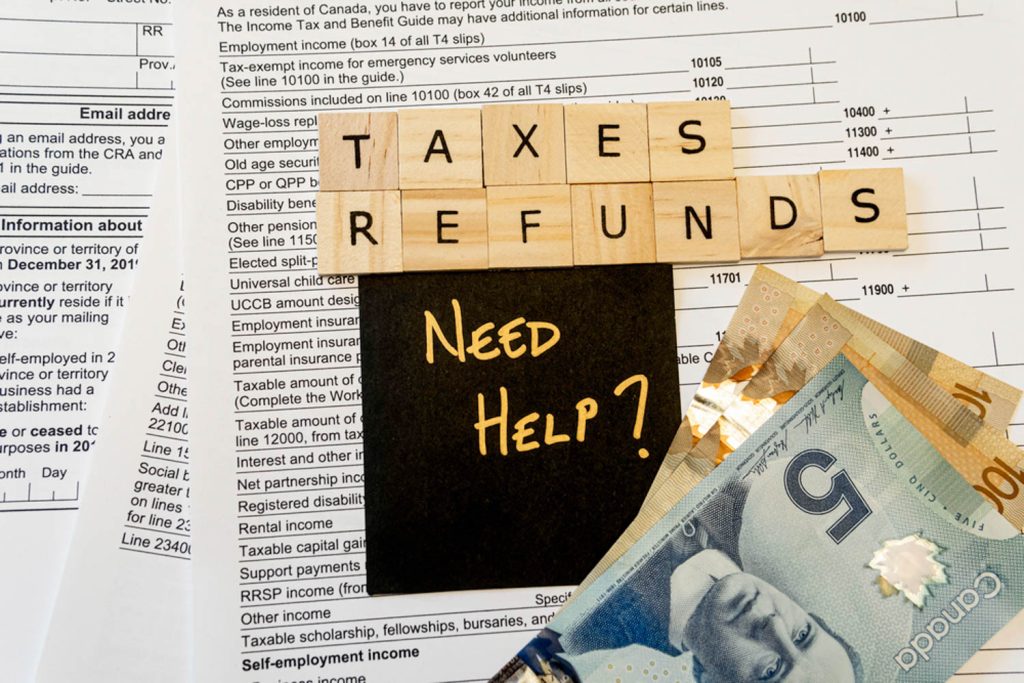
When individuals face financial challenges, one of the most common questions is how government-issued reimbursements interact with debt relief programs. Understanding tax refunds and consumer proposals in Canada is essential for anyone considering formal solutions to manage overwhelming obligations.
As Licensed Insolvency Trustees, we often hear concerns about whether annual reimbursements from the government will be affected when entering a formal repayment plan. The reality is that these reimbursements and proposals are closely connected, and knowing how they work together can help you make informed decisions about your financial future.
Understanding Consumer Proposals
Tax debt and consumer proposals go hand in hand because when you file a consumer proposal, tax-related obligations are automatically included in the settlement. This means unpaid balances owed to the government are treated like other unsecured debts, giving you relief and protection under the agreement.
Benefits of including tax debt in a proposal:
- Consolidates obligations into one manageable payment.
- Stops collection actions from the government.
- Provides relief from interest and penalties.
- Offers a structured path to financial recovery.
By addressing these obligations within the proposal, you gain peace of mind knowing that government debts are no longer hanging over you. Consulting with a Licensed Insolvency Trustee ensures you understand how these obligations are handled and helps you move forward with confidence.
Refund Guidelines and Their Impact
It’s important to understand CRA tax refund rules, which allow the agency to redirect refunds toward unpaid balances. Canada Revenue Agency tax refund regulations are straightforward: if you have outstanding obligations, the tax authority can apply your refund toward those balances. This ensures that debts owed to the government are addressed before any funds are released to you.
Important points to note:
- Refunds may be redirected to cover unpaid balances.
- Outstanding obligations to the government take priority.
- Rules apply whether you are in a consumer proposal or not.
- Timing of your filing can affect how refunds are handled.
By being aware of these guidelines, you can better anticipate how your reimbursements will be treated. Consulting with a Licensed Insolvency Trustee can help you interpret these rules in the context of your own situation and plan ahead effectively.
Staying Compliant with Annual Returns
Filing taxes during consumer proposals remains mandatory. Even while under this repayment plan, you must continue to file your annual returns. The process doesn’t change, but the outcome may differ.
What to expect:
- You must file returns on time, every year.
- Refunds may be redirected depending on your situation.
- Any new balances owed are included in your proposal.
- Filing remains your responsibility, even under protection.
Remaining compliant ensures that you avoid penalties and maintain good standing with the government. By staying on top of your annual obligations, you protect yourself from unnecessary complications and keep your proposal running smoothly. A Licensed Insolvency Trustee can guide you through the filing process and explain how your returns interact with your repayment plan.
When Refunds Are Redirected
The government has the authority to apply your annual reimbursement toward any outstanding balances you owe. This process, often referred to as CRA set-off and tax refund, is a common practice when individuals have unpaid obligations. Instead of receiving the funds directly, they are used to reduce what you owe.
How set-off works:
- Automatic application – Any reimbursement you’re entitled to is automatically redirected to cover unpaid balances.
- Debt reduction without extra effort – This reduces what you owe without requiring additional collection actions such as phone calls or wage garnishments.
- Impact on cash flow – You may not receive a cash refund during the proposal period, which can affect your short-term financial planning.
- Preventing further accumulation – Redirecting funds helps prevent your obligations from growing larger due to penalties or interest.
Why this matters
Knowing that reimbursements may be redirected helps you plan ahead and avoid unexpected surprises. It ensures that government debts are prioritized and dealt with promptly. While losing access to funds may feel discouraging, the long-term benefit is that your obligations are reduced and managed within the proposal.
A Licensed Insolvency Trustee can explain how set-off applies to your unique situation and help you prepare for the financial impact.
Exploring Other Debt Solutions
A consumer proposal is just one of several debt management options available.
Other solutions include:
- Debt consolidation loans – Combine multiple obligations into one loan with a single payment.
- Credit counseling programs – Work with agencies to create structured repayment plans.
- Bankruptcy – A more drastic measure that eliminates most unsecured debts but has long-term consequences.
Choosing the right option depends on your financial situation, repayment ability, and long-term goals. A Licensed Insolvency Trustee can walk you through each option and help you decide which path is best for your circumstances.
What Happens to My Tax Refund in a Consumer Proposal in Canada
When entering a consumer proposal, your annual reimbursement may be affected in several ways. The outcome depends on your financial history, timing, and the specific obligations you owe to the government.
- Applied to outstanding balances – If you owe money to the government, any reimbursement you’re entitled to may be redirected to reduce that balance.
- Included in your proposal – Tax-related obligations are part of the settlement process.
- Dependent on timing – Refunds issued before you file may be treated differently than those issued afterward.
- Case-by-case basis – Every situation is unique.
Additional considerations:
- If you have no outstanding balances, you may still receive your reimbursement.
- If you owe back taxes, refunds will likely be applied directly to reduce those obligations.
- Filing mid-year can affect how refunds are treated before and after acceptance.
Consulting with a Licensed Insolvency Trustee ensures you understand how these scenarios apply to your case and helps you plan accordingly.
Will the Government Keep My Refund?
A common concern is: Can CRA keep my tax refund if I file a consumer proposal? The answer depends on timing and outstanding balances.
Key considerations:
- Refunds may be redirected to cover unpaid balances.
- Once your proposal is accepted, future refunds may be treated differently.
- Timing of filing plays a role in how refunds are handled.
- Professional guidance ensures you understand your specific situation.
That’s why consulting with a Licensed Insolvency Trustee can make a significant difference. They can explain how these rules apply to your unique circumstances, outline possible outcomes, and help you plan ahead so redirected funds don’t catch you off guard.
The Bigger Picture: Proposals and Tax Balances
Understanding how consumer proposals affect tax debts and refunds in Canada helps individuals see the long-term benefits of structured repayment.
Impact on your financial situation:
- Refunds may be redirected initially.
- Long-term benefit is protection from ongoing collection actions.
- Provides a structured repayment plan.
- Helps rebuild financial stability and credit over time.
A Licensed Insolvency Trustee can help you see beyond the short-term inconvenience of redirected refunds and focus on the bigger picture of financial recovery.
Conclusion
Navigating financial challenges requires clear information and professional guidance. Understanding how tax refunds and consumer proposals in Canada interact is crucial for making informed decisions. By working with a Licensed Insolvency Trustee, you can gain clarity, protect yourself from collection actions, and take meaningful steps toward financial recovery.
Take the Next Step Toward Financial Relief
At Richard Killen & Associates, we understand the unique challenges people in our community face when dealing with tax debts and consumer proposals. If you’re concerned about how your refunds may be affected, we’re here to provide clear answers and practical solutions tailored to your situation.
Reach out to a Licensed Insolvency Trustee near you today to book a confidential consultation with our office. Together, we’ll review your options, explain how CRA tax refund rules apply to you, and help you take the first step toward lasting financial stability.
Contact Richard Killen
FREE No Commitment Consultation
Contact us now for a fresh start!
“Serving Toronto & the GTA for over 25 years.”




Recent Blog Posts
- Why More Canadians Are Choosing Consumer Proposals for Debt Relief and Financial Recovery
- Consumer Proposal vs. Bankruptcy in Ontario: How Income and Assets Decide Your Best Route
- Are You Managing Debt or Just Surviving It? 10 Warning Signs It’s Time to Seek Debt Relief Solutions in the GTA
- Borrowing for Home Renovations in the GTA: Questions to Ask Before Taking on More Debt and How an LIT Can Help
- Back-to-School Expenses Are Adding Up: How to Prepare Without Going Into Debt Help Ontario