

What to Do If You Can’t Pay Taxes Canada by April 30
Posted on: May 19, 2026Posted in Finances, Financial Advice | Comments Off on What to Do If You Can’t Pay Taxes Canada by April 30
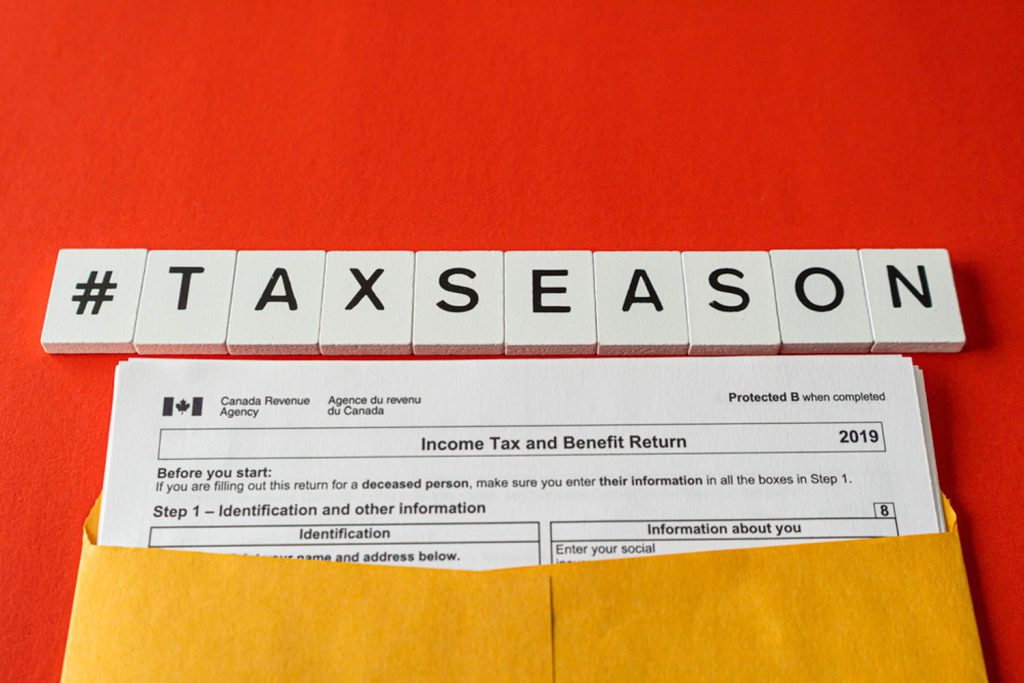
As a Licensed Insolvency Trustee, I often hear the same concern every spring: “What happens if I can’t pay taxes in Canada by the April 30 deadline?” This situation is more common than many realize, and while it can feel overwhelming, there are structured steps and professional resources available to help you navigate it without panic.
Understanding the Income Tax Deadline Canada
The April 30 filing deadline is a critical date for individuals. Missing it can lead to late‑filing penalties, interest charges, and mounting financial stress. Even if you cannot pay the full balance owed, filing your return on time is essential. Filing ensures you avoid additional penalties and keeps you in compliance, which can make future negotiations with the revenue agency smoother.
What to Do If You Can’t Pay CRA Taxes by April 30
When you realize you won’t be able to meet the payment deadline, the worst thing you can do is ignore the problem. Instead, consider these proactive steps:
- File on time anyway: Submitting your return by April 30 avoids late‑filing penalties, even if you can’t pay the balance immediately.
- Communicate early: Reaching out to the revenue agency before the deadline shows good faith and may open doors to flexible arrangements.
- Explore structured repayment: A tax payment plan can spread your balance over manageable monthly installments.
- Seek professional guidance: Speaking with a Licensed Insolvency Trustee Toronto or another qualified professional can help you understand all available options.
Exploring CRA Payment Options
The very first line of solution when you realize you cannot pay the full balance is to look at the repayment methods offered by the revenue agency. These CRA payment options are designed to provide immediate relief and prevent the situation from escalating into penalties or enforcement actions. By starting here, you demonstrate good faith and take proactive steps toward resolving the issue.
Some of the most common arrangements include:
- Monthly installment agreements: Breaking down your balance into smaller, more manageable payments spread over time.
- Direct debit arrangements: Automating payments to ensure you don’t miss deadlines and avoid additional interest.
- Negotiated extensions: In certain hardship cases, extensions may be granted if you can show genuine financial difficulty.
While these options are not automatic—you must apply and provide details about your financial circumstances—they represent the first and often most accessible way to manage outstanding obligations before considering more formal relief or insolvency solutions.
When Repayment Isn’t Enough
Sometimes, repayment plans alone are not sufficient. In these cases, tax relief Canada programs may provide partial forgiveness of penalties or interest. While the principal balance usually remains, relief can significantly reduce the overall burden and make repayment more manageable.
For individuals living in Ontario, there are additional options for unpaid income taxes in Ontario that can complement national relief measures. These include:
- Voluntary disclosure programs: If you’ve missed filings in previous years, this program can reduce penalties and interest charges.
- Structured payment arrangements: Tailored repayment agreements that align with your financial capacity.
- Formal insolvency proceedings: In extreme cases, consumer proposals or bankruptcy filings may provide a fresh start when repayment is otherwise impossible.
Navigating these choices can feel complex, which is why the support of a Licensed Insolvency Trustee is invaluable. An LIT can assess your financial situation, explain the implications of each option, and guide you toward the most effective solution. By combining federal relief initiatives with provincial remedies—and professional advice—you can access a broader range of strategies to ease financial stress and regain control of your obligations.
Structured Solutions for Overwhelming Balances
When repayment and relief programs aren’t enough, more formal tax debt solutions may be required. These include:
- Consumer proposals: A legally binding agreement to repay a portion of what you owe over time, often with reduced interest and penalties.
- Bankruptcy filings: In severe cases, insolvency proceedings may eliminate certain obligations and provide a fresh financial start.
- Debt consolidation strategies: Combining multiple obligations into one manageable payment, often at a lower interest rate.
Each of these solutions carries long‑term consequences, so professional guidance is essential. A Licensed Insolvency Trustee Toronto can help you weigh the pros and cons, ensuring you choose the path that aligns best with your financial goals and personal circumstances.
Regional Considerations
Residents in different provinces may face unique challenges when managing unpaid balances. Understanding tax filing Ontario rules, provincial credits, and specific relief programs can help determine what you owe. Beyond these provincial considerations, individuals in urban centres may also benefit from specialized tax payment assistance in Toronto and GTA, including:
- Budget counseling to help restructure household finances and manage obligations.
- Negotiation support when communicating with the revenue agency.
- Access to legal remedies if repayment is impossible under current circumstances.
By contrast, residents in British Columbia may have different provincial credits, deductions, or climate-related relief programs. While federal filing rules are consistent nationwide, provincial variations mean that the consequences of missing deadlines or overlooking credits can differ significantly depending on where you live.
Understanding these regional and local differences is crucial. A Licensed Insolvency Trustee can guide you through both federal requirements and provincial nuances, helping you access all available relief programs and repayment options. With professional guidance, you can reduce penalties, negotiate manageable arrangements, and ensure no opportunities to ease your financial burden are missed.
Practical Tips for Managing Tax Debt Challenges
Beyond formal programs and repayment arrangements, there are everyday strategies that can help you not only manage outstanding tax debt but also prevent similar challenges in the future:
- Prioritize essentials: Ensure housing, food, and healthcare remain covered before allocating funds to repayment.
- Avoid new debt: Taking on additional loans to cover balances can worsen the situation and create a cycle that’s hard to break.
- Track deadlines: Mark the income tax deadline clearly on your calendar each year to avoid late filings.
- Build a small reserve: Setting aside even modest savings throughout the year can help cushion the impact of unexpected obligations.
- Seek early advice: Don’t wait until penalties accumulate—professional guidance from a Licensed Insolvency Trustee is most effective when sought early, and it can help you plan ahead for future filing seasons.
Conclusion
Missing the April 30 deadline can feel daunting, but it does not mean you are out of options. Whether through CRA payment options, tax relief Canada programs, or professional tax debt solutions, there are structured ways to regain control of your finances. As a Licensed Insolvency Trustee, my role is to help individuals understand these pathways and choose the one that best fits their circumstances. Remember, if you can’t pay taxes Canada by the deadline, proactive action and professional support can make all the difference.
Take Control of Your Tax Debt Today
If you’re struggling with tax debt or worried about missing the April 30 deadline, don’t wait until penalties and interest make the situation worse. A Licensed Insolvency Trustee (LIT) can provide clear, professional guidance tailored to your circumstances.
Contact us today for a confidential consultation and discover the structured solutions that can help you regain financial stability.
Contact Richard Killen
FREE No Commitment Consultation
Contact us now for a fresh start!
“Serving Toronto & the GTA for over 25 years.”




Recent Blog Posts
- Why More Canadians Are Choosing Consumer Proposals for Debt Relief and Financial Recovery
- Consumer Proposal vs. Bankruptcy in Ontario: How Income and Assets Decide Your Best Route
- Are You Managing Debt or Just Surviving It? 10 Warning Signs It’s Time to Seek Debt Relief Solutions in the GTA
- Borrowing for Home Renovations in the GTA: Questions to Ask Before Taking on More Debt and How an LIT Can Help
- Back-to-School Expenses Are Adding Up: How to Prepare Without Going Into Debt Help Ontario