


Is Money the Root of All Evil?
 As many of us struggle with our finances, we have a love-hate relationship with the all-mighty dollar. To put our problems in perspective, or to give voice to our feelings, here are some words from notable figures on the subject of money.
“Anyone who lives within their means suffers from a lack of imagination.”
—Oscar Wilde
“If you want to know what God thinks of money, just look at the people he gave it to.”
—Dorothy Parker
“Money is better than poverty, if only for financial reasons.”
—Woody Allen
“I have no money, no resources, no hopes. I am the happiest man alive.”
—Henry Miller
“I’d like to live as a poor man with lots of money.”
—Pablo Picasso
“You can be young without money, but you can’t be old without it.”
—Tennessee Williams
“Money is like manure. You have to spread it around or it smells.”
—J. Paul Getty
“A rich man is nothing but a poor man with money.”
—W.C. Fields
“Anybody who thinks money will make you happy, hasn’t got money.”
—David Geffen
“You have to go broke three times to learn how to make a living.”
—Casey Stengel
“Your call to us may be the most stress-relieving call you ever make.”
—Richard Killen
Five Ways to Rebuild Your Credit
 You’ve gone through a bankruptcy and you want to get your life back to normal as fast as possible. While it won’t happen automatically and you will have to be proactive about it, you can actually take steps to start repairing your credit rating right away – as soon as you’re discharged. Here are five ways to do it:
Speak to Your Bank Manager: They are a good source of information to get you started on the road to credit repair. In most cases they are also quite supportive.
- Start Saving: Creditors like to lend to people who don’t really need the money. So use your savings account or open one if you don’t have it. Every pay period, put in a small amount in the account, perhaps arranging for an automatic withdrawal. Or if you were used to paying the trustee a certain amount each month during the bankruptcy process, just continue to put the same money in your savings account. By the end of the year you would have a nice balance in the account, sure to impress creditors. (This is called paying yourself.)
- Get a Secured Credit Card: This type of credit card is secured by a deposit account that you own. So if you can scrape together, say, $500, you can use that as a deposit with the credit card company and get a $500 limit on a new credit card. You would still have to make regular payments on it every month like a regular credit card. If you keep this card in good standing it will all count towards rebuilding your credit rating.
- Pay Your Bills on Time: Pay all your bills, including utilities and credit cards, promptly. Creditors like to get paid on time. Some people are under the misapprehension that if they carry a balance on their credit card from month to month then that will endear them to the credit card company and boost their rating. Not so. It just costs you money.
- Get a Copy of Your Credit Report: There are two main Canadian credit bureaus, Equifax Canada and TransUnion Canada. This is where all your credit information is stored. You are entitled to get a copy of your credit report. Get it. You can see if there are any mistakes and correct them. You also have the option of putting in a short note that will be given out to anyone who collects a credit report on you.
Is A Spouse Responsible For Credit Card Debt in Canada?
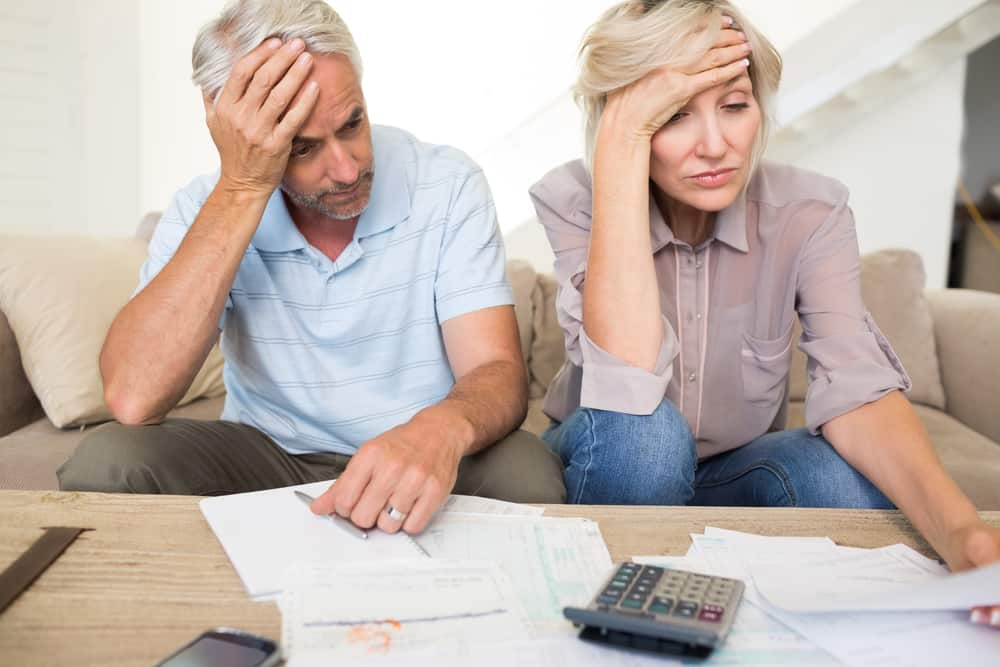
When it comes to marriage, a question may arise: Is a spouse responsible for credit card debt in Canada if the other spouse declares bankruptcy?
Sorry, Dear, I’m Bankrupt.
Nothing can make for a frostier breakfast conversation than revealing your financial woes have led to bankruptcy. Fueling the tension of guilt and anger is the fear one spouse filing for bankruptcy is going to drag down the other.
But if you do file for bankruptcy does this automatically affect your spouse?
The short answer is no. Each person is responsible for their debts. So if your spouse has not co-signed a loan or guaranteed your debt, then they won’t be directly affected and their credit rating won’t be damaged. There may be indirect consequences, however. For example, your spouse may not qualify for a loan in the future if your bankruptcy prevents you from being able to co-sign for it.
Don’t Give Credit Where it’s Due
But the truth is, married life can be complicated, with intertwined finances and joint ownership of assets. Take credit cards, for example. If your spouse has a joint or supplementary credit card – that is, one with their name but has the same account number as yours – then he/she would also be responsible for any debt.
On the other hand, if they have a supplementary credit card and have never used it, chances are they wouldn’t be responsible for the debt. The case could also be made that they are not saddled with the debt if they have only used the card occasionally, for small amounts.
However, if the two of you have used the cards extensively, you are both on the hook for the debt. This doesn’t change if only you go bankrupt. Things can get worse for your spouse because creditors can, and probably will, pursue them for the full amount of the money owed, and not just 50 percent. This scenario would be the same for any loan they’ve co-signed, such as a mortgage. (Though a legal case could be made that they are not responsible if they didn’t get legal counsel before co-signing the loan.)

Nothing Ruins a Good Divorce Like . . .
The risk of being saddled with joint debt seems to increase during divorce when communication and cooperation often dwindle. Some might be under the impression that debt is divided 50-50, as assets often are. But if one spouse files for bankruptcy, the other could be left responsible for the full debt and not just half, with avid creditors giving them their undivided attention.
Time to Take Out the Saw
Another consideration when one spouse goes bankrupt and the other is spared is jointly owned assets. That Harley and sidecar you both own for summer camping trips might need to be sold to pay what you owe to creditors. Your spouse’s portion of the motorcycle would be spared but you couldn’t exactly saw the vehicle in half.
Generally speaking, jointly owned assets have to be reviewed one by one by the trustee to see how they will be treated.
In summing up, if you not sure the answer the question “Is a spouse responsible for credit card debt in Canada?” or about other assets or liabilities, all the ins and outs of the effects of bankruptcy on a spouse need to be considered and explained by a licensed trustee.
A New Problem for the Old
 While aging baby boomers aspire to a placid retirement, this dream is being threatened by a growing problem: senior debt. An August 2013 article in Financial Post says, for example, “A report provided [by] ratings agency Equifax Canada shows average debt for consumers aged 65 and over climbed 6.5 per cent over the past year, the biggest year-over-year increase in the period for any age group.”
Apparently Canadians 65 and older account for eight per cent of bankruptcies, up from six per cent five years ago. “There’s been an increase since 1987 in bankruptcy of people over 65 of 3,900 per cent, it’s just huge,” says Nadim Abdo, vice-president of consulting and analytical services at Equifax.
Some reasons for this alarming situation include:
- People are living longer, so may not have saved enough money to cover their entire retirement.
- Parents are bailing out debt-ridden adult children.
- Seniors are sinking too much money into real estate, lured by low interest rates and the prospect of high returns.
- Widows or widowers don’t change their spending habits after a spouse dies and their pension disappears.
The results of this rising problem is not only the anxiety of dealing with creditors but the increased risk of health problems, such as rising blood pressure and heart attacks, and passing estates to heirs that have to be placed into bankruptcy because of crushing debt.
Will Bankruptcy Affect My Income?
Some people assume that if they file for bankruptcy they will have to turn over all their income to the trustee. Not true.
But there are other concerns people have over their income. A question we are often asked is: Will bankruptcy affect my income? Will I lose any of it to the trustee or creditors? The answer is: maybe, but probably not.
The fact is after going bankrupt people often find they now have “free income” for the first time in years. This is because they no longer have a long list of debts to pay every month.
When a person goes bankrupt, they are basically saying they can’t pay all their debts. They may be able to pay their rent and utilities and put food on the table, but they can’t do that and pay their credit cards and other loans. However, the moment they go bankrupt and get under the legal umbrella, those same creditors can no longer demand money from them, so they may actually have money to spare.
Now it is possible that person’s income maight be affected, but only if they are making such a substantial amount every month that, in fairness to the creditors, a portion of their surplus should be set aside for the creditors’ benefit. But this only applies after all the necessities are taken care of, so it is not such an onerous thing and most people have no problem with it. In fact it helps people feel better about having to go through the whole process in the first place.
There is actually a formula for working this out and the trustee will explain it all before you make the decision to file the bankruptcy. It’s just one of the many questions that a visit to the trustee clears up.
Most people don’t necessarily think of it this way, but the process goes directly to restore your control and give you an empowerment over your own affairs. This is one of the main goals and purposes of the bankruptcy laws.
Contact Richard Killen
FREE No Commitment Consultation
Contact us now for a fresh start!
“Serving Toronto & the GTA for over 25 years.”




Recent Blog Posts
- Why More Canadians Are Choosing Consumer Proposals for Debt Relief and Financial Recovery
- Consumer Proposal vs. Bankruptcy in Ontario: How Income and Assets Decide Your Best Route
- Are You Managing Debt or Just Surviving It? 10 Warning Signs It’s Time to Seek Debt Relief Solutions in the GTA
- Borrowing for Home Renovations in the GTA: Questions to Ask Before Taking on More Debt and How an LIT Can Help
- Back-to-School Expenses Are Adding Up: How to Prepare Without Going Into Debt Help Ontario